
Extreme Sports Cinematography Techniques
Expert-defined terms from the Masterclass Certificate in Extreme Sports Filming course at HealthCareStudies (An LSPM brand). Free to read, free to share, paired with a professional course.
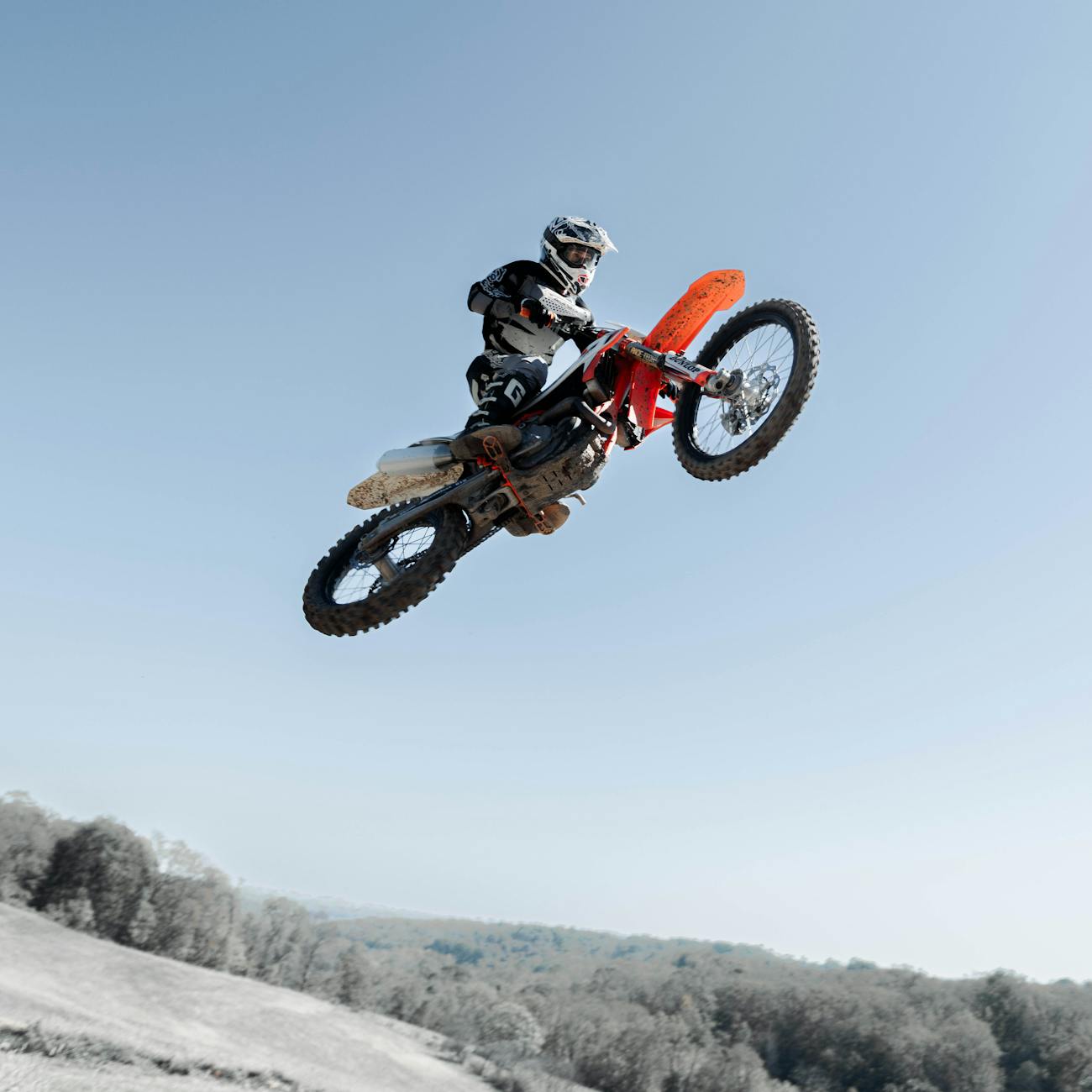
Extreme Sports Cinematography Techniques #
Extreme sports cinematography techniques refer to the specialized methods and st… #
These techniques are crucial for capturing the fast-paced and dynamic nature of extreme sports such as snowboarding, surfing, skateboarding, skydiving, and rock climbing.
Explanation #
Extreme sports cinematography techniques involve a combination of camera movements, angles, equipment, and editing styles that are tailored to the unique challenges and opportunities presented by shooting extreme sports. These techniques aim to showcase the speed, intensity, skill, and danger involved in these sports while also capturing the beauty and excitement of the athletes' performances.
Some common extreme sports cinematography techniques include: #
Some common extreme sports cinematography techniques include:
1. POV (Point of View) Shots #
POV shots place the camera in the perspective of the athlete, providing viewers with a first-person view of the action. This technique immerses the audience in the experience and makes them feel like they are participating in the sport.
2. Slow Motion Footage #
Slow motion footage is often used to highlight the intricate movements and details of extreme sports, such as the spray of snow during a snowboarding trick or the curl of a wave during surfing. This technique adds drama and impact to the footage.
3. Aerial Shots #
Aerial shots, captured using drones or helicopters, offer a unique perspective of extreme sports by showcasing the scale and complexity of the environment in which the athletes are performing. These shots can provide a sense of awe and grandeur.
4. Tracking Shots #
Tracking shots follow the movement of the athlete, allowing the audience to feel the speed and intensity of the action. These shots can be achieved using handheld cameras, gimbals, or tracking vehicles.
5. Helmet Cams #
Helmet cams, also known as action cams, are small, lightweight cameras that are attached to the athlete's helmet or body. These cameras capture the athlete's point of view and provide a raw, immersive look at the sport.
6. Underwater Shots #
Underwater shots are often used in sports like surfing and diving to capture the action from a unique perspective. These shots can reveal the power and beauty of the water as well as the skill of the athletes.
7. Time #
Lapse Sequences: Time-lapse sequences compress time and show the progression of events in a condensed format. This technique can be used to showcase the changing conditions of the environment or the evolution of a trick or performance.
8. 360 #
Degree Videos: 360-degree videos allow viewers to experience extreme sports from all angles by using virtual reality headsets or interactive video players. This immersive format provides a sense of being present at the event.
9. Stabilization Techniques #
Stabilization techniques, such as using gimbals or steady cams, help to smooth out shaky footage and ensure that the action remains clear and steady. This is crucial for capturing fast-paced sports without sacrificing quality.
10. Editing Styles #
Editing styles in extreme sports cinematography often involve fast cuts, dynamic transitions, and high-energy music to match the intensity of the action. Creative editing can enhance the storytelling and excitement of the footage.
Challenges in extreme sports cinematography include dealing with unpredictable w… #
Filmmakers must be adaptable, creative, and skilled in order to overcome these challenges and capture stunning footage that resonates with audiences.
Overall, mastering extreme sports cinematography techniques requires a combinati… #
By employing a range of techniques and experimenting with creative approaches, filmmakers can create captivating and memorable footage that brings the thrill of extreme sports to life on screen.