
Sterilization and Disinfection Techniques
Expert-defined terms from the Professional Certificate in Preventing Surgical Site Infections course at HealthCareStudies (An LSPM brand). Free to read, free to share, paired with a globally recognised certification pathway.
Sterilization and Disinfection Techniques #
Sterilization and Disinfection Techniques
Sterilization #
Sterilization is the process of killing all microorganisms, including bacteria,… #
This process is essential in healthcare settings to prevent the transmission of infections. Sterilization can be achieved through physical or chemical methods.
Some common methods of sterilization include: #
Some common methods of sterilization include:
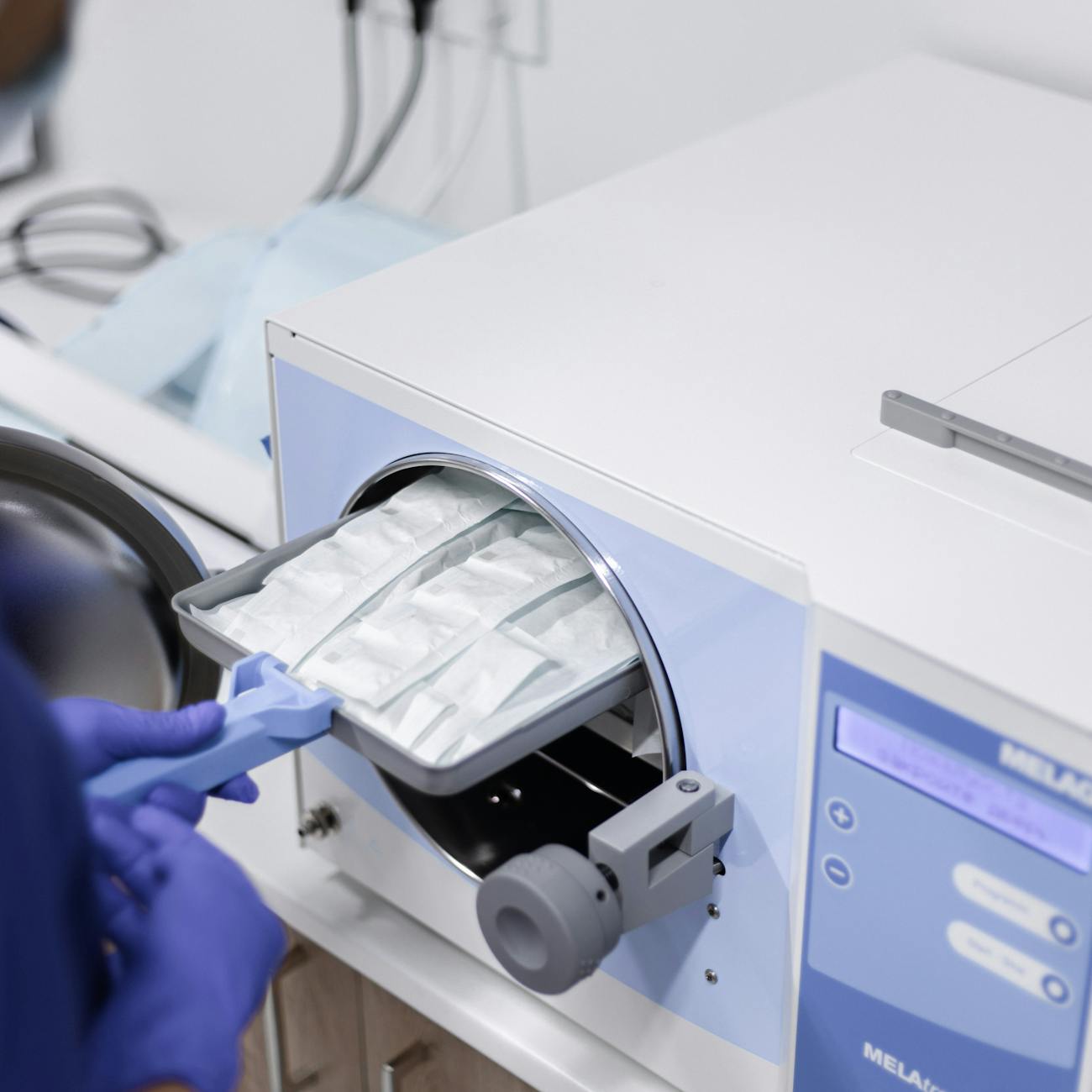
- Autoclaving: This method uses steam under pressure to kill microorganisms #
Autoclaves are commonly used in healthcare facilities to sterilize surgical instruments and equipment.
- Ethylene Oxide Gas Sterilization: This method uses a highly reactive gas to ki… #
It is often used for items that cannot withstand high temperatures, such as certain plastics and electronic equipment.
- Dry Heat Sterilization: This method uses high temperatures to kill microorgani… #
It is suitable for items that are sensitive to moisture.
Disinfection #
Disinfection is the process of reducing the number of microorganisms on surfaces… #
While disinfection does not necessarily kill all microorganisms, it significantly reduces their numbers, making the environment safer and less likely to transmit infections. Disinfection can be achieved through physical or chemical methods.
Some common methods of disinfection include: #
Some common methods of disinfection include:
- Chemical Disinfection: This method involves using disinfectants, such as bleac… #
- Chemical Disinfection: This method involves using disinfectants, such as bleach or alcohol-based solutions, to kill or inactivate microorganisms on surfaces.
- Ultraviolet (UV) Disinfection: This method uses UV light to disinfect surfaces… #
- Ultraviolet (UV) Disinfection: This method uses UV light to disinfect surfaces by damaging the DNA of microorganisms, preventing them from replicating.
- Chlorination: This method involves using chlorine-based compounds to disinfect… #
Chlorine is effective against a wide range of microorganisms.
Sterility Assurance #
Sterility assurance is the process of ensuring that sterilization procedures are… #
Sterility assurance involves monitoring and validating sterilization processes, as well as maintaining the sterility of items during storage and handling.
Sterilization Validation #
Sterilization validation is the process of testing and verifying that a steriliz… #
This validation process involves using biological indicators, such as spore strips, to ensure that the sterilization cycle has achieved the desired level of microbial kill.
Sterility Maintenance #
Sterility maintenance refers to the practices and procedures used to ensure that… #
This includes proper packaging, storage, and handling of sterilized items to prevent contamination and maintain sterility.
Sterility Monitoring #
Sterility monitoring is the process of routinely testing sterilized items to ens… #
This monitoring can involve periodic testing of sterilization cycles, as well as testing of items before they are used to ensure their sterility.
Biological Indicators #
Biological indicators are test systems containing living organisms, such as bact… #
These indicators are placed in the center of the load or in the most challenging locations to ensure that the sterilization cycle has achieved the desired level of microbial kill.
Sterile Packaging #
Sterile packaging refers to the materials and methods used to package sterilized… #
Sterile packaging is designed to protect items from contamination during storage and transport, ensuring that they remain free of microorganisms.
Sterile Storage #
Sterile storage involves storing sterilized items in a controlled environment to… #
Sterile storage areas should be clean, dry, and well-ventilated to minimize the risk of microbial growth and contamination.
Aseptic Technique #
Aseptic technique is a set of practices and procedures used to prevent contamina… #
Aseptic techniques include proper hand hygiene, wearing sterile gloves and gowns, and creating a sterile field for procedures.
Process Challenge Devices #
Process challenge devices are test devices used to simulate the conditions of a… #
These devices are placed in the most challenging locations within the sterilizer to ensure that all areas receive adequate sterilization.
Routine Testing #
Routine testing involves regularly monitoring sterilization processes to ensure… #
This testing may include biological monitoring, chemical indicators, and physical monitoring to verify that the sterilization cycle is achieving the desired level of microbial kill.
Microbial Monitoring #
Microbial monitoring is the process of testing for the presence of microorganism… #
This monitoring is essential in healthcare settings to identify potential sources of contamination and ensure that infection control measures are effective in preventing the spread of infections.
Sterility Checks #
Sterility checks are tests performed to verify that sterilized items remain free… #
These checks may involve visual inspection, microbial testing, or other methods to ensure that the sterility of items is maintained throughout their storage and handling.
Spore Strips #
Spore strips are test strips containing bacterial spores that are used to monito… #
These strips are placed in the center of the load or in the most challenging locations to ensure that the sterilization cycle has achieved the desired level of microbial kill.
Validation Protocols #
Validation protocols are documents that outline the procedures and criteria for… #
These protocols detail the testing methods, acceptance criteria, and documentation requirements for ensuring that sterilization cycles are effective in killing all microorganisms.
Quality Assurance #
Quality assurance is the process of ensuring that sterilization processes and pr… #
This involves monitoring and evaluating sterilization practices, implementing corrective actions when necessary, and maintaining records to demonstrate compliance with regulations.
Load Configuration #
Load configuration refers to the arrangement of items within a sterilizer to ens… #
Proper load configuration is essential to prevent shadowing and ensure that all items are exposed to the sterilizing agent, such as steam or gas, for the required amount of time.
Sterilizer Loading #
Sterilizer loading involves placing items in a sterilizer in a manner that promo… #
Proper loading techniques, such as arranging items to prevent blocking of steam or gas flow, are essential to ensure that all items are sterilized uniformly and achieve the desired level of microbial kill.
Sterile Processing #
Sterile processing is the department in healthcare facilities responsible for cl… #
Sterile processing technicians follow strict protocols and guidelines to ensure that all items are properly sterilized and maintained in a sterile condition.
Instrument Reprocessing #
Instrument reprocessing is the process of cleaning, disinfecting, and sterilizin… #
This process involves multiple steps, including manual cleaning, high-level disinfection, and sterilization, to ensure that instruments are safe and free of contaminants before they are used on patients.
Decontamination #
Decontamination is the process of removing or inactivating contaminants, such as… #
Decontamination is an essential step in instrument reprocessing and sterilization to ensure that items are safe for patient use.
Reprocessing Guidelines #
Reprocessing guidelines are documents that outline the procedures and best pract… #
These guidelines provide step-by-step instructions for healthcare personnel to follow to ensure that items are properly reprocessed and safe for patient use.
Instrument Maintenance #
Instrument maintenance involves inspecting, cleaning, and servicing medical inst… #
Regular maintenance of instruments is essential to prevent contamination, ensure accurate performance, and prolong the lifespan of the equipment.
Cleaning #
Cleaning is the process of removing visible dirt, debris, and organic material f… #
Cleaning is the first step in instrument reprocessing and sterilization, as it helps to reduce the number of microorganisms present and prepare items for further disinfection or sterilization.
Disinfection #
Disinfection is the process of reducing the number of microorganisms on surfaces… #
While disinfection does not necessarily kill all microorganisms, it significantly reduces their numbers, making the environment safer and less likely to transmit infections. Disinfection can be achieved through physical or chemical methods.
Some common methods of disinfection include: #
Some common methods of disinfection include:
- Chemical Disinfection: This method involves using disinfectants, such as bleac… #
- Chemical Disinfection: This method involves using disinfectants, such as bleach or alcohol-based solutions, to kill or inactivate microorganisms on surfaces.
- Ultraviolet (UV) Disinfection: This method uses UV light to disinfect surfaces… #
- Ultraviolet (UV) Disinfection: This method uses UV light to disinfect surfaces by damaging the DNA of microorganisms, preventing them from replicating.
- Chlorination: This method involves using chlorine-based compounds to disinfect… #
Chlorine is effective against a wide range of microorganisms.
Chemical Disinfection #
Chemical disinfection involves using chemicals, such as disinfectants and antise… #
Chemical disinfectants are classified based on their antimicrobial activity and effectiveness against different types of microorganisms.
Some common types of chemical disinfectants include: #
Some common types of chemical disinfectants include:
- Quaternary Ammonium Compounds: These disinfectants are effective against a wid… #
- Quaternary Ammonium Compounds: These disinfectants are effective against a wide range of microorganisms and are commonly used in healthcare settings.
- Phenolic Compounds: Phenolic disinfectants are effective against bacteria and… #
- Phenolic Compounds: Phenolic disinfectants are effective against bacteria and viruses but may be irritating to the skin and respiratory system.
- Chlorine Compounds: Chlorine-based disinfectants, such as bleach, are effectiv… #
- Chlorine Compounds: Chlorine-based disinfectants, such as bleach, are effective against a variety of microorganisms and are commonly used for environmental disinfection.
Ultraviolet (UV) Disinfection #
Ultraviolet (UV) disinfection is a method of disinfecting surfaces or air using… #
UV light damages the DNA of microorganisms, preventing them from replicating and causing infections. UV disinfection is commonly used in healthcare settings to reduce the transmission of pathogens.
There are several types of UV light used for disinfection: #
There are several types of UV light used for disinfection:
- UVA (320-400 nm): UVA light is used for cosmetic and medical applications, suc… #
- UVA (320-400 nm): UVA light is used for cosmetic and medical applications, such as phototherapy for skin conditions.
- UVB (280-320 nm): UVB light is used in medical phototherapy and sterilization… #
- UVB (280-320 nm): UVB light is used in medical phototherapy and sterilization applications.
- UVC (200-280 nm): UVC light is the most effective for disinfection, as it has… #
- UVC (200-280 nm): UVC light is the most effective for disinfection, as it has the highest germicidal properties and can kill a wide range of microorganisms.
Chlorination #
Chlorination is the process of adding chlorine #
based compounds, such as hypochlorite or chlorine dioxide, to water or surfaces to disinfect and kill microorganisms. Chlorine compounds are effective against bacteria, viruses, and other pathogens, making them a common choice for water treatment and environmental disinfection.
Chlorination is used in various applications, including: #
Chlorination is used in various applications, including:
- Water Treatment: Chlorine is added to drinking water to kill harmful bacteria… #
- Water Treatment: Chlorine is added to drinking water to kill harmful bacteria and viruses and prevent the spread of waterborne diseases.
- Wastewater Treatment: Chlorine is used to disinfect wastewater before it is re… #
- Wastewater Treatment: Chlorine is used to disinfect wastewater before it is released back into the environment to prevent contamination of water sources.
- Surface Disinfection: Chlorine-based disinfectants are used to clean and disin… #
- Surface Disinfection: Chlorine-based disinfectants are used to clean and disinfect surfaces in healthcare settings to reduce the transmission of infections.
Aseptic Practices #
Aseptic practices are techniques used to maintain a sterile environment and prev… #
Aseptic practices include proper hand hygiene, wearing sterile gloves and gowns, and creating a sterile field for procedures to reduce the risk of infections.
Aseptic practices are essential in: #
Aseptic practices are essential in:
- Surgical Procedures: Aseptic techniques are used in operating rooms to prevent… #
- Surgical Procedures: Aseptic techniques are used in operating rooms to prevent surgical site infections and ensure patient safety during invasive procedures.
- IV Insertion: Aseptic practices are followed when inserting intravenous cathet… #
- IV Insertion: Aseptic practices are followed when inserting intravenous catheters to prevent bloodstream infections and other complications.
- Wound Care: Aseptic techniques are used when dressing wounds to prevent contam… #
- Wound Care: Aseptic techniques are used when dressing wounds to prevent contamination and promote healing.
Cleaning Verification #
Cleaning verification is the process of testing surfaces or items to ensure that… #
Cleaning verification tests, such as adenosine triphosphate (ATP) tests or fluorescence-based tests, are used to assess the cleanliness of surfaces and determine if further cleaning is required.
Cleaning verification is important for: #
Cleaning verification is important for:
- Infection Control: Proper cleaning of surfaces is essential to prevent the tra… #
- Infection Control: Proper cleaning of surfaces is essential to prevent the transmission of infections in healthcare settings.
- Sterilization: Clean surfaces are necessary for effective sterilization, as co… #
- Sterilization: Clean surfaces are necessary for effective sterilization, as contaminants can interfere with the sterilization process and compromise patient safety.
- Quality Assurance: Cleaning verification is part of quality assurance programs… #
- Quality Assurance: Cleaning verification is part of quality assurance programs to ensure that cleaning procedures are effective and consistent.
Adenosine Triphosphate (ATP) Testing #
Adenosine triphosphate (ATP) testing is a rapid method for assessing the cleanli… #
ATP testing devices measure the amount of ATP present on a surface, providing an indication of the level of contamination and the effectiveness of cleaning procedures.
ATP testing is used in: #
ATP testing is used in:
- Healthcare Facilities: ATP testing is used to monitor the cleanliness of patie… #
- Healthcare Facilities: ATP testing is used to monitor the cleanliness of patient rooms, surgical equipment, and other high-touch surfaces in healthcare settings.
- Food Industry: ATP testing is used to verify the cleanliness of food processin… #
- Food Industry: ATP testing is used to verify the cleanliness of food processing equipment and surfaces to prevent contamination and foodborne illnesses.
- Industrial Settings: ATP testing is used in manufacturing facilities to ensure… #
- Industrial Settings: ATP testing is used in manufacturing facilities to ensure that surfaces are clean and free of contaminants that could affect product quality.
Fluorescence #
based Testing:
Fluorescence #
based testing is a method of assessing the cleanliness of surfaces by detecting fluorescent markers that indicate the presence of contaminants. Fluorescence-based tests use specialized equipment to emit light at specific wavelengths and detect the fluorescence emitted by contaminants on surfaces.
Fluorescence #
based testing is used for:
- Cleaning Validation: Fluorescence-based tests are used to verify the effective… #
- Cleaning Validation: Fluorescence-based tests are used to verify the effectiveness of cleaning procedures and ensure that surfaces are free of residues and contaminants.
- Environmental Monitoring: Fluorescence-based tests can be used to monitor cont… #
- Environmental Monitoring: Fluorescence-based tests can be used to monitor contamination levels on surfaces, equipment, and in the air in healthcare facilities and other settings.
- Quality Control: Fluorescence-based testing is part of quality control program… #
- Quality Control: Fluorescence-based testing is part of quality control programs to maintain cleanliness standards and prevent the spread of infections in various industries.
High #
Level Disinfection:
High #
level disinfection is a process that kills or inactivates a broad spectrum of microorganisms, including bacteria, viruses, fungi, and spores. High-level disinfection is used for semi-critical items that come into contact with mucous membranes or non-intact skin but do not penetrate sterile tissues.
Examples of items that require high #
level disinfection include:
- Endoscopes: Flexible endoscopes used for gastrointestinal procedures require h… #
- Endoscopes: Flexible endoscopes used for gastrointestinal procedures require high-level disinfection to prevent the transmission of infections.
- Respiratory Equipment: Breathing circuits and ventilator components require hi… #
- Respiratory Equipment: Breathing circuits and ventilator components require high-level disinfection to ensure patient safety.
- Ultrasound Probes: Transesophageal and transvaginal ultrasound probes require… #
- Ultrasound Probes: Transesophageal and transvaginal ultrasound probes require high-level disinfection to prevent cross-contamination between patients.
Low #
Level Disinfection:
Low #
level disinfection is a process that kills most vegetative bacteria, some fungi, and enveloped viruses but may not kill spores or non-enveloped viruses. Low-level disinfection is used for non-critical items that come into contact with intact skin but do not penetrate sterile tissues.
Examples of items that require low #
level disinfection include:
- Blood Pressure Cuffs: Blood pressure cuffs used on intact skin require low-lev… #
- Blood Pressure Cuffs: Blood pressure cuffs used on intact skin require low-level disinfection between patients to prevent the spread of infections.
- Stethoscopes: Stethoscopes used on intact skin require low-level disinfection… #
- Stethoscopes: Stethoscopes used on intact skin require low-level disinfection to reduce the risk of cross-contamination.
- Electrodes: Electrodes used for electrocardiograms (ECGs) require low-level di… #
- Electrodes: Electrodes used for electrocardiograms (ECGs) require low-level disinfection to maintain patient safety.
Intermediate #
Level Disinfection:
Intermediate #
level disinfection is a process that kills most bacteria, some viruses, and fungi but may not kill bacterial spores. Intermediate-level disinfection is used for non-critical items that come into contact with intact skin but do not penetrate sterile tissues.
Examples of items that require intermediate #
level disinfection include:
- Bedside Tables: Bedside tables in patient rooms require intermediate-level dis… #
- Bedside Tables: Bedside tables in patient rooms require intermediate-level disinfection to prevent the spread of infections.
- Wheelchairs: Wheelchairs used in healthcare facilities require intermediate-le… #
- Wheelchairs: Wheelchairs used in healthcare facilities require intermediate-level disinfection to maintain patient safety.
- IV Poles: IV poles in patient rooms require intermediate-level disinfection to… #
- IV Poles: IV poles in patient rooms require intermediate-level disinfection to reduce the risk of contamination.
Personal Protective Equipment (PPE) #
Personal protective equipment (PPE) is specialized clothing or equipment worn by… #
PPE includes gloves, gowns, masks, and eye protection, which are used to prevent the transmission of infections in healthcare settings.
Examples of PPE include: #
Examples of PPE include:
- Gloves: Disposable gloves are worn to protect hands from contamination during… #
- Gloves: Disposable gloves are worn to protect hands from contamination during patient care activities.
- Gowns: Disposable gowns are worn to protect clothing from contamination and pr… #
- Gowns: Disposable gowns are worn to protect clothing from contamination and prevent the spread of infections.
- Masks: Surgical masks are worn to prevent the transmission of respiratory drop… #
- Masks: Surgical masks are worn to prevent the transmission of respiratory droplets and protect the wearer from airborne pathogens.
- Eye Protection: Goggles or face shields are worn to protect the eyes from spla… #
- Eye Protection: Goggles or face shields are worn to protect the eyes from splashes of blood, body fluids, or other infectious materials.
Hand Hygiene #
Hand hygiene is the practice of cleaning hands to remove dirt, debris, and micro… #
Hand hygiene is the practice of cleaning hands to remove dirt, debris, and microorganisms