
Mineral Supply Chain Management
Expert-defined terms from the Graduate Certificate in Conflict-Free Mineral Refining course at HealthCareStudies (An LSPM brand). Free to read, free to share, paired with a professional course.
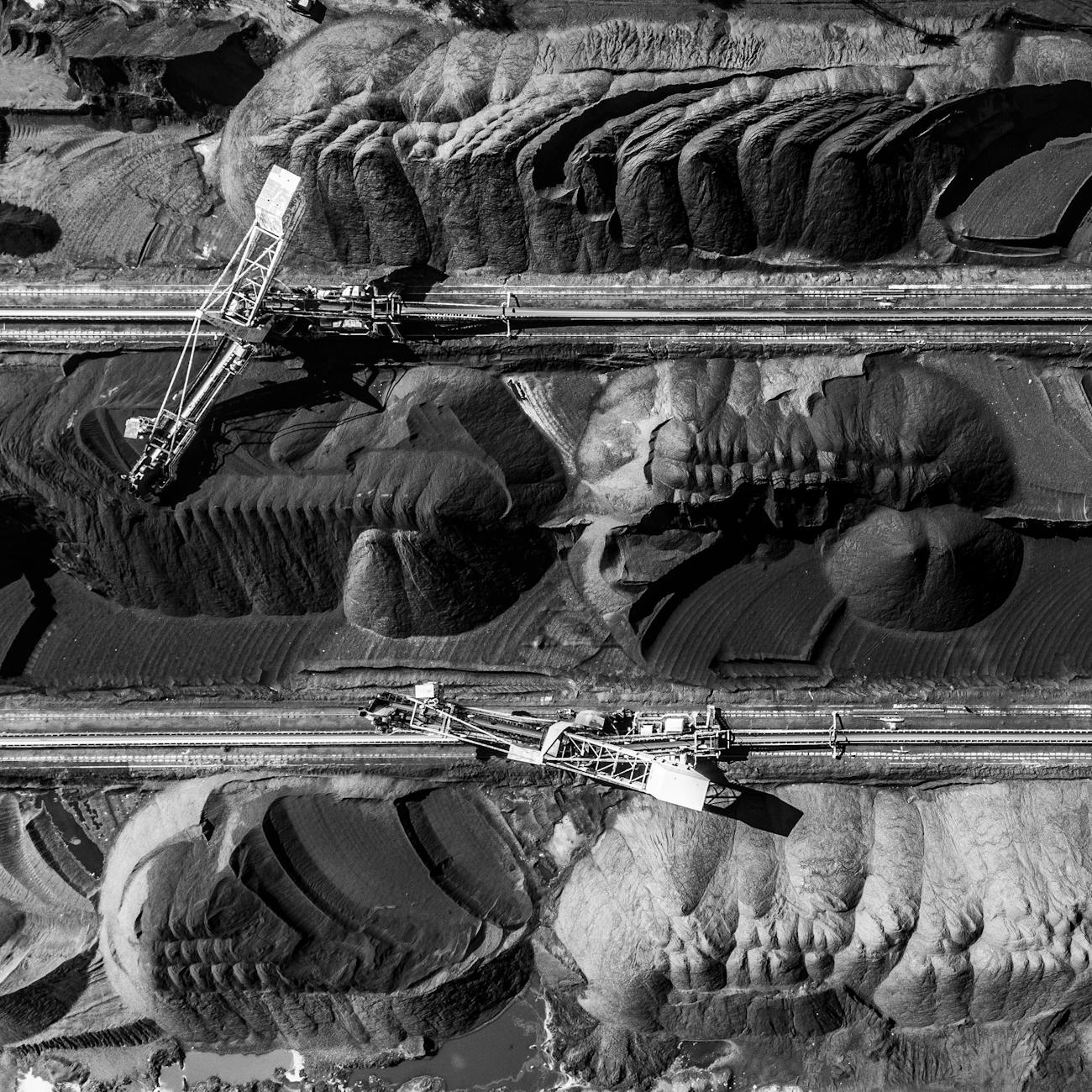
Mineral Supply Chain Management #
Mineral Supply Chain Management refers to the process of overseeing and optimizi… #
This involves managing various activities such as sourcing, transportation, processing, and distribution of minerals while ensuring compliance with regulations, sustainability practices, and ethical standards.
Conflict #
Free Minerals:
Conflict #
Free Minerals are minerals that are sourced and processed without financing conflict or human rights abuses. These minerals are extracted and traded in a manner that does not contribute to armed conflict or human rights violations.
Refining #
Refining is the process of purifying raw materials such as minerals to remove im… #
In the context of conflict-free mineral refining, this process involves ensuring that the minerals are processed ethically and responsibly.
Graduate Certificate #
A Graduate Certificate is a postgraduate qualification that provides specialized… #
It is typically shorter in duration than a master's degree and is designed to enhance a student's expertise in a particular field.
Alphabetical Order #
Alphabetical Order is a way of arranging terms or words based on the order of th… #
This method is commonly used to organize information for easier navigation and reference.
Acronym #
An Acronym is a word formed from the initial letters of a phrase or a series of… #
Acronyms are often used to create shorter, more manageable terms for complex concepts or organizations.
Concept #
A Concept is an abstract idea or general notion that represents a category of th… #
Concepts are used to understand and communicate information about a particular subject.
Regulations #
Regulations are rules or laws established by governments or governing bodies to… #
In the context of mineral supply chain management, regulations may include environmental, labor, and trade laws that govern the sourcing and processing of minerals.
Sustainability Practices #
Sustainability Practices are actions and strategies that aim to meet the needs o… #
In the mineral supply chain management, sustainability practices focus on minimizing environmental impact, promoting social responsibility, and ensuring long-term viability of mineral resources.
Ethical Standards #
Ethical Standards are principles or guidelines that govern moral behavior and de… #
In the context of mineral supply chain management, ethical standards include considerations such as human rights, labor practices, transparency, and accountability.
Optimizing #
Optimizing is the process of making something as effective or efficient as possi… #
In mineral supply chain management, optimizing involves identifying opportunities to improve processes, reduce costs, enhance quality, and increase overall performance.
Compliance #
Compliance refers to the act of adhering to rules, regulations, standards, or gu… #
In the context of mineral supply chain management, compliance involves meeting legal requirements, industry standards, and ethical principles.
Transportation #
Transportation is the movement of goods or materials from one location to anothe… #
In the mineral supply chain management, transportation plays a crucial role in ensuring the timely and safe delivery of minerals from the mine site to processing facilities or end-users.
Processing #
Processing is the transformation of raw materials into finished products or inte… #
In the mineral supply chain management, processing involves refining minerals to extract valuable components and remove impurities.
Distribution #
Distribution is the process of delivering finished products or goods to end #
users or consumers. In the mineral supply chain management, distribution involves ensuring that minerals reach their intended destinations in a timely and efficient manner.
Challenges #
Challenges are obstacles or difficulties that impede progress or success #
In mineral supply chain management, challenges may include sourcing ethical minerals, ensuring traceability, complying with regulations, managing risks, and maintaining transparency throughout the supply chain.
Traceability #
Traceability is the ability to track and verify the origins, movements, and proc… #
In the context of conflict-free mineral refining, traceability is essential for ensuring that minerals are sourced responsibly and ethically.
Risks #
Risks are potential threats or uncertainties that may have adverse effects on a… #
In mineral supply chain management, risks can include political instability, economic fluctuations, supply chain disruptions, reputational damage, and legal liabilities.
Transparency #
Transparency is the practice of openly sharing information, processes, and decis… #
In the mineral supply chain management, transparency is essential for building trust, promoting accountability, and demonstrating compliance with ethical standards.
Environmental Impact #
Environmental Impact refers to the effects that human activities have on the env… #
In the mineral supply chain management, minimizing environmental impact involves implementing sustainable practices, reducing pollution, conserving resources, and mitigating negative effects on the environment.
Social Responsibility #
Social Responsibility is the duty of individuals, organizations, or businesses t… #
In the mineral supply chain management, social responsibility includes promoting fair labor practices, supporting local communities, respecting human rights, and fostering sustainable development.
Labor Practices #
Labor Practices are the policies, procedures, and conditions that govern the rel… #
In the mineral supply chain management, ethical labor practices involve ensuring safe working conditions, fair wages, non-discrimination, and respect for workers' rights.
Long #
Term Viability:
Long #
Term Viability refers to the ability of a business or operation to remain sustainable and successful over an extended period. In the mineral supply chain management, ensuring long-term viability involves balancing economic, environmental, and social factors to support future growth and development.
Quality #
Quality is the degree of excellence or superiority of a product or service #
In the mineral supply chain management, maintaining quality involves ensuring that minerals meet specified standards, specifications, and customer requirements.
Performance #
Performance is the level of achievement or effectiveness of a system, process, o… #
In mineral supply chain management, performance measurement involves assessing key performance indicators (KPIs) such as cost, time, quality, and customer satisfaction.
Key Performance Indicators (KPIs) #
Key Performance Indicators (KPIs) are measurable metrics that help organizations… #
In mineral supply chain management, KPIs may include indicators such as production output, lead times, inventory levels, and compliance rates.
Lead Times #
Lead Times are the duration between the initiation and completion of a process o… #
In mineral supply chain management, lead times are critical for planning and scheduling operations, managing inventory, and meeting customer demand.
Inventory Levels #
Inventory Levels refer to the quantity of goods or materials held in stock by an… #
In mineral supply chain management, managing inventory levels involves balancing supply and demand, minimizing holding costs, and optimizing stock levels.
Compliance Rates #
Compliance Rates are the percentage of activities, processes, or operations that… #
In mineral supply chain management, tracking compliance rates is essential for ensuring that operations adhere to legal requirements, industry standards, and ethical practices.
Local Communities #
Local Communities are groups of people living in a specific geographical area or… #
In the mineral supply chain management, engaging with local communities involves building relationships, addressing social needs, supporting economic development, and promoting sustainable practices.
Human Rights #
Human Rights are fundamental rights and freedoms that are inherent to all indivi… #
In the mineral supply chain management, respecting human rights involves upholding principles such as the right to life, liberty, security, and dignity.
Business #
Business is an organization or entity engaged in commercial, industrial, or prof… #
In the context of mineral supply chain management, businesses play a key role in sourcing, processing, and distributing minerals while adhering to ethical standards and legal requirements.
Stakeholders #
Stakeholders are individuals or groups who have an interest or stake in the outc… #
In mineral supply chain management, stakeholders may include employees, customers, suppliers, investors, governments, communities, and advocacy groups.
Trust #
Trust is the belief or confidence in the reliability, integrity, and honesty of… #
In the mineral supply chain management, building trust involves demonstrating transparency, fulfilling commitments, communicating openly, and acting ethically.
Accountability #
Accountability is the obligation or responsibility to accept ownership for one's… #
In the mineral supply chain management, accountability involves holding individuals and organizations responsible for their impact on the environment, society, and economy.
Regulatory Compliance #
Regulatory Compliance is the act of following laws, regulations, and standards s… #
In mineral supply chain management, regulatory compliance includes meeting requirements related to environmental protection, labor rights, trade practices, and ethical sourcing.
Industry Standards #
Industry Standards are guidelines, practices, or benchmarks established by profe… #
In the mineral supply chain management, industry standards help ensure that operations meet best practices, specifications, and performance criteria.
Best Practices #
Best Practices are methods, techniques, or processes that are recognized as most… #
In mineral supply chain management, adopting best practices can help organizations improve productivity, reduce costs, enhance quality, and mitigate risks.
Specifications #
Specifications are detailed descriptions or requirements that define the charact… #
In mineral supply chain management, specifications help ensure that minerals meet quality standards, regulatory requirements, and customer expectations.
Customer Requirements #
Customer Requirements are the expectations, preferences, or needs of buyers or e… #
In mineral supply chain management, understanding and meeting customer requirements is essential for delivering value, maintaining satisfaction, and building loyalty.
Value #
Value is the worth, benefit, or utility that a product or service provides to cu… #
In mineral supply chain management, creating value involves delivering high-quality minerals, meeting customer needs, optimizing processes, and generating sustainable returns.
Satisfaction #
Satisfaction is the level of contentment, happiness, or fulfillment that individ… #
In mineral supply chain management, ensuring customer satisfaction involves meeting expectations, resolving issues, and delivering value.
Loyalty #
Loyalty is the commitment, allegiance, or faithfulness that customers or stakeho… #
In mineral supply chain management, fostering loyalty involves building trust, delivering consistent quality, providing exceptional service, and engaging with stakeholders.
Brand #
Brand is the identity, image, or reputation that distinguishes a product, servic… #
In mineral supply chain management, building a strong brand involves creating awareness, establishing credibility, delivering value, and engaging with stakeholders.
Competitors #
Competitors are rival organizations or entities that offer similar products or s… #
In mineral supply chain management, understanding competitors involves analyzing their strengths, weaknesses, strategies, and market positioning to identify opportunities and threats.
Market #
Market is the environment or ecosystem where buyers and sellers interact to exch… #
In mineral supply chain management, markets include suppliers, customers, distributors, investors, regulators, and other entities that impact the sourcing, processing, and distribution of minerals.
Ecosystem #
Ecosystem is a complex network or system of interdependent organisms, resources,… #
In mineral supply chain management, the ecosystem includes stakeholders, processes, regulations, technologies, and external factors that shape the industry.
Interdependent #
Interdependent refers to the relationship or connection between entities or elem… #
In mineral supply chain management, recognizing interdependencies helps organizations understand how different parts of the supply chain impact each other and the overall performance.
External Factors #
External Factors are forces, trends, or events outside of an organization's cont… #
In mineral supply chain management, external factors can include political changes, economic conditions, market trends, technological advancements, and environmental issues.
Political Instability #
Political Instability is a condition characterized by uncertainty, unrest, or co… #
In mineral supply chain management, political instability can pose risks to operations, investments, supply chains, and relationships with stakeholders in countries or regions affected by political turmoil.
Economic Fluctuations #
Economic Fluctuations are changes in the performance, growth, or stability of a… #
In mineral supply chain management, economic fluctuations can impact demand for minerals, prices, currency exchange rates, production costs, and market conditions.
Supply Chain Disruptions #
Supply Chain Disruptions are events or disruptions that interrupt the flow of go… #
In mineral supply chain management, disruptions can include natural disasters, transportation delays, labor strikes, regulatory changes, supplier failures, and geopolitical conflicts.
Reputational Damage #
Reputational Damage is harm or loss of credibility that an organization experien… #
In mineral supply chain management, reputational damage can result from issues such as human rights abuses, environmental violations, corruption, or conflicts of interest.
Legal Liabilities #
Legal Liabilities are obligations or responsibilities that individuals or organi… #
In mineral supply chain management, legal liabilities can arise from non-compliance with regulations, breach of contracts, negligence, fraud, or misconduct.
Raw Materials #
Raw Materials are natural resources or basic materials that are used to produce… #
In mineral supply chain management, raw materials include minerals such as gold, tin, tungsten, and tantalum that are extracted from mines and processed into finished products.
Impurities #
Impurities are unwanted or undesirable substances that are present in raw materi… #
In mineral supply chain management, removing impurities is essential for purifying minerals, enhancing quality, and meeting specifications for use in manufacturing, electronics, construction, and other industries.
Finished Products #
Finished Products are goods, materials, or items that have completed the manufac… #
In mineral supply chain management, finished products may include electronic devices, jewelry, automotive parts, industrial components, and consumer goods made from refined minerals.
Intermediate Goods #
Intermediate Goods are products, components, or materials that are used in the p… #
In mineral supply chain management, intermediate goods may include semiconductors, alloys, chemicals, and other materials derived from refined minerals that are further processed into end-use products.
Lead Time #
Lead Time is the period between the initiation of a process or order and its com… #
In mineral supply chain management, lead time is critical for planning production schedules, managing inventory levels, coordinating logistics, and meeting customer demand.
Stock Levels #
Stock Levels are the quantity of goods or materials held in inventory by an orga… #
In mineral supply chain management, managing stock levels involves balancing supply and demand, minimizing storage costs, optimizing reorder points, and preventing stockouts or overstock situations.
Holding Costs #
Holding Costs are expenses or costs associated with storing, maintaining, or car… #
In mineral supply chain management, holding costs can include storage fees, insurance premiums, depreciation, obsolescence, spoilage, and other expenses related to holding stock.
Optimal Stock Levels #
Optimal Stock Levels are the ideal quantity of goods or materials that a busines… #
In mineral supply chain management, determining optimal stock levels involves considering factors such as lead times, demand variability, ordering costs, and service levels.
Supply Chain Efficiency #
Supply Chain Efficiency is the ability of a supply chain to deliver goods or mat… #
In mineral supply chain management, improving supply chain efficiency involves streamlining processes, reducing waste, optimizing resources, and enhancing collaboration with partners.
Supply Chain Collaboration #
Supply Chain Collaboration is the practice of working together with partners, su… #
In mineral supply chain management, collaboration can help enhance transparency, traceability, innovation, and sustainability throughout the supply chain.
Value Chain #
Value Chain is the sequence of activities or processes that add value to a produ… #
In mineral supply chain management, the value chain includes sourcing, processing, manufacturing, distribution, marketing, sales, and service activities that contribute to the creation and delivery of minerals.
Value Creation #
Value Creation is the process of generating benefits, advantages, or improvement… #
In mineral supply chain management, value creation involves optimizing processes, reducing costs, increasing quality, and meeting customer needs to create sustainable value for stakeholders.
Value Proposition #
Value Proposition is the unique selling point, benefit, or advantage that a prod… #
In mineral supply chain management, the value proposition may include factors such as ethical sourcing, quality assurance, sustainability practices, traceability, and competitive pricing.
Supply Chain Resilience #
Supply Chain Resilience is the ability of a supply chain to adapt, recover, and… #
In mineral supply chain management, building resilience involves identifying vulnerabilities, developing contingency plans, diversifying sources, and enhancing flexibility to mitigate risks and ensure business continuity.
Supply Chain Sustainability #
Supply Chain Sustainability is the practice of integrating environmental, social… #
In mineral supply chain management, sustainability involves promoting responsible sourcing, reducing carbon footprint, conserving resources, supporting local communities, and fostering ethical practices throughout the supply chain.
Carbon Footprint #
Carbon Footprint is the #
Carbon Footprint is the