
Sports Massage and Manual Therapy Techniques
Expert-defined terms from the Professional Certificate in Physical Therapy in Combat Sports course at HealthCareStudies (An LSPM brand). Free to read, free to share, paired with a globally recognised certification pathway.
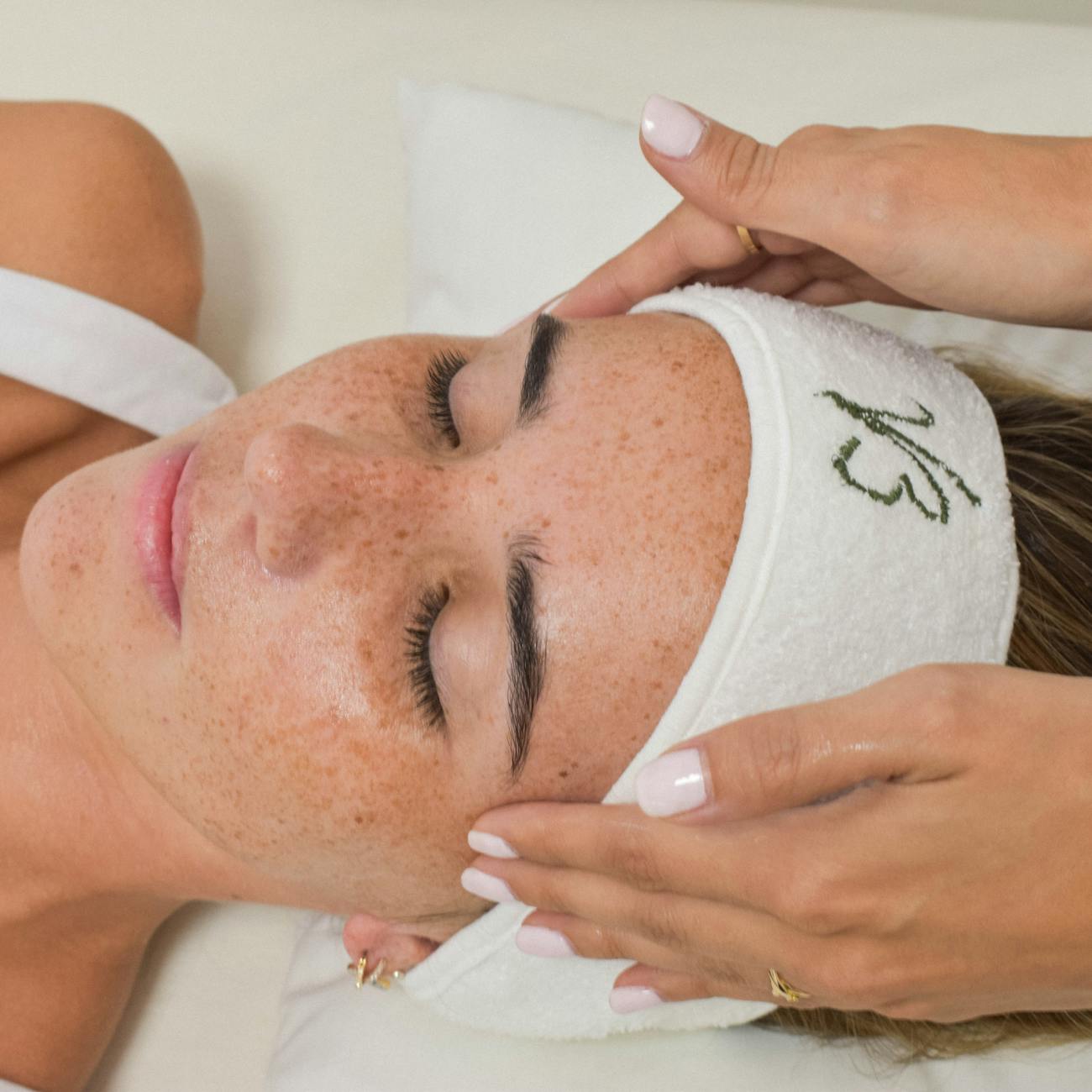
Sports Massage #
Sports massage is a form of manual therapy that focuses on the specific needs of… #
It involves the manipulation of soft tissues to help improve performance, prevent injuries, and aid in recovery. This type of massage typically involves techniques such as deep tissue massage, stretching, and myofascial release. Sports massage therapists are trained to work with athletes of all levels, from weekend warriors to professional athletes.
Manual Therapy Techniques #
Manual therapy techniques are hands #
on techniques used by physical therapists to diagnose and treat musculoskeletal conditions. These techniques can include mobilizations, manipulations, soft tissue mobilization, and stretching. Manual therapy is often used in combination with other treatment modalities such as exercise and modalities like ultrasound or electrical stimulation.
Active Release Technique (ART) #
Active Release Technique (ART) is a soft tissue mobilization technique used to t… #
ART involves the therapist applying tension to the affected tissue while the patient actively moves the area through a specific range of motion. This technique is commonly used to treat conditions such as tendonitis, muscle strains, and nerve entrapment.
Deep Tissue Massage #
Deep tissue massage is a type of massage therapy that focuses on the deeper laye… #
This technique uses slow, firm pressure to target knots and tight muscles. Deep tissue massage can help to break up scar tissue, improve circulation, and reduce pain. It is often used to treat chronic pain conditions and sports injuries.
Cross Friction Massage #
Cross friction massage is a technique used to target specific areas of scar tiss… #
The therapist applies deep pressure across the grain of the muscle fibers to break up adhesions and improve tissue mobility. This technique can help to reduce pain, improve range of motion, and promote healing in injured tissues.
Trigger Point Therapy #
Trigger point therapy is a technique used to release trigger points, which are a… #
The therapist applies pressure to the trigger point to release tension and restore normal muscle function. Trigger point therapy can help to reduce muscle pain, improve flexibility, and enhance performance.
Myofascial Release #
Myofascial release is a type of manual therapy that focuses on the fascia, the c… #
This technique involves applying gentle pressure to release restrictions in the fascia and improve mobility. Myofascial release can help to reduce pain, improve posture, and enhance athletic performance.
Joint Mobilization #
Joint mobilization is a manual therapy technique used to improve the mobility of… #
The therapist applies gentle oscillations or sustained pressure to the joint to help restore normal movement. Joint mobilization can help to reduce pain, improve range of motion, and facilitate healing in injured joints.
Instrument #
Assisted Soft Tissue Mobilization (IASTM):
Instrument #
assisted soft tissue mobilization (IASTM) is a technique that uses specially designed tools to mobilize soft tissues. The therapist uses the tools to apply pressure and friction to the affected area, helping to break up scar tissue and improve tissue mobility. IASTM can be effective in treating conditions such as tendonitis, muscle strains, and fascial restrictions.
Proprioceptive Neuromuscular Facilitation (PNF) #
Proprioceptive neuromuscular facilitation (PNF) is a stretching technique that i… #
The therapist guides the patient through a series of movements that involve contracting and relaxing the muscles to improve flexibility and range of motion. PNF stretching can help to improve muscle function, reduce muscle tightness, and prevent injuries.
Strain #
Counterstrain:
Strain #
counterstrain is a technique used to treat muscle and joint pain by reducing muscle spasms and improving joint mobility. The therapist identifies tender points in the muscle or joint and then positions the patient in a relaxed state to reduce the tension in the affected area. This technique can help to alleviate pain, improve function, and restore normal movement patterns.
Neuromuscular Reeducation #
Neuromuscular reeducation is a technique used to improve muscle function and coo… #
The therapist guides the patient through exercises and movements to help retrain the nervous system and improve muscle activation patterns. Neuromuscular reeducation can help to restore normal movement patterns, reduce pain, and prevent re-injury.
Cryotherapy #
Cryotherapy is the use of cold therapy to reduce pain and inflammation in injure… #
This technique involves applying ice or cold packs to the affected area to help constrict blood vessels and decrease swelling. Cryotherapy can help to numb the area, reduce pain, and promote healing in injured tissues.
Thermotherapy #
Thermotherapy is the use of heat therapy to relax muscles, improve circulation,… #
This technique involves applying heat packs, warm towels, or heating pads to the affected area to help increase blood flow and relax tight muscles. Thermotherapy can help to reduce muscle stiffness, improve flexibility, and enhance the effects of other treatment modalities.
Ultrasound Therapy #
Ultrasound therapy is a treatment modality used to promote tissue healing and re… #
This technique involves using high-frequency sound waves to penetrate the skin and target the affected area. Ultrasound therapy can help to improve circulation, reduce inflammation, and promote the healing process in injured tissues.
Electrical Stimulation #
Electrical stimulation is a treatment modality used to reduce pain, improve musc… #
This technique involves applying electrical currents to the affected area to help stimulate nerves and muscles. Electrical stimulation can help to reduce pain, improve muscle strength, and accelerate the healing process in injured tissues.
Taping Techniques #
Taping techniques involve the use of special tapes to support injured tissues, r… #
There are different types of tapes that can be used, including kinesiology tape, athletic tape, and rigid tape. Taping techniques can help to provide support, reduce swelling, and enhance proprioception in injured areas.
Postural Correction Exercises #
Postural correction exercises are specific exercises designed to improve posture… #
These exercises target weak or tight muscles that contribute to poor posture and can help to restore balance and symmetry. Postural correction exercises can help to reduce pain, improve function, and prevent injuries related to poor posture.
Functional Training #
Functional training is a type of exercise program that focuses on training movem… #
This type of training aims to improve functional movement patterns that are used in daily activities and sports. Functional training can help to improve strength, balance, coordination, and overall performance.
Balance and Stability Exercises #
Balance and stability exercises are exercises designed to improve balance, coord… #
These exercises challenge the body to maintain stability in various positions and can help to prevent falls, improve athletic performance, and reduce the risk of injury. Balance and stability exercises can include exercises on unstable surfaces, single-leg exercises, and proprioceptive drills.
Strength Training #
Strength training is a type of exercise program designed to improve muscle stren… #
This type of training involves lifting weights, using resistance bands, or performing bodyweight exercises to target specific muscle groups. Strength training can help to improve athletic performance, prevent injuries, and enhance overall fitness.
Plyometric Training #
Plyometric training is a type of exercise program that focuses on explosive move… #
These exercises involve rapid stretching and contracting of muscles to generate force quickly. Plyometric training can help to improve athletic performance in sports that require quick movements and explosive power, such as basketball, volleyball, and sprinting.
Aerobic Conditioning #
Aerobic conditioning is a type of exercise program that focuses on improving car… #
This type of training involves activities like running, cycling, or swimming that elevate the heart rate and increase oxygen consumption. Aerobic conditioning can help to improve endurance, reduce the risk of heart disease, and enhance overall health.
Flexibility Training #
Flexibility training is a type of exercise program designed to improve joint ran… #
This type of training involves stretching exercises that target specific muscle groups to improve mobility and prevent injuries. Flexibility training can help to improve posture, reduce muscle stiffness, and enhance athletic performance.
Rehabilitation Exercises #
Rehabilitation exercises are specific exercises prescribed by a physical therapi… #
These exercises are tailored to the individual's needs and goals and can help to improve strength, flexibility, balance, and function. Rehabilitation exercises are an essential component of the recovery process and can help to restore normal movement patterns and prevent re-injury.
Progressive Overload #
Progressive overload is a training principle that involves gradually increasing… #
This principle is commonly used in strength training to stimulate muscle growth and improve performance. Progressive overload can help to prevent plateaus and promote ongoing improvements in fitness.
Periodization #
Periodization is a training concept that involves dividing a training program in… #
These phases typically include periods of high intensity, moderate intensity, and rest to allow for recovery and adaptation. Periodization can help to improve performance, prevent injuries, and maximize training results.
Cross #
Training:
Cross #
training is a training approach that involves incorporating a variety of different exercises and activities into a workout routine. This type of training can help to prevent overuse injuries, improve overall fitness, and enhance athletic performance. Cross-training can include activities such as swimming, cycling, yoga, or strength training to target different muscle groups and energy systems.
Overtraining #
Overtraining is a condition that occurs when an individual exceeds their body's… #
This can lead to fatigue, decreased performance, and an increased risk of injury. Overtraining can be caused by training too frequently, with too much intensity, or without adequate rest and recovery. Recognizing the signs of overtraining and adjusting training volume and intensity is essential to prevent burnout and injury.
Heat Exhaustion #
Heat exhaustion is a heat #
related illness that occurs when the body overheats and is unable to cool itself down effectively. Symptoms of heat exhaustion can include heavy sweating, weakness, dizziness, nausea, and rapid heartbeat. Heat exhaustion can be serious if not treated promptly, and it is essential to move to a cool place, rest, and hydrate to prevent heat stroke.
Hydration #
Hydration is the process of maintaining adequate fluid levels in the body to sup… #
Proper hydration is essential for regulating body temperature, transporting nutrients, and removing waste products. Athletes should drink water before, during, and after exercise to prevent dehydration and ensure peak performance.
Nutrition #
Nutrition is the science of how the body uses food to fuel energy production, re… #
Proper nutrition is essential for athletes to optimize performance, support recovery, and prevent injuries. Athletes should consume a balanced diet rich in carbohydrates, proteins, fats, vitamins, and minerals to meet their energy needs and promote overall health.
Rest and Recovery #
Rest and recovery are essential components of a training program that allow the… #
Adequate rest and recovery are crucial for preventing overtraining, reducing the risk of injury, and optimizing performance. Athletes should prioritize sleep, rest days, and recovery strategies such as foam rolling, stretching, and massage to support their training goals.
Performance Enhancement #
Performance enhancement refers to strategies and techniques used to improve athl… #
These strategies can include strength training, conditioning programs, nutrition plans, mental skills training, and recovery techniques. Performance enhancement aims to optimize physical and mental abilities to maximize athletic performance and success.
Mental Skills Training #
Mental skills training is a type of training that focuses on developing mental s… #
These skills can help athletes manage stress, overcome challenges, and perform at their best in competition. Mental skills training can include techniques such as visualization, goal setting, self-talk, and relaxation.
Injury Prevention #
Injury prevention refers to strategies and techniques used to reduce the risk of… #
These strategies can include proper warm-up and cool-down routines, strength training, flexibility exercises, biomechanical assessments, and technique correction. Injury prevention aims to identify and address risk factors to keep athletes healthy, active, and performing at their best.
Rehabilitation #
Rehabilitation is the process of restoring function, mobility, and strength afte… #
This process typically involves working with a physical therapist to develop a personalized treatment plan that includes exercises, manual therapy, modalities, and education. Rehabilitation aims to help patients recover from injuries, reduce pain, and return to their previous level of function.
Return to Play #
Return to play refers to the process of gradually reintroducing an athlete to sp… #
This process typically involves a gradual progression of activities, monitoring of symptoms, and collaboration between the athlete, coach, and healthcare team. Return to play aims to ensure that the athlete is fully recovered and ready to safely resume athletic participation.
Biomechanics #
Biomechanics is the study of how the body moves and functions during physical ac… #
Biomechanics can help to analyze movement patterns, identify imbalances or weaknesses, and optimize performance. Understanding biomechanics can help athletes improve technique, prevent injuries, and enhance efficiency in movement.
Physiology #
Physiology is the study of how the body functions and adapts to physical activit… #
Understanding physiology can help athletes optimize training programs, improve performance, and support recovery. Physiological factors such as heart rate, oxygen consumption, and energy systems play a crucial role in athletic performance.
Anatomy #
Anatomy is the study of the structure of the body and its parts #
Understanding anatomy is essential for physical therapists to assess injuries, develop treatment plans, and educate patients about their condition. Knowledge of anatomy can help therapists identify the source of pain, dysfunction, or weakness and tailor interventions accordingly.
Kinesiology #
Kinesiology is the study of human movement and the mechanics of the body #
Understanding kinesiology can help physical therapists analyze movement patterns, assess biomechanics, and develop exercise programs. Knowledge of kinesiology is essential for promoting optimal movement, preventing injuries, and enhancing athletic performance.
Exercise Science #
Exercise science is the study of how the body responds to physical activity and… #
This field encompasses areas such as physiology, biomechanics, and nutrition to optimize performance and health. Exercise science can help athletes understand the principles of training, recovery, and performance enhancement.
Sports Psychology #
Sports psychology is the study of how psychological factors can influence athlet… #
Sports psychologists work with athletes to develop mental skills, manage stress, and enhance motivation. Understanding sports psychology can help athletes overcome mental barriers, improve focus, and maximize their potential in sports.
Recovery Strategies #
Recovery strategies are techniques used to support the body's recovery after exe… #
These strategies can include nutrition, hydration, sleep, massage, foam rolling, and stretching. Recovery strategies aim to reduce muscle soreness, prevent injuries, and optimize performance in athletes.
Biopsychosocial Model #
The biopsychosocial model is a holistic approach to healthcare that considers bi… #
This model recognizes that physical, mental, and social aspects of health are interconnected and can impact an individual's overall health. Understanding the biopsychosocial model can help therapists address the complex needs of patients and promote a multidimensional approach to care.
Evidence #
Based Practice:
Evidence #
based practice is an approach to healthcare that integrates the best available research evidence, clinical expertise, and patient preferences to guide clinical decision-making. This approach emphasizes using research and data to inform treatment decisions, monitor outcomes, and optimize patient care. Practicing evidence-based care can help therapists provide effective, efficient, and patient-centered treatment.
Interprofessional Collaboration #
Interprofessional collaboration is the practice of healthcare professionals from… #
This collaborative approach involves sharing knowledge, skills, and resources to address complex patient needs and improve health outcomes. Interprofessional collaboration can help therapists coordinate care, enhance communication, and promote a team-based approach to patient care.
Cultural Competence #
Cultural competence is the ability to understand and respect the beliefs, values… #
This skill is essential for therapists to provide effective, patient-centered care that respects the cultural norms and preferences of their patients. Cultural competence can help therapists build trust, improve communication, and promote positive health outcomes.
Health Literacy #
Health literacy is the ability to obtain, understand, and use health information… #
This skill is essential for patients to navigate the healthcare system, understand treatment options, and advocate for their health needs. Health literacy can help therapists educate patients, promote self-management, and empower individuals to take an active role in their healthcare.
Professionalism #
Professionalism is the conduct, behavior, and attitude expected of healthcare pr… #
This includes qualities such as integrity, respect, accountability, and ethical practice. Professionalism is essential for therapists to build trust, maintain confidentiality, and uphold the standards of their profession.
Ethical Practice #
Ethical practice refers to the adherence to ethical principles and standards in… #
This includes respecting patient autonomy, maintaining confidentiality, avoiding conflicts of interest, and providing evidence-based care. Ethical practice is essential for therapists to build trust, uphold professional standards, and promote patient safety.
Scope of Practice #
Scope of practice defines the boundaries of what healthcare professionals are tr… #
This includes the services they can provide, the interventions they can perform, and the populations they can treat. Understanding scope of practice is essential for therapists to practice within their legal and ethical limits, provide safe and effective care, and refer patients to other providers when appropriate.