
Renewable Energy Fundamentals
Expert-defined terms from the Graduate Certificate in AI for Renewable Energy Forecasting course at HealthCareStudies (An LSPM brand). Free to read, free to share, paired with a professional course.
**Absorption Chiller #
** A device that uses heat from a renewable energy source, such as solar thermal energy, to produce cold water or air. It works on the principle of absorption refrigeration, where a refrigerant is absorbed into a solution, and then heat is applied to the solution to release the refrigerant, which can then be used for cooling.
**Alternating Current (AC) #
** An electric current that changes direction periodically, usually at a frequency of 50 or 60 Hz. Most of the electricity generated and distributed in the grid is AC.
**Anemometer #
** A device used to measure wind speed and direction. Anemometers are important for wind energy systems, as they help to determine the wind resource and the optimal placement of wind turbines.
**Average Wind Speed (AWS) #
** The arithmetic mean of wind speed over a specific period of time. AWS is an important parameter for determining the energy production potential of a wind energy system.
**Azimuth Angle #
** The angle between the direction of the sun and a reference direction, usually true north. Azimuth angle is an important parameter for solar tracking systems and solar energy forecasting.
**Battery Energy Storage System (BESS) #
** A system that stores electrical energy in batteries for later use. BESS can help to balance the supply and demand of electricity in the grid, and can also provide backup power during outages.
**Capital Cost #
** The upfront cost of installing a renewable energy system, including the cost of equipment, installation, and permitting.
**Concentrated Solar Power (CSP) #
** A type of solar power system that uses mirrors or lenses to concentrate a large area of sunlight onto a small area. The concentrated sunlight is then used to generate heat, which can be converted into electricity.
**Crystalline Silicon #
** A type of silicon used in photovoltaic (PV) cells, which are the building blocks of solar panels. Crystalline silicon is the most common material used in PV cells, and is known for its high efficiency and durability.
**DC #
DC Converter:** An electrical circuit that converts direct current (DC) from one voltage level to another. DC-DC converters are used in renewable energy systems to match the voltage of the energy source to the voltage of the load.
**Deep Cycle Battery #
** A type of battery designed for deep discharge and long cycle life. Deep cycle batteries are commonly used in renewable energy systems, such as off-grid solar or wind systems, to store excess energy for later use.
**Degradation #
** The decrease in performance of a renewable energy system over time, usually due to aging, wear and tear, or environmental factors.
**Dispatchable Power #
** Electricity that can be generated or dispatched to the grid on demand, usually from a fossil fuel or nuclear power plant. Renewable energy sources, such as wind and solar, are not always dispatchable, as they depend on weather conditions.
**Distributed Generation (DG) #
** A small-scale power generation system located near the point of use, such as a rooftop solar panel or a wind turbine. DG can help to reduce transmission losses and improve the reliability of the power grid.
**Energy Payback Time (EPBT) #
** The time it takes for a renewable energy system to generate as much energy as was required to manufacture, install, and maintain it. EPBT is an important metric for evaluating the environmental impact of renewable energy systems.
**Feed #
in Tariff (FIT):** A policy mechanism that requires utilities to purchase renewable energy from independent producers at a fixed price. FITs are designed to encourage the development of renewable energy projects by providing a stable revenue stream to investors.
**Geothermal Energy #
** Energy derived from the heat inside the Earth. Geothermal power plants use hot water or steam from geothermal reservoirs to generate electricity.
**Global Horizontal Irradiance (GHI) #
** The total amount of solar energy received by a horizontal surface over a given period of time. GHI is an important parameter for solar energy forecasting and system design.
**Grid #
Connected System:** A renewable energy system that is connected to the electrical grid, allowing it to sell excess energy back to the grid.
**Hydroelectric Power #
** Electricity generated from the kinetic energy of flowing water. Hydroelectric power plants use turbines and generators to convert the energy of water into electricity.
**Inverter #
** An electrical device that converts direct current (DC) into alternating current (AC). Inverters are used in renewable energy systems to convert the DC output of solar panels or batteries into AC power that can be used in homes and businesses.
**Levelized Cost of Energy (LCOE) #
** The cost of generating electricity from a renewable energy system over its lifetime, divided by the total amount of energy produced. LCOE is an important metric for comparing the cost-effectiveness of different renewable energy technologies.
**Life #
Cycle Assessment (LCA):** A method for evaluating the environmental impact of a product or system over its entire life cycle, from raw material extraction to disposal. LCA is a useful tool for evaluating the sustainability of renewable energy systems.
**Levelized Cost of Storage (LCOS) #
** The cost of storing energy in a battery or other storage system over its lifetime, divided by the total amount of energy stored. LCOS is an important metric for evaluating the cost-effectiveness of energy storage systems.
**Maximum Power Point Tracking (MPPT) #
** A control algorithm used in renewable energy systems to maximize the power output of a solar panel or wind turbine. MPPT tracks the voltage and current of the energy source to find the point of maximum power output.
**Net Metering #
** A billing arrangement that allows customers with renewable energy systems to sell excess energy back to the grid, and receive credit for the energy on their next bill. Net metering is an important policy mechanism for encouraging the adoption of renewable energy systems.
**Operation and Maintenance (O&M) #
** The ongoing costs associated with operating and maintaining a renewable energy system, including labor, materials, and equipment replacement.
**Photovoltaic (PV) Cell #
** A semiconductor device that converts sunlight directly into electricity. PV cells are the building blocks of solar panels.
**Power Purchase Agreement (PPA) #
** A contract between a renewable energy developer and a utility or other energy buyer, in which the developer agrees to sell electricity to the buyer at a fixed price over a specified period of time. PPAs are a common financing mechanism for renewable energy projects.
**Renewable Energy Certificate (REC) #
** A tradable commodity that represents one megawatt-hour (MWh) of renewable energy. RECs are used to track the production and consumption of renewable energy, and to provide evidence of compliance with renewable portfolio standards.
**Renewable Portfolio Standard (RPS) #
** A policy mechanism that requires utilities to generate a certain percentage of their electricity from renewable energy sources. RPS policies are used to encourage the development of renewable energy projects and to reduce greenhouse gas emissions.
**Rotor #
** The rotating part of a wind turbine, consisting of the blades and the hub. The rotor converts the kinetic energy of the wind into mechanical energy, which is then used to generate electricity.
**Solar Tracking System #
** A device that moves a solar panel or array to follow the sun as it moves across the sky. Solar tracking systems can increase the energy production of a solar panel by up to 30%.
**Stand #
alone System:** A renewable energy system that is not connected to the electrical grid, and must generate all the energy required by the load.
**Temperature Coefficient #
** A measure of the change in power output of a solar panel or wind turbine as a function of temperature. Temperature coefficients are important for evaluating the performance of renewable energy systems in different climates.
**Tracking Error #
** The difference between the actual position of a solar panel or wind turbine and the optimal position for maximum energy production. Tracking error can be caused by mechanical or electrical problems, or by environmental factors such as wind or snow.
**Utility #
Scale System:** A renewable energy system that generates electricity at a scale of 1 megawatt (MW) or larger. Utility-scale systems are typically connected to the electrical grid and sell their electricity to utilities or other energy buyers.
**Variable Renewable Energy (VRE) #
** Renewable energy sources that are intermittent and dependent on weather conditions, such as wind and solar. VRE can be challenging to integrate into the power grid due to its variability.
**Watt #
** The unit of power, equal to one joule per second. The power output of renewable energy systems is typically measured in watts or kilowatts (1000 watts).
**Wind Rose #
** A graphical representation
Capacity Factor #
Capacity factor is the ratio of the actual energy produced by a renewable energy system to its maximum possible energy production. It is usually expressed as a percentage and helps to determine the efficiency and utilization of the system. For example, a wind turbine with a capacity factor of 30% means it produces energy equivalent to running at full capacity for 30% of the time.
Demand Response #
Demand response is a mechanism used to balance electricity supply and demand by adjusting the consumption of electricity in response to changing market conditions or grid needs. It typically involves consumers or businesses reducing their electricity usage during peak periods or when the grid is under stress, in exchange for financial incentives or lower energy prices.
Distributed Energy Resources (DERs) #
DERs refer to small-scale, decentralized energy generation and storage systems that are connected to the grid at the distribution level, rather than at the transmission level. Examples of DERs include rooftop solar panels, wind turbines, and battery storage systems. DERs can help to improve grid reliability, reduce energy costs, and reduce greenhouse gas emissions.
Energy Storage #
Energy storage refers to the capture and storage of energy produced by renewable energy systems, such as solar panels or wind turbines, for later use. Energy storage systems can include batteries, pumped hydro storage, and thermal storage. Energy storage can help to balance supply and demand on the grid, provide backup power during outages, and enable the integration of more renewable energy into the grid.
Feed #
in Tariffs (FITs): Feed-in tariffs are government-mandated payments for renewable energy generators that feed their excess energy into the grid. FITs provide a guaranteed price for renewable energy over a fixed period of time, providing a stable revenue stream for renewable energy developers and investors. FITs have been instrumental in the growth of renewable energy in many countries around the world.
Grid Services #
Grid services refer to the various functions and services that are necessary to maintain the stability and reliability of the electricity grid. These services include voltage regulation, frequency regulation, and fault detection and response. Renewable energy systems can provide grid services by adjusting their output in response to changing grid conditions.
Microgrids #
Microgrids are small-scale, decentralized energy systems that can operate independently from the main electricity grid. Microgrids typically include a combination of renewable energy sources, energy storage systems, and loads, and can provide power to critical infrastructure, such as hospitals, schools, and military bases. Microgrids can improve energy security and reliability, reduce energy costs, and enable the integration of more renewable energy into the grid.
Net Metering #
Net metering is a billing mechanism that allows renewable energy system owners to receive credit for the excess energy they produce and feed back into the grid. Net metering enables renewable energy system owners to offset their energy costs and receive a more predictable and stable revenue stream. Net metering policies vary by state and country.
Photovoltaic (PV) Systems #
Photovoltaic (PV) systems convert sunlight directly into electricity using solar panels. PV systems can be installed on rooftops, buildings, or in large-scale solar farms. PV systems are a popular renewable energy source due to their low cost, scalability, and modularity.
Renewable Energy Certificates (RECs) #
Renewable Energy Certificates (RECs) are tradable commodities that represent the environmental attributes of renewable energy generation. RECs can be bought and sold separately from the physical energy they represent, enabling renewable energy generators to receive additional revenue for their renewable energy production.
Renewable Portfolio Standard (RPS) #
A Renewable Portfolio Standard (RPS) is a policy mechanism that requires electricity suppliers to generate a certain percentage of their electricity from renewable energy sources. RPS policies provide a stable policy framework for renewable energy development and investment, and have been instrumental in the growth of renewable energy in many countries around the world.
Smart Grids #
Smart grids are electricity grids that use advanced technologies and communication systems to improve the efficiency, reliability, and flexibility of the electricity grid. Smart grids can enable the integration of more renewable energy into the grid, improve energy security and reliability, and provide new opportunities for consumers to participate in the energy market.
Time #
of-Use (TOU) Rates: Time-of-use (TOU) rates are electricity pricing structures that vary based on the time of day or the season. TOU rates provide a financial incentive for consumers to shift their electricity usage to off-peak hours, reducing peak demand and improving grid reliability. TOU rates can also encourage the use of renewable energy, as renewable energy production often peaks during off-peak hours.
Virtual Power Plants (VPPs) #
Virtual power plants (VPPs) are aggregated groups of distributed energy resources, such as solar panels, wind turbines, and batteries, that are managed and controlled as a single entity. VPPs can provide grid services, improve energy security and reliability, and enable the integration of more renewable energy into the grid.
Wind Turbines #
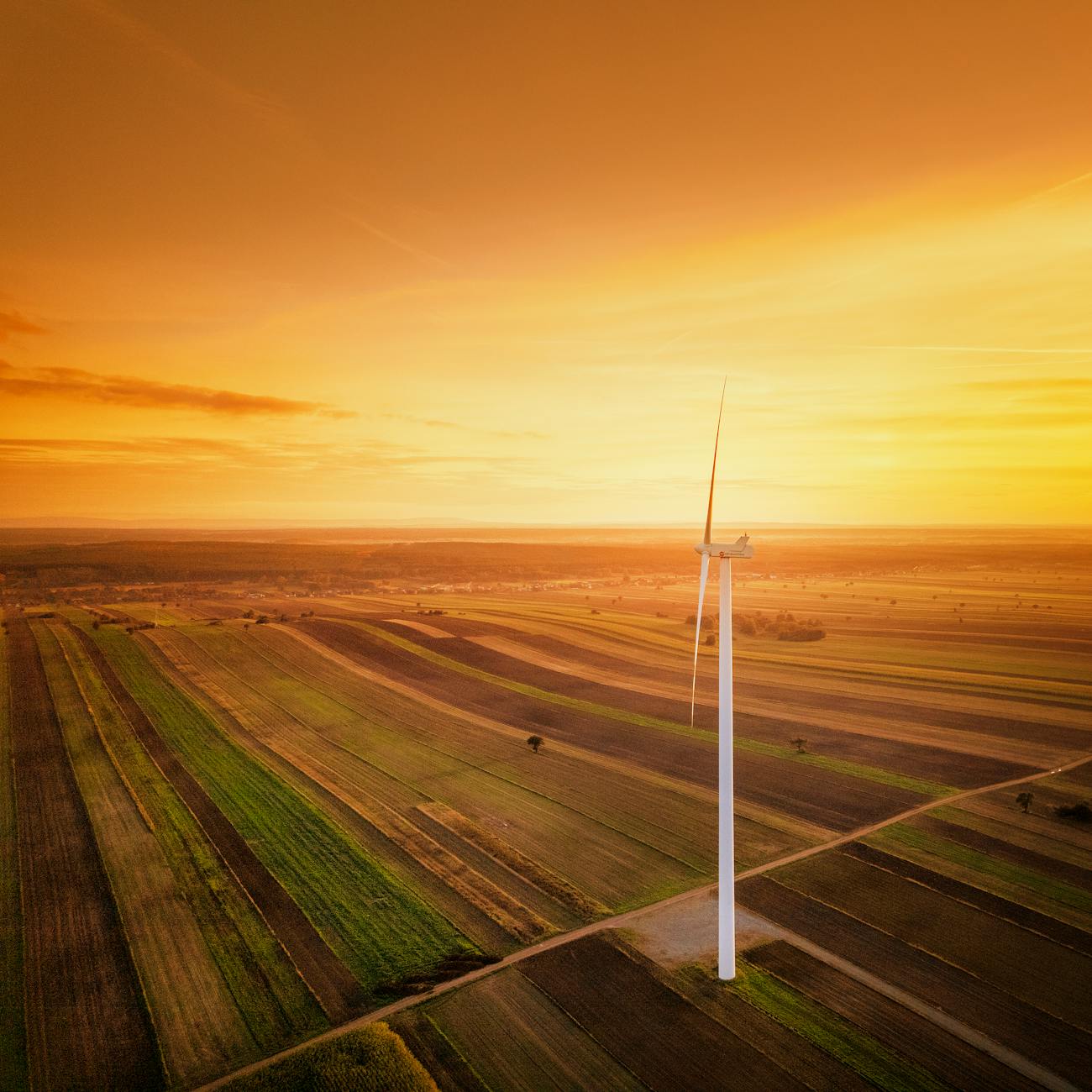
Wind turbines convert wind energy into electricity using wind turbine blades that rotate a generator. Wind turbines can be installed on land or offshore, and can range in size from small, residential-scale turbines to large, utility-scale turbines. Wind turbines are a popular renewable energy source due to their low cost, scalability, and low greenhouse gas emissions.
YieldCo #
A YieldCo is a publicly traded company that owns and operates renewable energy assets, such as wind farms and solar panels. YieldCos are designed to provide stable, long-term returns to investors by distributing the cash flows from their renewable energy assets. YieldCos have become a popular investment vehicle for renewable energy development and deployment.