
Supply Chain Fundamentals
Expert-defined terms from the Professional Certificate in Supply Chain Management and Logistics course at HealthCareStudies (An LSPM brand). Free to read, free to share, paired with a professional course.
A2A stands for Application #
to-Application, which refers to the integration of different applications or systems within an organization to enable seamless data exchange and process automation in supply chain management. Related terms include Application Programming Interface (API) and Electronic Data Interchange (EDI). A2A integration is crucial in supply chain management as it enables real-time data exchange, reduces errors, and increases efficiency.
ABC Analysis is a method used to categorize inventory into three classes #
A, B, and C, based on their value and importance. Class A items are high-value and high-priority, Class B items are moderate-value and moderate-priority, and Class C items are low-value and low-priority. This analysis helps organizations to focus on the most critical items and optimize their inventory management. Related terms include Inventory Management and Just-in-Time (JIT) Production.
Acceptable Quality Level (AQL) refers to the maximum percentage of defect… #
AQL is used to determine the quality of products and to decide whether to accept or reject a batch. Related terms include Quality Control and Statistical Process Control.
Activity #
Based Costing (ABC) is a method of costing that assigns costs to activities and then to products or services based on their usage of those activities. ABC helps organizations to identify inefficient activities and to optimize their cost structure. Related terms include Cost Accounting and Management Accounting.
Aggregate Planning is a strategic planning process that involves determin… #
Aggregate planning helps organizations to balance supply and demand and to optimize their resource allocation. Related terms include Supply Chain Planning and Demand Management.
Agile Supply Chain is a flexible and responsive supply chain that… #
Agile supply chains use advanced technologies and collaborative relationships to achieve high levels of flexibility and responsiveness. Related terms include Lean Supply Chain and Resilient Supply Chain.
Air Freight is a mode of transportation that uses aircraft to move… #
Air freight is often used for high-value or time-sensitive shipments. Related terms include Ocean Freight and Ground Freight.
Andon is a visual system used to communicate problems or issues… #
Andon systems use lights or displays to indicate when a problem occurs, allowing quick response and resolution. Related terms include Total Productive Maintenance (TPM) and Just-in-Time (JIT) Production.
Annualized Hours is a method of scheduling that involves calculating the… #
Annualized hours help organizations to balance labor costs and production levels. Related terms include Flexible Scheduling and Compressed Workweek.
Application Programming Interface (API) is a set of rules and protocol… #
APIs are used to integrate different systems and to enable real-time data exchange. Related terms include Electronic Data Interchange (EDI) and Application-to-Application (A2A).
Approved Vendor List (AVL) is a list of approved suppliers or vendors tha… #
The AVL helps organizations to ensure that they are working with reliable and quality suppliers. Related terms include Supplier Management and Supply Chain Risk Management.
Assembly is the process of combining components or parts to… #
Assembly can be done manually or using automated equipment. Related terms include Manufacturing and Production.
Asset Management is the process of managing and maintaining an org… #
Asset management helps organizations to optimize their asset utilization and to reduce costs. Related terms include Maintenance and Reliability.
Asset Turnover is a metric that measures the efficiency of an orga… #
Asset turnover is calculated by dividing revenue by total assets. Related terms include Return on Assets (ROA) and Return on Investment (ROI).
Audit is a systematic examination of an organization's processes ,… #
Audits can be internal or external. Related terms include Compliance and Risk Management.
Automated Guided Vehicle (AGV) is a vehicle that uses guidance sys… #
AGVs are used to improve efficiency and reduce labor costs. Related terms include Material Handling and Warehouse Management.
Automated Storage and Retrieval System (AS/RS) is a system that uses m… #
AS/RS helps organizations to optimize their inventory management and to reduce labor costs. Related terms include Warehouse Management and Inventory Management.
Available #
to-Promise (ATP) is a metric that measures the quantity of products that are available to promise to customers. ATP is calculated by subtracting outstanding orders from inventory levels. Related terms include Inventory Management and Order Management.
Average Inventory is a metric that measures the average level of <… #
Average inventory is calculated by adding up the beginning and ending inventory levels and dividing by two. Related terms include Inventory Management and Inventory Turnover.
Backflushing is a method of costing that involves assigning costs to prod… #
Backflushing is used to simplify the costing process and to reduce administrative costs. Related terms include Activity-Based Costing (ABC) and Standard Costing.
Backorder is an order that cannot be fulfilled due to a lack of <i… #
Backorders are often used to manage demand when inventory levels are low.
Batch Production is a method of production that involves producing produc… #
Batch production is used to reduce setup costs and to increase efficiency. Related terms include Just-in-Time (JIT) Production and Lean Manufacturing.
Bill of Materials (BOM) is a document that lists the components or… #
The BOM is used to plan and schedule production. Related terms include Production Planning and Inventory Management.
Blanket Order is a type of order that covers a specific quantity o… #
Blanket orders are used to simplify the purchasing process and to reduce administrative costs. Related terms include Purchase Order and Contract Management.
Block Chain is a type of distributed ledger technology that enable… #
Block chain is used to improve supply chain visibility and to reduce counterfeiting. Related terms include Supply Chain Visibility and Cryptocurrency.
Break #
Even Analysis is a method of analysis that involves calculating the point at which an organization's revenue equals its costs. Break-even analysis is used to determine the viability of a project or investment. Related terms include Cost-Benefit Analysis and Return on Investment (ROI).
Buffer Stock is a type of inventory that is held in reserve to mee… #
Buffer stock is used to reduce the risk of stockouts and to improve customer service. Related terms include Safety Stock and Inventory Management.
Build #
to-Order (BTO) is a method of production that involves producing products only after an order has been received. BTO is used to reduce inventory levels and to improve customer satisfaction. Related terms include Just-in-Time (JIT) Production and Mass Customization.
Build #
to-Stock (BTS) is a method of production that involves producing products in advance of demand. BTS is used to reduce lead times and to improve delivery performance. Related terms include Just-in-Time (JIT) Production and Make-to-Stock (MTS).
Business Continuity Planning (BCP) is a process of planning that involves… #
BCP is used to ensure that an organization can continue to operate in the event of a disruption. Related terms include Risk Management and Disaster Recovery.
Business Intelligence (BI) is a set of tools and techniques used t… #
BI is used to improve supply chain visibility and to optimize operations. Related terms include Data Analytics and Supply Chain Visibility.
Business Process Re #
engineering (BPR) is a method of analysis that involves re-designing business processes to improve efficiency and reduce costs. BPR is used to transform business operations and to improve customer satisfaction. Related terms include Process Improvement and Change Management.
Capacity Planning is a process of planning that involves determining the… #
Capacity planning is used to ensure that an organization has the resources needed to meet customer demand. Related terms include Demand Management and Supply Chain Planning.
Capital Expenditure (CapEx) is a type of expenditure that involves invest… #
CapEx is used to improve operations and to increase efficiency. Related terms include Operating Expenditure (OpEx) and Return on Investment (ROI).
Carriage Paid To (CPT) is an incoterm that requires the seller to… #
CPT is used to clarify the responsibilities of the buyer and seller in a transaction. Related terms include Free on Board (FOB) and Cost, Insurance, and Freight (CIF).
Cash Flow is the movement of money into or out of a business over… #
Cash flow is used to measure an organization's liquidity and to predict its future financial performance. Related terms include Working Capital and Financial Management.
Category Management is a method of procurement that involves managing a <… #
Category management is used to reduce costs and to improve supply chain efficiency. Related terms include Strategic Sourcing and Supplier Relationship Management.
Certified Supply Chain Professional (CSCP) is a certification that recogn… #
CSCP is offered by the Association for Supply Chain Management (ASCM). Related terms include Certified Professional in Supply Management (CPSM) and Supply Chain Management.
Change Management is a process of planning that involves managing and … #
Change management is used to minimize disruption and to ensure a smooth transition. Related terms include Business Process Re-engineering (BPR) and Organizational Development.
Cloud Computing is a type of computing that involves delivering comput… #
Cloud computing is used to reduce costs and to increase flexibility. Related terms include Software as a Service (SaaS) and Infrastructure as a Service (IaaS).
Cold Chain is a type of supply chain that involves managing the temper… #
Cold chain is used to preserve the quality of perishable products. Related terms include Supply Chain Management and Logistics.
Collaborative Planning, Forecasting, and Replenishment (CPFR) is a method of … #
CPFR is used to reduce inventory levels and to improve supply chain efficiency. Related terms include Supply Chain Management and Collaborative Commerce.
Commodity is a type of product that is standardized and interch… #
Commodities are often used in production processes. Related terms include Raw Materials and Component Parts.
Component Part is a type of part that is used in the production of… #
Component parts are often purchased from suppliers. Related terms include Raw Materials and Commodity.
Consignment Inventory is a type of inventory that is owned by the supp… #
Consignment inventory is used to reduce inventory levels and to improve supply chain efficiency. Related terms include Vendor-Managed Inventory (VMI) and Just-in-Time (JIT) Production.
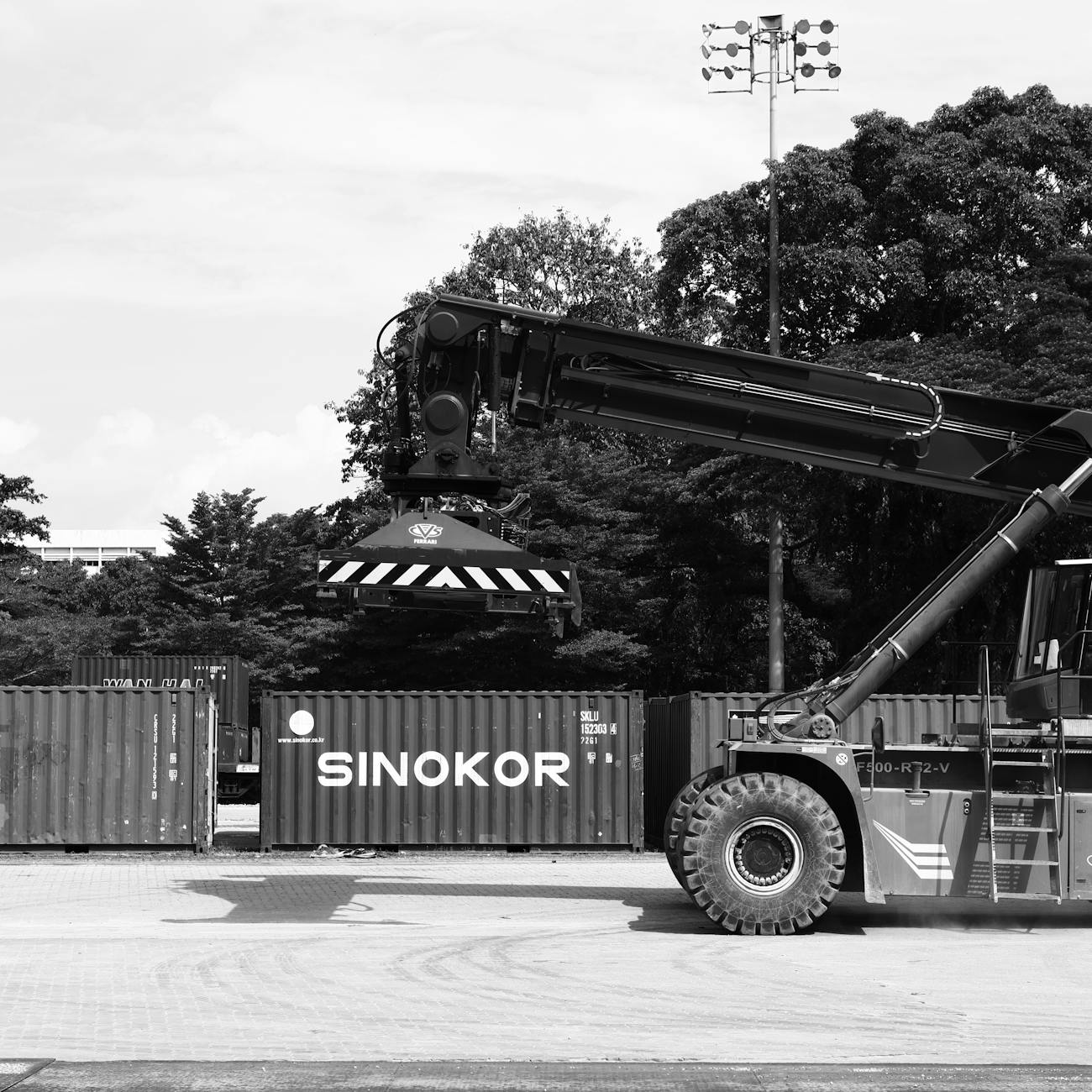
Containerization is a method of shipping that involves using container… #
Containerization is used to reduce handling costs and to improve security. Related terms include Intermodal Transportation and Freight Forwarding.
Contract Management is a process of managing contracts with suppliers<… #
Contract management is used to ensure that contracts are compliant with regulations and to optimize contract terms. Related terms include Supplier Relationship Management and Procurement.
Cost, Insurance, and Freight (CIF) is an incoterm that requires the se… #
CIF is used to clarify the responsibilities of the buyer and seller in a transaction. Related terms include Free on Board (FOB) and Carriage Paid To (CPT).
Cost #
Benefit Analysis is a method of analysis that involves comparing the costs and benefits of a project or investment. Cost-benefit analysis is used to determine the viability of a project or investment. Related terms include Break-Even Analysis and Return on Investment (ROI).
Critical Path Method (CPM) is a method of project management that involve… #
CPM is used to manage project timelines and to ensure that projects are completed on time. Related terms include Program Evaluation and Review Technique (PERT) and Project Management.
Cross #
Docking is a method of warehousing that involves transferring goods from one transportation mode to another without storing them in a warehouse. Cross-docking is used to reduce handling costs and to improve delivery performance. Related terms include Warehousing and Freight Forwarding.
Customer Relationship Management (CRM) is a system that involves managing… #
CRM is used to improve customer satisfaction and to increase loyalty. Related terms include Sales and Marketing.
Cycle Counting is a method of inventory management that involves count… #
Cycle counting is used to ensure that inventory levels are accurate and to reduce errors. Related terms include Inventory Management and Warehouse Management.
Dashboards are visual displays of key performance indicators (KPIs… #
Dashboards are used to provide real-time visibility into supply chain operations. Related terms include Business Intelligence (BI) and Supply Chain Visibility.
Data Analytics is a field that involves analyzing and interpreting … #
Data analytics is used to improve supply chain efficiency and to optimize operations. Related terms include Business Intelligence (BI) and Supply Chain Management.
Days Inventory Outstanding (DIO) is a metric that measures the average… #
DIO is used to evaluate inventory management performance and to identify areas for improvement. Related terms include Inventory Management and Supply Chain Management.
Demand Management is a process of planning that involves managing and … #
Demand management is used to ensure that supply meets demand and to optimize inventory levels. Related terms include Supply Chain Management and Forecasting.
Demand Signal Repository (DSR) is a system that involves collecting and <… #
DSR is used to improve forecasting accuracy and to optimize inventory levels. Related terms include Demand Management and Supply Chain Management.
Dependent Demand is a type of demand that is dependent on the d… #
Dependent demand is used to forecast demand for components or raw materials. Related terms include Independent Demand and Material Requirements Planning (MRP).
Direct Store Delivery (DSD) is a method of delivery that involves deliver… #
DSD is used to reduce inventory levels and to improve delivery performance.
Disaster Recovery is a process of planning that involves preparing for an… #
Disaster recovery is used to ensure that an organization can continue to operate in the event of a disruption. Related terms include Business Continuity Planning (BCP) and Risk Management.
Distribution Requirements Planning (DRP) is a method of planning that inv… #
DRP is used to optimize inventory levels and to improve delivery performance. Related terms include Supply Chain Management and Demand Management.
Duty is a type of tax that is imposed on imported goods #
Duty is used to protect domestic industries and to generate revenue. Related terms include Tariff and Free Trade Agreement.
Economic Order Quantity (EOQ) is a method of analysis that involves deter… #
EOQ is used to minimize costs and to optimize inventory levels.
Electronic Data Interchange (EDI) is a system that involves exchanging <i… #
EDI is used to improve efficiency and to reduce errors. Related terms include Application-to-Application (A2A) and Application Programming Interface (API).
Enterprise Resource Planning (ERP) is a type of software that involves ma… #
ERP is used to improve efficiency and to optimize operations. Related terms include Supply Chain Management and Business Intelligence (BI).
Export is a type of transaction that involves selling products or service… #
Export is used to generate revenue and to expand markets. Related terms include Import and International Trade.
Factory Gate Pricing is a method of pricing that involves setting prices… #
Factory gate pricing is used to simplify pricing and to reduce administrative costs. Related terms include Transfer Pricing and Cost Accounting.
Fill Rate is a metric that measures the percentage of orders</i… #
Fill rate is used to evaluate inventory management performance and to identify areas for improvement.
Finished Goods is a type of inventory that is ready for sale</i… #
Finished goods are often stored in warehouses or distribution centers. Related terms include Work-in-Progress (WIP) and Raw Materials.
First #
In-First-Out (FIFO) is a method of inventory management that involves selling or using the oldest items first. FIFO is used to reduce obsolescence and to improve inventory turnover. Related terms include Last-In-First-Out (LIFO) and Inventory Management.
Forecasting is a process of planning that involves predicting future</… #
Forecasting is used to optimize inventory levels and to improve delivery performance.
Free on Board (FOB) is an incoterm that requires the seller to del… #
FOB is used to clarify the responsibilities of the buyer and seller in a transaction. Related terms include Cost, Insurance, and Freight (CIF) and Carriage Paid To (CPT).
Freight Forwarding is a type of service that involves managing the tra… #
Freight forwarding is used to reduce costs and to improve delivery performance. Related terms include Logistics and Supply Chain Management.
General Agreement on Tariffs and Trade (GATT) is an international agreeme… #
GATT is used to facilitate international trade and to increase economic cooperation. Related terms include World Trade Organization (WTO) and Free Trade Agreement.
Global Trade Management (GTM) is a type of software that involves managin… #
GTM is used to reduce risks and to improve compliance. Related terms include Supply Chain Management and International Trade.
Green Supply Chain is a type of supply chain that involves reducing</b… #
Green supply chain is used to reduce waste and to improve efficiency. Related terms include Sustainable Supply Chain and Environmental Management.
Gross Domestic Product (GDP) is a metric that measures the total v… #
GDP is used to evaluate economic performance and to compare countries. Related terms include Economic Growth and International Trade.
Histogram is a type of chart that involves displaying data in a <b… #
Histogram is used to analyze and to interpret data. Related terms include Data Analytics and Business Intelligence (BI).
Incoterms is a set of rules that defines the responsibilities of t… #
Incoterms is used to clarify the terms of sale and to reduce disputes.
Independent Demand is a type of demand that is independent of the… #
Independent demand is used to forecast demand for finished goods. Related terms include Dependent Demand and Material Requirements Planning (MRP).
Industry 4 #
0 Is a type of initiative that involves using advanced technologies to improve manufacturing and supply chain operations. Industry 4.0 Is used to increase efficiency and to reduce costs. Related terms include Digital Transformation and Supply Chain Management.
Information Technology (IT) is a type of technology that involves using <… #
IT is used to improve efficiency and to optimize operations.
Inspection is a process of examining goods or products to ensure t… #
Inspection is used to reduce defects and to improve quality. Related terms include Quality Control and Supply Chain Management.
Intermodal Transportation is a type of transportation that involves using… #
Intermodal transportation is used to reduce costs and to improve delivery performance.
International Commercial Terms (ICT) is a set of rules that defines the <… #
ICT is used to clarify the terms of sale and to reduce disputes. Related terms include Incoterms and Free on Board (FOB).
International Trade is a type of trade that involves exchanging goods or… #
International trade is used to generate revenue and to expand markets. Related terms include Export and Import.