
Renewable Energy Technologies in Hospitality
Expert-defined terms from the Certificate Programme in Sustainable Energy Practices for Hotels course at HealthCareStudies (An LSPM brand). Free to read, free to share, paired with a professional course.
Aerodynamic Design refers to the optimization of wind flow around buildin… #
In the context of hospitality, aerodynamic design can be applied to hotel buildings to minimize wind resistance and reduce the energy required for heating and cooling. Related terms include building design, wind resistance, and energy efficiency.
Bioenergy is a form of renewable energy that is derived from organic</… #
In the hospitality industry, bioenergy can be used to generate heat and electricity for hotels, reducing their reliance on fossil fuels and lowering their carbon footprint. Related terms include biomass, biofuels, and sustainable energy.
Building Automation System (BAS) is a computer system that controls and m… #
In hotels, a BAS can be used to optimize energy consumption, reduce waste, and improve comfort levels for guests. Related terms include energy management, smart buildings, and facility management.
Building #
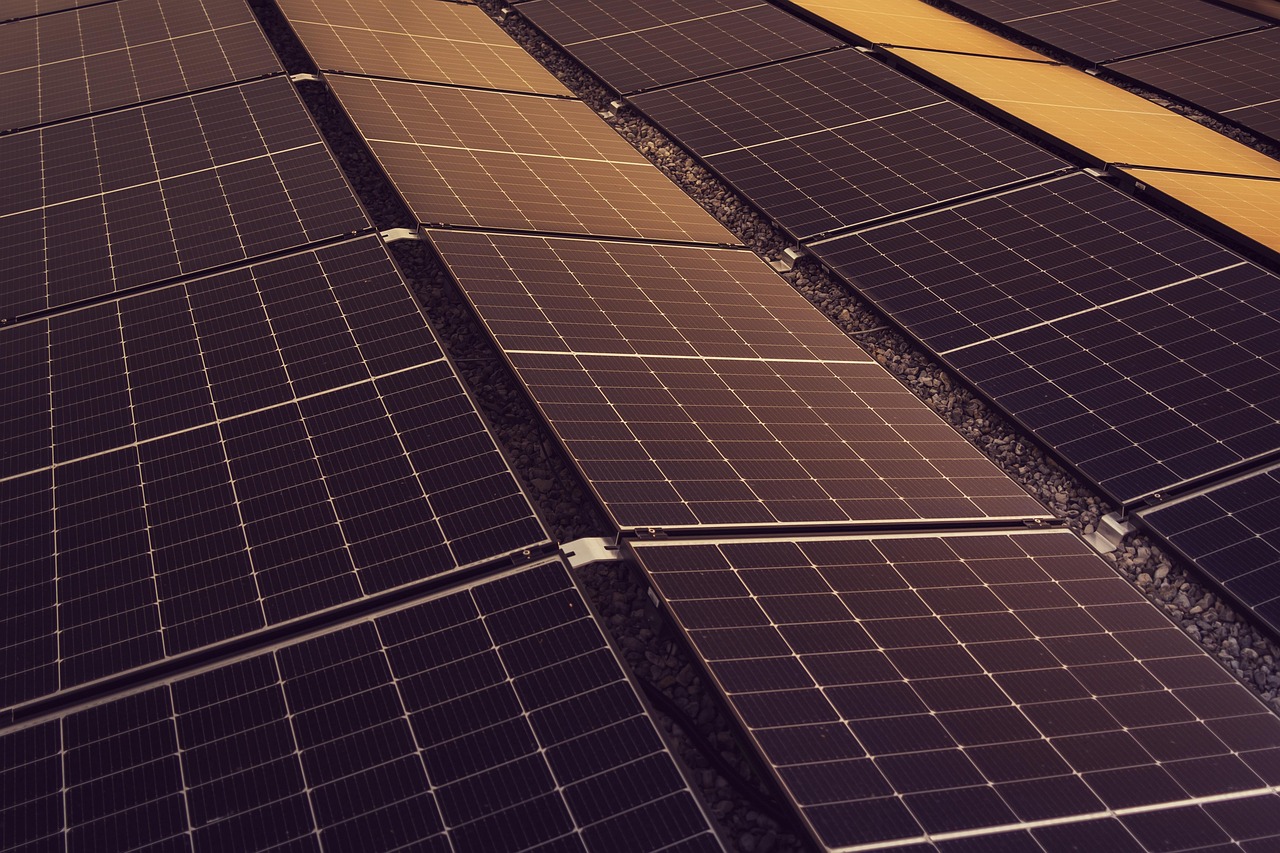
Integrated Photovoltaics (BIPV) refers to the integration of photovoltaic panels into a building's design, such as into the roof or facade. In hotels, BIPV can be used to generate electricity and reduce the building's reliance on non-renewable energy sources. Related terms include solar energy, photovoltaic panels, and renewable energy systems.
Carbon Footprint refers to the amount of greenhouse gas emissions associa… #
In the hospitality industry, carbon footprint reduction is a key goal, and hotels can achieve this by implementing energy-efficient practices, using renewable energy sources, and reducing waste. Related terms include climate change, sustainability, and environmental impact.
Climate Change refers to the long #
term warming of the planet due to the increase in greenhouse gas emissions. In the hospitality industry, climate change poses a significant challenge, and hotels must adapt to its impacts by implementing sustainable practices, reducing their carbon footprint, and promoting environmental awareness. Related terms include global warming, greenhouse effect, and sustainability.
Combined Heat and Power (CHP) is a system that generates both heat … #
In hotels, CHP can be used to reduce energy consumption, lower emissions, and improve energy efficiency. Related terms include cogeneration, trigeneration, and energy efficiency.
Concentrated Solar Power (CSP) is a technology that uses mirrors o… #
In hotels, CSP can be used to provide hot water, space heating, or cooling, reducing the reliance on non-renewable energy sources. Related terms include solar energy, parabolic troughs, and renewable energy systems.
Demand Response refers to the ability of a building or system to a… #
In hotels, demand response can be used to reduce peak demand, lower energy costs, and improve energy efficiency. Related terms include load management, smart grid, and energy management.
Energy Audit is a process of evaluating a building's energy consum… #
In hotels, energy audits can be used to identify areas of energy waste, implement energy-saving measures, and reduce energy costs. Related terms include energy assessment, energy efficiency, and sustainability.
Energy Efficiency refers to the use of less energy to achieve the… #
In hotels, energy efficiency can be achieved through the use of energy-efficient appliances, lighting systems, and heating and cooling systems. Related terms include energy conservation, sustainable energy, and environmental sustainability.
Energy Management System (EMS) is a computer system that monitors and con… #
In hotels, an EMS can be used to optimize energy consumption, reduce energy waste, and improve energy efficiency. Related terms include energy monitoring, smart buildings, and facility management.
Geothermal Energy is a form of renewable energy that is derived from the… #
In hotels, geothermal energy can be used to provide space heating, hot water, and cooling, reducing the reliance on non-renewable energy sources. Related terms include ground source heat, heat pumps, and renewable energy systems.
Green Building refers to a sustainable building that is designed, constru… #
In hotels, green building design and operation can help reduce energy consumption, waste generation, and water usage. Related terms include sustainable design, energy efficiency, and environmental sustainability.
Hybrid Renewable Energy System is a system that combines multiple rene… #
In hotels, hybrid renewable energy systems can be used to reduce reliance on non-renewable energy sources, lower energy costs, and improve energy security. Related terms include renewable energy, sustainable energy, and energy independence.
Hydro Energy is a form of renewable energy that is derived from the po… #
In hotels, hydro energy can be used to generate electricity, provide hot water, or power mechanical systems, reducing the reliance on non-renewable energy sources. Related terms include hydroelectric power, turbines, and renewable energy systems.
Indoor Air Quality (IAQ) refers to the quality of the air inside a buildi… #
In hotels, IAQ is critical to ensuring the health and comfort of guests, and can be improved through the use of air filtration systems, ventilation systems, and indoor air quality monitoring. Related terms include air pollution, indoor environment, and health and safety.
LED Lighting is a type of energy #
efficient lighting that uses light-emitting diodes (LEDs) to produce light. In hotels, LED lighting can be used to reduce energy consumption, lower maintenance costs, and improve lighting quality. Related terms include energy-efficient lighting, solid state lighting, and sustainable lighting.
Microgrid is a local energy system that combines multiple energy s… #
In hotels, microgrids can be used to reduce reliance on non-renewable energy sources, improve energy security, and provide reliable and consistent energy supply. Related terms include distributed energy, energy independence, and renewable energy systems.
Net Zero Energy Building is a building that produces as much energy</i… #
In hotels, net zero energy building design and operation can help reduce energy consumption, lower energy costs, and improve environmental sustainability. Related terms include zero energy building, sustainable design, and energy efficiency.
Passive Solar Design refers to the use of building design and o… #
In hotels, passive solar design can be used to reduce energy consumption, improve indoor air quality, and enhance guest comfort. Related terms include solar design, daylighting, and natural ventilation.
Rainwater Harvesting is the collection and storage of rainwater… #
In hotels, rainwater harvesting can be used to reduce water consumption, lower water costs, and improve water efficiency. Related terms include water conservation, water efficiency, and sustainable water management.
Recycling is the process of collecting and processing materials to… #
In hotels, recycling can be used to reduce waste generation, lower waste disposal costs, and improve environmental sustainability. Related terms include waste reduction, waste management, and sustainable practices.
Renewable Energy Certificate (REC) is a certificate that represents the <… #
In hotels, RECs can be used to offset energy consumption, reduce greenhouse gas emissions, and promote sustainable energy practices. Related terms include renewable energy, green energy, and sustainability.
Smart Grid is an advanced energy management system that integrates… #
In hotels, smart grid systems can be used to optimize energy consumption, reduce energy waste, and improve energy security. Related terms include energy management, smart buildings, and renewable energy systems.
Solar Energy is a form of renewable energy that is derived from the su… #
In hotels, solar energy can be used to generate electricity, provide hot water, or power mechanical systems, reducing the reliance on non-renewable energy sources. Related terms include solar power, photovoltaic panels, and renewable energy systems.
Sustainable Development refers to the practice of meeting the needs of th… #
In hotels, sustainable development can be achieved through the implementation of sustainable practices, such as energy efficiency, waste reduction, and water conservation. Related terms include sustainability, environmental sustainability, and social responsibility.
Thermal Energy Storage (TES) is a system that stores thermal energ… #
In hotels, TES can be used to reduce energy consumption, lower energy costs, and improve energy efficiency. Related terms include thermal storage, energy storage, and renewable energy systems.
Water Conservation refers to the practice of reducing water consum… #
In hotels, water conservation can be used to reduce water consumption, lower water costs, and improve water efficiency. Related terms include water efficiency, water management, and sustainable water practices.
Wind Energy is a form of renewable energy that is derived from the pow… #
In hotels, wind energy can be used to generate electricity, provide hot water, or power mechanical systems, reducing the reliance on non-renewable energy sources. Related terms include wind power, turbines, and renewable energy systems.
Zero Waste is a goal of reducing waste generation to zero ,… #
In hotels, zero waste can be achieved through the implementation of sustainable practices, such as recycling, composting, and waste reduction.