
Introduction to Logistics Automation
Logistics Automation is the use of technology and automated systems to manage and improve the efficiency and effectiveness of logistics operations. In the Executive Certificate in Logistics Automation and Robotics, students will learn about…
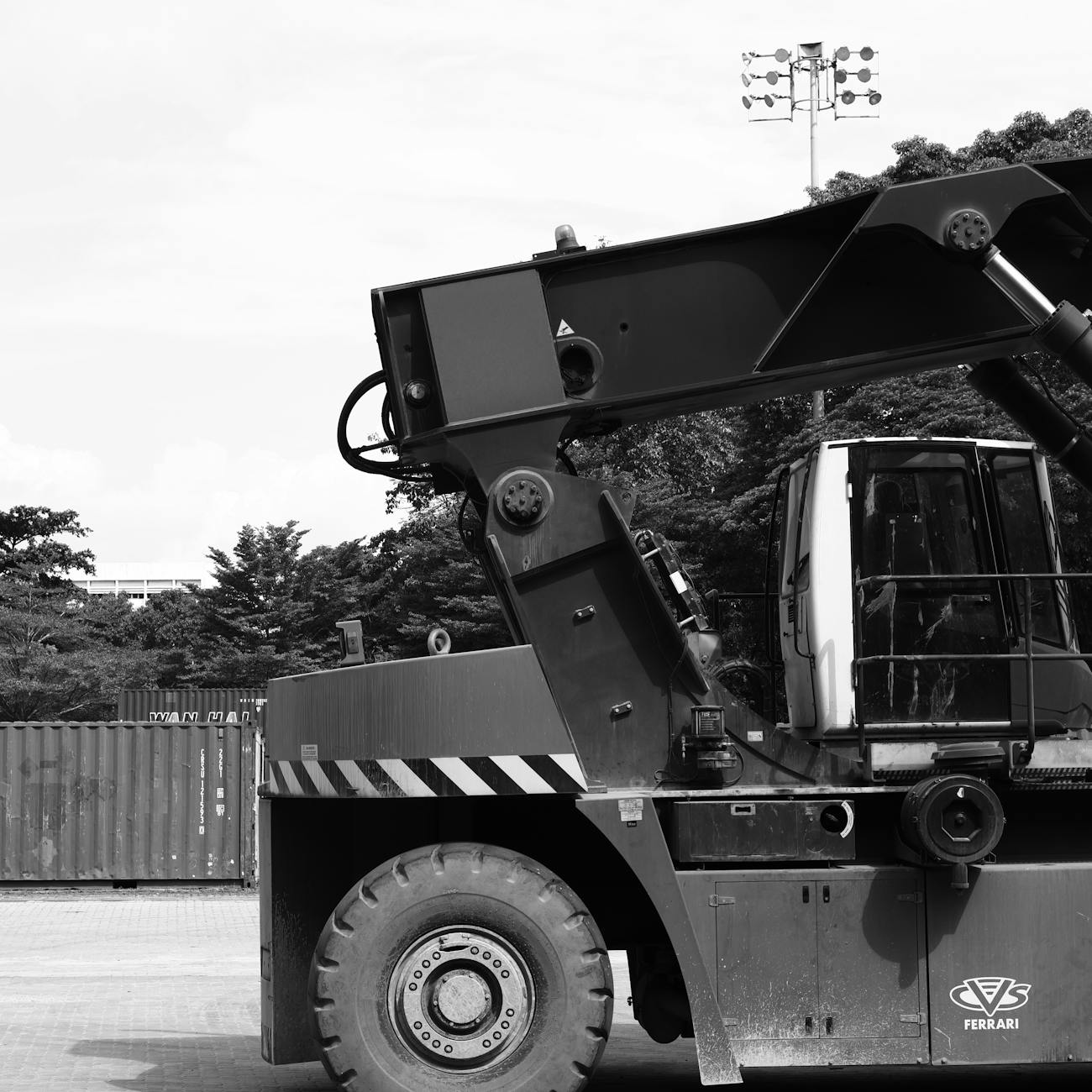
Logistics Automation is the use of technology and automated systems to manage and improve the efficiency and effectiveness of logistics operations. In the Executive Certificate in Logistics Automation and Robotics, students will learn about the key terms and vocabulary related to this field.
1. Logistics: The process of planning, implementing, and controlling the efficient, effective flow and storage of goods, services, and related information from point of origin to point of consumption. 2. Automation: The use of technology and machinery to perform tasks without human intervention. 3. Robotics: The field of study and application of robots, which are machines that can be programmed to perform a variety of tasks. 4. Warehouse Management System (WMS): A software application that helps manage and control the day-to-day operations of a warehouse, including inventory management, order picking and packing, and shipping. 5. Transportation Management System (TMS): A software application that helps manage and optimize the transportation of goods, including route planning, load consolidation, and carrier selection. 6. Supply Chain Management (SCM): The coordination and management of activities involved in the production and delivery of a product or service, including procurement, production, and logistics. 7. Internet of Things (IoT): The network of physical devices, vehicles, buildings, and other items embedded with electronics, software, sensors, and network connectivity that enables these objects to collect and exchange data. 8. Machine Learning (ML): A type of artificial intelligence (AI) that allows systems to automatically improve from experience without being explicitly programmed. 9. Artificial Intelligence (AI): The simulation of human intelligence in machines that are programmed to think and learn like humans. 10. Robotic Process Automation (RPA): The use of software robots or "bots" to automate routine tasks, such as data entry and processing. 11. Autonomous Mobile Robots (AMRs): Mobile robots that are capable of navigating and performing tasks without human intervention. 12. Goods-to-Person (GTP): A warehouse picking method in which robots or automated systems bring items to human pickers, rather than human pickers having to retrieve items from shelves. 13. Automated Guided Vehicle (AGV): A vehicle that follows a pre-determined path using markers or wires in the floor, or sensors to detect boundaries. 14. Drone Delivery: The use of unmanned aerial vehicles (UAVs) to deliver packages and goods. 15. Blockchain: A decentralized, digital ledger that records transactions across multiple computers. 16. Augmented Reality (AR): The integration of digital information with the user's environment in real time, typically through the use of a smartphone or tablet camera. 17. Virtual Reality (VR): A computer-generated simulation of a three-dimensional environment that can be interacted with in a seemingly real or physical way. 18. Cobots: Collaborative robots that are designed to work alongside humans in a shared workspace. 19. Digital Twin: A virtual representation of a physical object or system, used for monitoring, analysis, and prediction. 20. Predictive Maintenance: The use of data and analytics to predict when maintenance will be required, rather than relying on a schedule or manual inspection.
Examples of logistics automation in action include:
* Warehouse Management Systems (WMS) that use automation to manage and control the day-to-day operations of a warehouse, including inventory management, order picking and packing, and shipping. * Transportation Management Systems (TMS) that use automation to optimize the transportation of goods, including route planning, load consolidation, and carrier selection. * Autonomous Mobile Robots (AMRs) that are capable of navigating and performing tasks without human intervention. * Goods-to-Person (GTP) systems that use robots or automated systems to bring items to human pickers, rather than human pickers having to retrieve items from shelves. * Drone delivery systems that use unmanned aerial vehicles (UAVs) to deliver packages and goods.
Practical applications of logistics automation include:
* Increasing efficiency and reducing costs by automating routine tasks such as data entry and processing. * Improving accuracy and reducing errors by using automated systems for tasks such as inventory management and order picking. * Enhancing safety by using robots and automated systems to perform dangerous or repetitive tasks. * Providing real-time visibility and control over logistics operations through the use of Internet of Things (IoT) devices and machine learning algorithms. * Enabling new business models and revenue streams through the use of technologies such as blockchain, augmented reality, and virtual reality.
Challenges of logistics automation include:
* High initial investment costs for automation equipment and software. * The need for specialized skills and training to design, implement, and maintain automated systems. * The potential for job displacement due to automation. * The need to ensure the security and privacy of data collected and transmitted by automated systems. * The need to comply with regulations and standards related to automation and robotics.
In conclusion, Logistics Automation is the use of technology and automated systems to manage and improve the efficiency and effectiveness of logistics operations. With the help of this course, students will be able to understand the key terms and vocabulary related to this field. They will also learn about the examples, practical applications, and challenges of logistics automation. This will help them to make informed decisions when it comes to implementing automation in their own logistics operations.
Key takeaways
- Logistics Automation is the use of technology and automated systems to manage and improve the efficiency and effectiveness of logistics operations.
- Internet of Things (IoT): The network of physical devices, vehicles, buildings, and other items embedded with electronics, software, sensors, and network connectivity that enables these objects to collect and exchange data.
- * Warehouse Management Systems (WMS) that use automation to manage and control the day-to-day operations of a warehouse, including inventory management, order picking and packing, and shipping.
- * Providing real-time visibility and control over logistics operations through the use of Internet of Things (IoT) devices and machine learning algorithms.
- * The need to ensure the security and privacy of data collected and transmitted by automated systems.
- In conclusion, Logistics Automation is the use of technology and automated systems to manage and improve the efficiency and effectiveness of logistics operations.