
Economic Geology and Exploration Strategies
Economic Geology is a branch of geology that focuses on the study of rocks and minerals with a view to understanding the economic potential of mineral deposits. It involves the identification, evaluation, and extraction of mineral resources…
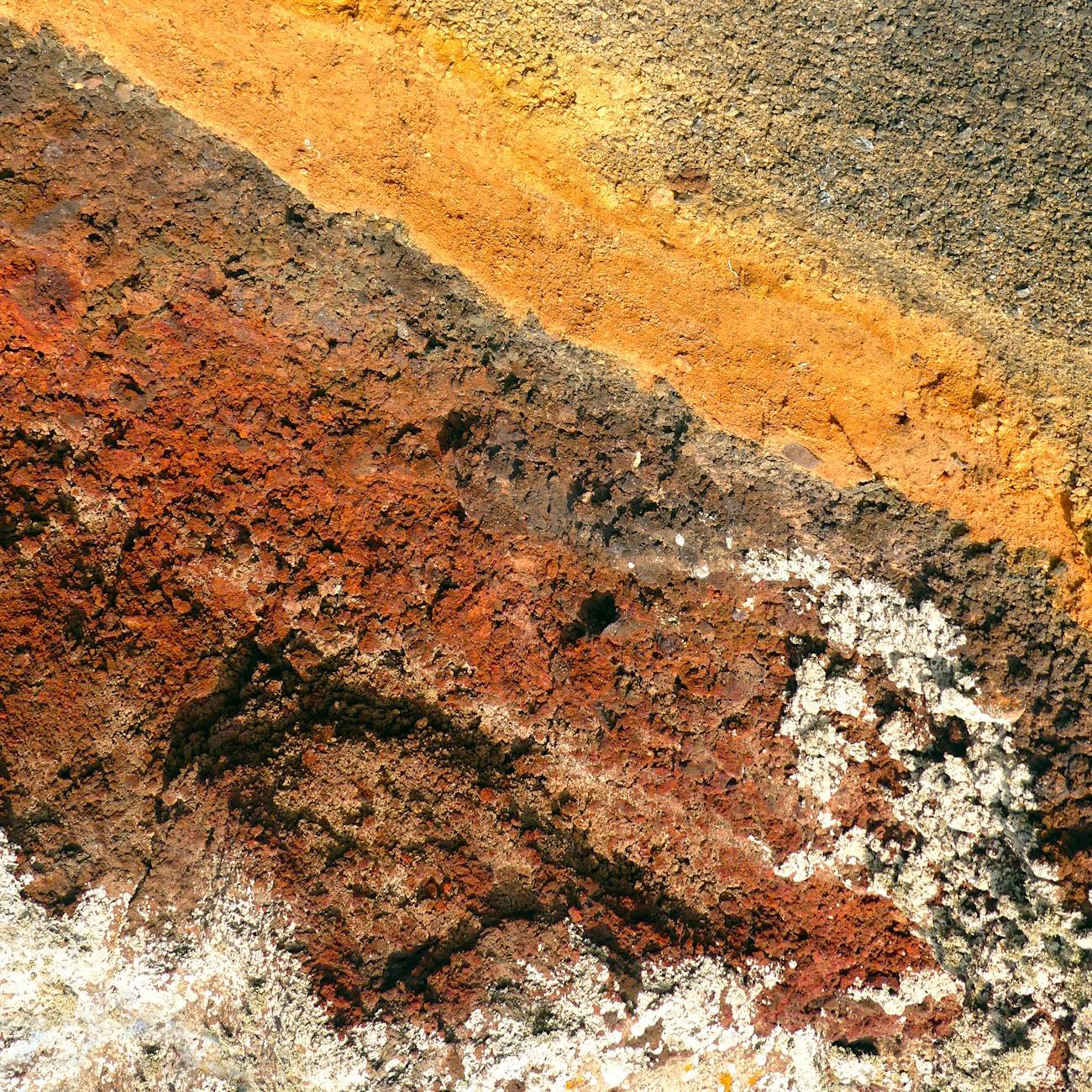
Economic Geology is a branch of geology that focuses on the study of rocks and minerals with a view to understanding the economic potential of mineral deposits. It involves the identification, evaluation, and extraction of mineral resources, as well as the economic factors that influence their development. Economic geologists play a crucial role in the exploration, development, and management of mineral deposits, helping to ensure their sustainable and responsible exploitation.
Exploration Strategies in Economic Geology refer to the methods and techniques used to identify and assess potential mineral deposits. These strategies are essential for minimizing risk and maximizing the chances of discovering economically viable resources. They involve a combination of geological, geochemical, geophysical, and remote sensing techniques, as well as advanced data analysis and modeling. Successful exploration strategies are based on a thorough understanding of the geological setting, mineralization processes, and economic factors that influence the formation and distribution of mineral deposits.
Key Terms:
1. Mineral Deposit: A concentration of minerals that has the potential to be economically exploited. Mineral deposits can vary in size, grade, and mineral composition, and may be classified as metallic (e.g., gold, copper) or non-metallic (e.g., salt, gypsum).
2. Ore Body: A continuous and relatively large volume of mineralized rock that can be mined and processed to extract valuable minerals. Ore bodies are typically characterized by high grades of economic minerals and are the primary target of mineral exploration.
3. Exploration Target: An area or geological feature that is considered prospective for hosting mineral deposits based on geological, geochemical, or geophysical criteria. Exploration targets are identified through systematic exploration programs and are prioritized for further investigation.
4. Prospectivity Mapping: The process of delineating areas with a high potential for mineral exploration based on geological, geophysical, and geochemical data. Prospectivity mapping helps to identify prospective targets and prioritize exploration efforts in mineral-rich regions.
5. Geological Setting: The physical and chemical characteristics of the Earth's crust in a specific area, including rock types, structures, and mineralization processes. The geological setting influences the formation and distribution of mineral deposits and is a key consideration in exploration strategies.
6. Geochemical Analysis: The study of the distribution and abundance of chemical elements in rocks, soils, and waters. Geochemical analysis is used to identify mineralization patterns, trace element anomalies, and pathfinder elements that may indicate the presence of mineral deposits.
7. Geophysical Survey: The measurement and interpretation of variations in the Earth's physical properties, such as magnetic, electrical, and gravity fields. Geophysical surveys are used to map subsurface structures, detect mineralized zones, and guide exploration drilling programs.
8. Remote Sensing: The collection and analysis of data from aerial or satellite-based sensors to map surface geology, vegetation, and land cover. Remote sensing techniques, such as multispectral imaging and radar mapping, are used to identify alteration zones and mineral signatures associated with mineral deposits.
9. Data Integration: The process of combining and interpreting multiple datasets, including geological, geochemical, geophysical, and remote sensing data. Data integration enables geologists to generate comprehensive models of mineral potential and target areas for detailed exploration.
10. Resource Estimation: The calculation of the quantity and grade of mineral resources contained in a deposit based on geological data and sampling results. Resource estimation is a critical step in evaluating the economic viability of a mineral deposit and determining its potential for development.
Exploration Strategies:
1. Reconnaissance Exploration: A preliminary survey of a large area to identify potential targets for further exploration. Reconnaissance exploration involves mapping, sampling, and geophysical surveys to prioritize areas with high prospectivity.
2. Targeted Exploration: A focused investigation of specific geological features or anomalies identified during reconnaissance surveys. Targeted exploration involves detailed geological mapping, geochemical sampling, and geophysical surveys to define exploration targets.
3. Drilling Programs: The use of drilling rigs to extract rock samples from the subsurface for detailed analysis. Drilling programs are essential for testing the continuity, grade, and geometry of mineralized zones and validating exploration targets.
4. Mineralogical Studies: The analysis of mineral assemblages, textures, and paragenesis in rock samples to understand the mineralization processes and ore-forming conditions. Mineralogical studies help to identify key mineral indicators and guide exploration strategies.
5. 3D Modeling: The construction of three-dimensional models of geological structures, mineralization zones, and exploration targets using geological and geophysical data. 3D modeling enables geologists to visualize and interpret complex subsurface features and plan drilling programs effectively.
6. Exploration Risk Assessment: The evaluation of geological, technical, environmental, and economic risks associated with mineral exploration projects. Risk assessment helps to identify potential challenges, uncertainties, and opportunities in exploration strategies and inform decision-making processes.
7. Sustainable Exploration Practices: The adoption of responsible and environmentally conscious exploration techniques to minimize the impact of mineral exploration on ecosystems and local communities. Sustainable exploration practices include land rehabilitation, stakeholder engagement, and compliance with regulatory requirements.
8. Technological Innovation: The integration of advanced technologies, such as drones, artificial intelligence, and machine learning, in mineral exploration processes. Technological innovation enhances data collection, analysis, and interpretation capabilities, leading to more efficient and cost-effective exploration strategies.
Challenges in Economic Geology and Exploration Strategies:
1. Geological Complexity: The heterogeneity and variability of geological formations pose challenges in identifying and characterizing mineral deposits. Geological complexity can result in uncertainty in exploration targeting and resource estimation, requiring advanced data analysis and modeling techniques.
2. Exploration Risk: The inherent uncertainty and risk associated with mineral exploration projects, including technical, financial, and environmental risks. Managing exploration risk requires thorough risk assessment, contingency planning, and stakeholder engagement to mitigate potential impacts.
3. Sustainable Development: Balancing the economic benefits of mineral exploration with environmental conservation and social responsibility. Sustainable development practices are essential to ensure the long-term viability of mineral projects and minimize negative impacts on ecosystems and communities.
4. Data Integration: The integration of diverse datasets from multiple sources, including geological, geochemical, geophysical, and remote sensing data. Data integration challenges include data compatibility, quality control, and interpretation, requiring interdisciplinary collaboration and expertise.
5. Regulatory Compliance: Adhering to regulatory requirements and permitting processes in mineral exploration projects. Regulatory compliance involves obtaining exploration licenses, environmental approvals, and community consultation, which can be time-consuming and complex.
6. Stakeholder Engagement: Engaging with local communities, indigenous groups, government agencies, and other stakeholders in mineral exploration projects. Stakeholder engagement is essential for building trust, addressing concerns, and creating shared value in mineral development activities.
7. Infrastructure Access: The availability of infrastructure, such as roads, power supply, and water resources, in remote and challenging exploration areas. Access to infrastructure can impact the cost, logistics, and feasibility of mineral exploration programs, requiring careful planning and coordination.
8. Market Volatility: Fluctuations in commodity prices, market demand, and global economic conditions that influence the economic viability of mineral projects. Market volatility can affect investment decisions, project financing, and revenue generation in mineral exploration and development.
In conclusion, Economic Geology and Exploration Strategies play a crucial role in the sustainable development of mineral resources, providing valuable insights into the geological potential, economic viability, and environmental impact of mineral projects. By applying advanced exploration techniques, integrating diverse datasets, and addressing key challenges, geologists can enhance the efficiency and effectiveness of mineral exploration programs, contributing to the responsible exploitation of mineral resources for the benefit of society and the environment.
Key takeaways
- Economic geologists play a crucial role in the exploration, development, and management of mineral deposits, helping to ensure their sustainable and responsible exploitation.
- Successful exploration strategies are based on a thorough understanding of the geological setting, mineralization processes, and economic factors that influence the formation and distribution of mineral deposits.
- Mineral deposits can vary in size, grade, and mineral composition, and may be classified as metallic (e.
- Ore Body: A continuous and relatively large volume of mineralized rock that can be mined and processed to extract valuable minerals.
- Exploration Target: An area or geological feature that is considered prospective for hosting mineral deposits based on geological, geochemical, or geophysical criteria.
- Prospectivity Mapping: The process of delineating areas with a high potential for mineral exploration based on geological, geophysical, and geochemical data.
- Geological Setting: The physical and chemical characteristics of the Earth's crust in a specific area, including rock types, structures, and mineralization processes.