
Solid Waste Management
Solid Waste Management is a crucial aspect of modern sanitation engineering, aimed at effectively handling, treating, and disposing of waste to protect public health and the environment. In this course, the Postgraduate Certificate in Sanit…
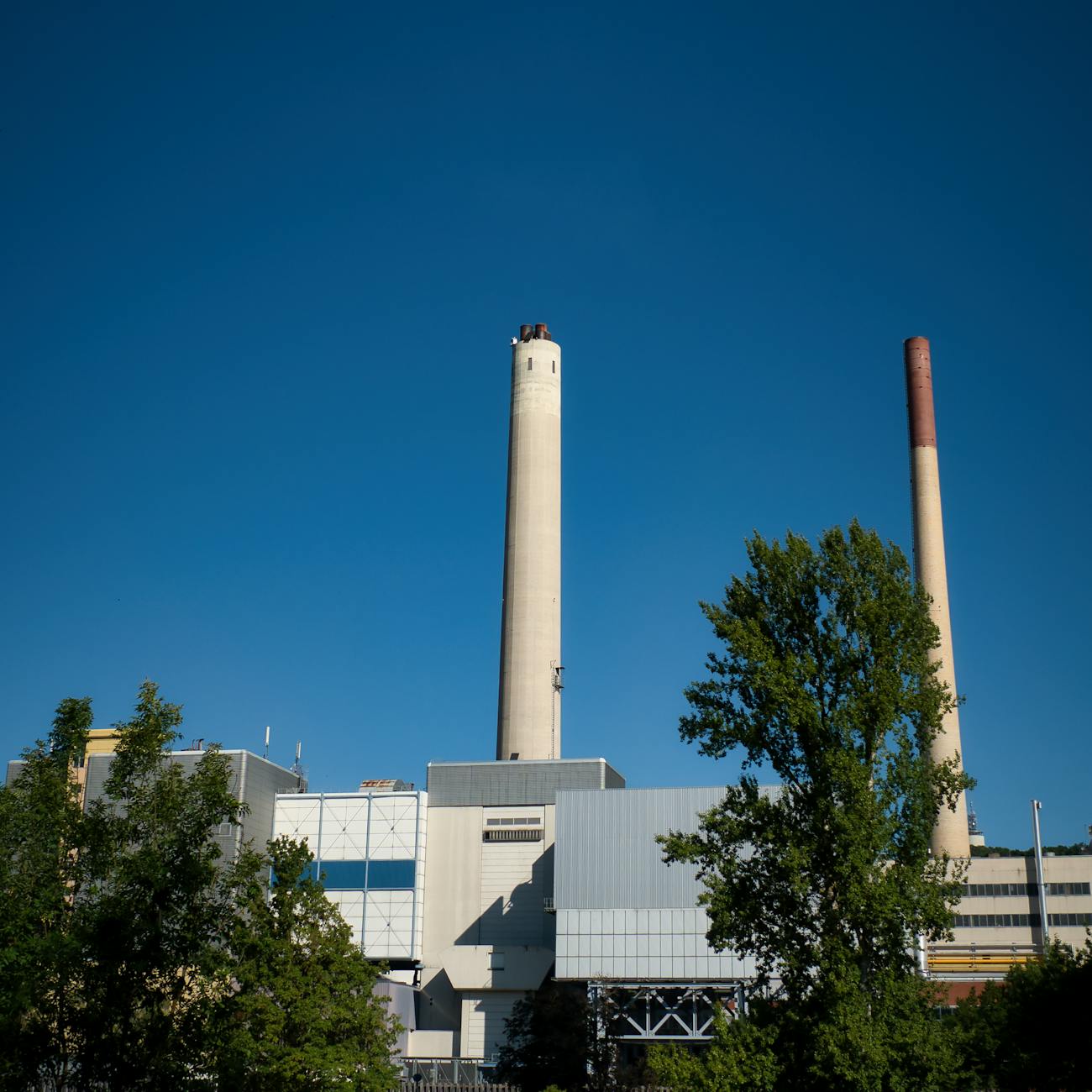
Solid Waste Management is a crucial aspect of modern sanitation engineering, aimed at effectively handling, treating, and disposing of waste to protect public health and the environment. In this course, the Postgraduate Certificate in Sanitary Engineering, students will delve into the key terms and vocabulary essential for understanding the principles, practices, and challenges of managing solid waste.
Waste Generation:
Solid waste refers to any non-liquid, non-gaseous material discarded as unwanted or useless. It can be generated from various sources, including residential, commercial, industrial, and institutional activities. Understanding the different sources of waste generation is essential for implementing appropriate management strategies to tackle specific waste streams effectively.
Waste Composition:
Waste composition refers to the physical and chemical characteristics of solid waste, including its moisture content, density, organic matter content, and presence of hazardous materials. Analyzing waste composition helps in designing suitable treatment and disposal methods, such as recycling, composting, or landfilling, based on the waste's properties.
Waste Segregation:
Waste segregation involves sorting waste into different categories based on its characteristics, such as biodegradability, recyclability, or hazardousness. Proper segregation at the source enables efficient waste management practices, such as recycling and composting, while reducing the volume of waste sent to landfills or incinerators.
Waste Collection:
Waste collection is the process of gathering and transporting solid waste from its source to treatment or disposal facilities. It includes the use of various collection methods, such as curbside pickup, containerized collection, or transfer stations, to ensure timely and efficient removal of waste while minimizing environmental impacts.
Waste Transportation:
Waste transportation involves moving collected waste from collection points to treatment or disposal sites using trucks, trains, or other modes of transportation. Proper transportation planning is crucial to avoid delays, reduce emissions, and ensure safe handling of waste during transit.
Waste Treatment:
Waste treatment refers to the processes used to modify the physical, chemical, or biological characteristics of waste to reduce its volume, toxicity, or environmental impact. Common treatment methods include composting, recycling, anaerobic digestion, and incineration, each suitable for different types of waste based on their properties.
Waste Disposal:
Waste disposal is the final stage of solid waste management, where residual waste that cannot be recycled, composted, or treated further is disposed of in landfills, waste-to-energy plants, or other facilities. Proper disposal practices are essential to prevent pollution, leachate contamination, and greenhouse gas emissions.
Recycling:
Recycling is the process of converting waste materials into new products to prevent waste of potentially useful resources, conserve energy, and reduce the environmental impact of waste disposal. Common recyclable materials include paper, plastic, glass, metal, and electronic waste, which can be reprocessed and reused in manufacturing.
Composting:
Composting is a natural process that decomposes organic waste materials, such as food scraps, yard waste, and agricultural residues, into nutrient-rich soil amendments called compost. Composting helps divert organic waste from landfills, reduce greenhouse gas emissions, and improve soil health when used as a fertilizer.
Incineration:
Incineration is a waste treatment technology that involves burning solid waste at high temperatures to convert it into ash, gases, and heat energy. While incineration reduces waste volume and generates electricity or heat, it can also release air pollutants and require strict emissions control measures to protect public health.
Landfilling:
Landfilling is the most common method of waste disposal, involving burying waste in designated landfill sites and covering it with soil to minimize environmental impacts. Landfills must meet strict regulatory requirements to prevent groundwater contamination, methane emissions, and odor nuisances from decomposing waste.
Hazardous Waste:
Hazardous waste is waste that poses a substantial threat to human health or the environment due to its chemical, physical, or biological properties. Examples of hazardous waste include batteries, paints, solvents, and medical waste, which require special handling, treatment, and disposal to prevent pollution and contamination.
Waste Minimization:
Waste minimization is the practice of reducing the generation of waste at its source by adopting sustainable production processes, resource efficiency, and product design. By minimizing waste generation, businesses and individuals can lower costs, conserve resources, and reduce their environmental footprint.
Extended Producer Responsibility (EPR):
Extended Producer Responsibility is a policy approach that holds manufacturers responsible for the environmental impact of their products throughout their lifecycle, including waste management and disposal. EPR aims to incentivize producers to design products for recyclability, reuse, and safe disposal to reduce waste generation.
Circular Economy:
The circular economy is an economic model that aims to eliminate waste and promote resource efficiency by closing the loop on material flows through recycling, reuse, and remanufacturing. By shifting from a linear "take-make-dispose" model to a circular one, businesses and societies can reduce waste, conserve resources, and create sustainable value.
Waste-to-Energy:
Waste-to-energy is a technology that converts solid waste into electricity, heat, or fuel through incineration, gasification, or anaerobic digestion. While waste-to-energy facilities can help reduce landfilling and generate renewable energy, they also raise concerns about air emissions, ash disposal, and resource competition.
Decentralized Waste Management:
Decentralized waste management involves managing waste at a local or community level, closer to its source of generation, rather than relying on centralized facilities. This approach can improve waste collection efficiency, promote community engagement, and reduce transportation costs and environmental impacts.
Bioremediation:
Bioremediation is a waste treatment technology that uses biological organisms, such as bacteria, fungi, or plants, to degrade or detoxify pollutants in soil, water, or air. In the context of solid waste management, bioremediation can be used to treat contaminated landfills, compost organic waste, or remediate polluted sites.
Waste Auditing:
Waste auditing is the process of systematically assessing and analyzing the composition, volume, and sources of waste generated by a facility or community. By conducting waste audits, organizations can identify opportunities for waste reduction, recycling, and resource recovery to improve their waste management practices.
Life Cycle Assessment (LCA):
Life Cycle Assessment is a methodology used to evaluate the environmental impacts of a product, process, or service throughout its entire lifecycle, from raw material extraction to end-of-life disposal. LCA helps identify opportunities to reduce energy consumption, emissions, and waste generation by optimizing resource use and production processes.
Waste Management Regulations:
Waste management regulations are laws, policies, and standards set by governments to regulate the collection, treatment, disposal, and recycling of solid waste to protect public health and the environment. Compliance with waste management regulations is essential for ensuring safe and sustainable waste management practices.
Public Awareness and Education:
Public awareness and education play a vital role in promoting waste reduction, recycling, and sustainable waste management practices among individuals, communities, and businesses. By raising awareness about the importance of waste management and providing education on proper waste handling, segregation, and disposal, the public can actively contribute to environmental protection and resource conservation.
Waste Management Challenges:
Solid waste management faces various challenges, including rapid urbanization, population growth, inadequate infrastructure, limited financial resources, and lack of public awareness. Addressing these challenges requires integrated waste management strategies, stakeholder collaboration, technology innovation, and policy support to build a sustainable waste management system.
In conclusion, mastering the key terms and vocabulary related to Solid Waste Management is essential for students pursuing the Postgraduate Certificate in Sanitary Engineering. By understanding the principles, practices, and challenges of managing solid waste, students can develop effective solutions to address waste generation, treatment, disposal, and recycling in a sustainable and environmentally friendly manner.
Key takeaways
- In this course, the Postgraduate Certificate in Sanitary Engineering, students will delve into the key terms and vocabulary essential for understanding the principles, practices, and challenges of managing solid waste.
- Understanding the different sources of waste generation is essential for implementing appropriate management strategies to tackle specific waste streams effectively.
- Waste composition refers to the physical and chemical characteristics of solid waste, including its moisture content, density, organic matter content, and presence of hazardous materials.
- Proper segregation at the source enables efficient waste management practices, such as recycling and composting, while reducing the volume of waste sent to landfills or incinerators.
- It includes the use of various collection methods, such as curbside pickup, containerized collection, or transfer stations, to ensure timely and efficient removal of waste while minimizing environmental impacts.
- Waste transportation involves moving collected waste from collection points to treatment or disposal sites using trucks, trains, or other modes of transportation.
- Waste treatment refers to the processes used to modify the physical, chemical, or biological characteristics of waste to reduce its volume, toxicity, or environmental impact.