
Mobile Learning Strategies
Mobile Learning Strategies
Mobile Learning Strategies
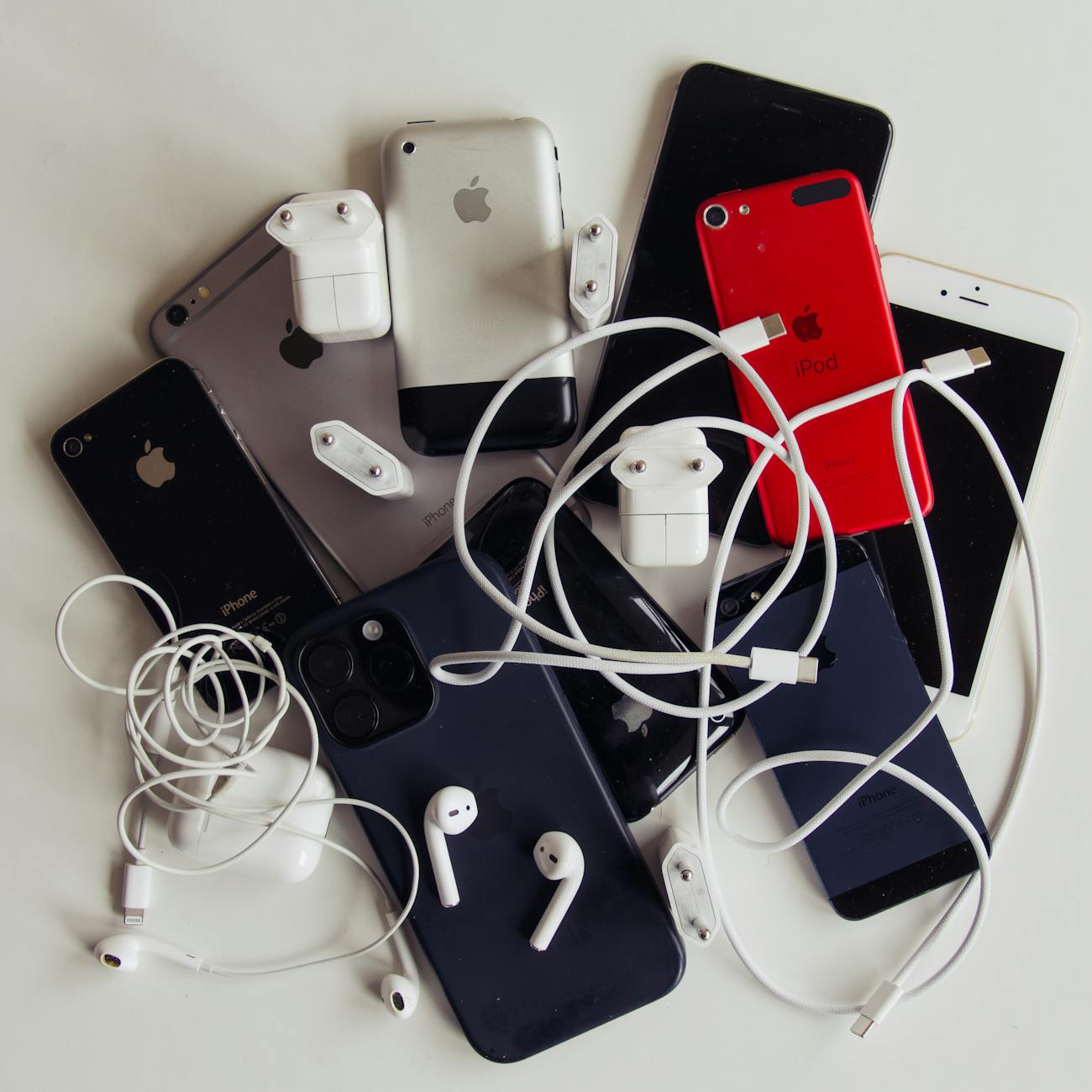
Mobile learning, or m-learning, refers to the use of mobile devices such as smartphones, tablets, and wearable technology to facilitate learning and educational activities. It offers learners the flexibility to access educational content anytime, anywhere, making it a popular choice for modern educators looking to engage students in a more personalized and interactive way.
Mobile learning strategies are essential for effectively integrating mobile devices into educational settings. These strategies help educators leverage the capabilities of mobile technology to enhance learning outcomes and provide a seamless learning experience for students. In this course, we will explore key terms and vocabulary related to mobile learning strategies to help you develop a deeper understanding of how to effectively incorporate mobile devices into your teaching practice.
Key Terms and Concepts
1. Mobile Learning: Mobile learning refers to the use of mobile devices to deliver educational content and facilitate learning activities. It enables learners to access learning materials on-the-go and engage with course content at their convenience.
2. M-learning: M-learning is a shortened form of mobile learning and is often used interchangeably with the term mobile learning. It emphasizes the use of mobile devices for learning purposes and highlights the flexibility and mobility that mobile technology offers.
3. BYOD (Bring Your Own Device): BYOD refers to a policy that allows students to use their personal mobile devices for educational purposes in the classroom. This strategy promotes student engagement and encourages the integration of technology into teaching and learning practices.
4. Responsive Design: Responsive design is a web design approach that ensures websites and content are optimized for viewing on various devices, including mobile phones and tablets. It allows for a seamless user experience across different screen sizes and resolutions.
5. App-Based Learning: App-based learning involves the use of educational apps to deliver course content, interactive activities, and assessments. These apps are designed to engage learners and provide a more immersive learning experience through gamification and multimedia elements.
6. Microlearning: Microlearning refers to the delivery of bite-sized learning modules that focus on specific topics or learning objectives. This approach is well-suited for mobile learning as it allows learners to consume content in short, digestible chunks.
7. Flipped Classroom: The flipped classroom model involves students engaging with course content outside of class through videos, readings, or online activities, and using class time for interactive discussions, group work, and hands-on activities. Mobile devices play a crucial role in supporting the flipped classroom approach.
8. Augmented Reality (AR): Augmented reality is a technology that overlays digital content on the real world, enhancing the user's perception of their environment. AR can be used in mobile learning to create interactive and immersive learning experiences, such as virtual field trips or simulations.
9. Virtual Reality (VR): Virtual reality is a technology that immerses users in a simulated environment, allowing them to interact with digital content in a three-dimensional space. VR can be used in mobile learning to provide realistic simulations and hands-on experiences for learners.
10. Gamification: Gamification involves incorporating game elements, such as points, badges, and leaderboards, into non-game contexts like education. Mobile learning platforms often use gamification to increase learner engagement, motivation, and retention of course content.
Practical Applications
1. Language Learning: Mobile devices are ideal tools for language learning as they enable students to practice listening, speaking, reading, and writing skills on-the-go. Language learning apps like Duolingo and Babbel offer interactive lessons and vocabulary drills tailored to individual proficiency levels.
2. Science Experiments: Mobile devices can be used to conduct virtual science experiments through simulations and interactive apps. Students can explore scientific concepts in a safe and controlled environment, enhancing their understanding of complex scientific principles.
3. Field Trips: Virtual field trips using AR or VR technology allow students to explore historical sites, museums, and natural landscapes without leaving the classroom. Mobile devices can provide an immersive and interactive learning experience, bringing the world to students' fingertips.
4. Collaborative Projects: Mobile devices facilitate collaboration among students through shared documents, messaging apps, and collaborative platforms. Students can work together on group projects, peer reviews, and discussions, fostering teamwork and communication skills.
5. Personalized Learning: Mobile learning platforms can adapt to individual learning styles and preferences, providing personalized recommendations and feedback to students. Adaptive learning algorithms analyze student performance data to deliver tailored content and support.
6. Assessment and Feedback: Mobile devices enable real-time assessment and feedback, allowing educators to track student progress, provide immediate feedback, and adjust instruction accordingly. Quizzes, polls, and surveys can be conducted through mobile apps to gauge student understanding and engagement.
Challenges and Considerations
1. Device Compatibility: Ensuring that educational content is accessible across different devices and operating systems can be a challenge. Educators need to consider device compatibility issues when designing mobile learning materials to reach a diverse student population.
2. Digital Divide: The digital divide refers to the gap between individuals who have access to technology and those who do not. Educators must address issues of equity and inclusivity in mobile learning initiatives to ensure all students have equal opportunities for learning.
3. Distractions and Misuse: Mobile devices can be a source of distractions and misuse in the classroom if not properly managed. Educators need to establish clear guidelines and expectations for device use to minimize distractions and promote focused learning.
4. Privacy and Security: Protecting student data and ensuring the privacy and security of online interactions are critical considerations in mobile learning. Educators must adhere to data protection regulations and implement robust security measures to safeguard sensitive information.
5. Technical Support and Training: Providing technical support and training for educators and students is essential for successful implementation of mobile learning strategies. Educators need to be proficient in using mobile devices and educational apps to effectively integrate technology into their teaching practice.
6. Screen Time and Health Concerns: Excessive screen time and prolonged use of mobile devices can have negative effects on students' health and well-being. Educators should promote healthy technology habits and encourage breaks from screen-based activities to support students' overall health and development.
Conclusion
In conclusion, mobile learning strategies offer a wide range of opportunities for enhancing teaching and learning experiences in educational settings. By understanding key terms and concepts related to mobile learning, educators can effectively incorporate mobile devices into their teaching practice and create engaging and interactive learning environments for students. However, it is essential to consider practical applications, challenges, and considerations to ensure the successful implementation of mobile learning initiatives and address the diverse needs of learners in the digital age.
Key takeaways
- It offers learners the flexibility to access educational content anytime, anywhere, making it a popular choice for modern educators looking to engage students in a more personalized and interactive way.
- In this course, we will explore key terms and vocabulary related to mobile learning strategies to help you develop a deeper understanding of how to effectively incorporate mobile devices into your teaching practice.
- Mobile Learning: Mobile learning refers to the use of mobile devices to deliver educational content and facilitate learning activities.
- It emphasizes the use of mobile devices for learning purposes and highlights the flexibility and mobility that mobile technology offers.
- BYOD (Bring Your Own Device): BYOD refers to a policy that allows students to use their personal mobile devices for educational purposes in the classroom.
- Responsive Design: Responsive design is a web design approach that ensures websites and content are optimized for viewing on various devices, including mobile phones and tablets.
- App-Based Learning: App-based learning involves the use of educational apps to deliver course content, interactive activities, and assessments.