
GIS and Remote Sensing Applications in Wildlife Conservation
GIS and Remote Sensing Applications in Wildlife Conservation
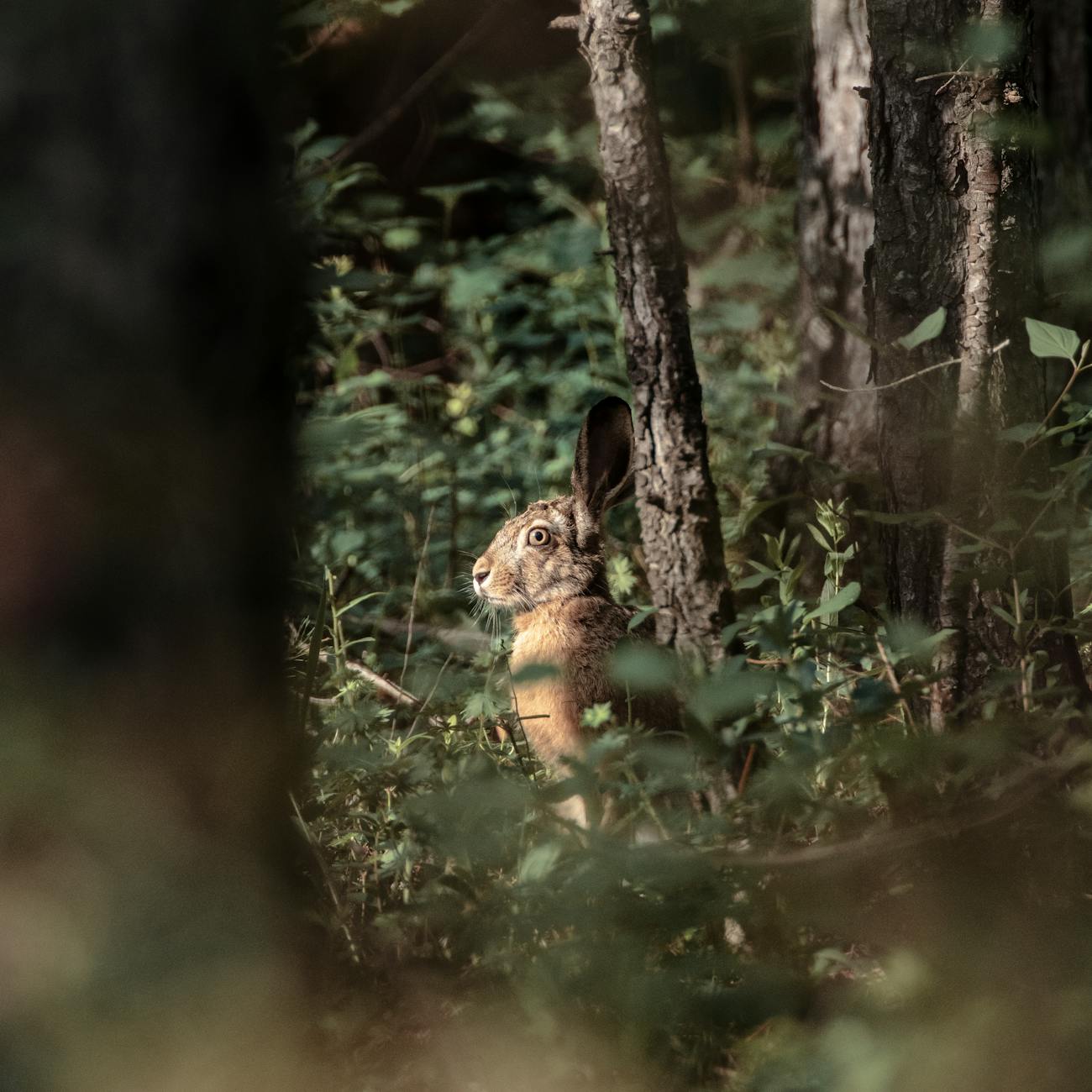
GIS and Remote Sensing Applications in Wildlife Conservation
Wildlife conservation is a critical aspect of preserving biodiversity and maintaining ecosystem balance. Geographic Information Systems (GIS) and Remote Sensing technologies play a crucial role in effectively managing and protecting wildlife habitats. These tools provide valuable data and insights that aid conservationists in making informed decisions to safeguard endangered species and their environments.
GIS (Geographic Information Systems)
GIS is a powerful tool that allows users to capture, store, manipulate, analyze, manage, and present spatial or geographic data. It enables conservationists to visualize patterns, relationships, and trends in wildlife habitats, helping them make informed decisions for conservation efforts.
GIS can be used in wildlife conservation for various purposes, including:
1. **Habitat Mapping:** GIS can be used to create detailed maps of wildlife habitats, including critical areas such as breeding grounds, migration routes, and feeding areas. By mapping these habitats, conservationists can prioritize areas for protection and restoration.
2. **Species Distribution Modeling:** GIS can help predict the distribution of species based on environmental variables such as temperature, precipitation, and land cover. This information is crucial for understanding species' habitats and planning conservation strategies.
3. **Corridor Mapping:** GIS can be used to identify and map wildlife corridors, which are essential for connecting fragmented habitats and facilitating species movement. By mapping corridors, conservationists can prioritize conservation efforts to maintain connectivity between habitats.
4. **Monitoring and Management:** GIS enables real-time monitoring of wildlife populations, including tracking movements, population trends, and habitat changes. Conservationists can use GIS data to make informed decisions on habitat management, population control, and conservation planning.
5. **Decision Support Systems:** GIS can be integrated with other data sources, such as remote sensing data and field surveys, to create decision support systems for wildlife conservation. These systems help conservationists analyze complex data and scenarios to make effective conservation decisions.
Remote Sensing
Remote sensing refers to the collection of data from a distance, typically using sensors mounted on satellites, drones, or aircraft. Remote sensing technology provides valuable information on land cover, land use, vegetation health, and other environmental variables, which are essential for wildlife conservation efforts.
Remote sensing can be used in wildlife conservation for various applications, including:
1. **Habitat Monitoring:** Remote sensing data can be used to monitor changes in wildlife habitats, such as deforestation, habitat fragmentation, and land degradation. Conservationists can use this information to assess the impact of human activities on wildlife habitats and plan conservation interventions.
2. **Vegetation Analysis:** Remote sensing data can provide information on vegetation cover, biomass, and health, which are crucial for assessing habitat quality and food availability for wildlife species. Conservationists can use this data to monitor vegetation changes and plan habitat restoration projects.
3. **Deforestation Detection:** Remote sensing technology can detect deforestation activities, illegal logging, and forest degradation in wildlife habitats. Conservationists can use this information to identify areas at risk and prioritize conservation efforts to prevent further habitat loss.
4. **Wildlife Monitoring:** Remote sensing can be used to monitor wildlife populations, track movements, and assess population trends. Conservationists can use satellite imagery and drone data to estimate population sizes, study behavior patterns, and identify potential threats to wildlife species.
5. **Climate Change Impact Assessment:** Remote sensing data can be used to assess the impact of climate change on wildlife habitats, such as changes in temperature, precipitation, and habitat suitability. Conservationists can use this information to develop adaptation strategies for wildlife species facing climate-related challenges.
Challenges and Limitations
While GIS and Remote Sensing technologies offer valuable tools for wildlife conservation, there are several challenges and limitations that conservationists may face when using these technologies:
1. **Data Availability:** Access to quality data, such as high-resolution satellite imagery and accurate field data, can be a challenge for conservationists working in remote or data-scarce areas. Limited data availability can affect the accuracy and reliability of conservation assessments and decision-making.
2. **Data Processing and Analysis:** Processing and analyzing large volumes of spatial data can be time-consuming and resource-intensive. Conservationists may require specialized skills and tools to effectively analyze GIS and Remote Sensing data for conservation purposes.
3. **Cost:** Acquiring and maintaining GIS and Remote Sensing technologies, such as satellite imagery, drones, and software licenses, can be costly for conservation organizations with limited budgets. Cost-effective solutions and partnerships may be needed to overcome financial barriers.
4. **Technical Expertise:** Using GIS and Remote Sensing technologies requires specialized technical skills and knowledge. Conservationists may need training and capacity-building to effectively utilize these tools for wildlife conservation applications.
5. **Integration with Other Data Sources:** Integrating GIS and Remote Sensing data with other data sources, such as field surveys, camera traps, and genetic studies, can be challenging. Conservationists need to ensure data interoperability and consistency to make informed decisions for wildlife conservation.
Practical Applications
Despite the challenges, GIS and Remote Sensing technologies have been successfully applied in various wildlife conservation projects around the world. Some practical applications include:
1. **Tiger Conservation:** GIS and Remote Sensing technologies have been used to monitor tiger populations, identify critical habitats, and combat poaching activities in tiger reserves. Conservationists use satellite imagery and field data to assess habitat suitability and plan conservation interventions to protect this endangered species.
2. **Marine Conservation:** Remote sensing data is used to monitor marine ecosystems, such as coral reefs, mangroves, and seagrass beds. Conservationists can use satellite imagery to track changes in sea surface temperature, ocean color, and habitat health to inform marine conservation strategies.
3. **Elephant Protection:** GIS technology is used to track elephant movements, identify migration corridors, and mitigate human-elephant conflicts in elephant habitats. Conservationists can use GPS collars and satellite imagery to monitor elephant populations and plan conservation measures to reduce human-wildlife conflicts.
4. **Bird Migration Studies:** Remote sensing data is used to study bird migration patterns, nesting sites, and stopover locations along migratory routes. Conservationists can use satellite tracking and drone surveys to monitor bird populations and protect critical habitats for migratory species.
5. **Climate Change Adaptation:** GIS technology is used to assess the impact of climate change on wildlife habitats and develop adaptation strategies for vulnerable species. Conservationists can use spatial data analysis and modeling to predict habitat shifts, assess species vulnerability, and plan conservation actions to mitigate climate-related threats.
Conclusion
GIS and Remote Sensing technologies play a vital role in wildlife conservation by providing valuable data, insights, and tools for effective conservation planning and management. By using these technologies, conservationists can monitor wildlife habitats, track population trends, and make informed decisions to protect endangered species and their environments. Despite the challenges and limitations, GIS and Remote Sensing have the potential to transform wildlife conservation efforts and contribute to the long-term sustainability of biodiversity and ecosystems.
Key takeaways
- These tools provide valuable data and insights that aid conservationists in making informed decisions to safeguard endangered species and their environments.
- It enables conservationists to visualize patterns, relationships, and trends in wildlife habitats, helping them make informed decisions for conservation efforts.
- **Habitat Mapping:** GIS can be used to create detailed maps of wildlife habitats, including critical areas such as breeding grounds, migration routes, and feeding areas.
- **Species Distribution Modeling:** GIS can help predict the distribution of species based on environmental variables such as temperature, precipitation, and land cover.
- **Corridor Mapping:** GIS can be used to identify and map wildlife corridors, which are essential for connecting fragmented habitats and facilitating species movement.
- **Monitoring and Management:** GIS enables real-time monitoring of wildlife populations, including tracking movements, population trends, and habitat changes.
- **Decision Support Systems:** GIS can be integrated with other data sources, such as remote sensing data and field surveys, to create decision support systems for wildlife conservation.