
Casino Security and Surveillance
Casino Security and Surveillance play a crucial role in the operations of a casino. These departments are responsible for ensuring the safety and security of both guests and employees, as well as protecting the assets of the casino. In this…
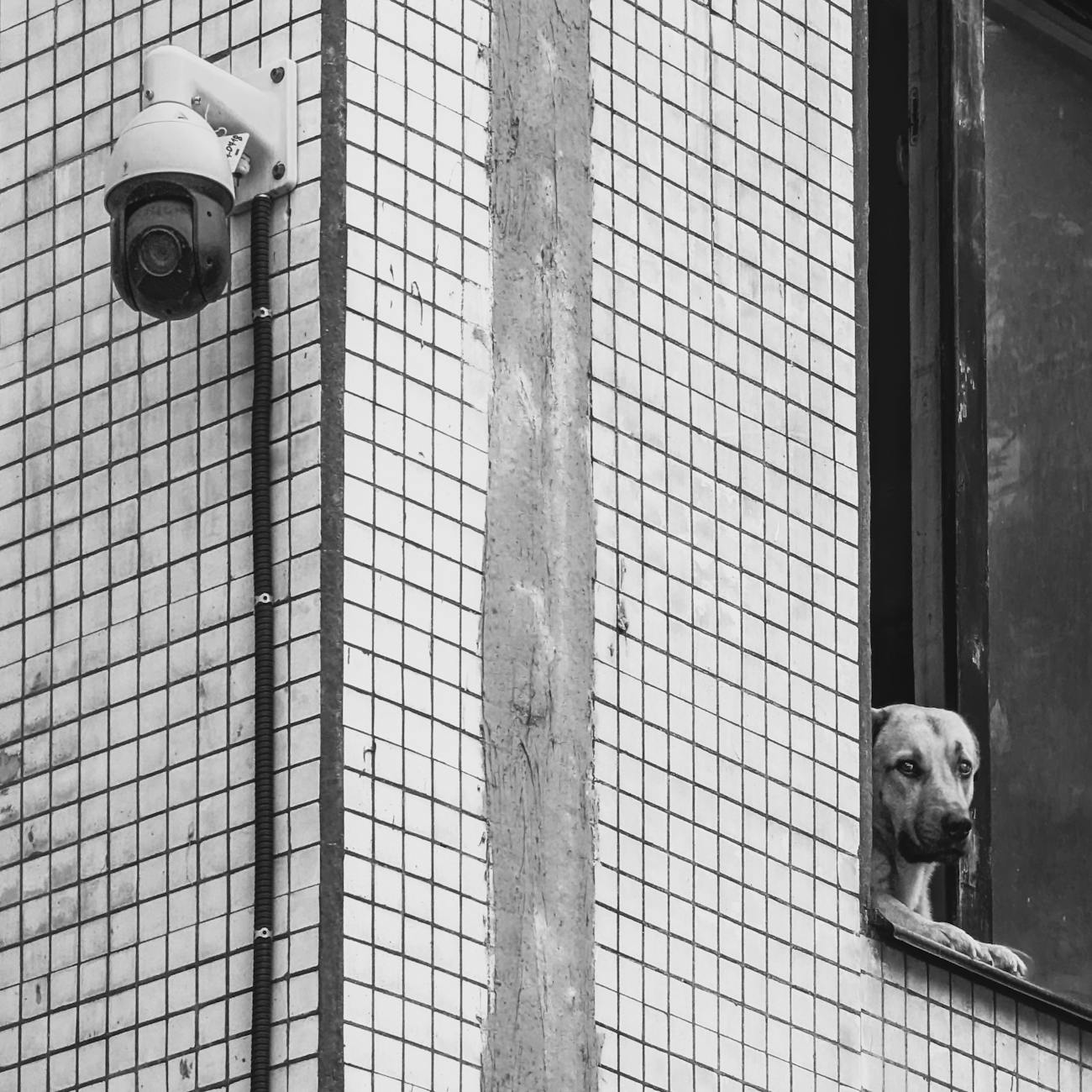
Casino Security and Surveillance play a crucial role in the operations of a casino. These departments are responsible for ensuring the safety and security of both guests and employees, as well as protecting the assets of the casino. In this course, the Professional Certificate in Casino Management, you will learn about key terms and vocabulary related to Casino Security and Surveillance.
Security: Security in a casino refers to the measures put in place to protect the property, assets, and individuals within the establishment. This includes preventing theft, fraud, and other criminal activities. Security personnel are responsible for monitoring the premises, enforcing rules and regulations, and responding to any incidents that may occur.
Surveillance: Surveillance involves the use of cameras and other monitoring equipment to observe and record activities within the casino. Surveillance operators watch for any suspicious behavior, unauthorized activities, or violations of casino policies. The information gathered through surveillance is used to investigate incidents, identify potential threats, and ensure the safety and security of the casino.
Security and Surveillance Department: The Security and Surveillance Department is responsible for overseeing all security and surveillance operations within the casino. This department is typically headed by a Director of Security and a Director of Surveillance, who work together to ensure the safety of the casino and its patrons.
Security Officer: A Security Officer is a member of the security team responsible for patrolling the casino floor, monitoring activities, and responding to incidents. Security Officers are trained to handle various situations, including disturbances, theft, and medical emergencies. They play a crucial role in maintaining a safe and secure environment for guests and employees.
Surveillance Operator: A Surveillance Operator is responsible for monitoring the surveillance cameras and identifying any suspicious behavior or activities. Surveillance Operators work closely with security personnel to provide real-time information and footage that can be used to investigate incidents or prevent crimes. They play a vital role in ensuring the integrity of casino operations.
Physical Security: Physical security refers to the measures put in place to protect the physical assets of the casino, such as cash, chips, and equipment. This includes the use of locks, safes, alarms, and security guards to prevent unauthorized access and theft. Physical security is essential for safeguarding the casino's valuable assets.
Access Control: Access control systems are used to regulate and monitor who has access to certain areas within the casino. This can include keycard systems, biometric scanners, and security checkpoints. Access control helps prevent unauthorized individuals from entering restricted areas and ensures that only authorized personnel are allowed access.
Emergency Response: Emergency response procedures are put in place to handle various emergencies that may occur within the casino, such as fires, medical emergencies, or security threats. Security and surveillance personnel are trained to respond quickly and effectively to any emergency situation, ensuring the safety of guests and employees.
Incident Response: Incident response refers to the procedures followed when an incident occurs within the casino, such as a fight, theft, or fraud. Security and surveillance personnel are trained to respond promptly to incidents, gather evidence, and work with law enforcement to investigate and resolve the situation. Proper incident response is crucial for maintaining the security and integrity of the casino.
Crime Prevention: Crime prevention strategies are implemented to deter criminal activities within the casino and reduce the risk of theft, fraud, or other security threats. This can include training employees to recognize suspicious behavior, implementing security measures, and working with law enforcement to address potential risks. Crime prevention is an ongoing effort to maintain a safe and secure environment for everyone in the casino.
Risk Assessment: Risk assessment involves identifying and evaluating potential security risks within the casino, such as vulnerabilities in physical security, employee misconduct, or external threats. Security and surveillance personnel conduct risk assessments to determine the likelihood and impact of various risks and develop strategies to mitigate them. Risk assessment is essential for proactively addressing security threats and protecting the casino's assets.
Compliance: Compliance refers to adhering to laws, regulations, and industry standards related to casino security and surveillance. Casinos must comply with various regulations to ensure the safety and security of their operations, protect customer information, and prevent money laundering. Compliance efforts help maintain the reputation and integrity of the casino.
Training and Development: Training and development programs are essential for security and surveillance personnel to acquire the skills and knowledge needed to perform their duties effectively. Casinos provide training on security procedures, surveillance techniques, emergency response, and crime prevention to ensure that employees are prepared to handle any situation that may arise. Training and development programs help maintain a high level of security and professionalism within the casino.
Challenges: Casino security and surveillance face various challenges in maintaining a safe and secure environment. These challenges can include dealing with intoxicated or unruly guests, identifying and preventing cheating or fraud, and responding to emergencies quickly and effectively. Security and surveillance personnel must be prepared to handle these challenges and adapt to changing circumstances to ensure the safety of everyone in the casino.
In conclusion, understanding key terms and vocabulary related to Casino Security and Surveillance is essential for anyone working in the casino industry. By familiarizing yourself with these concepts, you will be better equipped to contribute to the safety and security of the casino, protect its assets, and ensure a positive experience for guests and employees.
Key takeaways
- In this course, the Professional Certificate in Casino Management, you will learn about key terms and vocabulary related to Casino Security and Surveillance.
- Security personnel are responsible for monitoring the premises, enforcing rules and regulations, and responding to any incidents that may occur.
- The information gathered through surveillance is used to investigate incidents, identify potential threats, and ensure the safety and security of the casino.
- Security and Surveillance Department: The Security and Surveillance Department is responsible for overseeing all security and surveillance operations within the casino.
- Security Officer: A Security Officer is a member of the security team responsible for patrolling the casino floor, monitoring activities, and responding to incidents.
- Surveillance Operators work closely with security personnel to provide real-time information and footage that can be used to investigate incidents or prevent crimes.
- Physical Security: Physical security refers to the measures put in place to protect the physical assets of the casino, such as cash, chips, and equipment.