
Interviewing Scientists and Experts
In the field of science journalism, interviewing scientists and experts is a critical skill that can make or break a story. The ability to effectively communicate with these individuals, understand complex scientific concepts, and ask insig…
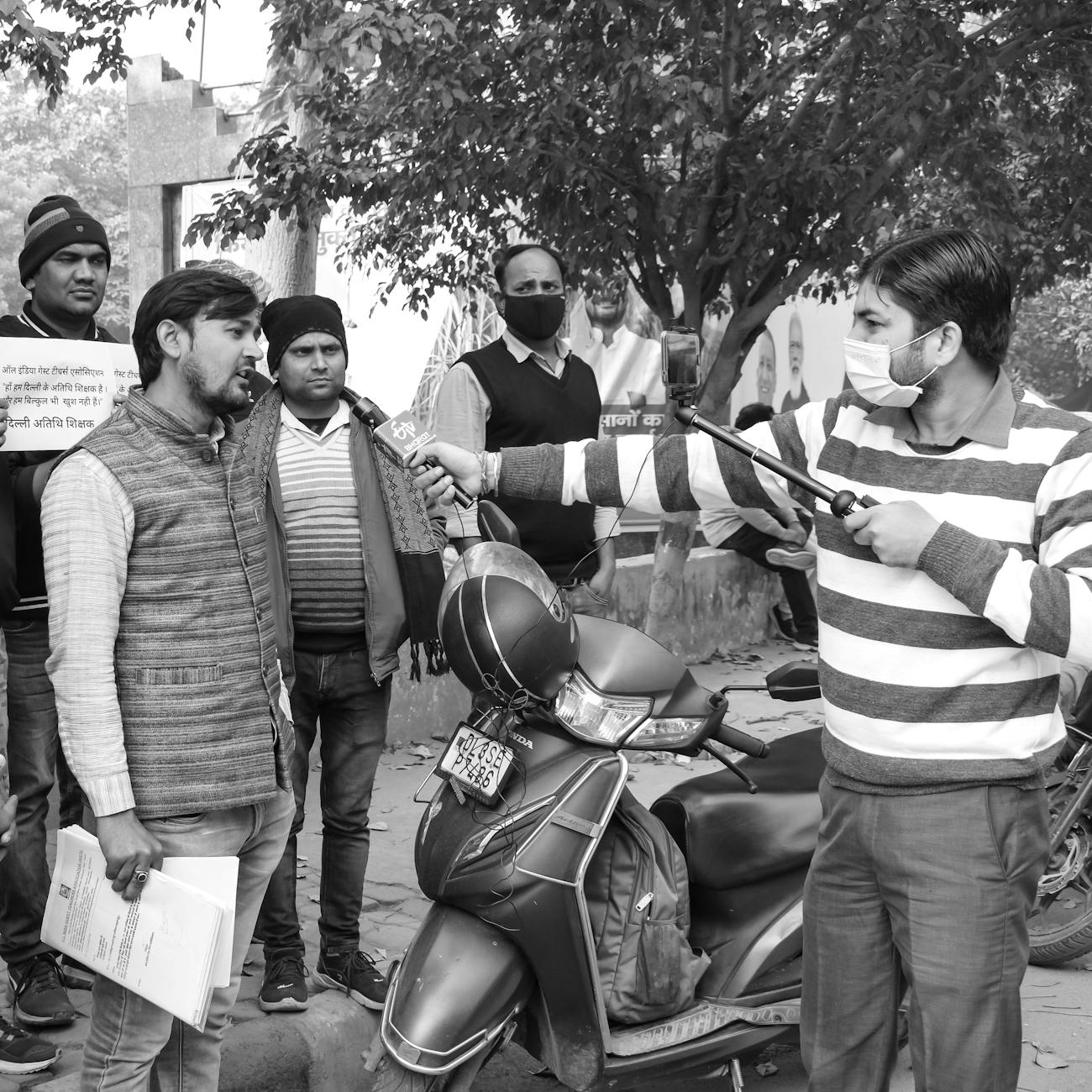
In the field of science journalism, interviewing scientists and experts is a critical skill that can make or break a story. The ability to effectively communicate with these individuals, understand complex scientific concepts, and ask insightful questions is essential for producing accurate and engaging science journalism pieces. To excel in this area, it is important to have a strong grasp of key terms and vocabulary that are commonly used in the context of interviewing scientists and experts.
1. **Scientist**: A scientist is a person who conducts scientific research to advance knowledge in a particular field. Scientists often have advanced degrees in their respective disciplines and are experts in their fields.
2. **Expert**: An expert is a person who has a high level of knowledge or skill in a particular area. In the context of science journalism, experts are individuals who have specialized knowledge in a specific scientific field.
3. **Interview**: An interview is a formal or informal conversation in which one person asks questions and another person responds. In the context of science journalism, interviews are conducted with scientists and experts to gather information for a story.
4. **Science Journalism**: Science journalism is a branch of journalism that focuses on reporting scientific discoveries, research, and developments to the general public. Science journalists often interview scientists and experts to gather information for their stories.
5. **Journalist**: A journalist is a person who gathers, writes, and reports news for various media outlets. In the context of science journalism, journalists report on scientific topics and often interview scientists and experts for their stories.
6. **Pitch**: A pitch is a brief proposal or idea that a journalist presents to an editor or news outlet in hopes of getting approval to pursue a story. When interviewing scientists and experts, journalists may pitch story ideas to editors based on the information gathered during interviews.
7. **Background Research**: Background research involves gathering information about a topic before conducting an interview. This helps journalists ask informed questions and better understand the subject matter.
8. **Sources**: Sources are individuals or documents that provide information for a news story. Scientists and experts are common sources for science journalists, as they can offer valuable insights and expertise.
9. **Ethics**: Ethics refer to the principles of right and wrong that guide behavior. In science journalism, it is important to adhere to ethical standards when conducting interviews and reporting on scientific topics.
10. **Accuracy**: Accuracy is the quality of being correct or precise. Science journalists must strive for accuracy in their reporting by fact-checking information gathered during interviews with scientists and experts.
11. **Objectivity**: Objectivity is the absence of bias in reporting. Science journalists should aim to be objective when interviewing scientists and experts to present a balanced and impartial view of the topic.
12. **Informed Consent**: Informed consent is the permission granted by a source to be interviewed or quoted in a news story after being fully informed of the nature of the interview and its potential consequences.
13. **Open-Ended Questions**: Open-ended questions are questions that require more than a simple yes or no answer. When interviewing scientists and experts, journalists often use open-ended questions to encourage detailed responses and promote discussion.
14. **Follow-Up Questions**: Follow-up questions are additional questions asked by a journalist to clarify or expand on a source's response. These questions help journalists delve deeper into a topic during an interview.
15. **Quotations**: Quotations are excerpts from interviews that are directly attributed to the source. When interviewing scientists and experts, journalists often use quotations to add credibility and authenticity to their stories.
16. **Off-the-Record**: Off-the-record information is provided by a source with the understanding that it will not be published or attributed to them. Journalists must respect the off-the-record status of information shared during interviews.
17. **Embargo**: An embargo is an agreement between a journalist and a source that certain information will not be published until a specified date or time. Scientists and experts may request embargoes on their research findings to ensure simultaneous publication across multiple outlets.
18. **Peer Review**: Peer review is a process in which scientific research is evaluated by experts in the field before it is published. Journalists interviewing scientists should be aware of the peer review process and its importance in validating research findings.
19. **Jargon**: Jargon refers to specialized language or terminology used within a particular field. When interviewing scientists and experts, journalists should be mindful of scientific jargon and strive to translate complex concepts into layperson's terms for their audience.
20. **Conflict of Interest**: A conflict of interest arises when a journalist's personal or professional interests could unduly influence their reporting. When interviewing scientists and experts, journalists should disclose any potential conflicts of interest to maintain transparency and credibility.
21. **Fact-Checking**: Fact-checking involves verifying the accuracy of information presented in a news story. Journalists interviewing scientists and experts should fact-check the information they receive to ensure the integrity of their reporting.
22. **Soundbite**: A soundbite is a short, memorable quote or excerpt from an interview that is used in a news story. When interviewing scientists and experts, journalists often look for soundbites that encapsulate key points or findings.
23. **Background Information**: Background information provides context and additional details about a topic. Journalists interviewing scientists and experts should gather background information to enhance their understanding of the subject matter.
24. **Expertise**: Expertise refers to a high level of knowledge or skill in a particular field. Scientists and experts are valued sources for science journalists because of their expertise in specific scientific disciplines.
25. **Press Release**: A press release is a written communication that provides information about a news event or announcement. When interviewing scientists and experts, journalists may receive press releases that contain relevant information for their stories.
26. **Data**: Data refers to factual information or statistics that are collected and analyzed in scientific research. When interviewing scientists and experts, journalists may discuss data findings to support their reporting.
27. **Visuals**: Visuals are images, videos, or graphics that accompany a news story to enhance the reader's understanding. When interviewing scientists and experts, journalists may request visuals such as charts or diagrams to illustrate complex concepts.
28. **Credibility**: Credibility is the quality of being trusted or believed. Science journalists should strive to maintain credibility by accurately reporting information obtained from interviews with scientists and experts.
29. **Networking**: Networking involves building relationships with individuals in a particular field to exchange information and resources. Science journalists can benefit from networking with scientists and experts to access new story ideas and sources.
30. **Public Engagement**: Public engagement involves communicating scientific information to the general public in a clear and accessible manner. When interviewing scientists and experts, journalists play a crucial role in translating complex scientific concepts for a broader audience.
31. **Skepticism**: Skepticism involves questioning information and seeking evidence to support claims. Science journalists should approach interviews with scientists and experts with a healthy dose of skepticism to ensure the accuracy and validity of the information provided.
32. **Collaboration**: Collaboration involves working together with others to achieve a common goal. Science journalists may collaborate with scientists and experts to co-author articles or reports based on interviews and research findings.
33. **Feedback**: Feedback is information provided in response to a news story or interview. Journalists interviewing scientists and experts should seek feedback from editors, peers, and readers to improve their reporting and storytelling skills.
34. **Multimedia**: Multimedia refers to content that combines different forms of media, such as text, images, videos, and audio. Science journalists can enhance their interviews with scientists and experts by incorporating multimedia elements into their stories.
35. **Audience Engagement**: Audience engagement involves connecting with readers or viewers through interactive content or social media. Science journalists can increase audience engagement by sharing interviews with scientists and experts on various platforms and encouraging feedback and discussion.
36. **Narrative**: Narrative is the storytelling structure used to convey information in a news story. When interviewing scientists and experts, journalists should use narrative techniques to engage readers and communicate complex scientific concepts effectively.
37. **Timeliness**: Timeliness refers to the relevance or currentness of information in a news story. Science journalists should prioritize interviews with scientists and experts on timely topics to ensure their stories are up-to-date and resonate with readers.
38. **Adaptability**: Adaptability is the ability to adjust to new situations or challenges. Science journalists interviewing scientists and experts must be adaptable in their approach to accommodate different communication styles and preferences.
39. **Transparency**: Transparency involves being open and honest in reporting and disclosing sources of information. When interviewing scientists and experts, journalists should maintain transparency by accurately attributing quotes and data to their sources.
40. **Digital Literacy**: Digital literacy is the ability to navigate and critically evaluate information in digital formats. Science journalists should possess strong digital literacy skills to conduct online research, access scientific databases, and communicate with scientists and experts through digital platforms.
41. **Interdisciplinary**: Interdisciplinary refers to the integration of knowledge and methods from multiple disciplines. When interviewing scientists and experts, journalists may encounter interdisciplinary research that spans different scientific fields and requires a broad understanding of diverse topics.
42. **Science Communication**: Science communication is the practice of conveying scientific information to non-expert audiences. Science journalists play a key role in science communication by interviewing scientists and experts and translating their research findings into accessible and engaging stories.
43. **Interview Protocol**: Interview protocol is a set of guidelines or procedures followed during an interview to ensure consistency and professionalism. Science journalists should develop interview protocols when interviewing scientists and experts to facilitate productive and informative conversations.
44. **Bioethics**: Bioethics is the study of ethical issues related to biology and medicine. When interviewing scientists and experts working in the fields of biology and medicine, journalists should be aware of bioethical considerations and potential controversies.
45. **Science Policy**: Science policy refers to government regulations and decisions that impact scientific research and innovation. Journalists interviewing scientists and experts may explore how science policy influences their work and research outcomes.
46. **Science Funding**: Science funding involves financial support provided to scientific research projects by government agencies, private organizations, or foundations. When interviewing scientists and experts, journalists may discuss the impact of funding on their research and the broader scientific community.
47. **Science Diplomacy**: Science diplomacy is the use of scientific collaboration to promote international relations and solve global challenges. Journalists interviewing scientists and experts engaged in science diplomacy can highlight the role of science in fostering cooperation and addressing shared concerns.
48. **Science Outreach**: Science outreach involves engaging with the public to promote interest in and understanding of science. Scientists and experts may participate in science outreach activities, such as public talks or school visits, which journalists can cover in interviews to raise awareness of scientific issues.
49. **Science Literacy**: Science literacy is the ability to understand and interpret scientific information. Science journalists play a crucial role in promoting science literacy by interviewing scientists and experts and translating their research into accessible and engaging content for a diverse audience.
50. **Science Advocacy**: Science advocacy involves supporting and promoting scientific research and policies. Scientists and experts may engage in science advocacy efforts to raise awareness of important scientific issues, which journalists can explore in interviews to provide context and perspective.
By familiarizing yourself with these key terms and vocabulary related to interviewing scientists and experts, you can enhance your understanding of the science journalism process and effectively communicate with sources in the scientific community. Whether you are conducting interviews with leading researchers, exploring cutting-edge discoveries, or delving into complex scientific topics, mastering these terms will help you navigate the world of science journalism with confidence and professionalism.
Key takeaways
- The ability to effectively communicate with these individuals, understand complex scientific concepts, and ask insightful questions is essential for producing accurate and engaging science journalism pieces.
- **Scientist**: A scientist is a person who conducts scientific research to advance knowledge in a particular field.
- In the context of science journalism, experts are individuals who have specialized knowledge in a specific scientific field.
- **Interview**: An interview is a formal or informal conversation in which one person asks questions and another person responds.
- **Science Journalism**: Science journalism is a branch of journalism that focuses on reporting scientific discoveries, research, and developments to the general public.
- In the context of science journalism, journalists report on scientific topics and often interview scientists and experts for their stories.
- **Pitch**: A pitch is a brief proposal or idea that a journalist presents to an editor or news outlet in hopes of getting approval to pursue a story.