
Leadership and Team Development.
Leadership and Team Development are essential skills for professionals in the golf industry. As a golf operations leader, it is crucial to understand key terms and vocabulary associated with leading teams effectively and fostering growth an…
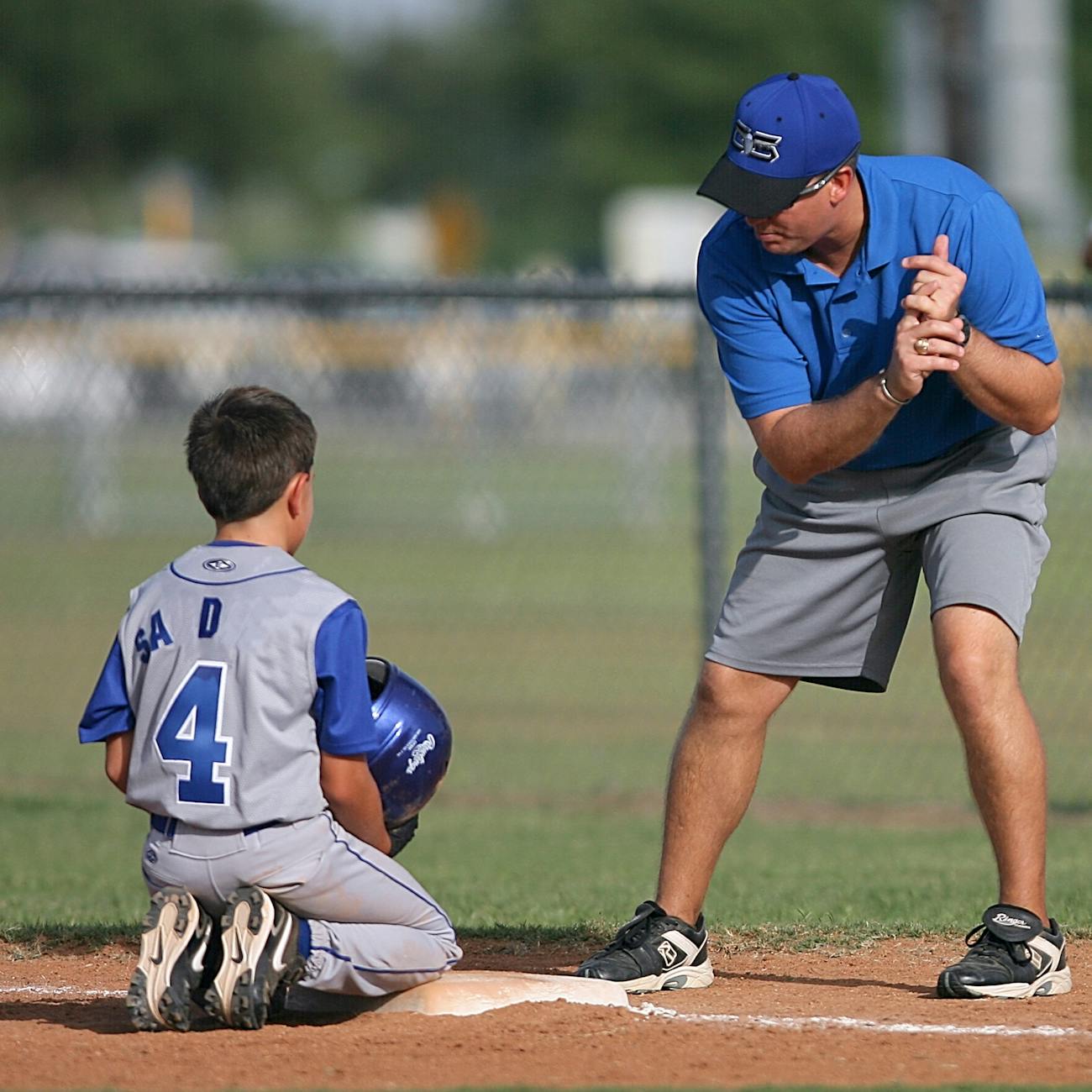
Leadership and Team Development are essential skills for professionals in the golf industry. As a golf operations leader, it is crucial to understand key terms and vocabulary associated with leading teams effectively and fostering growth and development within your organization. Below are explanations of important terms and concepts related to Leadership and Team Development in the context of golf operations:
1. **Leadership**: Leadership is the ability to inspire and influence others towards a common goal or vision. Effective leaders in golf operations exhibit strong communication skills, decision-making abilities, and a deep understanding of the industry. They motivate their team members to perform at their best and create a positive work environment.
2. **Team Development**: Team Development refers to the process of building and enhancing the skills, cohesion, and performance of a group of individuals working towards a shared objective. In golf operations, team development involves fostering a culture of collaboration, trust, and continuous learning among staff members.
3. **Vision**: A vision is a clear, compelling image of the future state that an organization or team aspires to achieve. In golf operations, a strong vision statement can guide decision-making, inspire employees, and align the team towards common goals such as improving customer service or increasing revenue.
4. **Mission**: A mission is a statement that defines the purpose and values of an organization. In golf operations, a mission statement outlines the core principles and objectives that drive the business, such as providing exceptional golf experiences, promoting sustainability, or supporting community initiatives.
5. **Strategic Planning**: Strategic Planning is the process of setting goals, determining actions to achieve those goals, and allocating resources effectively. In golf operations, strategic planning involves analyzing market trends, identifying opportunities for growth, and developing strategies to enhance the overall performance of the facility.
6. **SWOT Analysis**: SWOT Analysis is a strategic planning tool that helps organizations identify their Strengths, Weaknesses, Opportunities, and Threats. Conducting a SWOT analysis in golf operations can provide valuable insights into areas where the facility excels, areas that need improvement, and external factors that may impact business performance.
7. **Goal Setting**: Goal Setting is the process of establishing specific, measurable objectives that guide individual and team performance. In golf operations, setting clear and achievable goals can help motivate staff, track progress, and evaluate success in areas such as revenue generation, customer satisfaction, or employee retention.
8. **Communication**: Communication is the exchange of information, ideas, and feedback between individuals or groups. Effective communication is crucial in golf operations to ensure that team members understand expectations, share updates, and resolve conflicts in a timely and respectful manner.
9. **Feedback**: Feedback is information provided to individuals about their performance, behavior, or results. In golf operations, giving and receiving feedback is essential for continuous improvement, skill development, and maintaining high standards of service quality.
10. **Empowerment**: Empowerment is the process of delegating authority, responsibility, and decision-making power to employees. Empowering staff in golf operations can increase motivation, job satisfaction, and productivity by allowing individuals to take ownership of their work and contribute to the success of the organization.
11. **Coaching**: Coaching is a developmental process that involves providing guidance, support, and feedback to help individuals improve their skills and achieve their goals. In golf operations, coaching can enhance employee performance, build confidence, and foster a culture of continuous learning and professional development.
12. **Mentoring**: Mentoring is a supportive relationship between a more experienced individual (mentor) and a less experienced individual (mentee) aimed at sharing knowledge, providing guidance, and facilitating career growth. Mentoring programs in golf operations can help employees develop new skills, expand their networks, and advance their careers within the industry.
13. **Conflict Resolution**: Conflict Resolution is the process of addressing and resolving disagreements or disputes in a constructive manner. In golf operations, effective conflict resolution skills are essential for maintaining positive relationships, promoting teamwork, and minimizing disruptions to daily operations.
14. **Team Building**: Team Building involves activities and initiatives designed to enhance collaboration, trust, and communication among team members. In golf operations, team building exercises can improve morale, strengthen relationships, and boost overall performance by fostering a sense of unity and camaraderie within the staff.
15. **Diversity and Inclusion**: Diversity and Inclusion refer to the practice of valuing and respecting differences among individuals and creating a culture of belonging where all employees feel welcomed and appreciated. In golf operations, promoting diversity and inclusion can lead to innovation, creativity, and a more inclusive work environment that reflects the diverse needs of customers and communities.
16. **Leadership Styles**: Leadership Styles are the different approaches and behaviors that leaders use to influence and guide their teams. Common leadership styles in golf operations include autocratic (authoritarian), democratic (participative), transformational (inspirational), and situational (adaptive) leadership, each with its strengths and limitations depending on the context and circumstances.
17. **Team Dynamics**: Team Dynamics refer to the interactions, relationships, and behaviors that occur within a group of individuals working together towards a common goal. Understanding team dynamics in golf operations can help leaders identify strengths and weaknesses, address conflicts, and create a cohesive and high-performing team.
18. **Motivation**: Motivation is the internal drive or external incentive that energizes individuals to pursue their goals and perform at their best. In golf operations, motivating employees through recognition, rewards, career development opportunities, and a positive work culture can increase engagement, productivity, and job satisfaction.
19. **Performance Management**: Performance Management is the process of setting expectations, assessing progress, providing feedback, and rewarding achievements to improve individual and team performance. In golf operations, effective performance management practices can help align employee goals with organizational objectives, identify areas for improvement, and recognize and retain top talent.
20. **Change Management**: Change Management is the structured approach to transitioning individuals, teams, and organizations from the current state to a desired future state. In golf operations, managing change effectively involves communicating the rationale for change, involving stakeholders in the process, addressing resistance, and providing support and resources to navigate transitions successfully.
21. **Resilience**: Resilience is the ability to adapt, bounce back, and thrive in the face of challenges, setbacks, and adversity. Building resilience in golf operations can help leaders and teams navigate uncertainty, cope with stress, and maintain focus and performance in dynamic and competitive environments.
22. **Ethical Leadership**: Ethical Leadership involves making decisions and taking actions that are guided by moral principles, integrity, and respect for others. In golf operations, ethical leadership is essential for building trust, credibility, and reputation with stakeholders, customers, and the community, and for upholding ethical standards and values in all aspects of the business.
23. **Emotional Intelligence**: Emotional Intelligence (EQ) is the ability to recognize, understand, and manage one's emotions and the emotions of others effectively. In golf operations, leaders with high emotional intelligence can build strong relationships, resolve conflicts, and inspire and motivate their teams with empathy, self-awareness, and emotional resilience.
24. **Time Management**: Time Management is the practice of prioritizing tasks, organizing schedules, and optimizing productivity to achieve goals efficiently and effectively. In golf operations, effective time management skills are essential for balancing multiple responsibilities, meeting deadlines, and maximizing performance in a fast-paced and demanding work environment.
25. **Stress Management**: Stress Management involves techniques and strategies to cope with and reduce stress, anxiety, and pressure in professional and personal life. In golf operations, stress management skills are critical for maintaining well-being, focus, and performance during busy seasons, challenging situations, and high-pressure events.
26. **Decision-Making**: Decision-Making is the process of selecting a course of action from multiple alternatives based on analysis, judgment, and consideration of risks and consequences. In golf operations, effective decision-making skills are essential for resolving issues, seizing opportunities, and achieving strategic goals while considering factors such as data, stakeholder input, and ethical implications.
27. **Networking**: Networking is the practice of building and maintaining relationships with individuals and organizations to exchange information, resources, and support. In golf operations, networking can help professionals expand their knowledge, access new opportunities, and collaborate with industry partners, suppliers, and stakeholders to enhance business performance and growth.
28. **Professional Development**: Professional Development is the process of acquiring new skills, knowledge, and experiences to enhance career growth and performance. In golf operations, investing in professional development opportunities such as training programs, certifications, conferences, and mentorships can help employees stay current, develop expertise, and advance their careers within the industry.
29. **Innovation**: Innovation is the process of introducing new ideas, products, services, or processes that create value and drive growth and competitiveness. In golf operations, fostering a culture of innovation can lead to creative solutions, improved customer experiences, and a competitive edge in the market by encouraging experimentation, risk-taking, and continuous improvement.
30. **Quality Management**: Quality Management is the systematic approach to ensuring that products, services, and processes meet or exceed customer expectations and industry standards. In golf operations, implementing quality management practices such as monitoring customer feedback, measuring performance metrics, and implementing continuous improvement initiatives can enhance service quality, customer satisfaction, and business success.
31. **Customer Service**: Customer Service is the provision of assistance, support, and solutions to meet the needs and expectations of customers. In golf operations, delivering exceptional customer service is essential for building relationships, attracting and retaining customers, and creating memorable experiences that drive loyalty, referrals, and revenue growth.
32. **Financial Management**: Financial Management is the practice of planning, controlling, and monitoring financial resources to achieve business objectives, maximize profitability, and ensure long-term sustainability. In golf operations, effective financial management involves budgeting, forecasting, cost control, revenue optimization, and financial analysis to make informed decisions and drive financial performance.
33. **Risk Management**: Risk Management is the process of identifying, assessing, and mitigating risks that may impact the achievement of organizational goals and objectives. In golf operations, implementing risk management strategies such as insurance, safety protocols, emergency preparedness, and compliance measures can protect the facility, staff, and customers from potential threats and liabilities.
34. **Sustainability**: Sustainability is the practice of meeting current needs without compromising the ability of future generations to meet their own needs. In golf operations, adopting sustainable practices such as water conservation, energy efficiency, waste reduction, and habitat preservation can minimize environmental impact, enhance community relations, and support long-term business viability and resilience.
35. **Regulatory Compliance**: Regulatory Compliance refers to adhering to laws, regulations, and standards set by governing bodies, industry associations, and authorities to ensure legal and ethical practices. In golf operations, maintaining regulatory compliance is essential for protecting the business, employees, and customers, and for upholding industry standards, safety requirements, and environmental responsibilities.
36. **Community Engagement**: Community Engagement involves building relationships, partnerships, and initiatives with local communities, organizations, and stakeholders to support social responsibility, economic development, and environmental stewardship. In golf operations, community engagement can enhance brand reputation, customer loyalty, and public trust by demonstrating commitment to community well-being and sustainability.
37. **Crisis Management**: Crisis Management is the process of preparing for, responding to, and recovering from unexpected events or emergencies that threaten the safety, reputation, or operations of an organization. In golf operations, having a crisis management plan, communication strategy, and response protocols in place can help mitigate risks, protect stakeholders, and maintain business continuity during challenging situations.
38. **Technology Integration**: Technology Integration is the adoption and implementation of digital tools, software, and systems to streamline operations, enhance customer experiences, and drive innovation and efficiency. In golf operations, leveraging technology solutions such as online booking platforms, mobile apps, data analytics, and social media can optimize processes, improve service quality, and engage customers in new and impactful ways.
39. **Benchmarking**: Benchmarking is the process of comparing performance metrics, practices, and outcomes against industry standards, best practices, or competitors to identify strengths, weaknesses, and opportunities for improvement. In golf operations, benchmarking can provide valuable insights, inform strategic decisions, and drive performance excellence by setting targets, measuring progress, and implementing continuous improvement initiatives.
40. **Strategic Partnerships**: Strategic Partnerships are collaborative relationships formed with other organizations, businesses, or entities to achieve mutual goals, share resources, and create value for both parties. In golf operations, forming strategic partnerships with golf associations, equipment manufacturers, tourism boards, local businesses, and sponsors can enhance visibility, attract new customers, and drive revenue growth through shared marketing, promotions, and service offerings.
41. **Leadership Development**: Leadership Development is the process of identifying, nurturing, and empowering future leaders within an organization through training, mentorship, coaching, and experiential learning. In golf operations, investing in leadership development programs can cultivate a pipeline of skilled and visionary leaders, drive innovation, and ensure continuity and success in leadership roles to sustain business growth and excellence.
42. **Team Performance**: Team Performance refers to the collective effectiveness, productivity, and results achieved by a group of individuals working together towards common goals. In golf operations, optimizing team performance requires aligning goals, roles, and responsibilities, fostering collaboration, communication, and trust, and providing support, resources, and feedback to enable teams to achieve peak performance and deliver exceptional outcomes.
43. **Conflict Management**: Conflict Management is the practice of addressing, resolving, and preventing conflicts that arise among individuals or groups in the workplace. In golf operations, effective conflict management strategies such as active listening, mediation, negotiation, and problem-solving can help leaders navigate disagreements, improve communication, and maintain a positive and productive work environment that supports collaboration, creativity, and performance.
44. **Leadership Presence**: Leadership Presence is the ability to exude confidence, credibility, and influence through one's actions, communication, and demeanor. In golf operations, cultivating leadership presence involves projecting professionalism, authenticity, and authority, engaging and inspiring others, and building trust and rapport with stakeholders, customers, and team members to lead with impact, integrity, and effectiveness.
45. **Team Culture**: Team Culture is the shared values, beliefs, norms, and behaviors that define the identity and character of a team or organization. In golf operations, fostering a positive team culture based on trust, respect, collaboration, and accountability can enhance morale, engagement, and performance by creating a supportive and inclusive work environment where employees feel valued, motivated, and empowered to contribute their best.
46. **Continuous Improvement**: Continuous Improvement is the ongoing process of enhancing products, services, processes, and practices to drive innovation, efficiency, and quality. In golf operations, embracing a culture of continuous improvement through feedback, reflection, learning, and adaptation can lead to operational excellence, customer satisfaction, and business growth by identifying and implementing opportunities for optimization, innovation, and excellence in all aspects of the operation.
47. **Adaptability**: Adaptability is the capacity to adjust, evolve, and thrive in response to changing circumstances, environments, and demands. In golf operations, leaders and teams must demonstrate adaptability by being flexible, resilient, and proactive in addressing challenges, seizing opportunities, and navigating uncertainty with agility, creativity, and a growth mindset that enables them to respond effectively to dynamic market conditions, customer needs, and industry trends.
48. **Employee Engagement**: Employee Engagement refers to the emotional connection, commitment, and motivation that employees have towards their work, team, and organization. In golf operations, fostering employee engagement through recognition, communication, development opportunities, and a positive work culture can enhance job satisfaction, retention, productivity, and performance by creating a sense of purpose, belonging, and fulfillment that inspires employees to contribute their best and achieve shared goals and success.
49. **Conflict Resolution**: Conflict Resolution is the process of addressing and resolving disagreements or disputes in a constructive manner. In golf operations, effective conflict resolution skills are essential for maintaining positive relationships, promoting teamwork, and minimizing disruptions to daily operations.
50. **Team Building**: Team Building involves activities and initiatives designed to enhance collaboration, trust, and communication among team members. In golf operations, team building exercises can improve morale, strengthen relationships, and boost overall performance by fostering a sense of unity and camaraderie within the staff.
51. **Diversity and Inclusion**: Diversity and Inclusion refer to the practice of valuing and respecting differences among individuals and creating a culture of belonging where all employees feel welcomed and appreciated. In golf operations, promoting diversity and inclusion can lead to innovation, creativity, and a more inclusive work environment that reflects the diverse needs of customers and communities.
52. **Leadership Styles**: Leadership Styles are the different approaches and behaviors that leaders use to influence and guide their teams. Common leadership styles in golf operations include autocratic (authoritarian), democratic (participative), transformational (inspirational), and situational (adaptive) leadership, each with its strengths and limitations depending on the context and circumstances.
53. **Team Dynamics**: Team Dynamics refer to the interactions, relationships, and behaviors that occur within a group of individuals working together towards a common goal. Understanding team dynamics in golf operations can help leaders identify strengths and weaknesses, address conflicts, and create a cohesive and high-performing team.
54. **Motivation**: Motivation is the internal drive or external incentive that energizes individuals to pursue their goals and perform at their best. In golf operations, motivating employees through recognition, rewards, career development opportunities, and a positive work culture can increase engagement, productivity, and job satisfaction.
55. **Performance Management**: Performance Management is the process of setting expectations, assessing progress, providing feedback, and rewarding achievements to improve individual and team performance. In golf operations, effective performance management practices can help align employee goals with organizational objectives, identify areas for improvement, and recognize and retain top talent.
56. **Change Management**: Change Management is the structured approach to transitioning individuals, teams, and organizations from the current state to a desired future state. In golf operations, managing change effectively involves communicating the rationale for change, involving stakeholders in the process, addressing resistance, and providing support and resources to navigate transitions successfully.
57. **Resilience**: Resilience is the ability to adapt, bounce back, and thrive in the face of challenges, setbacks, and adversity. Building resilience in golf operations can help leaders and teams navigate uncertainty, cope with stress, and maintain focus and performance in dynamic and competitive environments.
58. **Ethical Leadership**: Ethical Leadership involves making decisions and taking actions that are guided by moral principles, integrity, and respect for others. In golf operations, ethical leadership is essential for building trust, credibility, and reputation with stakeholders, customers, and the community, and for upholding ethical standards and values in all aspects of the business.
59. **Emotional Intelligence**: Emotional Intelligence (EQ) is the ability to recognize, understand, and manage one's emotions and the emotions of others effectively. In golf operations, leaders with high emotional intelligence can build strong relationships, resolve conflicts, and inspire and motivate their
Key takeaways
- As a golf operations leader, it is crucial to understand key terms and vocabulary associated with leading teams effectively and fostering growth and development within your organization.
- Effective leaders in golf operations exhibit strong communication skills, decision-making abilities, and a deep understanding of the industry.
- **Team Development**: Team Development refers to the process of building and enhancing the skills, cohesion, and performance of a group of individuals working towards a shared objective.
- In golf operations, a strong vision statement can guide decision-making, inspire employees, and align the team towards common goals such as improving customer service or increasing revenue.
- In golf operations, a mission statement outlines the core principles and objectives that drive the business, such as providing exceptional golf experiences, promoting sustainability, or supporting community initiatives.
- In golf operations, strategic planning involves analyzing market trends, identifying opportunities for growth, and developing strategies to enhance the overall performance of the facility.
- Conducting a SWOT analysis in golf operations can provide valuable insights into areas where the facility excels, areas that need improvement, and external factors that may impact business performance.