
Biomedical Equipment Repair
Biomedical Equipment Repair involves the maintenance, repair, and troubleshooting of medical devices used in healthcare settings. This field requires a deep understanding of various medical equipment, their components, and how they function…
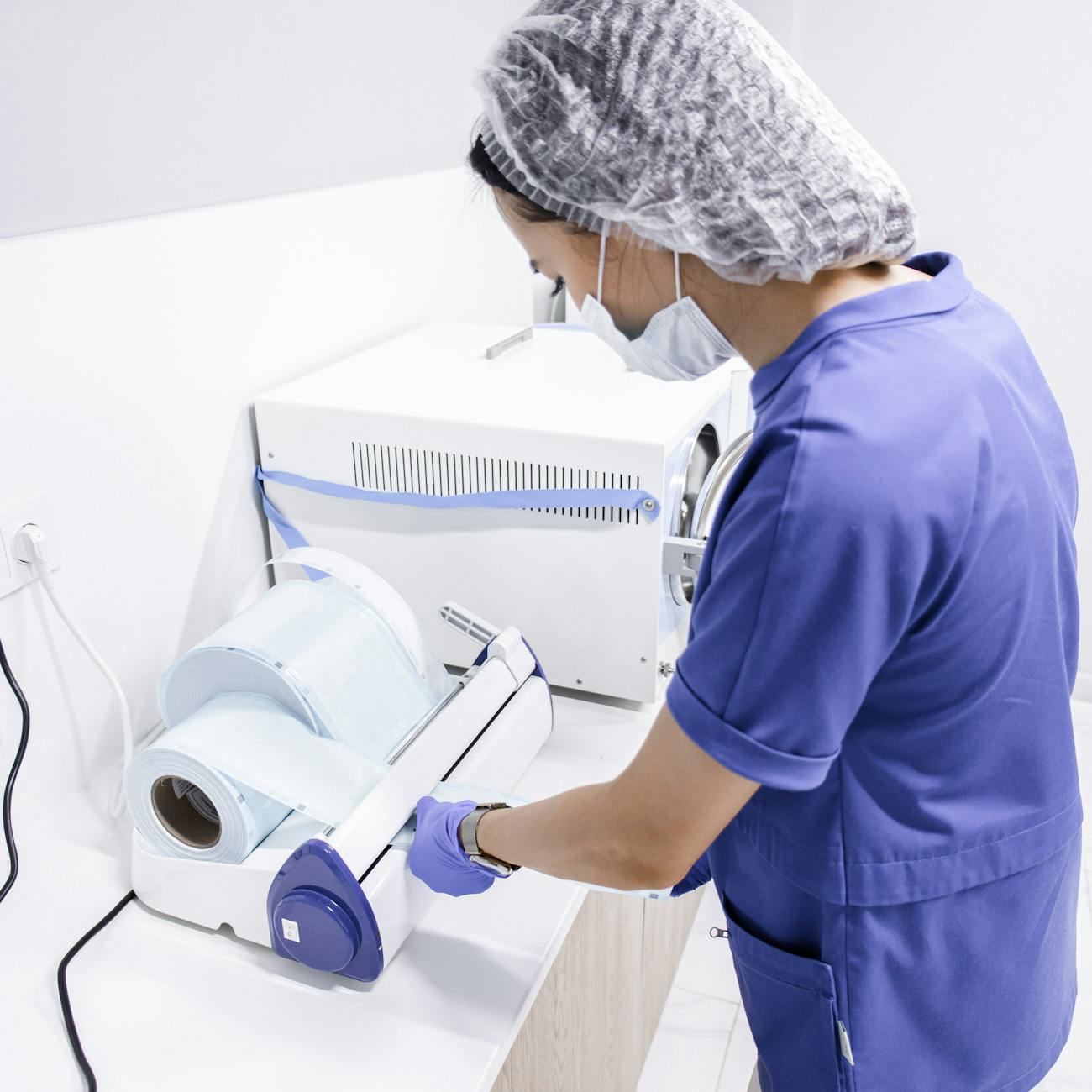
Biomedical Equipment Repair involves the maintenance, repair, and troubleshooting of medical devices used in healthcare settings. This field requires a deep understanding of various medical equipment, their components, and how they function to ensure accurate and reliable performance. Certified Professionals in Medical Equipment Repair play a crucial role in ensuring that medical devices are safe for patient use and meet regulatory standards.
**Biomedical Equipment:** Biomedical equipment refers to a wide range of medical devices used in hospitals, clinics, and other healthcare facilities. These devices can include imaging equipment (such as X-ray machines and MRI scanners), patient monitoring systems, anesthesia machines, ventilators, and more.
**Repair:** Repair involves fixing or restoring a medical device that is not functioning correctly. This can include replacing faulty components, calibrating equipment, and ensuring that the device meets manufacturer specifications.
**Maintenance:** Maintenance involves regular checks, cleaning, and calibration of medical equipment to ensure it operates reliably and accurately. Preventive maintenance is essential to identify and address potential issues before they affect the device's performance.
**Troubleshooting:** Troubleshooting is the process of identifying and resolving problems with medical equipment. This can involve testing the device, analyzing error codes, and determining the root cause of a malfunction.
**Certified Professional:** A Certified Professional in Medical Equipment Repair has undergone training and received certification to demonstrate their knowledge and skills in repairing and maintaining medical devices. Certification programs typically cover topics such as equipment safety, troubleshooting techniques, and regulatory compliance.
**Regulatory Standards:** Regulatory standards are guidelines set by government agencies (such as the FDA in the United States) to ensure the safety and effectiveness of medical devices. Certified Professionals in Medical Equipment Repair must adhere to these standards to maintain compliance and ensure patient safety.
**Patient Safety:** Patient safety is a top priority in healthcare settings. Biomedical Equipment Repair professionals play a critical role in ensuring that medical devices are functioning correctly to prevent harm to patients.
**Calibration:** Calibration is the process of adjusting a medical device to ensure that it provides accurate and consistent measurements. Regular calibration is essential to maintain the device's reliability and accuracy.
**Component Replacement:** Component replacement involves replacing faulty or worn-out parts of a medical device. This can include sensors, circuit boards, displays, and other components that may affect the device's performance.
**Software Updates:** Many medical devices rely on software to operate. Certified Professionals in Medical Equipment Repair must stay up-to-date with software updates to ensure that devices are running the latest firmware and are protected against security vulnerabilities.
**Documentation:** Proper documentation is essential in Biomedical Equipment Repair. This includes keeping records of maintenance and repairs performed on each device, as well as documenting any changes made to the equipment.
**Quality Assurance:** Quality assurance involves ensuring that medical devices meet the highest standards of quality and performance. Certified Professionals in Medical Equipment Repair must follow strict protocols to maintain quality and reliability in their work.
**Risk Management:** Risk management involves identifying and mitigating potential risks associated with medical equipment. This can include conducting risk assessments, implementing safety measures, and addressing any safety concerns promptly.
**Compliance:** Compliance refers to following all relevant regulations and standards in Biomedical Equipment Repair. Certified Professionals must be aware of regulatory requirements and ensure that their work meets these standards to maintain compliance.
**Inventory Management:** Inventory management involves keeping track of spare parts, tools, and equipment needed for repairs. Proper inventory management ensures that Certified Professionals have the resources they need to perform repairs efficiently.
**Technical Support:** Certified Professionals may provide technical support to healthcare staff using medical devices. This can involve troubleshooting issues over the phone, providing guidance on device operation, and assisting with maintenance tasks.
**Continuing Education:** Technology in the healthcare industry is constantly evolving. Certified Professionals must engage in continuing education to stay current on the latest advancements in medical equipment and repair techniques.
**Interpersonal Skills:** Effective communication and interpersonal skills are essential in Biomedical Equipment Repair. Certified Professionals must be able to work collaboratively with healthcare staff, manufacturers, and other stakeholders to ensure the proper functioning of medical devices.
**Challenges:** Biomedical Equipment Repair presents several challenges, including complex devices, tight deadlines for repairs, and the need to stay current on evolving technology. Certified Professionals must be able to adapt to these challenges to provide effective repair services.
**Example:** An example of a common repair task in Biomedical Equipment Repair is replacing a worn-out sensor in a patient monitoring system. This task may involve calibrating the new sensor, testing the device to ensure accurate readings, and documenting the repair for future reference.
**Practical Applications:** The skills and knowledge gained in the Certified Professional in Medical Equipment Repair course can be applied in various healthcare settings, including hospitals, clinics, diagnostic centers, and medical device manufacturers.
**Conclusion:** Biomedical Equipment Repair is a critical field that ensures the safe and accurate functioning of medical devices in healthcare settings. Certified Professionals play a vital role in maintaining and repairing equipment to protect patient safety and support high-quality patient care.
Key takeaways
- Certified Professionals in Medical Equipment Repair play a crucial role in ensuring that medical devices are safe for patient use and meet regulatory standards.
- These devices can include imaging equipment (such as X-ray machines and MRI scanners), patient monitoring systems, anesthesia machines, ventilators, and more.
- This can include replacing faulty components, calibrating equipment, and ensuring that the device meets manufacturer specifications.
- **Maintenance:** Maintenance involves regular checks, cleaning, and calibration of medical equipment to ensure it operates reliably and accurately.
- **Troubleshooting:** Troubleshooting is the process of identifying and resolving problems with medical equipment.
- **Certified Professional:** A Certified Professional in Medical Equipment Repair has undergone training and received certification to demonstrate their knowledge and skills in repairing and maintaining medical devices.
- **Regulatory Standards:** Regulatory standards are guidelines set by government agencies (such as the FDA in the United States) to ensure the safety and effectiveness of medical devices.