
Simulation-based Education and Training
Simulation-based Education and Training
Simulation-based Education and Training
Simulation-based education and training refer to a teaching method that replicates real-life scenarios for learners to practice and improve their skills in a safe and controlled environment. This approach allows individuals to experience situations that they might encounter in their professional roles without the risk of harming patients or compromising safety. Simulation-based education can take various forms, such as high-fidelity mannequin simulations, virtual reality simulations, standardized patient encounters, or even computer-based simulations.
Key Terms and Concepts
1. Simulation: Simulation involves creating a representation or imitation of a real-world process or system. In the context of education and training, simulation provides learners with a realistic scenario to practice skills, make decisions, and receive feedback.
2. High-fidelity: High-fidelity simulations are those that closely resemble real-life situations, often involving sophisticated mannequins that can mimic human responses such as breathing, blinking, and even bleeding. These simulations provide a highly immersive experience for learners.
3. Low-fidelity: Low-fidelity simulations are simpler and less expensive versions of simulations that still allow learners to practice skills and scenarios. These simulations may involve role-playing, task trainers, or basic computer simulations.
4. Debriefing: Debriefing is a crucial component of simulation-based education and training. It involves reflecting on the simulation experience, discussing what went well, what could be improved, and how to apply lessons learned in future situations.
5. Standardized Patients: Standardized patients are individuals trained to portray specific medical conditions or scenarios in a consistent and standardized manner. They provide learners with the opportunity to practice communication skills, history-taking, and physical examinations in a controlled setting.
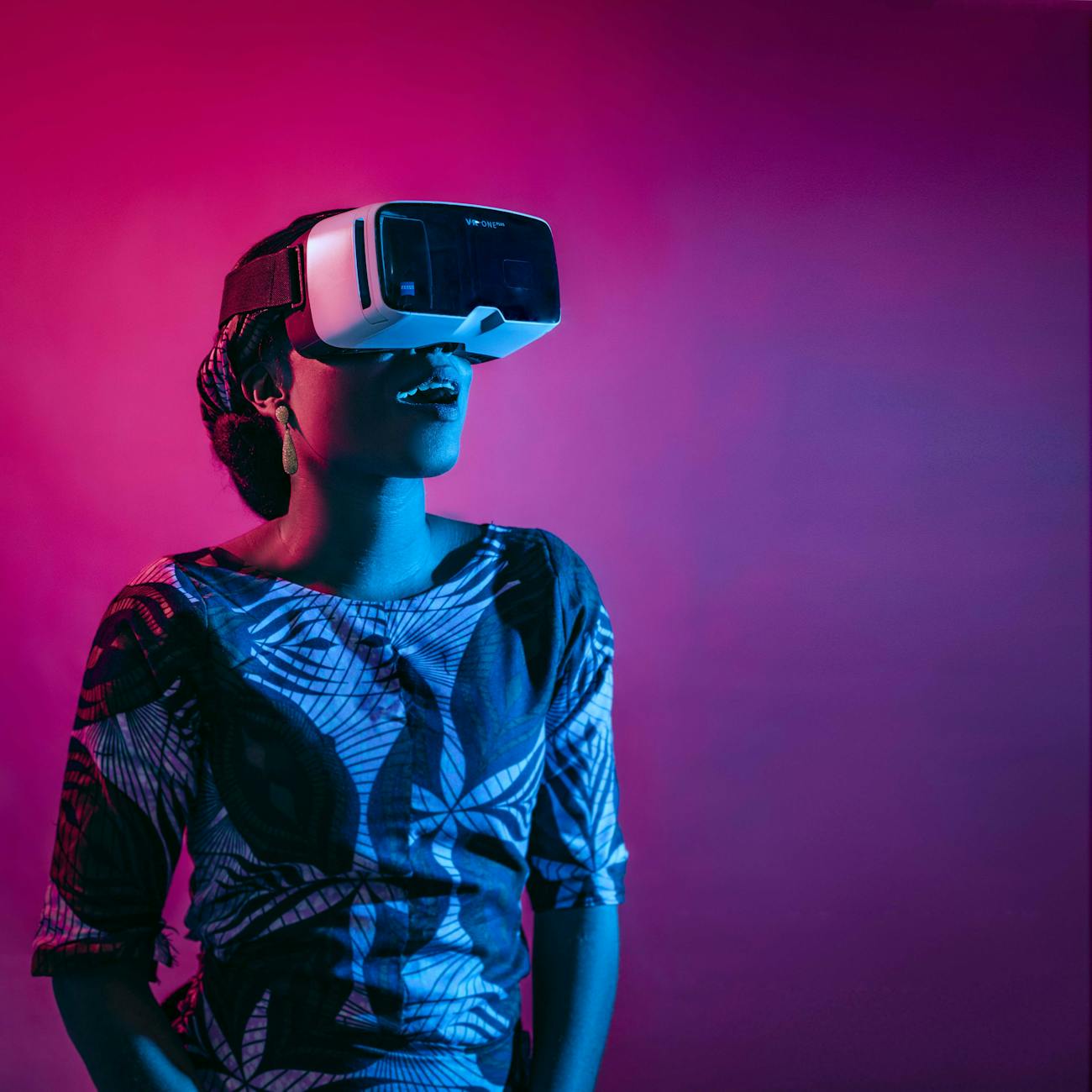
6. Virtual Reality (VR): Virtual reality is a technology that simulates a realistic environment through the use of computer-generated images and sounds. In medical education, VR can be used to create immersive simulations for training purposes.
7. Interprofessional Education (IPE): Interprofessional education involves learners from different healthcare professions working together to improve collaboration and communication skills. Simulation-based education can facilitate interprofessional learning by creating scenarios that require teamwork and coordination.
8. Cognitive Load: Cognitive load refers to the mental effort required to process information and learn new skills. In simulation-based education, it is essential to manage cognitive load effectively to optimize learning outcomes.
9. Transfer of Learning: Transfer of learning refers to the application of knowledge and skills learned in one context to another context. Simulation-based education aims to enhance transfer of learning by providing realistic scenarios that mirror real-world situations.
10. Assessment and Evaluation: Assessment and evaluation are critical components of simulation-based education and training. Educators must develop valid and reliable methods to assess learners' performance during simulations and provide constructive feedback for improvement.
Practical Applications
Simulation-based education and training have numerous practical applications across various domains, including healthcare, aviation, military, and emergency response. In the field of medical education, simulation is widely used to train healthcare professionals, improve patient safety, and enhance clinical skills. Some practical applications of simulation-based education include:
1. Clinical Skills Training: Simulation allows medical students, residents, and practicing clinicians to practice and refine clinical skills such as physical examinations, procedures, and communication with patients.
2. Team Training: Simulation-based team training is essential for healthcare teams to practice teamwork, communication, and coordination in high-stress environments such as the operating room or emergency department.
3. Crisis Management: Simulation can simulate critical events such as cardiac arrest, trauma, or obstetric emergencies to help healthcare providers develop skills in managing high-acuity situations.
4. Procedural Training: Simulation-based procedural training allows learners to practice and master complex procedures such as central line insertion, lumbar puncture, or intubation in a safe and controlled environment.
5. Communication Skills: Simulation-based education is effective in teaching healthcare providers how to communicate effectively with patients, families, and colleagues in various clinical scenarios.
Challenges of Simulation-based Education
While simulation-based education offers many benefits, it also presents several challenges that educators must address to maximize its effectiveness. Some common challenges in simulation-based education include:
1. Cost: High-fidelity simulation equipment and facilities can be costly to acquire and maintain, making it challenging for institutions with limited resources to implement simulation programs.
2. Faculty Development: Educators need specialized training to design and facilitate effective simulations, provide debriefing, and assess learners' performance accurately.
3. Time Constraints: Integrating simulation-based education into existing curricula requires careful planning and coordination to ensure that learners have sufficient time to participate in simulations without compromising other educational activities.
4. Standardization: Ensuring consistency and standardization across simulation scenarios, debriefing sessions, and assessment methods is essential for the reliability and validity of simulation-based education.
5. Learner Engagement: Keeping learners engaged and motivated during simulations can be challenging, especially for repetitive or prolonged scenarios. Educators must design simulations that are engaging and relevant to learners' needs.
Conclusion
Simulation-based education and training are valuable tools for enhancing learning outcomes, improving patient safety, and preparing healthcare professionals for real-world challenges. By incorporating simulation into medical education curricula, educators can create immersive learning experiences that promote critical thinking, decision-making, and teamwork skills. Despite the challenges associated with simulation-based education, the benefits far outweigh the drawbacks, making it a vital component of modern medical education.
Key takeaways
- Simulation-based education can take various forms, such as high-fidelity mannequin simulations, virtual reality simulations, standardized patient encounters, or even computer-based simulations.
- In the context of education and training, simulation provides learners with a realistic scenario to practice skills, make decisions, and receive feedback.
- High-fidelity: High-fidelity simulations are those that closely resemble real-life situations, often involving sophisticated mannequins that can mimic human responses such as breathing, blinking, and even bleeding.
- Low-fidelity: Low-fidelity simulations are simpler and less expensive versions of simulations that still allow learners to practice skills and scenarios.
- It involves reflecting on the simulation experience, discussing what went well, what could be improved, and how to apply lessons learned in future situations.
- Standardized Patients: Standardized patients are individuals trained to portray specific medical conditions or scenarios in a consistent and standardized manner.
- Virtual Reality (VR): Virtual reality is a technology that simulates a realistic environment through the use of computer-generated images and sounds.