
Patient-Centered Care in Clinical Education
Patient-Centered Care in Clinical Education:
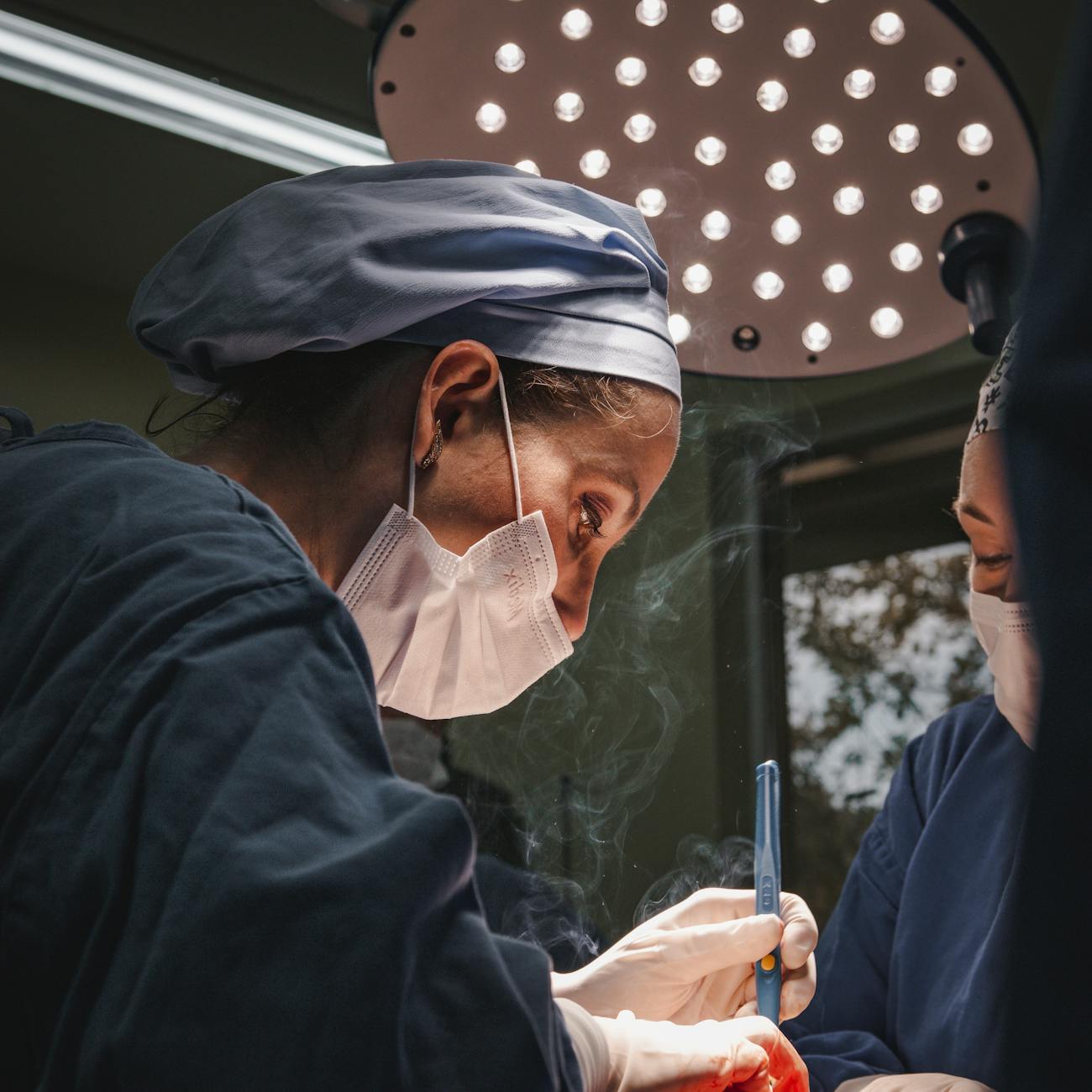
Patient-Centered Care in Clinical Education:
Patient-centered care in clinical education is a crucial concept that emphasizes the importance of tailoring healthcare services to meet the individual needs and preferences of each patient. It is a model of care that puts the patient at the center of the healthcare experience, involving them in decision-making and empowering them to take an active role in their own health management.
Key Terms and Vocabulary:
1. Patient-Centered Care: Patient-centered care is an approach to healthcare that prioritizes the individual needs, preferences, and values of each patient. It involves treating patients as partners in their care, rather than passive recipients of services.
2. Clinical Education: Clinical education refers to the practical training that healthcare professionals receive in clinical settings, such as hospitals, clinics, and other healthcare facilities. It is an essential component of healthcare training programs.
3. Interprofessional Education: Interprofessional education involves healthcare professionals from different disciplines learning together to improve collaboration and communication in patient care. It emphasizes teamwork and a holistic approach to healthcare.
4. Communication Skills: Communication skills are essential for healthcare professionals to effectively interact with patients, colleagues, and other healthcare providers. They include verbal and nonverbal communication, active listening, empathy, and cultural competence.
5. Empathy: Empathy is the ability to understand and share the feelings of another person. It is a crucial skill for healthcare professionals to connect with patients on a deeper level and provide more personalized care.
6. Cultural Competence: Cultural competence refers to the ability of healthcare providers to understand and respect the cultural beliefs, values, and practices of their patients. It is essential for providing culturally sensitive care and addressing the diverse needs of patients.
7. Shared Decision-Making: Shared decision-making involves healthcare providers and patients working together to make healthcare decisions that are informed by the best available evidence and the patient's preferences and values. It promotes patient autonomy and improves treatment outcomes.
8. Health Literacy: Health literacy is the ability of individuals to understand and use health information to make informed decisions about their health. Healthcare providers play a crucial role in improving health literacy among patients to promote better health outcomes.
9. Continuing Professional Development: Continuing professional development (CPD) involves healthcare professionals engaging in ongoing learning and skill development to improve their clinical practice and stay up-to-date with the latest advancements in healthcare.
10. Patient Safety: Patient safety is a priority in healthcare that focuses on preventing harm to patients during the delivery of healthcare services. It involves identifying and mitigating risks, promoting a culture of safety, and implementing strategies to improve patient outcomes.
11. Quality Improvement: Quality improvement in healthcare involves systematic efforts to enhance the quality of care provided to patients. It focuses on identifying areas for improvement, implementing changes, and monitoring outcomes to ensure ongoing quality care.
12. Professionalism: Professionalism in healthcare refers to the ethical standards, behaviors, and attitudes that healthcare professionals should uphold in their practice. It includes integrity, respect, accountability, and a commitment to patient-centered care.
13. Reflective Practice: Reflective practice is a process in which healthcare professionals critically analyze their experiences, actions, and decisions to improve their practice. It involves self-awareness, self-assessment, and continuous learning.
14. Feedback: Feedback is information provided to healthcare professionals about their performance, behaviors, or actions. It is essential for learning and improvement, helping professionals identify strengths and areas for development in their practice.
15. Evidence-Based Practice: Evidence-based practice involves integrating the best available evidence from research, clinical expertise, and patient preferences to inform clinical decision-making. It is a systematic approach to providing high-quality, individualized care.
16. Professional Development: Professional development refers to the process of acquiring new knowledge, skills, and competencies to enhance one's professional practice. It is essential for healthcare professionals to stay current in their field and deliver high-quality care.
17. Simulation-Based Learning: Simulation-based learning involves using simulated scenarios to practice and enhance clinical skills in a safe and controlled environment. It provides healthcare professionals with opportunities to improve their clinical competence and decision-making.
18. Teamwork: Teamwork in healthcare involves collaboration and communication among healthcare professionals to provide coordinated and comprehensive care to patients. It requires mutual respect, effective communication, and a shared goal of improving patient outcomes.
19. Professional Boundaries: Professional boundaries in healthcare refer to the limits that healthcare professionals set to maintain a therapeutic relationship with patients. They help ensure ethical practice, patient safety, and professional integrity.
20. Leadership: Leadership in healthcare involves guiding and inspiring others to achieve common goals and improve patient care. It requires effective communication, decision-making, and the ability to motivate and empower team members.
Practical Applications:
1. Role-Playing: Role-playing exercises can be used in clinical education to help healthcare professionals practice communication skills, empathy, and shared decision-making. By simulating patient interactions, professionals can improve their ability to connect with patients and provide personalized care.
2. Case-Based Learning: Case-based learning involves analyzing real-life patient cases to improve clinical reasoning and decision-making skills. By discussing and reflecting on complex cases, healthcare professionals can enhance their ability to provide evidence-based and patient-centered care.
3. Peer Feedback: Peer feedback is a valuable tool for healthcare professionals to receive constructive criticism and suggestions for improvement from their colleagues. By seeking feedback from peers, professionals can identify blind spots, enhance their skills, and promote a culture of continuous learning.
4. Multidisciplinary Team Meetings: Multidisciplinary team meetings bring together healthcare professionals from different disciplines to discuss patient cases, share expertise, and collaborate on treatment plans. By participating in these meetings, professionals can improve communication, teamwork, and patient outcomes.
5. Quality Improvement Projects: Quality improvement projects involve identifying areas for improvement in clinical practice, implementing changes, and evaluating outcomes. By engaging in quality improvement initiatives, healthcare professionals can enhance the quality of care, patient safety, and overall healthcare delivery.
Challenges:
1. Time Constraints: Healthcare professionals often face time constraints in clinical settings, which can impact their ability to provide patient-centered care and engage in educational activities. Finding ways to prioritize patient needs and professional development within limited time frames is a significant challenge.
2. Resistance to Change: Resistance to change among healthcare professionals can hinder the adoption of new practices, such as patient-centered care and interprofessional education. Overcoming resistance to change requires effective communication, leadership, and a commitment to continuous improvement.
3. Resource Limitations: Resource limitations, such as funding, staffing, and access to educational materials, can pose challenges in delivering high-quality clinical education and patient-centered care. Finding creative solutions to overcome resource constraints is essential for improving healthcare outcomes.
4. Workload Pressures: High workload pressures in healthcare settings can impact healthcare professionals' ability to engage in reflective practice, continuing education, and quality improvement initiatives. Balancing clinical responsibilities with professional development needs is a common challenge in clinical education.
5. Healthcare Disparities: Healthcare disparities, including differences in access to care, quality of care, and health outcomes among different populations, present challenges in delivering patient-centered care. Addressing healthcare disparities requires a focus on cultural competence, health equity, and social determinants of health.
Conclusion:
Patient-centered care in clinical education is a fundamental concept that emphasizes the importance of individualized care, shared decision-making, and collaboration among healthcare professionals. By integrating key terms and vocabulary related to patient-centered care into clinical education programs, healthcare professionals can enhance their skills, improve patient outcomes, and promote a culture of continuous learning and quality improvement. Emphasizing practical applications, addressing challenges, and fostering a commitment to patient-centered care can help healthcare professionals deliver high-quality, personalized care to meet the diverse needs of patients in clinical settings.
Key takeaways
- It is a model of care that puts the patient at the center of the healthcare experience, involving them in decision-making and empowering them to take an active role in their own health management.
- Patient-Centered Care: Patient-centered care is an approach to healthcare that prioritizes the individual needs, preferences, and values of each patient.
- Clinical Education: Clinical education refers to the practical training that healthcare professionals receive in clinical settings, such as hospitals, clinics, and other healthcare facilities.
- Interprofessional Education: Interprofessional education involves healthcare professionals from different disciplines learning together to improve collaboration and communication in patient care.
- Communication Skills: Communication skills are essential for healthcare professionals to effectively interact with patients, colleagues, and other healthcare providers.
- It is a crucial skill for healthcare professionals to connect with patients on a deeper level and provide more personalized care.
- Cultural Competence: Cultural competence refers to the ability of healthcare providers to understand and respect the cultural beliefs, values, and practices of their patients.