
Advanced Remediation Technologies
Advanced Remediation Technologies: Advanced remediation technologies refer to innovative and sophisticated methods used to clean up contaminated soil and groundwater. These technologies go beyond traditional remediation methods and offer mo…
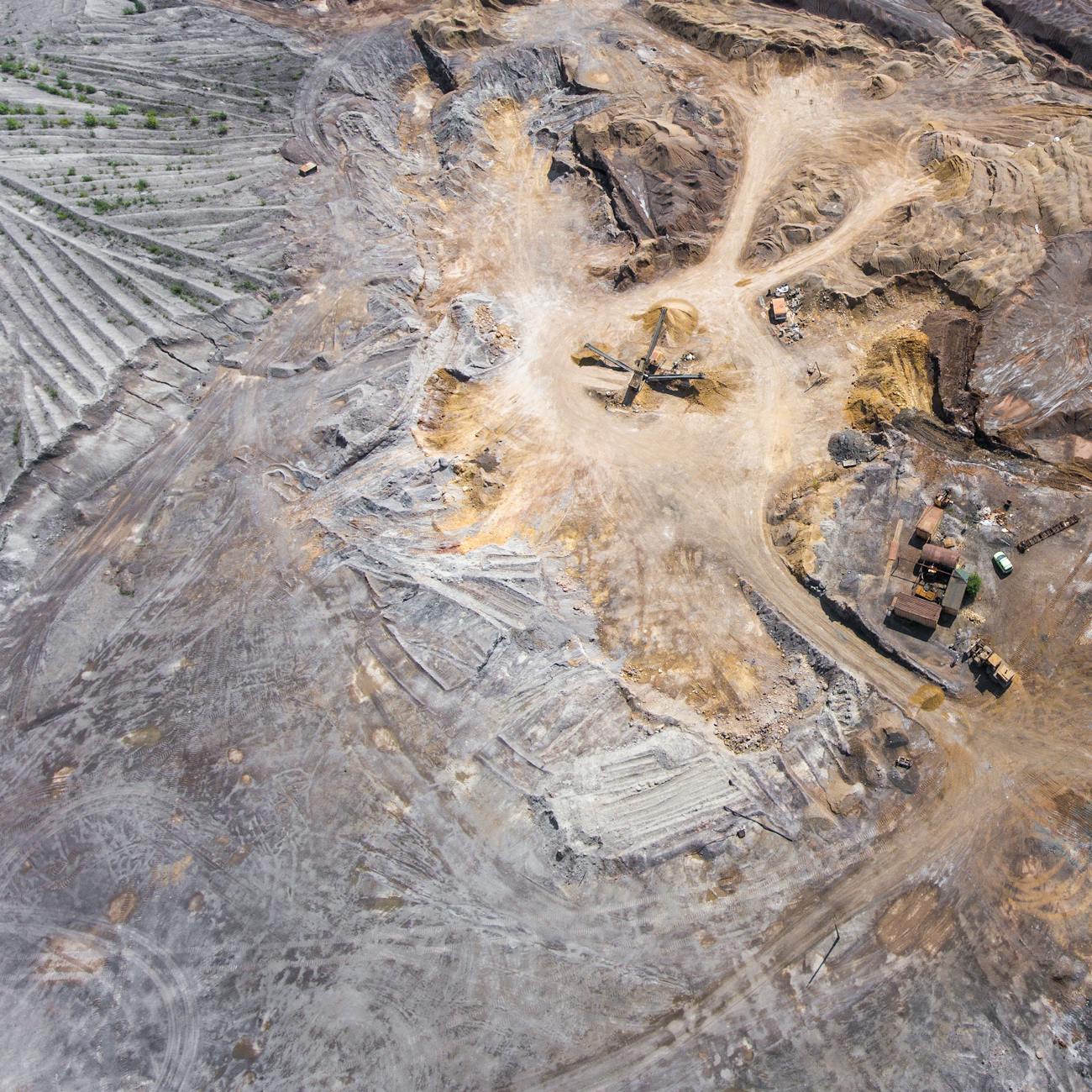
Advanced Remediation Technologies: Advanced remediation technologies refer to innovative and sophisticated methods used to clean up contaminated soil and groundwater. These technologies go beyond traditional remediation methods and offer more efficient and effective solutions for addressing complex environmental challenges.
Key Terms and Vocabulary:
Contaminant: A substance that pollutes or makes an environment impure. Contaminants can include chemicals, heavy metals, pathogens, and other harmful substances that pose risks to human health and the environment.
Remediation: The process of cleaning up or removing contaminants from soil, water, or air to restore environmental quality and protect human health. Remediation aims to eliminate or reduce the presence of pollutants to safe levels.
Soil Remediation: The process of treating contaminated soil to remove or neutralize pollutants. Soil remediation techniques can vary depending on the type and extent of contamination, and may involve physical, chemical, or biological methods.
Groundwater Remediation: The process of cleaning up contaminated groundwater to prevent the spread of pollutants and protect drinking water sources. Groundwater remediation technologies aim to remove contaminants from groundwater or prevent their migration to surface water bodies.
Example: Pump and Treat
Pump and Treat: A common groundwater remediation method that involves pumping contaminated groundwater to the surface, treating it to remove contaminants, and then re-injecting the clean water back into the ground. This method is effective for removing dissolved contaminants such as heavy metals, solvents, and petroleum products.
Challenge: Cost-effectiveness
Cost-effectiveness: The efficiency of a remediation technology in terms of achieving cleanup goals at a reasonable cost. Advanced remediation technologies often face challenges related to cost-effectiveness, as they may require significant investment in equipment, materials, and operation.
Example: In Situ Chemical Oxidation
In Situ Chemical Oxidation: An advanced remediation technology that involves injecting chemical oxidants into contaminated soil or groundwater to break down pollutants into harmless substances. This method is effective for treating organic contaminants such as petroleum hydrocarbons and chlorinated solvents.
Challenge: Site Characterization
Site Characterization: The process of assessing the nature and extent of contamination at a site to determine the most appropriate remediation strategy. Accurate site characterization is essential for successful remediation but can be challenging due to the complexity of subsurface conditions and the variability of contaminants.
Example: Thermal Desorption
Thermal Desorption: A soil remediation technology that uses heat to vaporize and remove contaminants from soil. Thermal desorption is effective for treating organic contaminants with low boiling points, such as volatile organic compounds (VOCs) and polycyclic aromatic hydrocarbons (PAHs).
Challenge: Long-Term Monitoring
Long-Term Monitoring: The ongoing assessment of a remediated site to ensure that contaminants do not reappear or migrate to other areas. Long-term monitoring is essential for verifying the effectiveness of remediation technologies and maintaining environmental compliance over time.
Example: Phytoremediation
Phytoremediation: A sustainable remediation approach that uses plants to remove, stabilize, or degrade contaminants in soil and groundwater. Phytoremediation can be effective for treating a wide range of pollutants, including heavy metals, pesticides, and hydrocarbons.
Challenge: Regulatory Compliance
Regulatory Compliance: The requirement for remediation projects to meet environmental regulations and standards set by government agencies. Advanced remediation technologies must comply with regulatory requirements to ensure the protection of human health and the environment.
Example: Electrokinetic Remediation
Electrokinetic Remediation: A soil remediation technology that uses electric fields to move contaminants through soil and groundwater for extraction or treatment. Electrokinetic remediation is effective for treating heavy metals, salts, and other ionic contaminants in fine-grained soils.
Challenge: Stakeholder Engagement
Stakeholder Engagement: The involvement of communities, government agencies, and other interested parties in the planning and implementation of remediation projects. Effective stakeholder engagement is essential for addressing concerns, building trust, and ensuring the success of advanced remediation technologies.
Example: Bioremediation
Bioremediation: A remediation technology that uses microorganisms to degrade or transform contaminants into less harmful substances. Bioremediation can be carried out in situ or ex situ and is effective for treating a wide range of organic pollutants, including petroleum hydrocarbons and pesticides.
Conclusion: Advanced remediation technologies play a crucial role in addressing soil and groundwater contamination and protecting human health and the environment. By understanding key terms and vocabulary related to remediation, professionals can effectively apply innovative solutions to complex environmental challenges and achieve sustainable cleanup goals.
Key takeaways
- Advanced Remediation Technologies: Advanced remediation technologies refer to innovative and sophisticated methods used to clean up contaminated soil and groundwater.
- Contaminants can include chemicals, heavy metals, pathogens, and other harmful substances that pose risks to human health and the environment.
- Remediation: The process of cleaning up or removing contaminants from soil, water, or air to restore environmental quality and protect human health.
- Soil remediation techniques can vary depending on the type and extent of contamination, and may involve physical, chemical, or biological methods.
- Groundwater Remediation: The process of cleaning up contaminated groundwater to prevent the spread of pollutants and protect drinking water sources.
- Pump and Treat: A common groundwater remediation method that involves pumping contaminated groundwater to the surface, treating it to remove contaminants, and then re-injecting the clean water back into the ground.
- Advanced remediation technologies often face challenges related to cost-effectiveness, as they may require significant investment in equipment, materials, and operation.