
Introduction to Human Rights Poetry
Introduction to Human Rights Poetry
Introduction to Human Rights Poetry
The course "Introduction to Human Rights Poetry" is a crucial part of the Certified Specialist Programme in Poetry for Human Rights. This course aims to explore the intersection of poetry and human rights, delving into the power of language to evoke empathy, raise awareness, and inspire action. By studying various poetic forms, techniques, and themes related to human rights issues, participants will gain a deeper understanding of how poetry can be used as a tool for advocacy, activism, and social change.
Key Terms and Vocabulary
1. Human Rights: These are fundamental rights and freedoms that every person is entitled to, simply by virtue of being human. They encompass a wide range of rights, including civil, political, economic, social, and cultural rights, as well as the right to development and environmental rights.
2. Poetry: Poetry is a form of literary expression that uses aesthetic and rhythmic qualities of language to evoke emotions and create meaning. It often employs metaphor, imagery, and symbolism to convey complex ideas and feelings.
3. Advocacy: Advocacy involves actively supporting a cause or issue, often by raising awareness, influencing public opinion, and promoting policy change. In the context of human rights poetry, advocacy can be achieved through the creation and dissemination of poems that address specific human rights violations or promote social justice.
4. Activism: Activism refers to efforts to promote, impede, direct, or intervene in social, political, economic, or environmental reform with the desire to make changes in society. Human rights poetry can serve as a form of activism by inspiring individuals to take action and stand up for justice.
5. Social Change: Social change refers to the transformation of societal structures, behaviors, and norms to create a more just, equitable, and inclusive society. Human rights poetry can play a vital role in driving social change by challenging existing power dynamics, raising awareness of injustices, and fostering empathy and solidarity.
6. Empathy: Empathy is the ability to understand and share the feelings of others. Human rights poetry can cultivate empathy by providing a window into the lived experiences of marginalized communities, fostering compassion, and promoting a sense of interconnectedness.
7. Awareness: Awareness refers to having knowledge or perception of a particular issue or situation. Human rights poetry can raise awareness by shedding light on human rights violations, amplifying marginalized voices, and challenging dominant narratives.
8. Symbolism: Symbolism is the use of symbols to represent ideas or qualities. In human rights poetry, symbols can be used to convey complex emotions, highlight injustices, or evoke universal truths.
9. Metaphor: A metaphor is a figure of speech that compares two unlike things, highlighting a similarity between them. Metaphors are commonly used in poetry to create vivid imagery, convey abstract concepts, and evoke emotional responses.
10. Imagery: Imagery refers to the use of vivid and descriptive language to create mental images in the reader's mind. Human rights poetry often employs powerful imagery to evoke sensory experiences, evoke emotions, and convey deeper meanings.
11. Justice: Justice is the principle of fairness and equity, ensuring that all individuals are treated with dignity, respect, and equality. Human rights poetry can advocate for justice by calling attention to injustices, challenging discriminatory practices, and promoting social change.
12. Resistance: Resistance involves opposing or fighting against oppressive systems, structures, or practices. Human rights poetry can serve as a form of resistance by giving voice to the marginalized, challenging dominant narratives, and empowering individuals to stand up against injustice.
13. Solidarity: Solidarity is the unity or agreement of feeling or action, especially among individuals with a common interest or purpose. Human rights poetry can foster solidarity by building connections, fostering empathy, and promoting collective action in support of human rights causes.
14. Freedom of Expression: Freedom of expression is the right to express one's opinions and ideas without interference, censorship, or reprisal. Human rights poetry embodies the spirit of freedom of expression by providing a platform for voices that are often silenced or marginalized.
15. Intersectionality: Intersectionality is the recognition of multiple intersecting identities and forms of oppression that individuals may experience. Human rights poetry can address intersectionality by acknowledging the complexities of human experience and advocating for the rights of all individuals, regardless of their background.
16. Colonialism: Colonialism refers to the establishment, maintenance, acquisition, and expansion of colonies in one territory by people from another territory. Human rights poetry can critique colonial legacies, challenge neocolonial practices, and advocate for decolonization and self-determination.
17. Genocide: Genocide is the deliberate killing of a large number of people from a particular nation or ethnic group with the aim of destroying that group. Human rights poetry can bear witness to genocides, memorialize victims, and raise awareness of ongoing atrocities to prevent future atrocities.
18. Refugees: Refugees are individuals who have been forced to flee their home countries due to persecution, conflict, or violence. Human rights poetry can give voice to the experiences of refugees, highlight their struggles, and advocate for their rights and protection.
19. Environmental Justice: Environmental justice is the fair treatment and meaningful involvement of all people, regardless of race, color, national origin, or income, in the development, implementation, and enforcement of environmental laws, regulations, and policies. Human rights poetry can address environmental justice issues, such as climate change, pollution, and environmental degradation, by raising awareness, advocating for sustainable practices, and promoting environmental rights.
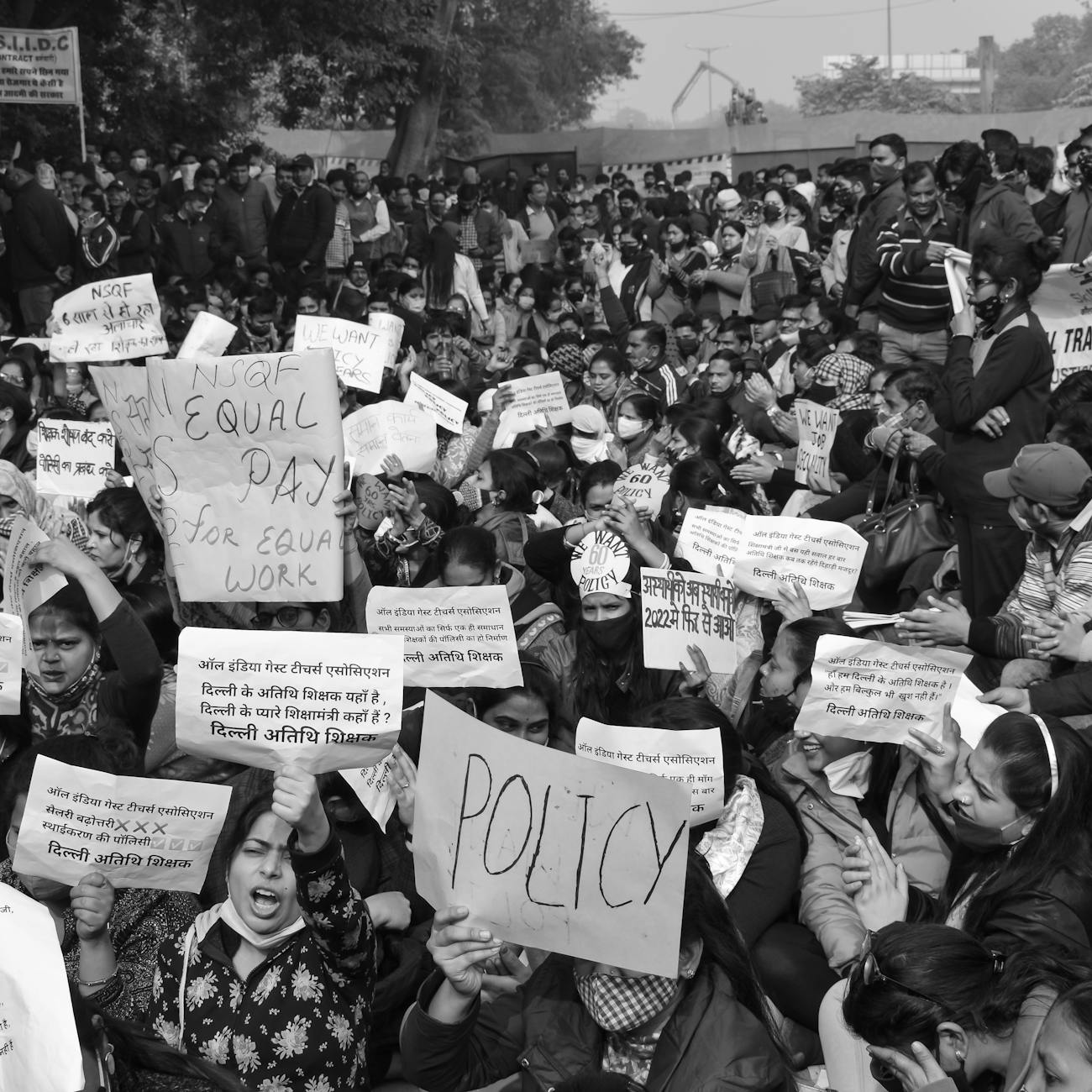
20. Freedom of Assembly: Freedom of assembly is the right to gather, protest, and demonstrate peacefully in public spaces. Human rights poetry can celebrate the power of collective action, protest movements, and social mobilization to demand justice, equality, and human rights protections.
Practical Applications
1. Writing Poetry for Human Rights: Participants in the course will have the opportunity to write their own human rights poems, drawing inspiration from the themes, techniques, and forms discussed in the lectures and readings. They will be encouraged to explore personal experiences, historical events, and current issues to create powerful, evocative poems that speak to the heart of human rights struggles.
2. Performing Human Rights Poetry: Participants can also engage in the performance of human rights poetry, whether through spoken word events, poetry slams, or online platforms. By sharing their work with a wider audience, they can amplify the impact of their poems, raise awareness of human rights issues, and inspire others to take action.
3. Collaborating with Human Rights Organizations: Participants can collaborate with human rights organizations, advocacy groups, and grassroots movements to use their poetry as a tool for social change. By partnering with like-minded organizations, they can reach new audiences, engage in advocacy campaigns, and contribute to collective efforts to promote human rights and social justice.
4. Creating Anthologies and Zines: Participants can compile their human rights poems into anthologies, zines, or digital collections to share with others. By curating diverse voices and perspectives on human rights issues, they can create powerful, cohesive narratives that resonate with readers and spark conversations about social change.
Challenges
1. Vulnerability and Emotional Labor: Writing human rights poetry can be emotionally challenging, as it often involves grappling with difficult and traumatic subject matter. Participants may struggle with feelings of vulnerability, grief, anger, or helplessness as they confront human rights violations and injustices in their work.
2. Rejection and Criticism: Human rights poetry can be met with resistance, rejection, or criticism from audiences who may not be receptive to its message or style. Participants may face challenges in finding platforms for their work, receiving feedback, or navigating conflicting perspectives on human rights issues.
3. Self-Censorship and Safety Concerns: In some contexts, speaking out on human rights issues through poetry can pose risks to personal safety, security, or well-being. Participants may need to navigate self-censorship, anonymity, or encryption to protect themselves and their work from potential threats or reprisals.
4. Intersectional Identities and Perspectives: Participants with diverse intersectional identities and experiences may face challenges in addressing human rights issues that intersect with race, gender, sexuality, disability, or other aspects of identity. They may need to navigate complex power dynamics, privilege, and marginalization in their poetry and advocacy work.
5. Language and Cultural Barriers: Human rights poetry can present challenges in translation, cultural adaptation, or linguistic accessibility for global audiences. Participants may need to consider how their work resonates across different languages, cultures, and contexts to ensure its impact and reach.
6. Engaging with Diverse Audiences: Participants may encounter challenges in engaging diverse audiences, including those who may not be familiar with human rights issues, poetry, or advocacy. They may need to develop strategies for building bridges, fostering dialogue, and creating inclusive spaces for dialogue and reflection.
7. Long-Term Impact and Sustainability: Participants may grapple with questions of long-term impact, sustainability, and scalability in their human rights poetry practice. They may need to consider how to sustain their advocacy efforts, build community support, and leverage their work for lasting social change beyond the course.
8. Self-Care and Resilience: Writing human rights poetry can take a toll on participants' mental health, emotional well-being, and creative energy. They may need to prioritize self-care practices, seek support from peers, mentors, or mental health professionals, and cultivate resilience in the face of adversity and burnout.
By engaging with key terms and vocabulary related to human rights poetry, participants in the course will be equipped with the tools, insights, and skills needed to create meaningful, impactful, and transformative poetry that speaks to the heart of human rights struggles. Through their writing, performance, collaboration, and advocacy efforts, they can contribute to a more just, equitable, and compassionate world where the power of poetry is harnessed for social change and human rights protection.
Key takeaways
- By studying various poetic forms, techniques, and themes related to human rights issues, participants will gain a deeper understanding of how poetry can be used as a tool for advocacy, activism, and social change.
- They encompass a wide range of rights, including civil, political, economic, social, and cultural rights, as well as the right to development and environmental rights.
- Poetry: Poetry is a form of literary expression that uses aesthetic and rhythmic qualities of language to evoke emotions and create meaning.
- In the context of human rights poetry, advocacy can be achieved through the creation and dissemination of poems that address specific human rights violations or promote social justice.
- Activism: Activism refers to efforts to promote, impede, direct, or intervene in social, political, economic, or environmental reform with the desire to make changes in society.
- Human rights poetry can play a vital role in driving social change by challenging existing power dynamics, raising awareness of injustices, and fostering empathy and solidarity.
- Human rights poetry can cultivate empathy by providing a window into the lived experiences of marginalized communities, fostering compassion, and promoting a sense of interconnectedness.