
Introduction to Gentle Exercise Programs
Gentle Exercise Programs
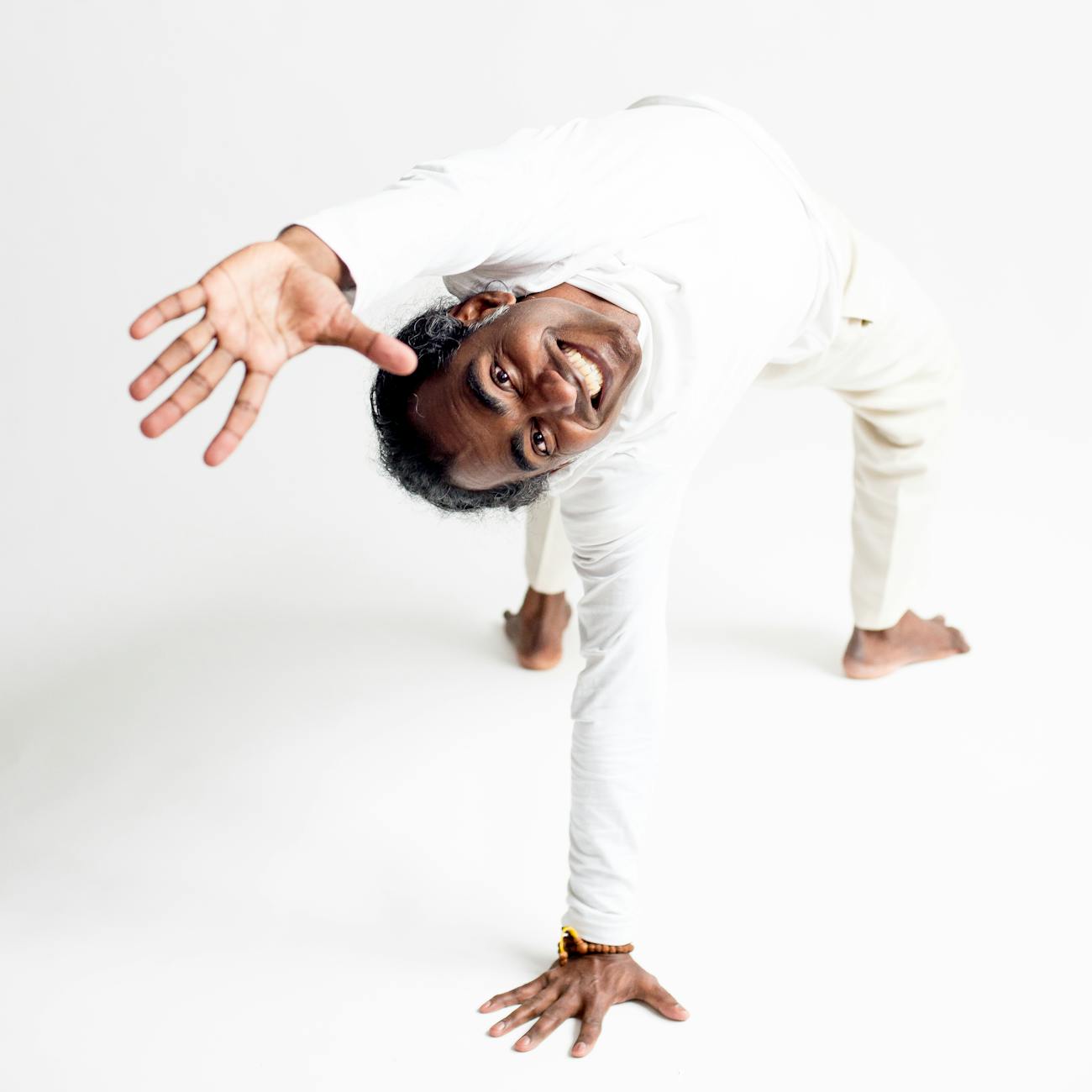
Gentle Exercise Programs
Gentle exercise programs are designed to cater to individuals who may have physical limitations or health concerns that prevent them from engaging in more strenuous forms of exercise. These programs focus on low-impact activities that help improve flexibility, strength, balance, and overall well-being without causing undue stress on the body. Gentle exercise programs are often recommended for older adults, individuals recovering from injury or surgery, or those with chronic conditions such as arthritis or osteoporosis.
Key Terms and Concepts
1. Low-Impact: Low-impact exercises are activities that do not put excessive stress on the joints. Examples include walking, swimming, and cycling. These exercises are gentler on the body and are less likely to cause injury compared to high-impact activities like running or jumping.
2. Flexibility: Flexibility refers to the range of motion in a joint or group of joints. Gentle exercise programs often include stretching exercises to improve flexibility and prevent stiffness. Flexibility is important for maintaining mobility and preventing injuries.
3. Strength: Strength training exercises help build muscle mass and improve overall strength. In gentle exercise programs, strength exercises may involve using light weights, resistance bands, or body weight to target different muscle groups. Strength training is essential for maintaining muscle mass, bone density, and functional independence.
4. Balance: Balance exercises are important for preventing falls, especially in older adults. These exercises help improve stability and coordination, reducing the risk of injuries. Balance exercises in gentle exercise programs may include standing on one leg, walking heel to toe, or using balance pads.
5. Well-being: Well-being refers to a state of overall health and happiness. Gentle exercise programs not only focus on physical health but also on mental well-being. Regular exercise can improve mood, reduce stress, and boost self-esteem. Well-being is a holistic concept that encompasses physical, emotional, and social aspects of health.
6. Arthritis: Arthritis is a common condition characterized by inflammation of the joints. It can cause pain, stiffness, and swelling, making movement difficult. Gentle exercise programs can help manage arthritis symptoms by improving flexibility, strength, and joint function. Water aerobics, tai chi, and yoga are beneficial for individuals with arthritis.
7. Osteoporosis: Osteoporosis is a condition characterized by low bone density, making bones weak and more susceptible to fractures. Gentle exercise programs that include weight-bearing exercises, such as walking or dancing, can help strengthen bones and reduce the risk of fractures. Balance exercises are also important for individuals with osteoporosis to prevent falls.
8. Recovery: Recovery refers to the process of regaining health and function after an injury, surgery, or illness. Gentle exercise programs play a crucial role in the recovery process by promoting healing, improving mobility, and restoring strength. These programs are often tailored to the individual's specific needs and limitations.
9. Functional Independence: Functional independence refers to the ability to perform everyday tasks without assistance. Gentle exercise programs aim to improve functional abilities such as walking, climbing stairs, and lifting objects. By enhancing strength, flexibility, and balance, individuals can maintain their independence and quality of life.
10. Adaptations: Adaptations are modifications made to exercises to accommodate individual needs or limitations. In gentle exercise programs, adaptations may include using a chair for support, adjusting the range of motion, or using lighter resistance. It is important to tailor exercises to each participant's abilities to ensure safety and effectiveness.
11. Progression: Progression involves gradually increasing the intensity or complexity of exercises over time. In gentle exercise programs, progression helps individuals build strength, endurance, and flexibility. It is important to monitor participants' progress and adjust the program accordingly to continue challenging them while avoiding injury.
12. Monitoring: Monitoring involves keeping track of participants' progress, feedback, and any changes in their health or abilities. In gentle exercise programs, monitoring helps instructors assess the effectiveness of the program, identify areas for improvement, and ensure participants' safety. Regular monitoring allows for adjustments to be made to the program as needed.
13. Individualized: Individualized programs are tailored to meet the unique needs and goals of each participant. In gentle exercise programs, instructors should take into account participants' health conditions, physical abilities, and preferences when designing a program. Individualized programs are more effective in helping individuals achieve their desired outcomes.
14. Group Dynamics: Group dynamics refer to the interactions and relationships among participants in a group exercise setting. In gentle exercise programs, group dynamics can influence motivation, social support, and enjoyment. Creating a positive and inclusive atmosphere can enhance participants' experience and adherence to the program.
15. Education: Education plays a crucial role in gentle exercise programs by providing participants with information on the benefits of exercise, proper techniques, and safety precautions. Instructors should educate participants on how to perform exercises correctly, modify movements as needed, and listen to their bodies. Education empowers participants to take control of their health and well-being.
16. Consistency: Consistency refers to the regularity and continuity of exercise participation. In gentle exercise programs, consistency is key to achieving desired outcomes such as improved fitness, mobility, and quality of life. Encouraging participants to stick to a regular exercise routine can help them experience long-term benefits.
17. Challenges: Challenges are obstacles or difficulties that participants may face during a gentle exercise program. Common challenges include lack of motivation, physical discomfort, or time constraints. Instructors should be prepared to address these challenges by providing support, encouragement, and modifications to help participants overcome barriers and stay engaged in the program.
18. Self-Efficacy: Self-efficacy refers to an individual's belief in their ability to successfully perform a specific task or behavior. In gentle exercise programs, building self-efficacy is important for increasing confidence, motivation, and adherence. Instructors can help enhance self-efficacy by setting achievable goals, providing positive feedback, and fostering a supportive environment.
19. Social Support: Social support is the encouragement, assistance, and companionship provided by others. In gentle exercise programs, social support from instructors and peers can enhance motivation, accountability, and enjoyment. Creating a sense of community and camaraderie within the group can help participants stay motivated and committed to their exercise routine.
20. Feedback: Feedback is information provided to participants about their performance, progress, or technique. In gentle exercise programs, feedback helps participants understand how well they are doing and where they can improve. Constructive feedback from instructors can guide participants in making adjustments to their form, intensity, or frequency of exercises.
21. Fun and Enjoyment: Fun and enjoyment are important aspects of gentle exercise programs that can increase motivation and adherence. Incorporating variety, music, games, and social activities can make exercise more engaging and enjoyable for participants. Creating a positive and upbeat atmosphere can enhance the overall experience and encourage participants to continue with the program.
22. Long-Term Benefits: Long-term benefits refer to the positive outcomes that individuals can experience from participating in gentle exercise programs over an extended period. These benefits may include improved physical fitness, mental well-being, quality of life, and independence. Consistent participation in gentle exercise programs can lead to lasting health improvements and a higher overall sense of well-being.
23. Health Promotion: Health promotion involves empowering individuals to take control of their health and make positive lifestyle choices. Gentle exercise programs are a form of health promotion that encourages regular physical activity, which can help prevent chronic diseases, manage existing health conditions, and improve overall health and well-being. By promoting physical activity, instructors can support participants in achieving optimal health outcomes.
24. Professional Development: Professional development refers to activities and opportunities that help instructors enhance their knowledge, skills, and abilities in the field of gentle exercise programs. Continuing education, workshops, certifications, and networking can all contribute to professional development. By staying current with best practices and trends, instructors can deliver high-quality programs and provide the best possible care for their participants.
25. Evidence-Based Practice: Evidence-based practice involves using current research, best practices, and scientific evidence to inform decision-making and program development. Instructors of gentle exercise programs should rely on evidence-based practices to ensure the safety, effectiveness, and quality of their programs. By staying informed about the latest research and guidelines, instructors can deliver evidence-based programs that yield positive outcomes for participants.
26. Empowerment: Empowerment involves enabling individuals to take ownership of their health and well-being through education, support, and encouragement. In gentle exercise programs, empowerment is achieved by providing participants with the knowledge, skills, and resources to make informed decisions about their health. By empowering participants to make positive lifestyle changes, instructors can help them achieve their health goals and improve their quality of life.
27. Inclusivity: Inclusivity refers to creating an environment that welcomes and accommodates individuals of all backgrounds, abilities, and identities. In gentle exercise programs, inclusivity is important for ensuring that everyone feels valued, respected, and supported. Instructors should strive to create an inclusive and diverse environment where all participants can feel comfortable and encouraged to participate.
28. Risk Management: Risk management involves identifying, assessing, and minimizing potential risks or hazards associated with gentle exercise programs. Instructors should be knowledgeable about safety protocols, emergency procedures, and risk factors that may affect participants. By implementing risk management strategies, instructors can create a safe and secure environment for participants to engage in exercise.
29. Self-Care: Self-care refers to the practice of taking care of one's physical, emotional, and mental well-being. Instructors of gentle exercise programs should prioritize self-care to prevent burnout, maintain energy levels, and sustain their passion for helping others. By practicing self-care, instructors can better support their participants and ensure the long-term success of their programs.
30. Professionalism: Professionalism involves demonstrating integrity, respect, and accountability in all interactions and responsibilities. Instructors of gentle exercise programs should uphold high standards of professionalism by adhering to ethical guidelines, maintaining confidentiality, and treating all participants with dignity and respect. By embodying professionalism, instructors can build trust, credibility, and positive relationships with their participants.
By familiarizing yourself with these key terms and concepts in gentle exercise programs, you will be better equipped to design, implement, and evaluate effective programs that promote health, well-being, and quality of life for participants. Incorporating these principles into your practice can help you make a positive impact on the lives of individuals seeking to improve their physical fitness and overall health through gentle exercise.
Key takeaways
- Gentle exercise programs are designed to cater to individuals who may have physical limitations or health concerns that prevent them from engaging in more strenuous forms of exercise.
- These exercises are gentler on the body and are less likely to cause injury compared to high-impact activities like running or jumping.
- Gentle exercise programs often include stretching exercises to improve flexibility and prevent stiffness.
- In gentle exercise programs, strength exercises may involve using light weights, resistance bands, or body weight to target different muscle groups.
- Balance exercises in gentle exercise programs may include standing on one leg, walking heel to toe, or using balance pads.
- Well-being is a holistic concept that encompasses physical, emotional, and social aspects of health.
- Gentle exercise programs can help manage arthritis symptoms by improving flexibility, strength, and joint function.