
Introduction to Military Strategy
Military strategy is a vital component of warfare that involves the planning and execution of military operations to achieve specific objectives. It encompasses a range of activities, from the deployment of troops and resources to the coord…
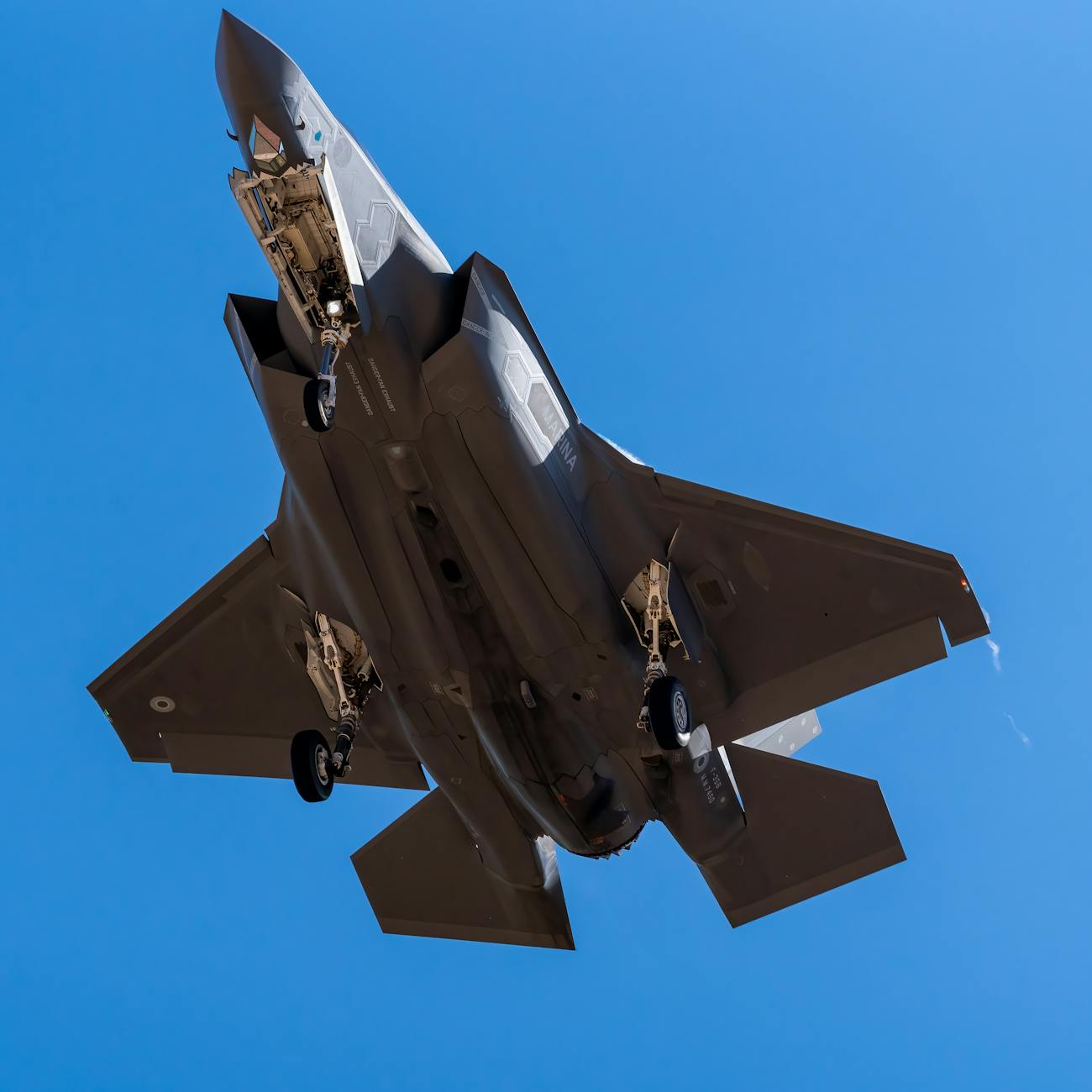
Military strategy is a vital component of warfare that involves the planning and execution of military operations to achieve specific objectives. It encompasses a range of activities, from the deployment of troops and resources to the coordination of tactics and maneuvers on the battlefield. In this course, participants will explore the principles, theories, and practices of military strategy, with a particular focus on how Geographic Information Systems (GIS) can enhance strategic mapping and decision-making processes.
Key Terms and Vocabulary:
1. **Military Strategy:** Military strategy refers to the overarching plan or approach adopted by a military to achieve its objectives in warfare. It involves the allocation of resources, the selection of tactics, and the coordination of forces to achieve strategic aims.
2. **Geographic Information Systems (GIS):** GIS is a technology that captures, analyzes, and displays spatial data to support decision-making processes. It allows users to visualize, interpret, and understand geographic information to solve complex problems.
3. **Strategic Mapping:** Strategic mapping involves the visualization and analysis of geographical data to inform military decision-making. It helps military planners identify key terrain features, assess enemy positions, and plan effective operations.
4. **Operational Level of War:** The operational level of war focuses on the planning and execution of campaigns and major operations to achieve strategic objectives. It bridges the gap between strategic goals and tactical actions.
5. **Tactical Level of War:** The tactical level of war involves the planning and execution of specific engagements and battles to achieve operational objectives. It includes the deployment of forces, the selection of tactics, and the coordination of units on the battlefield.
6. **Doctrine:** Military doctrine refers to the set of principles, guidelines, and best practices that guide military organizations in the conduct of operations. It provides a framework for decision-making and ensures unity of effort across the force.
7. **Force Structure:** Force structure refers to the organization and composition of military forces. It includes the size, capabilities, and disposition of units within a military organization.
8. **Command and Control (C2):** Command and control refers to the exercise of authority and direction by a commander over assigned forces. It encompasses planning, decision-making, communication, and coordination to achieve mission success.
9. **Intelligence:** Intelligence refers to the collection, analysis, and dissemination of information to support military decision-making. It provides commanders with situational awareness and helps them understand the enemy's capabilities and intentions.
10. **Logistics:** Logistics involves the planning, coordination, and execution of the movement and sustainment of forces in military operations. It ensures that troops have the necessary supplies, equipment, and support to accomplish their mission.
11. **Joint Operations:** Joint operations involve the coordinated efforts of multiple military services (e.g., Army, Navy, Air Force) to achieve common objectives. It requires seamless integration of capabilities and cooperation across different branches of the military.
12. **Combined Arms:** Combined arms refers to the integration of different types of military forces (e.g., infantry, armor, artillery) to achieve synergistic effects on the battlefield. It leverages the strengths of each arm to maximize combat power.
13. **Asymmetric Warfare:** Asymmetric warfare involves the use of unconventional tactics and strategies by a weaker opponent to exploit the vulnerabilities of a stronger adversary. It challenges traditional military doctrines and requires innovative approaches to counter.
14. **Counterinsurgency (COIN):** Counterinsurgency is a military and political strategy to defeat an insurgency by winning the support of the population and addressing the root causes of the conflict. It involves a mix of military, political, economic, and social measures.
15. **Power Projection:** Power projection refers to the ability of a military to deploy and sustain forces in distant locations to influence events and deter potential adversaries. It includes the capability to conduct expeditionary operations and project force globally.
16. **Deterrence:** Deterrence is a strategy to prevent aggression by convincing potential adversaries that the costs of hostile actions outweigh the benefits. It relies on the credible threat of retaliation to dissuade adversaries from initiating conflict.
17. **Containment:** Containment is a strategy to prevent the expansion of an adversary's influence by isolating and limiting its capabilities. It aims to constrain the adversary's actions and prevent further aggression.
18. **Escalation:** Escalation refers to the intensification of conflict through the use of increasingly forceful measures. It can lead to a spiral of violence and may result in a wider and more destructive conflict.
19. **Decisive Point:** A decisive point is a geographic location or event that, if controlled or influenced, can have a significant impact on the outcome of a military operation. It is a key objective that, if seized, can lead to victory.
20. **Center of Gravity:** The center of gravity is the source of an opponent's power or strength that, if neutralized or exploited, can lead to victory in warfare. It is a critical vulnerability that, when targeted, can undermine the enemy's ability to resist.
21. **Lines of Communication (LOC):** Lines of communication are routes used for the movement of troops, supplies, and information between military units. They are essential for sustaining operations and maintaining the flow of resources in the theater of war.
22. **Force Multiplier:** A force multiplier is a capability or factor that significantly increases the effectiveness of military forces. It can enhance combat power, improve operational efficiency, and provide a decisive advantage in warfare.
23. **Interoperability:** Interoperability refers to the ability of different military forces to work together effectively by sharing information, resources, and capabilities. It enables joint and combined operations and enhances unity of effort.
24. **Risk Assessment:** Risk assessment involves the identification, analysis, and evaluation of potential risks and threats to military operations. It helps commanders anticipate challenges, mitigate vulnerabilities, and make informed decisions under uncertainty.
25. **Decision Support:** Decision support involves the use of information, analysis, and tools to assist commanders in making timely and informed decisions. It provides situational awareness, forecasts outcomes, and evaluates courses of action.
26. **Mission Command:** Mission command is a leadership philosophy that empowers subordinates to exercise initiative, adapt to changing circumstances, and achieve mission success. It emphasizes decentralized decision-making and fosters a culture of trust and empowerment.
27. **Cyber Warfare:** Cyber warfare involves the use of digital technologies to disrupt, degrade, or destroy an adversary's computer networks and information systems. It poses new challenges and opportunities for military strategy in the digital age.
28. **Artificial Intelligence (AI):** Artificial intelligence is the simulation of human intelligence processes by machines, especially computer systems. It has the potential to revolutionize military operations by enhancing decision-making, automation, and information processing.
29. **Unmanned Aerial Vehicles (UAVs):** Unmanned aerial vehicles, or drones, are aircraft operated without a human pilot on board. They are used for reconnaissance, surveillance, and strike missions in military operations to gather intelligence and conduct precision strikes.
30. **Hybrid Warfare:** Hybrid warfare combines conventional military tactics with unconventional methods, such as cyber attacks, propaganda, and irregular warfare. It blurs the boundaries between war and peace and challenges traditional concepts of conflict.
Practical Applications:
- Using GIS to analyze terrain features and enemy positions to plan effective military operations. - Applying joint operations to leverage the strengths of different military services in a coordinated campaign. - Implementing counterinsurgency strategies to win the hearts and minds of the population and defeat insurgent forces. - Leveraging artificial intelligence and unmanned systems to enhance situational awareness and decision-making on the battlefield. - Conducting risk assessments to identify vulnerabilities, anticipate threats, and mitigate risks in military operations.
Challenges:
- Adapting to rapidly changing technological advancements and integrating new capabilities into military operations. - Balancing the need for centralized control with decentralized decision-making in mission command environments. - Addressing the ethical and legal implications of emerging technologies, such as cyber warfare and autonomous weapons systems. - Managing the complexity of modern warfare, which involves a mix of conventional, irregular, and hybrid threats. - Ensuring interoperability and coordination among diverse military forces and partner nations in joint and combined operations.
In conclusion, military strategy is a dynamic and complex field that requires a deep understanding of key concepts, principles, and practices. By mastering the vocabulary and terminology of military strategy, participants in the Executive Certificate in Military Strategic Mapping using GIS will be better equipped to analyze, plan, and execute military operations effectively in a rapidly changing security environment.
Key takeaways
- In this course, participants will explore the principles, theories, and practices of military strategy, with a particular focus on how Geographic Information Systems (GIS) can enhance strategic mapping and decision-making processes.
- **Military Strategy:** Military strategy refers to the overarching plan or approach adopted by a military to achieve its objectives in warfare.
- **Geographic Information Systems (GIS):** GIS is a technology that captures, analyzes, and displays spatial data to support decision-making processes.
- **Strategic Mapping:** Strategic mapping involves the visualization and analysis of geographical data to inform military decision-making.
- **Operational Level of War:** The operational level of war focuses on the planning and execution of campaigns and major operations to achieve strategic objectives.
- **Tactical Level of War:** The tactical level of war involves the planning and execution of specific engagements and battles to achieve operational objectives.
- **Doctrine:** Military doctrine refers to the set of principles, guidelines, and best practices that guide military organizations in the conduct of operations.