
Clinical Applications of Neuroinformatics
Neuroinformatics is a multidisciplinary field that combines neuroscience and informatics to advance our understanding of the brain and its functions. It involves the collection, organization, analysis, and interpretation of large-scale neur…
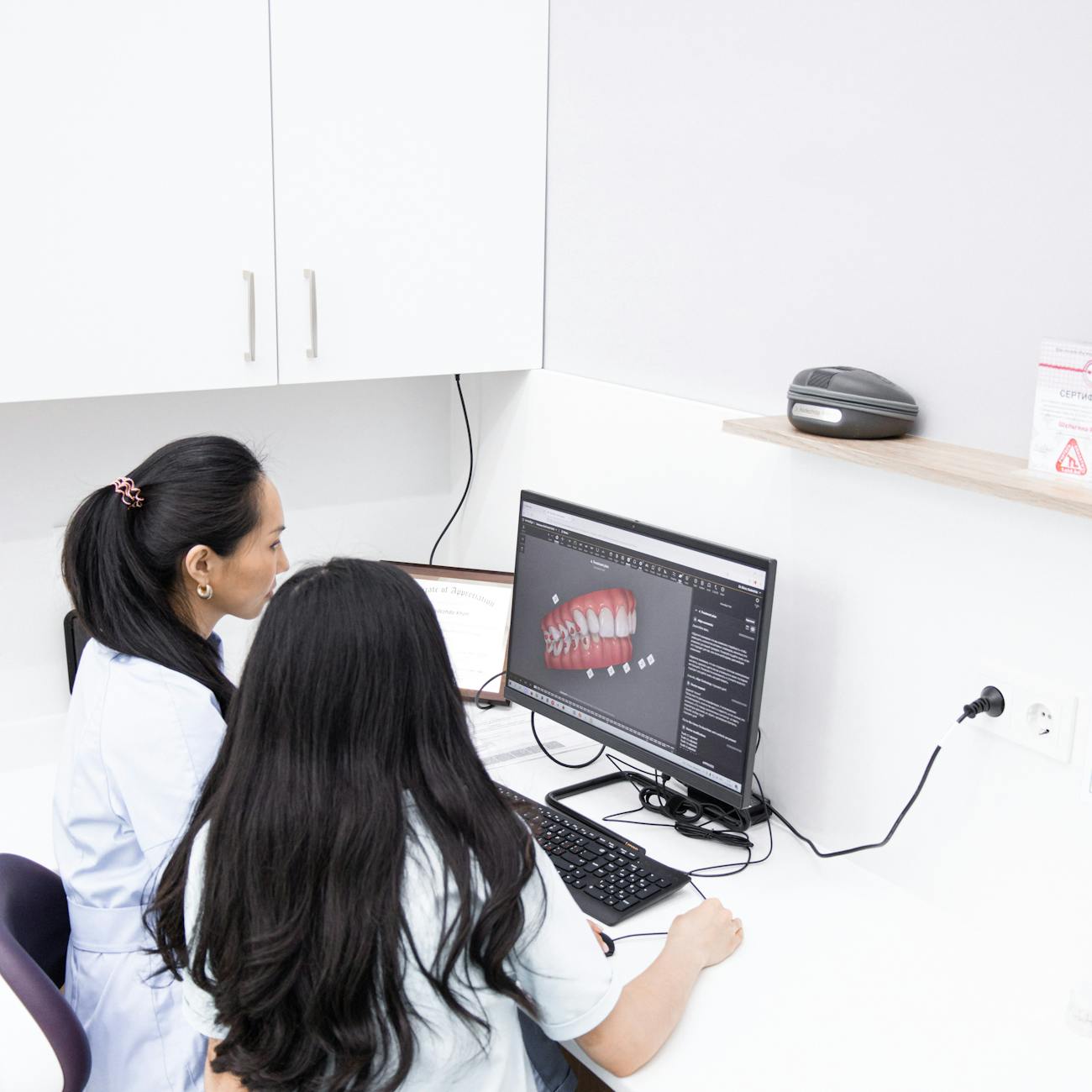
Neuroinformatics is a multidisciplinary field that combines neuroscience and informatics to advance our understanding of the brain and its functions. It involves the collection, organization, analysis, and interpretation of large-scale neuroscientific data using computational tools and techniques. In the Clinical Applications of Neuroinformatics course, students will explore how neuroinformatics can be applied to various clinical settings to improve diagnosis, treatment, and management of neurological disorders.
Key Terms and Vocabulary:
1. **Neuroinformatics**: The integration of neuroscience and informatics to analyze and interpret brain-related data.
2. **Clinical Applications**: The practical use of neuroinformatics in medical and healthcare settings to address clinical problems.
3. **Neuroimaging**: Techniques used to visualize the structure and function of the brain, such as MRI, CT, PET, and fMRI.
4. **Brain Mapping**: The process of creating detailed maps of the brain, including its structures and functions.
5. **Neurological Disorders**: Conditions that affect the brain, spinal cord, and nerves, such as Alzheimer's disease, Parkinson's disease, epilepsy, and stroke.
6. **Data Mining**: The process of discovering patterns and insights from large datasets using computational algorithms.
7. **Machine Learning**: A subset of artificial intelligence that enables computers to learn from data and make predictions without being explicitly programmed.
8. **Deep Learning**: A type of machine learning that uses neural networks to model and interpret complex patterns in data.
9. **Genomics**: The study of an organism's complete set of DNA, including genes and their functions.
10. **Transcriptomics**: The study of RNA transcripts produced by the genome to understand gene expression patterns.
11. **Proteomics**: The study of proteins and their functions in biological systems.
12. **Connectomics**: The study of neural connections in the brain to understand how information is processed and transmitted.
13. **Brain-Computer Interface (BCI)**: A technology that enables direct communication between the brain and an external device, often used for assistive purposes.
14. **Neural Networks**: Networks of interconnected neurons that are used to model complex relationships in data.
15. **Big Data**: Extremely large datasets that require advanced computational tools and techniques for analysis.
16. **Data Integration**: The process of combining data from multiple sources to gain a comprehensive understanding of a complex system.
17. **Data Visualization**: The creation of visual representations of data to facilitate understanding and communication.
18. **Neuroinformatics Tools**: Software and platforms designed to analyze, visualize, and interpret neuroscientific data.
19. **Ethical Considerations**: The moral and social implications of using neuroinformatics in clinical practice, including data privacy and patient consent.
20. **Challenges**: The obstacles and limitations faced when applying neuroinformatics in clinical settings, such as data quality, interpretation, and validation.
By mastering these key terms and vocabulary, students will be well-equipped to navigate the complex and dynamic field of Clinical Applications of Neuroinformatics. They will gain a deeper understanding of how neuroinformatics can revolutionize clinical practice and contribute to advancements in neuroscience and healthcare.
Key takeaways
- In the Clinical Applications of Neuroinformatics course, students will explore how neuroinformatics can be applied to various clinical settings to improve diagnosis, treatment, and management of neurological disorders.
- **Neuroinformatics**: The integration of neuroscience and informatics to analyze and interpret brain-related data.
- **Clinical Applications**: The practical use of neuroinformatics in medical and healthcare settings to address clinical problems.
- **Neuroimaging**: Techniques used to visualize the structure and function of the brain, such as MRI, CT, PET, and fMRI.
- **Brain Mapping**: The process of creating detailed maps of the brain, including its structures and functions.
- **Neurological Disorders**: Conditions that affect the brain, spinal cord, and nerves, such as Alzheimer's disease, Parkinson's disease, epilepsy, and stroke.
- **Data Mining**: The process of discovering patterns and insights from large datasets using computational algorithms.