
Regulation of International Trade
Regulation of International Trade
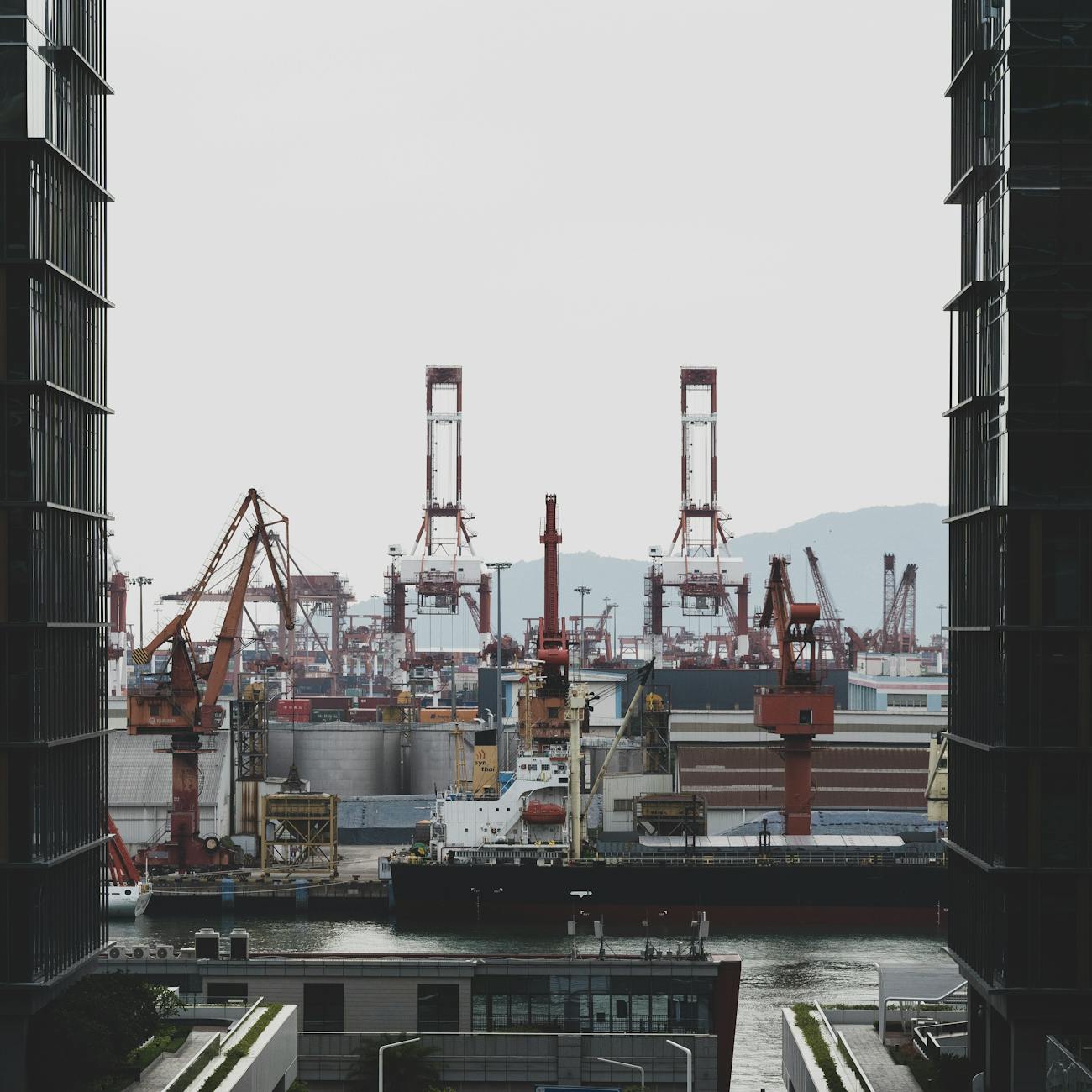
Regulation of International Trade
International trade is the exchange of goods and services between countries. It plays a crucial role in the global economy, promoting economic growth, creating jobs, and fostering innovation. However, the conduct of international trade is subject to various regulations and rules to ensure fair competition, protect consumers, and safeguard national interests. The regulation of international trade involves a complex web of laws, agreements, and institutions that govern the flow of goods and services across borders. In this course on the Regulation of International Trade, we will explore key terms and concepts related to this important field of law.
Trade
Trade is the exchange of goods and services between countries. It can take place through various channels, including imports, exports, and foreign direct investment. Trade is essential for economic development and growth, as it allows countries to specialize in producing goods and services in which they have a comparative advantage. By engaging in trade, countries can increase their productivity, expand their markets, and benefit from economies of scale.
International Trade Law
International trade law refers to the body of rules and regulations that govern the conduct of trade between countries. It encompasses a wide range of legal instruments, including treaties, agreements, and domestic laws. International trade law aims to promote free and fair trade, protect intellectual property rights, regulate trade in sensitive goods, and resolve disputes between trading partners. It is a dynamic and evolving field that reflects changes in the global economy and advances in technology.
World Trade Organization (WTO)
The World Trade Organization (WTO) is the primary international organization responsible for regulating international trade. It was established in 1995 to replace the General Agreement on Tariffs and Trade (GATT) and has 164 member countries. The WTO's main functions include negotiating trade agreements, resolving trade disputes, and monitoring members' compliance with trade rules. The WTO operates on the principle of non-discrimination, which means that member countries must treat all trading partners equally.
Most Favored Nation (MFN) Principle
The Most Favored Nation (MFN) principle is a fundamental rule of the WTO that requires member countries to treat all trading partners equally. This means that any preferential treatment granted to one country must be extended to all other WTO members. The MFN principle promotes non-discrimination in international trade and helps prevent trade wars and protectionism. By adhering to the MFN principle, countries can create a more open and predictable trading system.
National Treatment
National treatment is another key principle of the WTO that requires member countries to treat foreign goods and services no less favorably than domestic products. This principle aims to prevent discrimination against imported goods and ensure a level playing field for domestic and foreign producers. By providing national treatment to foreign goods and services, countries can promote fair competition and encourage international trade.
Trade Barriers
Trade barriers are restrictions that countries impose on the flow of goods and services across borders. They can take various forms, including tariffs, quotas, subsidies, and technical regulations. Trade barriers can hinder trade flows, distort competition, and increase consumer prices. Removing trade barriers is a key objective of international trade law, as it can boost economic growth, create jobs, and enhance welfare.
Tariffs
Tariffs are taxes that countries impose on imported goods. They are a common form of trade barrier and can be ad valorem (based on the value of the goods) or specific (based on quantity). Tariffs increase the price of imported goods, making them less competitive in the domestic market. Tariffs can protect domestic industries from foreign competition, but they can also lead to higher consumer prices and reduced choices for consumers.
Quotas
Quotas are quantitative restrictions that countries impose on the volume of imported goods. They limit the quantity of a specific product that can enter the domestic market. Quotas can protect domestic industries from foreign competition and help maintain market stability. However, quotas can also lead to higher prices, shortages, and inefficiencies in the allocation of resources. Quotas are subject to strict rules under the WTO to ensure they are not used for protectionist purposes.
Subsidies
Subsidies are financial incentives that governments provide to domestic industries to promote production and exports. Subsidies can take various forms, including cash grants, tax breaks, and preferential loans. While subsidies can help industries grow and compete in the global market, they can also distort trade flows and create unfair competition. Subsidies are subject to rules and disciplines under the WTO to prevent trade distortions and protect the interests of trading partners.
Dumping
Dumping is the practice of selling goods in a foreign market at prices below production costs or below the prices charged in the domestic market. Dumping can harm domestic industries by undercutting prices and capturing market share. To address dumping, countries can impose anti-dumping duties to offset the unfair advantage gained by the dumping country. Anti-dumping measures must comply with the rules of the WTO to ensure they are not used for protectionist purposes.
Trade Remedies
Trade remedies are measures that countries can take to address unfair trade practices and protect domestic industries. They include anti-dumping duties, countervailing duties, and safeguards. Trade remedies aim to restore fair competition, prevent market distortions, and safeguard domestic producers. However, trade remedies must be applied in accordance with the rules of the WTO to avoid retaliation and escalation of trade disputes.
Intellectual Property Rights (IPR)
Intellectual property rights (IPR) are legal protections for creations of the mind, such as inventions, literary works, and artistic designs. IPR play a crucial role in international trade by incentivizing innovation, creativity, and investment. The protection of IPR helps creators and inventors reap the benefits of their work and encourages the dissemination of knowledge and technology. IPR are governed by international treaties, such as the Agreement on Trade-Related Aspects of Intellectual Property Rights (TRIPS) under the WTO.
Trade Agreements
Trade agreements are legal instruments that govern the terms and conditions of trade between countries. They can be bilateral (between two countries) or multilateral (involving multiple countries). Trade agreements cover a wide range of issues, including tariffs, quotas, rules of origin, and dispute resolution. By entering into trade agreements, countries can liberalize trade, promote economic integration, and enhance cooperation. Trade agreements are subject to negotiation and ratification by the parties involved.
Free Trade Agreements (FTAs)
Free Trade Agreements (FTAs) are trade agreements that aim to reduce or eliminate trade barriers between participating countries. FTAs can cover various aspects of trade, including tariffs, quotas, intellectual property rights, and services. By signing FTAs, countries can create a more open and competitive trading environment, expand market access, and foster economic growth. FTAs are a common tool for promoting regional integration and enhancing economic cooperation.
Customs Union
A customs union is a form of economic integration in which member countries eliminate trade barriers among themselves and maintain a common external tariff on imports from non-member countries. Customs unions aim to create a single market with free movement of goods, services, and factors of production. By forming a customs union, countries can benefit from economies of scale, reduce transaction costs, and enhance competitiveness. The European Union is an example of a customs union.
Rules of Origin
Rules of origin are criteria used to determine the country of origin of goods for customs purposes. They are important for applying tariffs, quotas, and trade preferences under trade agreements. Rules of origin help prevent trade deflection, ensure fair competition, and protect domestic industries. Complying with rules of origin can be challenging for exporters, as they must prove the origin of their goods through documentation and verification.
Dispute Settlement
Dispute settlement is the process of resolving conflicts and disagreements between countries over trade issues. The WTO has a comprehensive dispute settlement mechanism that allows member countries to challenge trade measures that they believe violate WTO rules. Dispute settlement procedures involve consultations, mediation, and adjudication by a panel of experts. The rulings of the WTO dispute settlement body are binding and enforceable, helping to maintain the integrity of the multilateral trading system.
Trade Policy
Trade policy refers to the set of measures and strategies that countries adopt to regulate their international trade relations. Trade policy can include tariffs, quotas, subsidies, and trade agreements. Countries use trade policy to promote their national interests, protect domestic industries, and enhance their competitiveness in the global market. Trade policy is influenced by economic, political, and social considerations and can have far-reaching implications for the economy and society.
Trade Liberalization
Trade liberalization is the process of reducing or eliminating trade barriers to promote free and open trade. It involves lowering tariffs, removing quotas, and harmonizing regulations to facilitate the flow of goods and services across borders. Trade liberalization can lead to increased competition, lower prices, and greater consumer choice. However, it can also pose challenges for domestic industries that face increased competition from foreign producers.
Trade Facilitation
Trade facilitation refers to measures that aim to streamline and simplify the customs procedures and administrative processes involved in international trade. Trade facilitation can include the use of electronic documentation, advanced cargo tracking systems, and single-window platforms. By improving trade facilitation, countries can reduce trade costs, enhance efficiency, and promote greater participation in global trade. Trade facilitation is a key priority for the WTO and other international organizations.
Trade-Related Aspects of Intellectual Property Rights (TRIPS)
The Agreement on Trade-Related Aspects of Intellectual Property Rights (TRIPS) is an international treaty under the WTO that sets out minimum standards for the protection of intellectual property rights. TRIPS aims to balance the interests of creators, innovators, and consumers by providing legal protections for intellectual property while ensuring access to knowledge and technology. TRIPS covers various forms of intellectual property, including patents, trademarks, copyrights, and trade secrets.
Trade and Environment
The relationship between trade and the environment is a complex and multifaceted issue. International trade can have both positive and negative environmental impacts, depending on the nature of the trade flows and the regulatory framework in place. Trade agreements and trade policies can influence environmental outcomes by promoting sustainable practices, reducing pollution, and conserving natural resources. Balancing trade and environmental objectives is a key challenge for policymakers and regulators.
Challenges in the Regulation of International Trade
The regulation of international trade faces various challenges and complexities that can impact the effectiveness of trade rules and agreements. Some of the key challenges in the regulation of international trade include:
1. Compliance: Ensuring that countries comply with their trade obligations under international agreements and domestic laws can be a major challenge. Monitoring and enforcement mechanisms are essential to address non-compliance and prevent trade disputes.
2. Protectionism: The rise of protectionist measures, such as tariffs, quotas, and subsidies, can undermine the principles of free and fair trade. Protectionism can lead to trade wars, reduced market access, and increased costs for consumers.
3. Dispute Resolution: Resolving trade disputes between countries can be a complex and time-consuming process. Dispute settlement mechanisms must be efficient, transparent, and impartial to maintain the credibility of the international trading system.
4. Emerging Issues: Rapid technological advancements, changing consumer preferences, and global challenges, such as climate change and pandemics, pose new challenges for the regulation of international trade. Adapting trade rules and agreements to address these emerging issues is essential for the sustainability of the global trading system.
5. Inequality: International trade can exacerbate income inequality and social disparities within and between countries. Ensuring that the benefits of trade are distributed equitably and inclusively is a key challenge for policymakers and stakeholders.
In conclusion, the regulation of international trade is a complex and dynamic field of law that plays a crucial role in the global economy. Understanding key terms and concepts related to international trade regulation is essential for students and practitioners in the field of international commercial law. By exploring trade barriers, trade agreements, dispute settlement mechanisms, and other important aspects of international trade regulation, learners can gain a comprehensive understanding of the legal framework that governs the conduct of trade between countries.
Regulation of International Trade
International trade is the exchange of goods and services between countries. The regulation of international trade refers to the laws, rules, and policies that govern this exchange. These regulations are essential to ensure fair competition, protect consumers, promote economic growth, and maintain geopolitical stability. In this course, we will explore the key terms and vocabulary related to the regulation of international trade.
World Trade Organization (WTO)
The World Trade Organization is an international organization that regulates and facilitates international trade. It was established in 1995 and is based in Geneva, Switzerland. The WTO provides a forum for negotiating trade agreements, resolving disputes between member countries, and monitoring trade policies.
The WTO operates on the principle of non-discrimination, which means that member countries cannot discriminate between their trading partners. This principle is enshrined in the Most Favored Nation (MFN) rule, which requires countries to treat all WTO members equally in terms of trade preferences.
Another important principle of the WTO is the principle of national treatment, which requires countries to treat foreign goods and services no less favorably than domestic goods and services. This principle aims to prevent discrimination against foreign products in the domestic market.
Trade Barriers
Trade barriers are obstacles that restrict the free flow of goods and services between countries. There are two main types of trade barriers: tariff barriers and non-tariff barriers.
Tariff barriers are taxes imposed on imported goods and services. These taxes increase the cost of imported products, making them less competitive in the domestic market. Tariffs are used by countries to protect domestic industries from foreign competition and to generate revenue for the government.
Non-tariff barriers are regulations, standards, and other measures that restrict imports. Examples of non-tariff barriers include quotas, licensing requirements, and product standards. Non-tariff barriers can be more difficult to quantify than tariff barriers and can have a significant impact on trade flows.
Free Trade Agreements
Free trade agreements are agreements between countries that reduce or eliminate trade barriers between them. These agreements aim to promote economic integration, increase trade flows, and stimulate economic growth.
One of the most well-known free trade agreements is the North American Free Trade Agreement (NAFTA), which was signed by the United States, Canada, and Mexico in 1994. NAFTA eliminated tariffs on most goods traded between the three countries and facilitated the movement of goods and services across borders.
Another example of a free trade agreement is the European Union, which is a political and economic union of 27 European countries. The EU has a single market, which allows for the free movement of goods, services, capital, and people between member states.
Customs Duties
Customs duties are taxes imposed on goods that are imported or exported. These duties are collected by customs authorities at the border and are based on the value of the goods, their weight, or other factors.
Customs duties are used by countries to raise revenue, protect domestic industries, and regulate trade flows. They can also be used as a tool for economic policy, such as to encourage or discourage certain types of trade.
Customs duties can vary widely between countries and can change frequently due to changes in trade policies or economic conditions. It is important for importers and exporters to be aware of the customs duties that apply to their products in order to calculate their costs accurately.
Dumping
Dumping is a practice in which a country exports goods to another country at a price lower than the cost of production or below the market price in the exporting country. This can harm domestic industries in the importing country by undercutting their prices and capturing market share.
The WTO has rules against dumping and provides a framework for investigating and addressing cases of dumping. If a country believes that it is being harmed by dumping, it can file a complaint with the WTO and seek remedies such as anti-dumping duties or tariffs.
Dumping can be a contentious issue in international trade, as it can lead to trade disputes and retaliatory measures between countries. It is important for countries to monitor and enforce anti-dumping rules to prevent unfair trade practices and protect domestic industries.
Intellectual Property Rights (IPR)
Intellectual property rights are legal rights that protect the creations of the human mind. These creations can include inventions, literary and artistic works, designs, symbols, and trade secrets. Intellectual property rights are essential for promoting innovation, creativity, and economic development.
There are several types of intellectual property rights, including patents, copyrights, trademarks, and trade secrets. These rights give creators the exclusive right to use, reproduce, and distribute their creations and prevent others from using them without permission.
Intellectual property rights are often a contentious issue in international trade, as different countries have different standards and levels of protection for intellectual property. The WTO has agreements that set out minimum standards for intellectual property protection and provide a framework for resolving disputes related to intellectual property rights.
Trade Remedies
Trade remedies are measures that countries can take to address unfair trade practices and protect domestic industries. These measures include anti-dumping duties, countervailing duties, and safeguards.
Anti-dumping duties are taxes imposed on imported goods that are being sold at unfairly low prices. These duties are intended to level the playing field for domestic producers and prevent injury to domestic industries.
Countervailing duties are taxes imposed on imported goods that are being subsidized by foreign governments. These duties are intended to offset the unfair advantage that subsidized goods have in the market and protect domestic industries from unfair competition.
Safeguards are temporary measures that countries can take to protect domestic industries from a surge in imports that is causing or threatening to cause serious injury. Safeguards can take the form of tariffs, quotas, or other restrictions on imports and are subject to certain conditions and limitations.
Trade Disputes
Trade disputes are disagreements between countries over trade policies, practices, or agreements. These disputes can arise from violations of trade rules, unfair trade practices, or conflicting interpretations of trade agreements.
The WTO provides a mechanism for resolving trade disputes through its Dispute Settlement Body. When a country believes that another country has violated WTO rules, it can file a complaint with the WTO and seek a resolution through the dispute settlement process.
Trade disputes can have significant economic and political implications, as they can lead to retaliatory measures, sanctions, and disruptions in trade flows. It is important for countries to resolve trade disputes in a timely and transparent manner to maintain a rules-based trading system.
Trade Liberalization
Trade liberalization is the process of reducing or eliminating trade barriers between countries. This can include lowering tariffs, removing non-tariff barriers, and harmonizing regulations to facilitate trade flows.
Trade liberalization is seen as a way to promote economic growth, increase competitiveness, and foster international cooperation. By opening up markets and promoting free trade, countries can benefit from increased efficiency, lower prices, and greater consumer choice.
However, trade liberalization can also have downsides, such as increased competition, job displacement, and environmental degradation. It is important for countries to balance the benefits of trade liberalization with the need to protect vulnerable industries and workers.
Trade Facilitation
Trade facilitation refers to measures that streamline and simplify the process of importing and exporting goods. These measures aim to reduce the time and cost of trade transactions, improve customs procedures, and enhance trade efficiency.
Examples of trade facilitation measures include automation of customs procedures, harmonization of trade documentation, and implementation of single window systems. These measures can help to reduce red tape, increase transparency, and facilitate trade flows.
Trade facilitation is important for promoting economic growth, attracting investment, and enhancing competitiveness. By improving the efficiency of trade transactions, countries can benefit from increased trade volumes, lower costs, and greater market access.
Conclusion
In conclusion, the regulation of international trade is a complex and multifaceted field that involves a wide range of laws, rules, and policies. By understanding the key terms and vocabulary related to the regulation of international trade, students can gain a deeper insight into the challenges and opportunities of the global trading system. It is essential for countries to work together to promote fair and transparent trade practices, resolve disputes effectively, and create a level playing field for all participants in the international marketplace.
Regulation of International Trade
International trade is the exchange of goods and services between countries. It has become a vital part of the global economy, contributing to economic growth, job creation, and overall prosperity. However, to ensure that international trade flows smoothly and fairly, there is a need for regulation to govern the interactions between different countries and their trading partners.
Key Terms and Vocabulary
1. World Trade Organization (WTO): The WTO is an international organization that regulates international trade between nations. It provides a forum for negotiating trade agreements, settling disputes, and monitoring the implementation of trade rules.
2. Free Trade Agreement (FTA): An FTA is a pact between two or more countries to reduce or eliminate trade barriers (such as tariffs and quotas) between them. FTAs aim to promote economic integration and boost trade between the participating countries.
3. Customs Union: A customs union is a type of trade agreement in which member countries agree to eliminate tariffs and quotas on goods traded between them and adopt a common external tariff on imports from non-member countries.
4. Trade Barrier: Trade barriers are government-imposed restrictions that hinder or limit international trade. They can take various forms, such as tariffs, quotas, subsidies, and regulatory barriers.
5. Most Favored Nation (MFN) Principle: The MFN principle requires countries to treat all trading partners equally by extending any favorable trade terms granted to one country to all other WTO members. This principle promotes non-discrimination in trade relations.
6. Dumping: Dumping occurs when a country exports goods to another country at a price lower than the cost of production or the price in the domestic market. It is considered unfair trade practice and is subject to anti-dumping measures.
7. Subsidies: Subsidies are financial assistance provided by governments to domestic industries to help them compete in the global market. Subsidies can distort trade by giving an unfair advantage to subsidized industries.
8. Rules of Origin: Rules of origin determine the country of origin of a product for customs purposes. They are essential for determining the eligibility of goods for preferential trade treatment under FTAs or customs unions.
9. Trade Remedies: Trade remedies are measures that countries can take to protect their domestic industries from unfair trade practices, such as dumping and subsidies. Common trade remedies include anti-dumping duties, countervailing duties, and safeguards.
10. Trade Dispute: A trade dispute arises when countries disagree on trade-related matters, such as the interpretation of trade agreements or the imposition of trade measures. Trade disputes can be resolved through negotiation, mediation, or dispute settlement mechanisms.
11. Intellectual Property Rights (IPR): Intellectual property rights protect creations of the mind, such as inventions, literary and artistic works, and trademarks. Strong IPR protection is essential for fostering innovation and creativity in international trade.
12. Trade Facilitation: Trade facilitation refers to measures that simplify and streamline customs procedures, reduce trade costs, and improve the efficiency of cross-border trade. It aims to enhance the competitiveness of businesses engaged in international trade.
13. Trade Liberalization: Trade liberalization involves reducing or removing trade barriers to promote free trade and economic openness. It can lead to increased competition, lower prices, and greater market access for businesses.
14. Trade Compliance: Trade compliance refers to the adherence to trade regulations and requirements set by governments and international organizations. It involves ensuring that import and export activities comply with customs laws, trade agreements, and licensing requirements.
15. Sanitary and Phytosanitary (SPS) Measures: SPS measures are regulations aimed at protecting human, animal, and plant health in international trade. They include standards for food safety, animal welfare, and plant health to prevent the spread of diseases and pests.
16. Technical Barriers to Trade (TBT): TBTs are technical regulations and standards that may affect trade by imposing unnecessary obstacles to market access. TBTs should be based on international standards and scientific principles to minimize trade disruptions.
17. Trade Negotiation: Trade negotiation is the process of bargaining and reaching agreements between countries on trade-related issues, such as tariff reductions, market access, and regulatory cooperation. Negotiations can be bilateral, regional, or multilateral in nature.
18. Trade Finance: Trade finance refers to the financial instruments and services used to facilitate international trade transactions. It includes trade credit, export financing, letters of credit, and trade insurance to mitigate risks associated with cross-border trade.
19. Non-Tariff Measures (NTMs): NTMs are trade barriers other than tariffs that can restrict or distort trade, such as quotas, licensing requirements, and technical regulations. NTMs are increasingly used by countries to protect domestic industries and consumers.
20. Trade Deficit: A trade deficit occurs when a country's imports exceed its exports, resulting in a negative balance of trade. Trade deficits can have economic implications, such as currency depreciation and loss of competitiveness in the global market.
21. Trade Surplus: A trade surplus occurs when a country's exports exceed its imports, leading to a positive balance of trade. Trade surpluses can indicate economic strength, competitiveness, and export-led growth in the domestic economy.
22. Trade Imbalance: A trade imbalance occurs when there is a significant disparity between a country's imports and exports, resulting in an uneven distribution of trade flows. Trade imbalances can have implications for economic stability and trade relations between countries.
23. Trade Diversification: Trade diversification involves expanding a country's export markets and product range to reduce dependence on a few trading partners or products. Diversification can enhance resilience to external shocks and promote sustainable economic growth.
24. Trade Promotion: Trade promotion refers to activities aimed at increasing exports, attracting foreign investment, and expanding market access for domestic businesses. It includes trade fairs, trade missions, and export promotion programs to boost international trade.
25. Trade Policy: Trade policy is a set of government measures and regulations that govern a country's trade relations with other nations. Trade policies can include tariff rates, import quotas, trade agreements, and export incentives to support domestic industries and promote trade.
26. Trade Bloc: A trade bloc is a group of countries that have established a regional trade agreement to promote economic integration and cooperation. Examples of trade blocs include the European Union, NAFTA, and ASEAN.
27. Trade Disruption: A trade disruption occurs when there is a significant interruption in the flow of goods and services between countries due to natural disasters, political conflicts, or trade disputes. Trade disruptions can have adverse effects on supply chains and economic activities.
28. Trade War: A trade war is a situation in which countries engage in retaliatory trade measures, such as tariffs and quotas, to protect domestic industries or address trade imbalances. Trade wars can escalate tensions and disrupt global trade flows.
29. Trade Agreement: A trade agreement is a formal pact between two or more countries to regulate trade relations and promote economic cooperation. Trade agreements can cover various aspects of trade, such as tariff reductions, market access, and intellectual property protection.
30. Trade Compliance Program: A trade compliance program is a set of policies, procedures, and controls implemented by businesses to ensure compliance with trade regulations and requirements. It includes risk assessment, record-keeping, and training to mitigate trade-related risks.
31. Trade Finance Facility: A trade finance facility is a financial instrument provided by banks or financial institutions to support international trade transactions. It includes financing options such as trade credit, export factoring, and documentary collections to facilitate trade.
32. Trade Repository: A trade repository is a centralized database that stores trade data and information on transactions, positions, and exposures in financial markets. Trade repositories enhance transparency, risk management, and regulatory oversight in international trade.
33. Trade Surveillance: Trade surveillance is the monitoring and detection of suspicious or fraudulent activities in financial markets and trade transactions. It involves using technology, data analysis, and regulatory tools to prevent market abuse and ensure compliance with trade regulations.
34. Trade Compliance Officer: A trade compliance officer is a professional responsible for ensuring that a company's import and export activities comply with trade regulations and requirements. Trade compliance officers oversee risk assessment, audit procedures, and training to maintain trade compliance.
35. Trade Data Analysis: Trade data analysis involves examining trade statistics, trends, and patterns to identify opportunities and risks in international trade. It uses data visualization, modeling, and forecasting techniques to support decision-making and trade strategy development.
36. Trade Documentation: Trade documentation includes the paperwork and records required for importing and exporting goods across borders. It includes invoices, packing lists, bills of lading, and certificates of origin to facilitate customs clearance and compliance with trade regulations.
37. Trade Information Portal: A trade information portal is an online platform that provides information on trade regulations, procedures, and requirements for businesses engaged in international trade. Trade portals offer guidance, tools, and resources to support trade facilitation and compliance.
38. Trade Finance Platform: A trade finance platform is a digital platform that connects buyers, sellers, and financial institutions to facilitate trade finance transactions. It offers services such as supply chain finance, invoice financing, and trade credit insurance to support cross-border trade.
39. Trade Monitoring System: A trade monitoring system is a software tool used to track, analyze, and report on trade activities and transactions. Trade monitoring systems help organizations monitor trade flows, detect anomalies, and ensure compliance with trade regulations.
40. Trade Risk Management: Trade risk management involves identifying, assessing, and mitigating risks associated with international trade activities. It includes managing risks such as currency fluctuations, supply chain disruptions, and regulatory compliance to protect businesses from trade-related losses.
41. Trade Compliance Software: Trade compliance software is a technology solution used to automate and streamline trade compliance processes, such as screening, classification, and documentation. Trade compliance software helps businesses enhance efficiency, accuracy, and transparency in trade operations.
42. Trade Compliance Training: Trade compliance training is educational programs and workshops designed to enhance the knowledge and skills of professionals involved in international trade compliance. It covers topics such as customs regulations, export controls, and sanctions compliance to ensure trade compliance.
43. Trade Finance Regulation: Trade finance regulation refers to the laws, rules, and guidelines governing trade finance activities, such as letters of credit, trade finance facilities, and export financing. Trade finance regulation aims to promote transparency, stability, and integrity in trade finance transactions.
44. Trade Compliance Framework: A trade compliance framework is a structured approach to managing and ensuring compliance with trade regulations and requirements. It includes policies, procedures, controls, and monitoring mechanisms to mitigate trade-related risks and promote trade compliance.
45. Trade Compliance Audit: A trade compliance audit is a review and assessment of a company's import and export activities to verify compliance with trade regulations and requirements. Trade compliance audits identify gaps, weaknesses, and areas for improvement in trade compliance programs.
46. Trade Compliance Technology: Trade compliance technology refers to software tools, platforms, and solutions that automate and enhance trade compliance processes. It includes trade management systems, compliance screening tools, and risk assessment software to support trade compliance efforts.
47. Trade Compliance Best Practices: Trade compliance best practices are industry standards and guidelines for ensuring compliance with trade regulations and requirements. They include risk assessment, due diligence, record-keeping, and training to promote effective trade compliance programs.
48. Trade Compliance Reporting: Trade compliance reporting involves documenting and reporting on trade activities, transactions, and compliance efforts to regulatory authorities. It includes preparing trade compliance reports, filings, and disclosures to demonstrate adherence to trade regulations.
49. Trade Compliance Risk Assessment: Trade compliance risk assessment is the process of identifying, evaluating, and prioritizing risks associated with international trade activities. It involves assessing risks such as regulatory compliance, financial exposure, and supply chain disruptions to mitigate trade-related risks.
50. Trade Compliance Certification: Trade compliance certification is a formal recognition of an individual's or organization's expertise in trade compliance. It demonstrates proficiency in trade regulations, risk management, and compliance practices to enhance credibility and trust in trade compliance activities.
Key takeaways
- However, the conduct of international trade is subject to various regulations and rules to ensure fair competition, protect consumers, and safeguard national interests.
- Trade is essential for economic development and growth, as it allows countries to specialize in producing goods and services in which they have a comparative advantage.
- International trade law aims to promote free and fair trade, protect intellectual property rights, regulate trade in sensitive goods, and resolve disputes between trading partners.
- The WTO's main functions include negotiating trade agreements, resolving trade disputes, and monitoring members' compliance with trade rules.
- The Most Favored Nation (MFN) principle is a fundamental rule of the WTO that requires member countries to treat all trading partners equally.
- National treatment is another key principle of the WTO that requires member countries to treat foreign goods and services no less favorably than domestic products.
- Removing trade barriers is a key objective of international trade law, as it can boost economic growth, create jobs, and enhance welfare.