
Ergonomics in Oil & Gas Workplaces
Ergonomics in Oil & Gas Workplaces
Ergonomics in Oil & Gas Workplaces
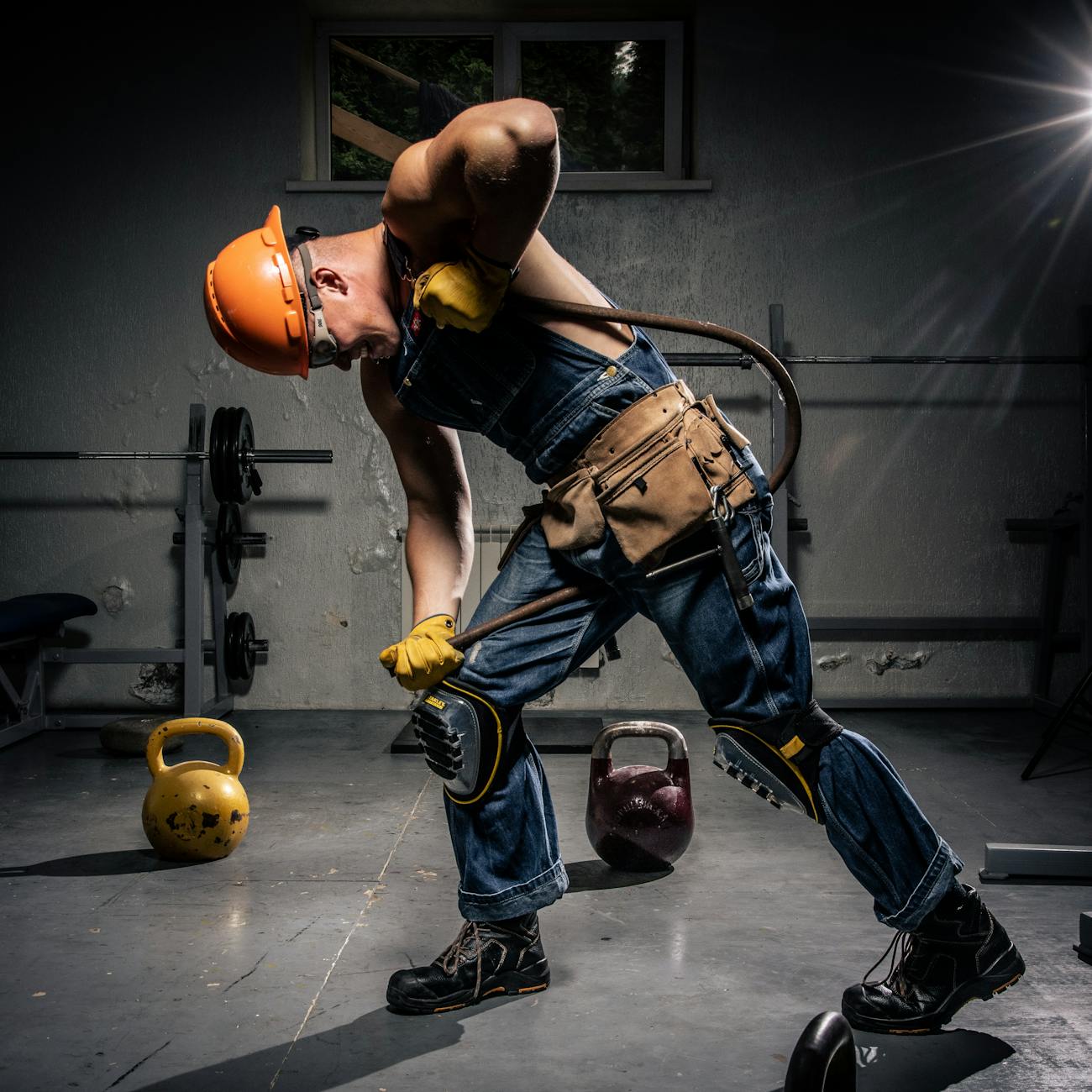
Ergonomics is a critical aspect of occupational health and safety in the oil and gas industry. It focuses on designing work environments and tasks to fit the capabilities and limitations of workers. By optimizing the interaction between people, equipment, and their environment, ergonomics aims to enhance efficiency, productivity, and overall well-being in the workplace.
Key Terms and Vocabulary
1. Anthropometry: Anthropometry is the measurement of the physical dimensions and characteristics of the human body. In the oil and gas industry, anthropometric data is used to design workstations, tools, and equipment that accommodate a diverse workforce.
2. Biomechanics: Biomechanics is the study of the mechanical aspects of living organisms, including the human body. In oil and gas workplaces, biomechanics is crucial for understanding how forces, postures, and movements affect worker health and safety.
3. Cumulative Trauma Disorders (CTDs): CTDs are musculoskeletal disorders caused by repetitive tasks, awkward postures, and forceful exertions. In the oil and gas industry, workers are at risk of developing CTDs due to the physical demands of their jobs.
4. Job Rotation: Job rotation involves rotating workers through different tasks or positions to minimize the risk of overuse injuries and fatigue. In oil and gas workplaces, job rotation can help prevent musculoskeletal disorders and improve overall employee well-being.
5. Manual Handling: Manual handling refers to the transporting or supporting of loads by hand or bodily force. In the oil and gas industry, manual handling tasks such as lifting heavy equipment or materials can lead to musculoskeletal injuries if not performed correctly.
6. Repetitive Strain Injuries (RSIs): RSIs are injuries that result from repetitive motions, forceful exertions, or awkward postures. In oil and gas workplaces, workers may develop RSIs from tasks such as operating machinery or using hand tools for extended periods.
7. Task Analysis: Task analysis involves breaking down a job into its component tasks to identify potential ergonomic risks. In the oil and gas industry, task analysis is essential for designing safe and efficient work processes.
8. Vibration White Finger (VWF): VWF, also known as hand-arm vibration syndrome, is a condition caused by prolonged exposure to hand-arm vibration. In the oil and gas sector, workers using vibrating tools or equipment are at risk of developing VWF if proper controls are not in place.
9. Workplace Design: Workplace design encompasses the layout, equipment, and environmental factors that influence how work is performed. In oil and gas workplaces, ergonomic workplace design can improve safety, comfort, and productivity for employees.
10. Workplace Ergonomics Assessment: A workplace ergonomics assessment involves evaluating the physical demands of a job, identifying potential hazards, and recommending solutions to improve ergonomics. In the oil and gas industry, regular assessments are essential for maintaining a safe and healthy work environment.
Practical Applications
1. Adjustable Workstations: Providing adjustable workstations in oil and gas workplaces allows employees to customize their work environment to suit their individual needs. This can help prevent discomfort, fatigue, and musculoskeletal injuries.
2. Training and Education: Offering ergonomic training and education to workers in the oil and gas industry can increase awareness of proper lifting techniques, posture, and workstation setup. By empowering employees with ergonomic knowledge, organizations can reduce the risk of injuries and improve overall well-being.
3. Engineering Controls: Implementing engineering controls such as vibration-dampening tools or ergonomic handles can reduce the risk of injuries related to repetitive tasks or exposure to vibrations. These controls can help mitigate ergonomic hazards and protect worker health.
4. Stretching Programs: Encouraging workers to participate in stretching programs before, during, or after their shifts can help prevent muscle strains, stiffness, and fatigue. Incorporating stretching exercises into daily routines can improve flexibility, circulation, and overall physical well-being.
5. Use of Assistive Devices: Providing workers in the oil and gas industry with assistive devices such as lifting aids or ergonomic tools can reduce the physical strain associated with manual handling tasks. These devices can promote safe work practices and minimize the risk of injuries.
Challenges
1. Remote Work Environments: Workers in the oil and gas industry may operate in remote or offshore locations with limited access to ergonomic resources or support. Ensuring ergonomic principles are applied in these challenging environments requires careful planning and coordination.
2. Heavy Machinery Operations: Operating heavy machinery and equipment in oil and gas workplaces can pose ergonomic risks due to high forces, awkward postures, and repetitive motions. Implementing controls and training programs to mitigate these risks is essential for protecting worker health and safety.
3. Compliance with Regulations: Adhering to ergonomic regulations and standards in the oil and gas industry can be challenging, especially in complex work environments with multiple hazards. Organizations must stay informed about regulatory requirements and implement measures to ensure compliance.
4. Changing Workforce Demographics: The oil and gas industry is experiencing shifts in workforce demographics, with an aging population and increasing diversity among employees. Designing ergonomic solutions that accommodate a diverse workforce with varying physical abilities and preferences is a key challenge for employers.
5. Cost Considerations: Implementing ergonomic interventions in oil and gas workplaces may require upfront investments in equipment, training, and assessments. Balancing the cost of these interventions with the potential benefits in terms of improved safety, productivity, and employee satisfaction can be a challenge for organizations.
Conclusion
In conclusion, ergonomics plays a vital role in promoting health, safety, and efficiency in oil and gas workplaces. By understanding key terms and concepts related to ergonomics, implementing practical applications, and addressing challenges effectively, organizations can create ergonomic work environments that support worker well-being and productivity. Continuous commitment to ergonomics principles is essential for mitigating risks, preventing injuries, and fostering a culture of safety in the oil and gas industry.
Key takeaways
- By optimizing the interaction between people, equipment, and their environment, ergonomics aims to enhance efficiency, productivity, and overall well-being in the workplace.
- In the oil and gas industry, anthropometric data is used to design workstations, tools, and equipment that accommodate a diverse workforce.
- In oil and gas workplaces, biomechanics is crucial for understanding how forces, postures, and movements affect worker health and safety.
- Cumulative Trauma Disorders (CTDs): CTDs are musculoskeletal disorders caused by repetitive tasks, awkward postures, and forceful exertions.
- Job Rotation: Job rotation involves rotating workers through different tasks or positions to minimize the risk of overuse injuries and fatigue.
- In the oil and gas industry, manual handling tasks such as lifting heavy equipment or materials can lead to musculoskeletal injuries if not performed correctly.
- Repetitive Strain Injuries (RSIs): RSIs are injuries that result from repetitive motions, forceful exertions, or awkward postures.