
Regulatory Environment
Regulatory Environment in Pharmaceutical Sales and Marketing Management
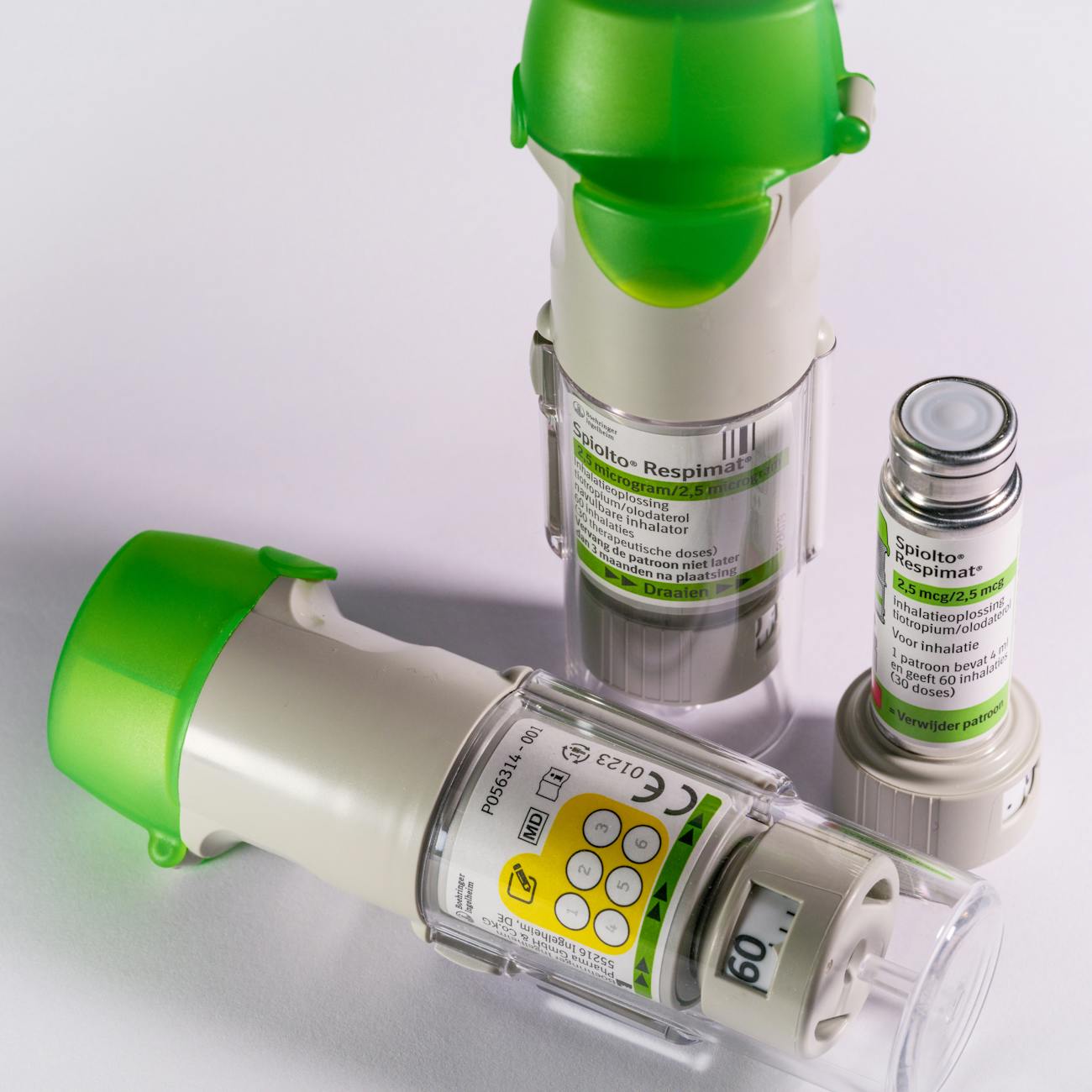
Regulatory Environment in Pharmaceutical Sales and Marketing Management
In the pharmaceutical industry, the regulatory environment plays a crucial role in shaping the operations of companies involved in the development, manufacture, and marketing of drugs and medical products. Understanding the regulatory landscape is essential for professionals in pharmaceutical sales and marketing management as it directly impacts their strategies, tactics, and compliance requirements. This comprehensive guide will delve into key terms and vocabulary related to the regulatory environment in the pharmaceutical sector to provide a solid foundation for success in this field.
1. Regulatory Agencies
Regulatory agencies are governmental bodies responsible for overseeing and regulating the pharmaceutical industry to ensure the safety, efficacy, and quality of drugs and medical products. Some of the most prominent regulatory agencies in the pharmaceutical sector include:
Food and Drug Administration (FDA): The FDA is the regulatory agency in the United States responsible for approving new drugs, ensuring drug safety, monitoring the marketing of pharmaceutical products, and enforcing compliance with regulations.
European Medicines Agency (EMA): The EMA is the regulatory agency for the European Union responsible for evaluating and supervising medicines for human and veterinary use.
Medicines and Healthcare products Regulatory Agency (MHRA): The MHRA is the regulatory agency in the United Kingdom responsible for regulating medicines, medical devices, and blood components for transfusion.
These regulatory agencies set guidelines, standards, and requirements that companies must adhere to in order to bring their products to market and maintain compliance throughout the product lifecycle.
2. Drug Approval Process
The drug approval process refers to the series of steps that a pharmaceutical company must follow to obtain regulatory approval to market a new drug or medical product. This process typically involves the following stages:
Preclinical Research: In this stage, the company conducts laboratory and animal studies to assess the safety and efficacy of the drug.
Clinical Trials: Clinical trials are conducted to evaluate the drug's safety and effectiveness in humans. These trials are divided into three phases: Phase I, Phase II, and Phase III.
New Drug Application (NDA): Once the clinical trials are completed, the company submits an NDA to the regulatory agency for review. The agency assesses the data to determine if the drug is safe and effective for its intended use.
Post-Marketing Surveillance: After a drug is approved and on the market, companies are required to conduct post-marketing surveillance to monitor the drug's safety and report any adverse events.
Understanding the drug approval process is essential for pharmaceutical sales and marketing professionals as it influences the timing and strategy for launching new products in the market.
3. Good Manufacturing Practices (GMP)
Good Manufacturing Practices (GMP) are a set of guidelines and standards that govern the manufacturing processes of pharmaceutical products to ensure their quality, safety, and efficacy. Compliance with GMP is mandatory for pharmaceutical companies to obtain regulatory approval for their products. Some key principles of GMP include:
Quality Control: Companies must establish and maintain quality control systems to ensure that products meet quality standards.
Documentation: Detailed documentation of manufacturing processes, testing results, and quality control measures is required to demonstrate compliance with GMP.
Facility and Equipment: Facilities and equipment used in the manufacturing of pharmaceutical products must meet specific standards to prevent contamination and ensure product quality.
Training and Personnel: Employees must be adequately trained to perform their roles in accordance with GMP requirements.
Compliance with GMP is a critical aspect of pharmaceutical sales and marketing management as it impacts the quality and integrity of products being marketed to healthcare professionals and consumers.
4. Labeling and Advertising Regulations
Labeling and advertising regulations govern how pharmaceutical products are promoted and marketed to healthcare professionals and consumers. These regulations aim to ensure that information provided about the product is accurate, balanced, and not misleading. Key considerations for labeling and advertising regulations include:
Package Inserts: Package inserts must contain essential information about the drug, including indications, dosage, side effects, contraindications, and warnings.
Promotional Materials: Promotional materials, such as brochures, websites, and advertisements, must be truthful, balanced, and supported by scientific evidence.
Direct-to-Consumer Advertising: Regulations around direct-to-consumer advertising vary by country and may restrict the types of claims that can be made about a product.
Off-label Promotion: Off-label promotion, which involves promoting a drug for uses not approved by regulatory agencies, is strictly prohibited and can result in severe penalties.
Pharmaceutical sales and marketing professionals must have a thorough understanding of labeling and advertising regulations to ensure compliance and ethical promotion of products.
5. Pharmacovigilance
Pharmacovigilance refers to the process of monitoring and assessing the safety of pharmaceutical products throughout their lifecycle. The goal of pharmacovigilance is to detect, assess, understand, and prevent adverse effects or any other drug-related problems. Key aspects of pharmacovigilance include:
Adverse Event Reporting: Healthcare professionals and consumers are encouraged to report any adverse events or side effects associated with a drug to regulatory agencies.
Signal Detection: Pharmacovigilance activities involve analyzing data to detect potential signals of previously unknown adverse effects.
Risk Management Plans: Companies are required to develop risk management plans to mitigate known or potential risks associated with their products.
Pharmacovigilance is essential for ensuring the safety of pharmaceutical products and protecting the health and well-being of patients using these products.
6. Intellectual Property Rights
Intellectual property rights refer to legal protections for inventions, designs, and creative works that are unique and have commercial value. In the pharmaceutical industry, intellectual property rights are crucial for protecting innovations and incentivizing research and development. Key aspects of intellectual property rights in the pharmaceutical sector include:
Patents: Patents grant inventors exclusive rights to their inventions for a specified period, typically 20 years. Pharmaceutical companies often seek patents for new drugs to prevent generic competition.
Trademarks: Trademarks protect brand names, logos, and slogans associated with pharmaceutical products, helping to distinguish products in the market.
Data Exclusivity: Data exclusivity provides protection for clinical trial data submitted to regulatory agencies, preventing competitors from relying on the data for their own approvals.
Understanding intellectual property rights is essential for pharmaceutical sales and marketing professionals to navigate the competitive landscape and protect the value of their company's innovations.
7. Compliance and Ethics
Compliance and ethics are foundational principles that guide the behavior of pharmaceutical companies and their employees in interactions with healthcare professionals, patients, and regulatory agencies. Key considerations for compliance and ethics in pharmaceutical sales and marketing management include:
Anti-Bribery Laws: Companies must comply with anti-bribery laws and regulations when engaging with healthcare professionals to prevent unethical practices.
Transparency and Disclosure: Transparency in interactions with healthcare professionals, including disclosing financial relationships, is essential for maintaining trust and integrity.
Code of Conduct: Companies often have a code of conduct outlining ethical standards and guidelines for employees in their interactions with stakeholders.
Compliance with regulatory requirements and adherence to ethical standards are essential for building and maintaining a positive reputation in the pharmaceutical industry.
8. Challenges and Opportunities
The regulatory environment in the pharmaceutical industry presents both challenges and opportunities for sales and marketing professionals. Some of the key challenges include:
Regulatory Complexity: Navigating the complex regulatory landscape can be challenging, requiring a deep understanding of laws, guidelines, and requirements.
Competition: Intense competition in the pharmaceutical market necessitates innovative marketing strategies to differentiate products and reach target audiences.
Globalization: Managing regulatory requirements across multiple countries and regions presents logistical and compliance challenges for multinational companies.
Despite these challenges, the regulatory environment also offers opportunities for sales and marketing professionals to:
Drive Innovation: Adapting to regulatory changes can spur innovation in product development and marketing strategies.
Build Trust: Demonstrating compliance with regulations and ethical standards can enhance trust and credibility with stakeholders.
Expand Market Access: Understanding regulatory requirements in different markets can help companies expand their reach and access new opportunities for growth.
By staying informed about regulatory developments, embracing compliance and ethics, and leveraging opportunities for innovation, pharmaceutical sales and marketing professionals can navigate the regulatory environment effectively and achieve success in the industry.
Conclusion
In conclusion, the regulatory environment plays a pivotal role in shaping the operations and strategies of pharmaceutical companies in the sales and marketing of drugs and medical products. By understanding key terms and vocabulary related to regulatory agencies, drug approval processes, GMP, labeling and advertising regulations, pharmacovigilance, intellectual property rights, compliance and ethics, as well as challenges and opportunities in the regulatory landscape, professionals in pharmaceutical sales and marketing management can navigate the complexities of the industry with confidence and compliance. Continual learning, adaptation, and adherence to regulatory requirements are essential for success in the dynamic and highly regulated pharmaceutical sector.
Key takeaways
- In the pharmaceutical industry, the regulatory environment plays a crucial role in shaping the operations of companies involved in the development, manufacture, and marketing of drugs and medical products.
- Regulatory agencies are governmental bodies responsible for overseeing and regulating the pharmaceutical industry to ensure the safety, efficacy, and quality of drugs and medical products.
- European Medicines Agency (EMA): The EMA is the regulatory agency for the European Union responsible for evaluating and supervising medicines for human and veterinary use.
- Medicines and Healthcare products Regulatory Agency (MHRA): The MHRA is the regulatory agency in the United Kingdom responsible for regulating medicines, medical devices, and blood components for transfusion.
- These regulatory agencies set guidelines, standards, and requirements that companies must adhere to in order to bring their products to market and maintain compliance throughout the product lifecycle.
- The drug approval process refers to the series of steps that a pharmaceutical company must follow to obtain regulatory approval to market a new drug or medical product.
- Preclinical Research: In this stage, the company conducts laboratory and animal studies to assess the safety and efficacy of the drug.