
Energy Market Dynamics
Energy Market Dynamics
Energy Market Dynamics
Energy market dynamics refer to the constant changes and fluctuations in supply and demand within the energy sector. This includes the pricing of energy commodities, regulatory changes, technological advancements, and geopolitical factors that impact the overall energy market.
Energy markets are complex systems that involve the buying and selling of various forms of energy, such as oil, natural gas, coal, and renewable energy sources. These markets can be influenced by a wide range of factors, including economic conditions, weather patterns, government policies, and global events.
Understanding energy market dynamics is crucial for stakeholders in the oil and gas insurance industry, as it helps them anticipate changes in the market and adjust their strategies accordingly. By staying informed about market trends and developments, insurance professionals can better assess risk, price policies accurately, and provide effective coverage to their clients.
Key Terms and Concepts
1. Supply and Demand
Supply and demand are fundamental economic concepts that play a significant role in energy market dynamics. The law of supply and demand states that the price of a product or service will increase when demand exceeds supply, and decrease when supply exceeds demand.
In the energy market, fluctuations in supply and demand can impact the pricing of energy commodities. For example, if there is a sudden increase in demand for oil due to a cold winter, the price of oil may rise as suppliers struggle to meet the increased demand. Conversely, if there is an oversupply of natural gas in the market, prices may fall as producers compete to sell their products.
Insurance professionals need to closely monitor supply and demand dynamics in the energy market to assess the level of risk associated with insuring energy assets. By understanding market trends, they can better anticipate potential losses and price policies accordingly.
2. Price Volatility
Price volatility refers to the degree of fluctuation in the price of energy commodities over a specific period. Energy markets are known for their high levels of price volatility, which can be influenced by a variety of factors, including geopolitical events, weather patterns, and changes in supply and demand.
Insurance professionals need to be aware of price volatility in the energy market, as it can impact the profitability of their policies. High levels of volatility can increase the likelihood of claims, as insured assets may be more susceptible to price fluctuations. By understanding the factors that contribute to price volatility, insurance professionals can better manage risk and provide effective coverage to their clients.
3. Regulatory Environment
The regulatory environment plays a crucial role in shaping energy market dynamics. Government policies and regulations can impact the production, distribution, and pricing of energy commodities, as well as the development of renewable energy sources.
Insurance professionals need to stay informed about regulatory changes in the energy sector to assess the potential impact on their clients. For example, new regulations aimed at reducing carbon emissions may incentivize companies to invest in renewable energy projects, which could affect the demand for traditional energy sources such as oil and gas.
By understanding the regulatory environment, insurance professionals can tailor their policies to address emerging risks and opportunities in the energy market.
4. Technological Advancements
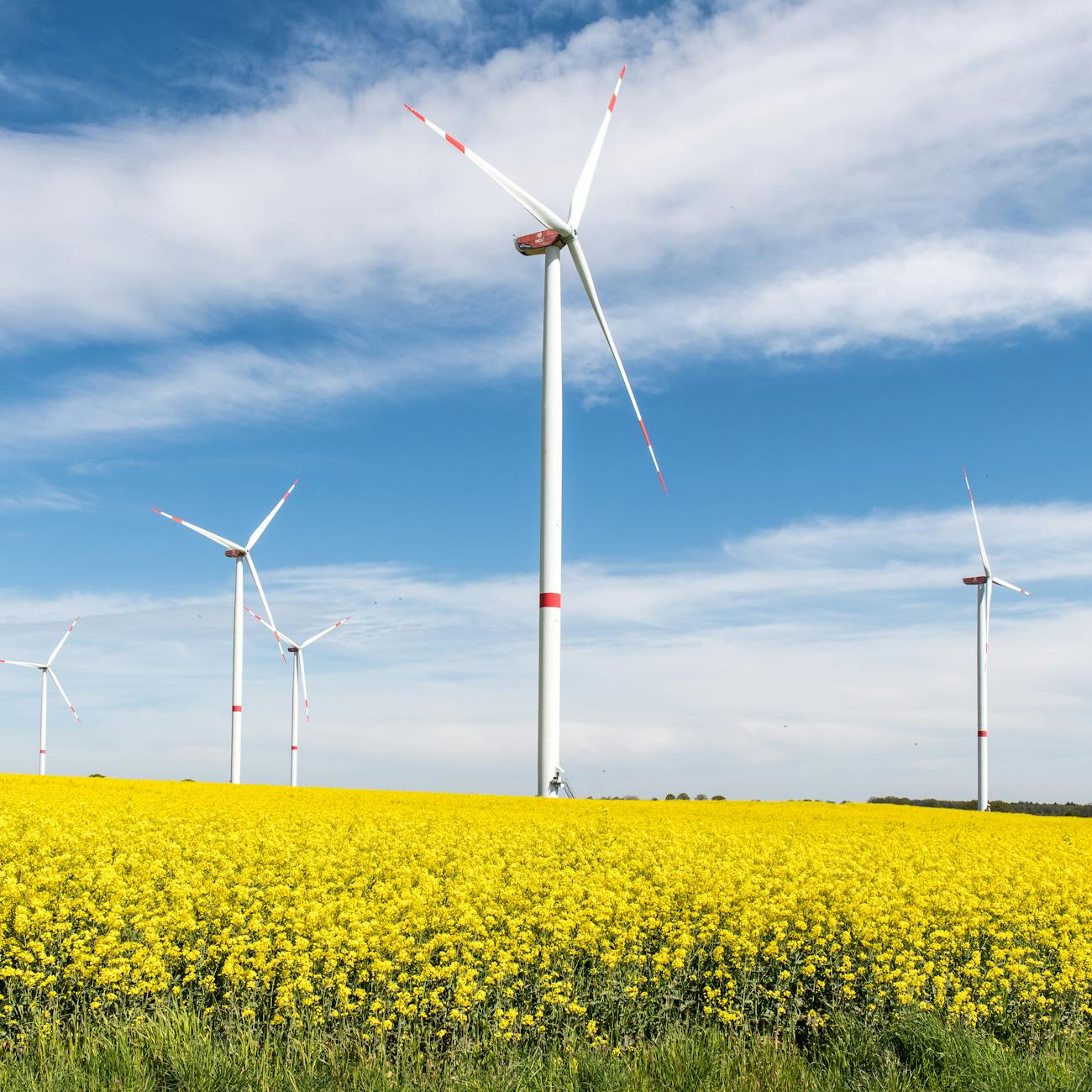
Technological advancements are driving significant changes in the energy sector, particularly in the development of renewable energy sources and energy efficiency technologies. Innovations such as solar panels, wind turbines, and energy storage systems are transforming the way energy is produced, distributed, and consumed.
Insurance professionals need to stay abreast of technological advancements in the energy market to assess the impact on their clients' assets. For example, insuring a solar farm may require a different approach than insuring a traditional oil and gas facility, as the risks and challenges associated with renewable energy projects are unique.
By understanding the latest technological developments, insurance professionals can offer tailored coverage solutions that address the evolving needs of their clients in the energy sector.
5. Geopolitical Factors
Geopolitical factors can have a significant impact on energy market dynamics, as they can influence the production, distribution, and pricing of energy commodities. Events such as wars, trade disputes, and political instability in key energy-producing regions can disrupt supply chains and lead to price spikes in the energy market.
Insurance professionals need to monitor geopolitical factors that may affect their clients' energy assets and operations. For example, a conflict in the Middle East could disrupt oil production and shipping routes, leading to increased risks for energy companies operating in the region.
By understanding the geopolitical landscape, insurance professionals can assess the level of risk associated with insuring energy assets in different parts of the world and develop strategies to mitigate potential losses.
Practical Applications
Understanding energy market dynamics is essential for insurance professionals working in the oil and gas industry, as it enables them to assess risk, price policies accurately, and provide effective coverage to their clients. By staying informed about key terms and concepts in the energy market, insurance professionals can navigate the complexities of the industry and make informed decisions that benefit their clients.
For example, an insurance professional insuring an offshore oil rig needs to consider factors such as supply and demand dynamics, price volatility, regulatory changes, technological advancements, and geopolitical risks. By analyzing these key terms and concepts, the insurance professional can develop a comprehensive risk assessment and tailor coverage to address the specific challenges faced by the client.
Similarly, an insurance professional providing coverage for a renewable energy project must be aware of the regulatory environment, technological advancements, and market trends in the renewable energy sector. By understanding these key terms and concepts, the insurance professional can offer innovative solutions that protect the client's assets and ensure long-term sustainability.
Challenges
Insurance professionals working in the oil and gas industry face several challenges when navigating energy market dynamics. Some of the key challenges include:
1. Complexity: The energy market is a complex and constantly evolving system that can be challenging to understand. Insurance professionals need to stay informed about the latest trends and developments in the industry to effectively assess risk and provide coverage to their clients.
2. Uncertainty: Energy markets are highly volatile and subject to sudden changes, making it difficult to predict future outcomes. Insurance professionals must be prepared to adapt to shifting market conditions and develop flexible strategies that can mitigate potential losses.
3. Regulatory Changes: Government policies and regulations can have a significant impact on the energy sector, creating uncertainty for insurance professionals. Changes in regulations can affect the demand for energy commodities, as well as the development of renewable energy sources, requiring insurance professionals to stay informed and adjust their strategies accordingly.
4. Geopolitical Risks: Geopolitical factors such as wars, trade disputes, and political instability can disrupt energy markets and increase risks for insurance professionals. Insurance professionals need to monitor geopolitical events that may affect their clients' assets and operations and develop contingency plans to mitigate potential losses.
By addressing these challenges and staying informed about key terms and concepts in the energy market, insurance professionals can navigate energy market dynamics effectively and provide valuable coverage to their clients in the oil and gas industry.
Key takeaways
- This includes the pricing of energy commodities, regulatory changes, technological advancements, and geopolitical factors that impact the overall energy market.
- Energy markets are complex systems that involve the buying and selling of various forms of energy, such as oil, natural gas, coal, and renewable energy sources.
- Understanding energy market dynamics is crucial for stakeholders in the oil and gas insurance industry, as it helps them anticipate changes in the market and adjust their strategies accordingly.
- The law of supply and demand states that the price of a product or service will increase when demand exceeds supply, and decrease when supply exceeds demand.
- For example, if there is a sudden increase in demand for oil due to a cold winter, the price of oil may rise as suppliers struggle to meet the increased demand.
- Insurance professionals need to closely monitor supply and demand dynamics in the energy market to assess the level of risk associated with insuring energy assets.
- Energy markets are known for their high levels of price volatility, which can be influenced by a variety of factors, including geopolitical events, weather patterns, and changes in supply and demand.