
Biodiversity Conservation Practices
Biodiversity Conservation Practices:
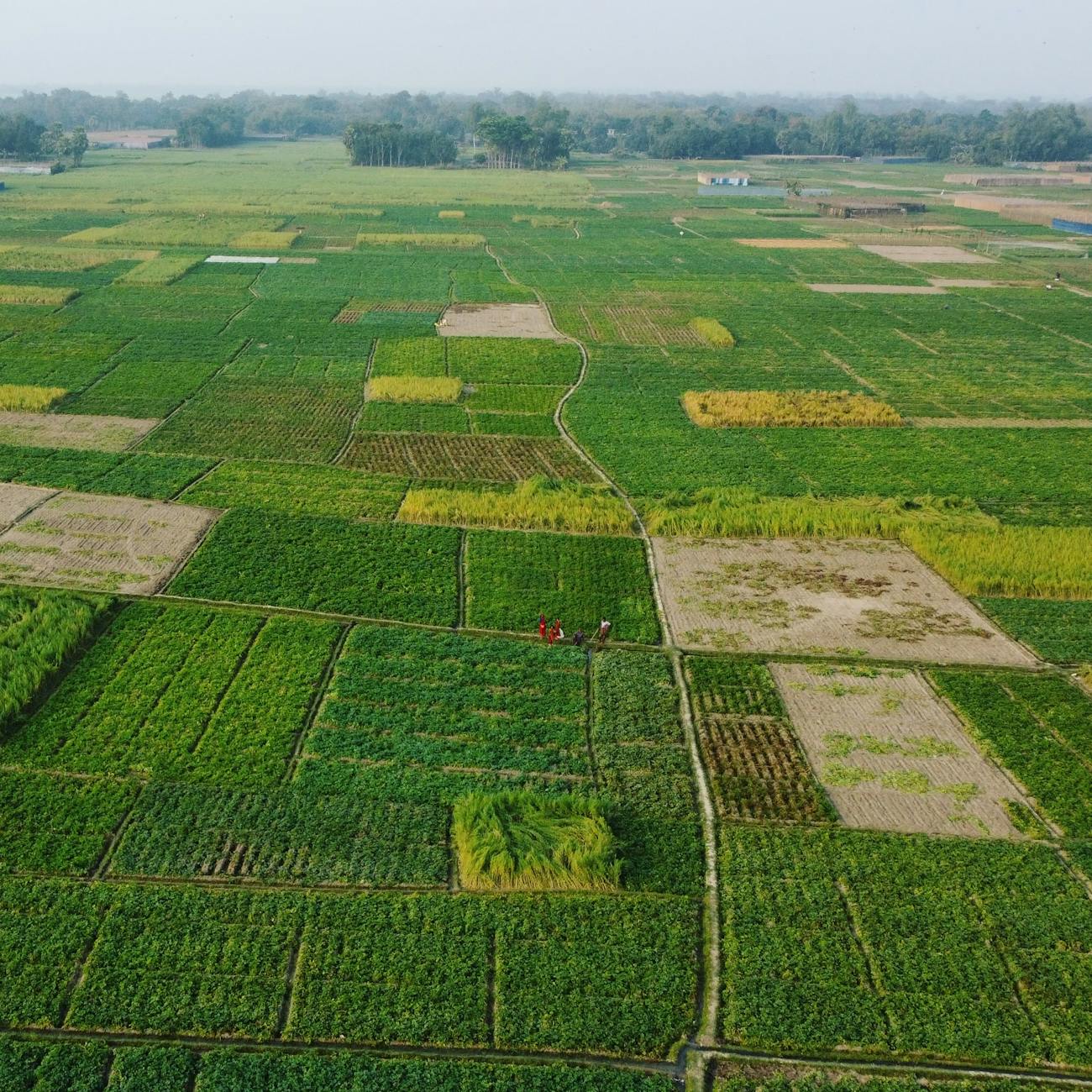
Biodiversity Conservation Practices:
Biodiversity conservation practices are crucial in maintaining the delicate balance of ecosystems and preserving the variety of life on Earth. These practices encompass a wide range of strategies and approaches aimed at protecting and restoring biodiversity in different environments. In this course, we will explore the key terms and vocabulary related to biodiversity conservation practices, including traditional ecological knowledge and modern science.
Biodiversity:
Biodiversity refers to the variety of life forms on Earth, including plants, animals, microorganisms, and ecosystems. It encompasses genetic diversity, species diversity, and ecosystem diversity. Biodiversity is essential for the functioning of ecosystems, providing vital services such as pollination, nutrient cycling, and climate regulation.
Example: The Amazon rainforest is known for its high levels of biodiversity, with thousands of plant and animal species coexisting in a complex ecosystem.
Conservation:
Conservation involves the sustainable use and management of natural resources to protect ecosystems and species from degradation or extinction. It aims to safeguard biodiversity for future generations while meeting the needs of current populations. Conservation efforts can take various forms, including protected areas, habitat restoration, and sustainable resource management.
Example: The establishment of national parks and wildlife reserves is a common conservation practice to protect endangered species and their habitats.
Traditional Ecological Knowledge (TEK):
Traditional ecological knowledge refers to the knowledge, practices, and beliefs of indigenous and local communities regarding the natural environment. TEK is based on centuries of observation and interaction with ecosystems, providing valuable insights into sustainable resource management and conservation strategies. Integrating TEK with modern science can enhance biodiversity conservation efforts.
Example: Indigenous communities in the Arctic have traditional knowledge of ice formation and animal migration patterns, which are essential for adapting to climate change.
Modern Science:
Modern science encompasses the scientific methods and technologies used to study and understand the natural world. It provides valuable data and insights into biodiversity, ecosystem dynamics, and the impacts of human activities on the environment. By combining modern science with traditional ecological knowledge, conservation practitioners can develop more effective strategies for biodiversity conservation.
Example: Remote sensing technologies, such as satellite imagery and drones, are used to monitor changes in land cover and track deforestation rates in critical habitats.
Key Terms and Vocabulary:
1. Endemism: Endemism refers to the occurrence of a species exclusively in a particular geographic area. Endemic species are often vulnerable to habitat loss and environmental changes.
2. Habitat Fragmentation: Habitat fragmentation occurs when large, continuous habitats are divided into smaller, isolated fragments. This can disrupt ecosystem functions and lead to loss of biodiversity.
3. Invasive Species: Invasive species are non-native organisms that have negative impacts on native biodiversity and ecosystems. They can outcompete native species and disrupt ecological balance.
4. Species Richness: Species richness is a measure of the number of different species in a given area. High species richness indicates a diverse ecosystem with a variety of plants, animals, and microorganisms.
5. Genetic Diversity: Genetic diversity refers to the variation in genes within a population or species. It is essential for adaptation to changing environmental conditions and the long-term survival of species.
6. Ecological Resilience: Ecological resilience is the ability of an ecosystem to withstand and recover from disturbances, such as climate change, natural disasters, or human activities.
7. Protected Areas: Protected areas are designated areas set aside for the conservation of biodiversity and ecosystems. They can include national parks, wildlife reserves, marine sanctuaries, and indigenous territories.
8. Sustainable Development: Sustainable development aims to meet the needs of the present without compromising the ability of future generations to meet their own needs. It integrates social, economic, and environmental considerations in decision-making.
9. Community-based Conservation: Community-based conservation involves local communities in the management and protection of natural resources. It recognizes the role of indigenous knowledge and promotes sustainable practices.
10. Biocultural Diversity: Biocultural diversity refers to the interconnectedness of biological and cultural diversity. It recognizes the relationship between traditional knowledge systems and biodiversity conservation.
11. Ecotourism: Ecotourism is a form of tourism that promotes responsible travel to natural areas, with a focus on conservation and community benefits. It can support biodiversity conservation and local livelihoods.
12. Climate Change Adaptation: Climate change adaptation involves strategies to reduce the vulnerability of ecosystems and species to the impacts of climate change. It includes measures such as habitat restoration, species translocation, and ecosystem-based approaches.
13. Red List: The Red List is a comprehensive list maintained by the International Union for Conservation of Nature (IUCN) that assesses the conservation status of species worldwide. It categorizes species as least concern, vulnerable, endangered, or critically endangered based on their population trends and threats.
14. Corridor Connectivity: Corridor connectivity involves creating interconnected pathways between fragmented habitats to facilitate the movement of species and maintain genetic diversity. It helps to reduce the isolation of populations and improve their chances of survival.
15. Traditional Fire Management: Traditional fire management refers to the controlled use of fire by indigenous communities to maintain healthy ecosystems and prevent wildfires. It is based on traditional ecological knowledge of fire behavior and ecosystem dynamics.
16. Bioprospecting: Bioprospecting is the search for new biological resources, such as plants, animals, and microorganisms, for potential use in medicine, agriculture, or biotechnology. It can provide economic incentives for biodiversity conservation.
17. Ecological Restoration: Ecological restoration involves the rehabilitation of degraded ecosystems to restore their ecological functions and biodiversity. It includes activities such as reforestation, wetland restoration, and soil remediation.
18. Conservation Genetics: Conservation genetics is a field of study that applies genetic principles to the conservation of endangered species and populations. It helps to assess genetic diversity, identify conservation priorities, and inform management strategies.
19. Traditional Seed Saving: Traditional seed saving is the practice of collecting, storing, and exchanging seeds from traditional crop varieties. It preserves genetic diversity and promotes food security in farming communities.
20. Adaptive Management: Adaptive management is an iterative approach to conservation planning that involves monitoring, learning, and adjusting management strategies based on new information. It allows for flexibility and responsiveness to changing conditions.
Practical Applications:
1. Community-based Conservation: Engaging local communities in biodiversity conservation efforts can enhance the effectiveness and sustainability of conservation initiatives. By involving indigenous peoples and traditional knowledge holders in decision-making processes, conservation practitioners can benefit from their insights and expertise in managing natural resources.
2. Ecotourism: Promoting ecotourism as a sustainable alternative to traditional tourism can generate income for local communities while supporting biodiversity conservation. Ecotourism activities, such as wildlife watching, nature tours, and cultural exchanges, can raise awareness about the value of natural ecosystems and foster a sense of stewardship among visitors.
3. Traditional Fire Management: Incorporating traditional fire management practices into wildfire prevention and ecosystem management can reduce the risk of destructive fires and promote biodiversity conservation. Indigenous fire practitioners have intimate knowledge of fire behavior and ecosystem responses, which can help prevent catastrophic wildfires and maintain healthy landscapes.
4. Bioprospecting: Collaborating with indigenous communities and local stakeholders in bioprospecting activities can ensure the equitable sharing of benefits from genetic resources and traditional knowledge. Respecting intellectual property rights and obtaining free, prior, and informed consent from communities are essential principles for ethical bioprospecting practices.
5. Ecological Restoration: Restoring degraded ecosystems through reforestation, habitat rehabilitation, and soil conservation can revitalize biodiversity and ecosystem services. Restoration projects can enhance habitat connectivity, reintroduce native species, and improve water quality, contributing to the resilience of ecosystems and communities.
Challenges:
1. Loss of Traditional Knowledge: The erosion of traditional ecological knowledge due to social, economic, and environmental changes poses a significant challenge to biodiversity conservation. Preserving and revitalizing traditional knowledge systems is crucial for maintaining sustainable resource management practices and adapting to environmental changes.
2. Climate Change: The increasing impacts of climate change, such as rising temperatures, extreme weather events, and sea-level rise, are threatening biodiversity and ecosystems worldwide. Developing adaptive strategies to mitigate the effects of climate change on species and habitats is a pressing challenge for conservation practitioners.
3. Land Use Change: The conversion of natural habitats for agriculture, urban development, and infrastructure projects is a major driver of biodiversity loss. Balancing the competing demands for land resources while conserving critical ecosystems requires integrated land-use planning and sustainable development practices.
4. Invasive Species: The spread of invasive species poses a significant threat to native biodiversity by outcompeting native species, altering ecosystem dynamics, and disrupting food webs. Implementing effective control measures and biosecurity protocols to prevent the introduction and spread of invasive species is essential for biodiversity conservation.
5. Illegal Wildlife Trade: The illegal trade in wildlife and wildlife products threatens endangered species and undermines conservation efforts. Strengthening law enforcement, raising awareness about the impacts of wildlife trafficking, and supporting community-based conservation initiatives are key strategies to combat illegal wildlife trade.
Conclusion:
Biodiversity conservation practices play a vital role in safeguarding the natural world and ensuring the well-being of future generations. By integrating traditional ecological knowledge with modern science, conservation practitioners can develop innovative strategies to address the complex challenges facing biodiversity conservation. Through community engagement, sustainable development, and ecosystem-based approaches, we can work together to protect and restore the diversity of life on Earth.
Key takeaways
- In this course, we will explore the key terms and vocabulary related to biodiversity conservation practices, including traditional ecological knowledge and modern science.
- Biodiversity is essential for the functioning of ecosystems, providing vital services such as pollination, nutrient cycling, and climate regulation.
- Example: The Amazon rainforest is known for its high levels of biodiversity, with thousands of plant and animal species coexisting in a complex ecosystem.
- Conservation involves the sustainable use and management of natural resources to protect ecosystems and species from degradation or extinction.
- Example: The establishment of national parks and wildlife reserves is a common conservation practice to protect endangered species and their habitats.
- TEK is based on centuries of observation and interaction with ecosystems, providing valuable insights into sustainable resource management and conservation strategies.
- Example: Indigenous communities in the Arctic have traditional knowledge of ice formation and animal migration patterns, which are essential for adapting to climate change.