
Material Requirements Planning (MRP)
Material Requirements Planning (MRP) is a crucial aspect of inventory management in manufacturing that aims to ensure that the right materials are available at the right time in the right quantities to meet production needs. MRP helps compa…
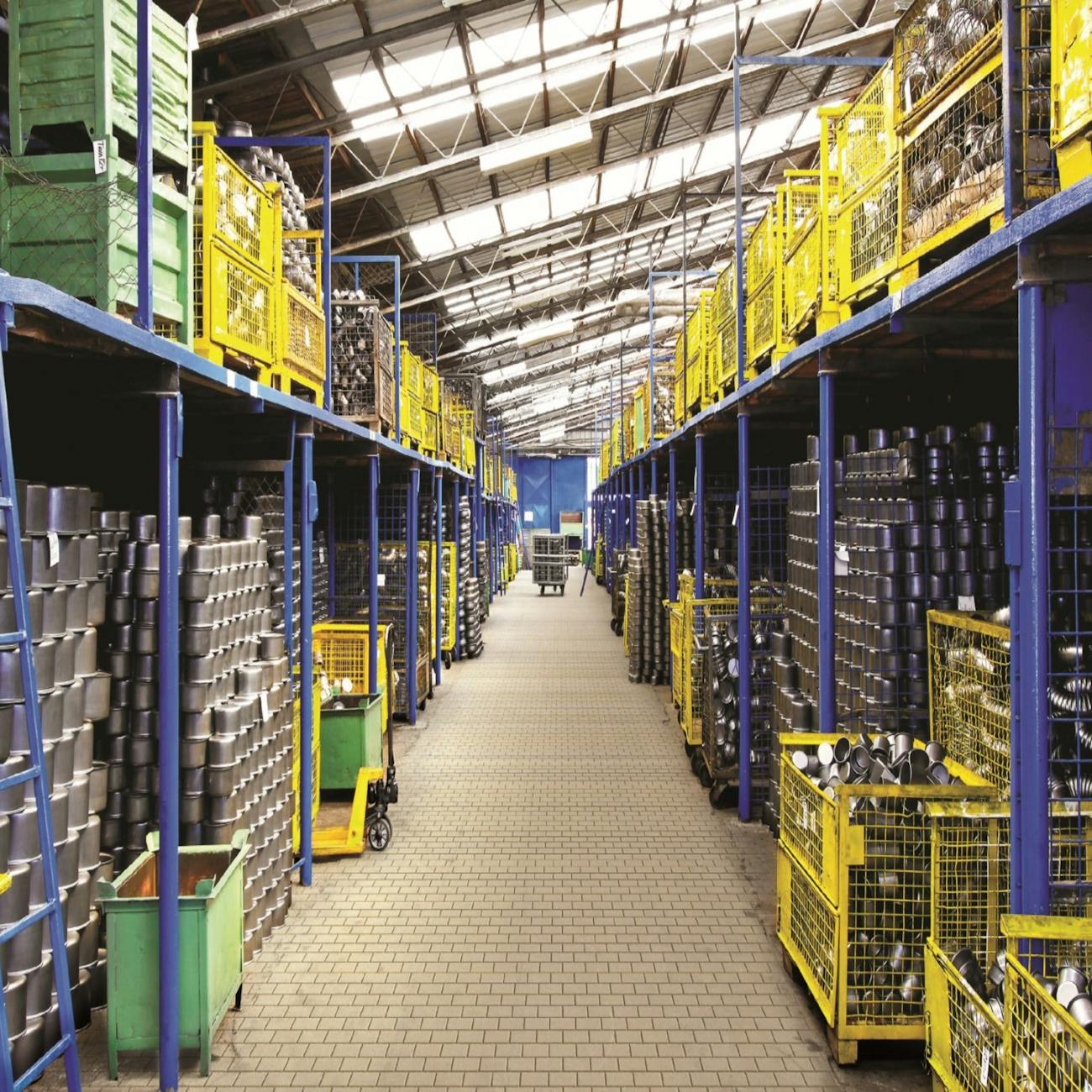
Material Requirements Planning (MRP) is a crucial aspect of inventory management in manufacturing that aims to ensure that the right materials are available at the right time in the right quantities to meet production needs. MRP helps companies optimize their inventory levels, reduce lead times, minimize stockouts, and improve overall operational efficiency.
Key Terms and Vocabulary:
1. **Inventory Management**: Inventory management involves overseeing the flow of goods from manufacturers to warehouses and ultimately to customers. It includes managing stock levels, tracking inventory movements, and optimizing inventory turnover.
2. **Manufacturing**: Manufacturing is the process of converting raw materials or components into finished goods through various production processes. It involves planning, organizing, and controlling the production of goods.
3. **Material Requirements Planning (MRP)**: Material Requirements Planning is a system that helps manufacturers plan and manage the materials needed for production. It calculates the quantity and timing of materials required based on the production schedule, lead times, and inventory levels.
4. **Bill of Materials (BOM)**: A Bill of Materials is a comprehensive list of all the raw materials, components, and sub-assemblies required to manufacture a finished product. It includes the quantity of each item needed for production.
5. **Master Production Schedule (MPS)**: The Master Production Schedule is a detailed plan that specifies the quantity of each finished product to be produced over a specific time period. It serves as a guideline for production planning and scheduling.
6. **Lead Time**: Lead time is the duration between placing an order for materials and receiving them. It includes the time required for processing orders, manufacturing products, and transporting goods to the production facility.
7. **Inventory Control**: Inventory control involves managing and regulating inventory levels to ensure that sufficient stock is available to meet production demands while minimizing excess inventory and associated costs.
8. **Material Planning**: Material planning is the process of determining the quantity and timing of materials needed for production. It involves forecasting demand, calculating lead times, and optimizing inventory levels.
9. **Work-in-Progress (WIP)**: Work-in-Progress refers to partially completed products that are in various stages of the production process. Managing WIP inventory is essential to ensure smooth production flow and timely completion of orders.
10. **Capacity Planning**: Capacity planning involves determining the production capacity needed to meet demand. It includes assessing available resources, identifying production constraints, and optimizing production processes.
11. **Just-in-Time (JIT)**: Just-in-Time is a production strategy that aims to minimize inventory levels by receiving materials and producing goods only as needed. JIT helps reduce waste, improve efficiency, and enhance responsiveness to customer demands.
12. **Material Lead Time**: Material lead time is the time required for suppliers to deliver materials after receiving an order. It includes processing time, production time, and transportation time needed to fulfill the order.
13. **Safety Stock**: Safety stock is extra inventory held as a buffer to account for uncertainties in demand, supply disruptions, or lead time variations. It helps prevent stockouts and ensures continuity of production.
14. **Reorder Point**: The reorder point is the inventory level at which a new order should be placed to replenish stock before it runs out. It is calculated based on lead time, demand variability, and safety stock requirements.
15. **Batch Size**: Batch size refers to the quantity of materials or products produced in a single production run. Determining an optimal batch size helps minimize setup costs, reduce lead times, and improve production efficiency.
16. **Economic Order Quantity (EOQ)**: Economic Order Quantity is a formula used to calculate the optimal order quantity that minimizes total inventory costs, including ordering costs and holding costs. EOQ helps find the right balance between ordering and carrying costs.
17. **Inventory Turnover**: Inventory turnover is a measure of how quickly a company sells and replaces its inventory within a specific time period. A high inventory turnover ratio indicates efficient inventory management and effective sales strategies.
18. **Material Forecasting**: Material forecasting involves predicting future demand for materials based on historical data, market trends, and other relevant factors. Accurate forecasting helps companies plan production schedules, optimize inventory levels, and reduce stockouts.
19. **Backorder**: A backorder occurs when customer orders cannot be fulfilled immediately due to insufficient inventory. Managing backorders is essential to maintain customer satisfaction and minimize disruptions in the supply chain.
20. **Supplier Performance**: Supplier performance refers to the ability of suppliers to meet quality, delivery, and cost requirements. Monitoring and evaluating supplier performance is crucial for ensuring a reliable and efficient supply chain.
21. **Inventory Valuation**: Inventory valuation is the process of assigning a monetary value to the inventory held by a company. It helps assess the financial health of the business, determine profitability, and comply with accounting standards.
22. **Lead Time Demand**: Lead time demand is the total quantity of materials needed during the lead time period. Calculating lead time demand helps determine the reorder point, safety stock levels, and optimal inventory levels to meet production requirements.
23. **Material Shortage**: A material shortage occurs when there is insufficient inventory to meet production demands. Addressing material shortages promptly is essential to prevent production delays, backorders, and customer dissatisfaction.
24. **Cycle Counting**: Cycle counting is a method of regularly counting and verifying inventory levels in small subsets rather than conducting a full physical inventory count. It helps identify discrepancies, improve inventory accuracy, and prevent stockouts.
25. **Stock Keeping Unit (SKU)**: A Stock Keeping Unit is a unique identifier assigned to each product or item in inventory. SKUs help track and manage inventory, facilitate order fulfillment, and streamline inventory control processes.
26. **Material Requisition**: A material requisition is a formal request for materials needed for production. It includes details such as item description, quantity, unit of measure, and required delivery date. Material requisitions help streamline the procurement process and ensure timely availability of materials.
27. **Order Fulfillment**: Order fulfillment involves the process of receiving, processing, and delivering customer orders in a timely and efficient manner. It includes activities such as picking, packing, shipping, and tracking orders to ensure customer satisfaction.
28. **Demand Forecasting**: Demand forecasting is the process of estimating future customer demand for products or services. It helps companies make informed decisions about production planning, inventory management, and resource allocation.
29. **Stockout**: A stockout occurs when a product is temporarily unavailable for sale due to insufficient inventory. Stockouts can lead to lost sales, decreased customer satisfaction, and damage to a company's reputation.
30. **Material Replenishment**: Material replenishment involves restocking inventory to maintain optimal levels for production needs. It includes placing orders with suppliers, tracking order status, and ensuring timely delivery of materials to support manufacturing operations.
31. **Inventory Accuracy**: Inventory accuracy refers to the degree to which actual inventory levels match recorded inventory data. Maintaining high inventory accuracy is essential for efficient inventory management, order fulfillment, and financial reporting.
32. **Order Lead Time**: Order lead time is the time taken from placing an order to receiving the goods. It includes processing time, picking time, packing time, and shipping time. Understanding order lead times helps companies plan inventory levels and meet customer delivery expectations.
33. **Material Utilization**: Material utilization refers to the efficient use of materials in production processes to minimize waste and optimize resource utilization. Improving material utilization can reduce production costs, enhance product quality, and increase overall productivity.
34. **Inventory Optimization**: Inventory optimization involves balancing inventory levels with demand variability, lead times, and other factors to minimize costs while meeting customer requirements. It includes strategies such as demand forecasting, safety stock management, and order quantity optimization.
35. **Material Handling**: Material handling refers to the movement, storage, and control of materials within a manufacturing facility. It includes activities such as loading, unloading, storing, and transporting materials to support production operations efficiently.
36. **Material Cost**: Material cost is the expense incurred by a company to purchase raw materials, components, or finished goods for production. Managing material costs effectively is essential for controlling overall production costs and maximizing profitability.
37. **Supplier Relationship Management**: Supplier Relationship Management involves building and maintaining positive relationships with suppliers to ensure a reliable and efficient supply chain. Effective supplier relationships can lead to better pricing, quality, and delivery terms.
38. **Inventory Control System**: An inventory control system is a set of processes, tools, and technologies used to manage and track inventory levels accurately. It includes inventory management software, barcode systems, and inventory tracking methods to optimize inventory control.
39. **Material Flow**: Material flow refers to the movement of materials through various stages of the production process, from raw material sourcing to finished product delivery. Efficient material flow is essential for minimizing lead times, reducing waste, and improving production efficiency.
40. **Supplier Collaboration**: Supplier collaboration involves working closely with suppliers to exchange information, share best practices, and collaborate on cost-saving initiatives. Strong supplier collaboration can lead to improved supply chain performance and mutual business success.
41. **Inventory Planning**: Inventory planning involves developing strategies to manage inventory levels effectively based on demand forecasts, production schedules, and supply chain constraints. It includes setting inventory targets, optimizing reorder points, and balancing stock levels to meet customer demands.
42. **Material Disposition**: Material disposition refers to the decision-making process for handling excess, obsolete, or defective materials. It includes options such as rework, scrap, return to supplier, or disposal. Effective material disposition helps reduce inventory carrying costs and optimize inventory levels.
43. **Inventory Control Parameters**: Inventory control parameters are key variables used to determine optimal inventory levels and reorder points. They include parameters such as safety stock levels, lead times, demand variability, and economic order quantities.
44. **Material Handling Equipment**: Material handling equipment includes tools and machinery used to move, store, and transport materials within a manufacturing facility. Examples include forklifts, conveyors, pallet jacks, and automated guided vehicles (AGVs).
45. **Vendor Managed Inventory (VMI)**: Vendor Managed Inventory is a supply chain management strategy in which suppliers monitor and manage inventory levels at customer locations. VMI helps improve supply chain efficiency, reduce stockouts, and enhance collaboration between suppliers and customers.
46. **Inventory Reconciliation**: Inventory reconciliation involves verifying and reconciling physical inventory counts with recorded inventory data to identify discrepancies and ensure accuracy. It helps prevent inventory errors, improve inventory control, and maintain financial integrity.
47. **Material Requirements Planning (MRP) II**: MRP II is an extended version of Material Requirements Planning that integrates additional functions such as capacity planning, shop floor control, and financial planning. MRP II provides a comprehensive approach to production planning and control.
48. **Inventory Turnover Ratio**: Inventory turnover ratio is a financial metric that measures how many times a company's inventory is sold and replaced within a specific period. A high inventory turnover ratio indicates efficient inventory management and effective sales performance.
49. **Material Review Board (MRB)**: A Material Review Board is a cross-functional team responsible for evaluating and making decisions on non-conforming materials or products. The MRB ensures that quality standards are met and appropriate actions are taken to address quality issues.
50. **Lean Manufacturing**: Lean Manufacturing is a production methodology focused on minimizing waste, optimizing processes, and improving efficiency. Lean principles include eliminating non-value-added activities, continuous improvement, and empowering employees to drive operational excellence.
In conclusion, mastering the key terms and vocabulary related to Material Requirements Planning (MRP) and inventory management in manufacturing is essential for professionals working in the field. Understanding these concepts can help companies optimize their production processes, streamline their supply chain operations, and achieve greater efficiency and profitability. By applying the principles of MRP effectively and utilizing the appropriate tools and techniques, organizations can enhance their inventory management practices, reduce costs, and meet customer demands with precision and agility.
Key takeaways
- Material Requirements Planning (MRP) is a crucial aspect of inventory management in manufacturing that aims to ensure that the right materials are available at the right time in the right quantities to meet production needs.
- **Inventory Management**: Inventory management involves overseeing the flow of goods from manufacturers to warehouses and ultimately to customers.
- **Manufacturing**: Manufacturing is the process of converting raw materials or components into finished goods through various production processes.
- **Material Requirements Planning (MRP)**: Material Requirements Planning is a system that helps manufacturers plan and manage the materials needed for production.
- **Bill of Materials (BOM)**: A Bill of Materials is a comprehensive list of all the raw materials, components, and sub-assemblies required to manufacture a finished product.
- **Master Production Schedule (MPS)**: The Master Production Schedule is a detailed plan that specifies the quantity of each finished product to be produced over a specific time period.
- It includes the time required for processing orders, manufacturing products, and transporting goods to the production facility.