
Business Applications of Blockchain and Tokenization
Blockchain: Blockchain is a decentralized, distributed ledger technology that records transactions across multiple computers in a secure and transparent manner. Each block in the chain contains a list of transactions, and once a block is ad…
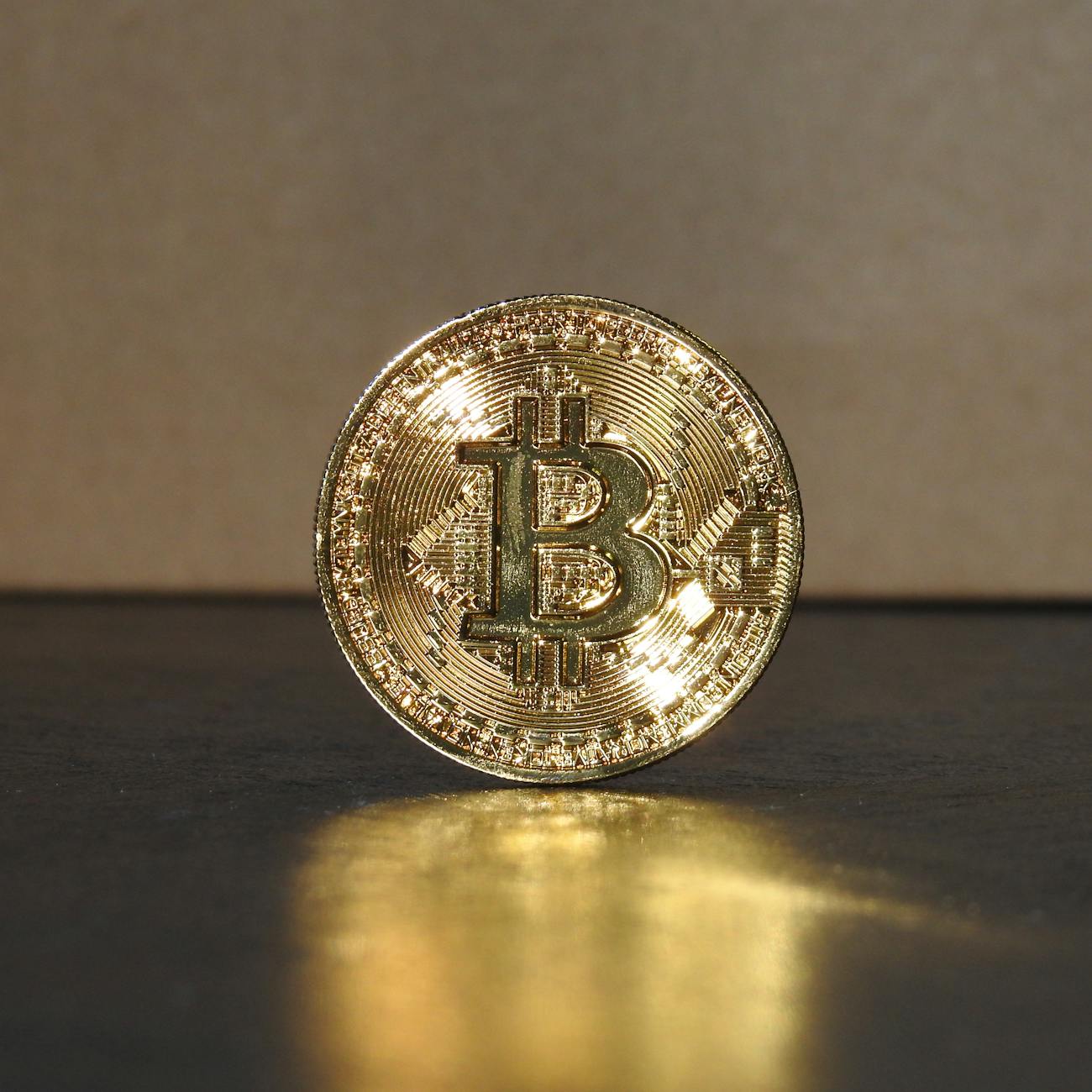
Blockchain: Blockchain is a decentralized, distributed ledger technology that records transactions across multiple computers in a secure and transparent manner. Each block in the chain contains a list of transactions, and once a block is added to the chain, it is immutable, meaning it cannot be altered or deleted. Blockchain technology enables trustless and secure transactions without the need for intermediaries.
Tokenization: Tokenization is the process of converting real-world assets into digital tokens on a blockchain. These tokens represent ownership of the underlying asset and can be traded, exchanged, or utilized for various purposes. Tokenization allows for fractional ownership, increased liquidity, and automated compliance through smart contracts.
Smart Contracts: Smart contracts are self-executing contracts with the terms of the agreement directly written into code. They automatically enforce the clauses of the contract and execute actions when predefined conditions are met. Smart contracts are integral to blockchain technology as they enable trustless and decentralized transactions.
Decentralized Finance (DeFi): Decentralized Finance, or DeFi, refers to financial services and applications built on blockchain technology that operate without traditional intermediaries such as banks or brokerage firms. DeFi platforms enable users to access a wide range of financial services, including lending, borrowing, trading, and more, in a trustless and permissionless manner.
Non-Fungible Tokens (NFTs): Non-Fungible Tokens are unique digital tokens that represent ownership of a specific asset or collectible. Unlike fungible tokens such as cryptocurrencies, each NFT is one-of-a-kind and cannot be exchanged on a like-for-like basis. NFTs have gained popularity in the art, gaming, and collectibles industries.
Initial Coin Offering (ICO): An Initial Coin Offering is a fundraising method in which a company or project sells digital tokens to investors in exchange for funding. ICOs were popular during the cryptocurrency boom of 2017 but have since been replaced by more regulated fundraising methods such as Security Token Offerings (STOs) and Initial Exchange Offerings (IEOs).
Security Token Offerings (STOs): Security Token Offerings are fundraising events in which digital tokens are issued to investors representing ownership of a security, such as equity, debt, or real estate. STOs are subject to regulatory compliance and provide investors with legal rights and protections.
Decentralized Autonomous Organizations (DAOs): Decentralized Autonomous Organizations are organizations governed by smart contracts and run on blockchain technology. DAOs operate without centralized control and allow members to vote on decisions, allocate resources, and manage the organization's activities in a transparent and decentralized manner.
Consensus Mechanisms: Consensus mechanisms are protocols used to achieve agreement on the validity of transactions in a blockchain network. Popular consensus mechanisms include Proof of Work (PoW), Proof of Stake (PoS), Delegated Proof of Stake (DPoS), and Practical Byzantine Fault Tolerance (PBFT).
Immutable Ledger: An immutable ledger is a record of transactions that cannot be altered or deleted once they are added to the blockchain. The immutability of the ledger ensures the integrity and trustworthiness of the data stored on the blockchain.
Token Standards: Token standards are sets of rules and specifications that define the behavior and attributes of digital tokens on a blockchain. Popular token standards include ERC-20, ERC-721, and ERC-1155 for Ethereum-based tokens, each with specific functionalities and use cases.
Interoperability: Interoperability refers to the ability of different blockchain networks to communicate and interact with each other seamlessly. Interoperable blockchains enable the transfer of assets and data across multiple networks, enhancing connectivity and scalability in the blockchain ecosystem.
Regulatory Compliance: Regulatory compliance refers to adherence to laws, regulations, and standards set forth by government authorities or regulatory bodies. Businesses operating in the blockchain and tokenization space must comply with AML (Anti-Money Laundering), KYC (Know Your Customer), and securities regulations to ensure legal and ethical practices.
Token Liquidity: Token liquidity refers to the ease with which a digital token can be bought or sold on the market without significantly impacting its price. High token liquidity is essential for efficient trading and investment in tokenized assets.
Blockchain Scalability: Blockchain scalability refers to the ability of a blockchain network to handle a large number of transactions quickly and efficiently. Scalability solutions such as sharding, layer 2 protocols, and sidechains are implemented to improve the throughput and performance of blockchain networks.
Token Economy: The token economy refers to the ecosystem of digital tokens, blockchain platforms, and decentralized applications that interact with each other to create value and facilitate transactions. A well-designed token economy incentivizes participation, rewards stakeholders, and drives network growth.
Token Utility: Token utility refers to the usefulness and functionality of a digital token within a blockchain ecosystem. Tokens with high utility can be used for various purposes such as payments, governance, staking, or accessing specific services within a decentralized application.
Privacy and Security: Privacy and security are crucial considerations in blockchain and tokenization to protect sensitive data and prevent unauthorized access. Privacy-enhancing technologies such as zero-knowledge proofs, homomorphic encryption, and secure multi-party computation are employed to ensure confidentiality and integrity of information.
Token Governance: Token governance refers to the rules, processes, and mechanisms that govern the behavior and decision-making of token holders within a decentralized network. Governance models can be on-chain or off-chain and determine how changes, upgrades, and disputes are resolved within the network.
Tokenization Use Cases: Tokenization has a wide range of use cases across industries, including real estate, art, supply chain, gaming, and intellectual property. By tokenizing assets and creating digital representations on the blockchain, businesses can unlock new opportunities for ownership, investment, and innovation.
Challenges in Blockchain and Tokenization: Despite the numerous benefits of blockchain and tokenization, there are several challenges that businesses and developers face, including regulatory uncertainty, scalability issues, interoperability barriers, security vulnerabilities, and user adoption. Overcoming these challenges requires collaboration, innovation, and industry-wide standards.
Tokenization Platforms: Tokenization platforms are blockchain-based solutions that enable the creation, issuance, and management of digital tokens for various assets. Popular tokenization platforms include Ethereum, Binance Smart Chain, Polkadot, and Tezos, each offering unique features and capabilities for tokenizing assets.
Tokenization Standards: Tokenization standards define the technical specifications and requirements for creating and managing digital tokens on a blockchain. Standards such as ERC-1400, ST-20, and TRC-20 provide guidelines for token issuance, transfer, and compliance with regulatory requirements.
Blockchain Oracles: Blockchain oracles are trusted data sources that provide external information to smart contracts on the blockchain. Oracles enable smart contracts to interact with real-world data, such as price feeds, weather conditions, or events, and trigger automated actions based on this information.
Token Swap: A token swap is the process of exchanging one type of digital token for another on a blockchain network. Token swaps can occur for various reasons, such as upgrading to a new token standard, migrating to a different blockchain, or consolidating tokens for efficiency.
Token Vesting: Token vesting is a mechanism that restricts the immediate release of tokens to investors or team members over a predetermined period. Vesting schedules help incentivize long-term commitment, align interests, and prevent token dumping in the early stages of a project.
Token Staking: Token staking is the process of locking up digital tokens in a smart contract to support the security and operations of a blockchain network. Stakers receive rewards in the form of additional tokens for validating transactions, securing the network, and participating in governance activities.
Token Burn: Token burn is the permanent removal of digital tokens from circulation by sending them to an inaccessible wallet address. Token burning reduces the total supply of tokens, increasing scarcity and potentially boosting the value of the remaining tokens in circulation.
Token Airdrop: A token airdrop is a distribution of digital tokens to a group of users for free, often as a marketing strategy to promote a project, reward loyal supporters, or incentivize community engagement. Airdrops can help increase token awareness, liquidity, and user participation.
Token Listing: Token listing refers to the process of adding a digital token to a cryptocurrency exchange for trading against other tokens or fiat currencies. Listing on popular exchanges can increase token liquidity, visibility, and accessibility to a broader audience of investors and traders.
Token Ecosystem: A token ecosystem encompasses the network of participants, applications, and services that interact with a digital token within a blockchain platform. An effective token ecosystem fosters collaboration, innovation, and value creation for all stakeholders involved.
Tokenization Benefits: Tokenization offers numerous benefits for businesses and individuals, including increased liquidity, fractional ownership, automated compliance, reduced transaction costs, enhanced security, and improved accessibility to previously illiquid assets. By leveraging blockchain technology and tokenization, organizations can unlock new opportunities for value creation and innovation.
Key takeaways
- Blockchain: Blockchain is a decentralized, distributed ledger technology that records transactions across multiple computers in a secure and transparent manner.
- These tokens represent ownership of the underlying asset and can be traded, exchanged, or utilized for various purposes.
- Smart Contracts: Smart contracts are self-executing contracts with the terms of the agreement directly written into code.
- Decentralized Finance (DeFi): Decentralized Finance, or DeFi, refers to financial services and applications built on blockchain technology that operate without traditional intermediaries such as banks or brokerage firms.
- Non-Fungible Tokens (NFTs): Non-Fungible Tokens are unique digital tokens that represent ownership of a specific asset or collectible.
- ICOs were popular during the cryptocurrency boom of 2017 but have since been replaced by more regulated fundraising methods such as Security Token Offerings (STOs) and Initial Exchange Offerings (IEOs).
- Security Token Offerings (STOs): Security Token Offerings are fundraising events in which digital tokens are issued to investors representing ownership of a security, such as equity, debt, or real estate.