
Robotics Safety in Plastic Surgery
Robotics Safety in Plastic Surgery: Robotics safety in plastic surgery refers to the measures and protocols put in place to ensure the safe and efficient use of robotic technology in surgical procedures. As robotics becomes more prevalent i…
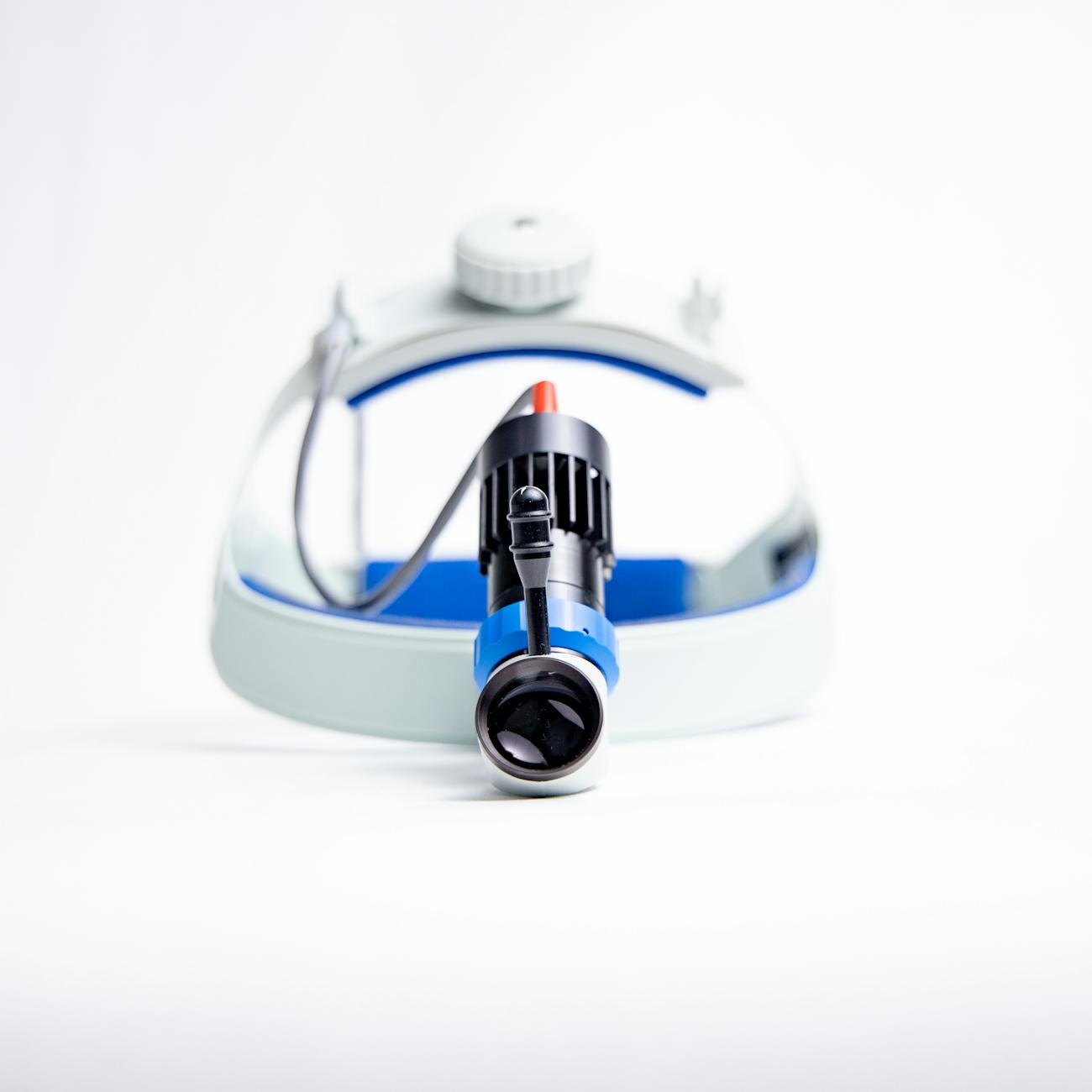
Robotics Safety in Plastic Surgery: Robotics safety in plastic surgery refers to the measures and protocols put in place to ensure the safe and efficient use of robotic technology in surgical procedures. As robotics becomes more prevalent in the field of plastic surgery, understanding and implementing safety practices is crucial to minimizing risks and maximizing the benefits of this advanced technology.
Key Terms and Vocabulary:
1. Robotics: Robotics involves the design, construction, operation, and use of robots to perform a variety of tasks. In plastic surgery, robotics can assist surgeons in performing procedures with enhanced precision and control.
2. Plastic Surgery: Plastic surgery is a specialized branch of surgery that focuses on reconstructing, altering, or restoring parts of the body. It includes procedures such as cosmetic surgery, reconstructive surgery, and microsurgery.
3. Safety: Safety in plastic surgery refers to the prevention of harm to patients, healthcare professionals, and equipment during surgical procedures. It encompasses various practices and protocols to minimize risks and ensure a safe environment.
4. Risk Assessment: Risk assessment involves identifying potential hazards and evaluating the likelihood and severity of adverse events. In robotics for plastic surgery, conducting a thorough risk assessment is essential to mitigate risks and ensure patient safety.
5. Emergency Preparedness: Emergency preparedness refers to the planning and readiness to respond to unexpected events or complications during surgical procedures. This includes having protocols in place for various scenarios to ensure a timely and effective response.
6. Automation: Automation involves the use of robotic technology to perform tasks with minimal human intervention. In plastic surgery, automation can enhance precision and efficiency but requires proper safety measures to prevent errors or accidents.
7. Remote Monitoring: Remote monitoring allows surgeons to oversee robotic procedures from a distance using advanced technology. This capability enables real-time feedback and intervention if any issues arise during surgery.
8. Human-Robot Interaction: Human-robot interaction refers to the collaboration between surgeons and robotic systems during surgical procedures. Establishing clear communication and understanding roles is essential to ensure safe and effective teamwork.
9. Collision Avoidance: Collision avoidance systems in robotics are designed to prevent unintended contact between the robotic arm and surrounding objects or individuals. These systems use sensors and algorithms to detect obstacles and adjust the robot's movements accordingly.
10. Sterilization: Sterilization is the process of eliminating all microorganisms from surgical instruments and equipment to prevent infections. In robotic surgery, ensuring proper sterilization of robotic arms and tools is critical to maintaining a sterile surgical environment.
11. Training and Education: Training and education are essential for healthcare professionals to acquire the skills and knowledge needed to operate robotic systems safely and effectively. Ongoing training programs help ensure competency and proficiency in using robotic technology.
12. Patient Consent: Patient consent is the process of obtaining permission from patients before performing surgical procedures. In robotic surgery, patients should be informed about the benefits, risks, and alternatives of using robotic technology to make an informed decision.
13. Ergonomics: Ergonomics focuses on designing workspaces and equipment to optimize human performance and prevent injuries. In robotic surgery, considering ergonomic factors is crucial to ensure the comfort and safety of surgeons operating robotic systems.
14. Data Security: Data security involves protecting patient information and surgical data from unauthorized access or breaches. In robotic surgery, implementing secure systems and protocols is essential to safeguard sensitive information and maintain patient privacy.
15. Infection Control: Infection control measures are crucial in preventing surgical site infections and other complications. In robotic surgery, maintaining a sterile environment, proper hand hygiene, and disinfection protocols are essential to reduce the risk of infections.
16. Telemedicine: Telemedicine allows for remote consultations and follow-up care using telecommunications technology. In robotic surgery, telemedicine can facilitate post-operative monitoring and consultations, improving access to care for patients.
17. Regulatory Compliance: Regulatory compliance involves adhering to laws, regulations, and standards set forth by governing bodies. In robotic surgery, complying with regulatory requirements ensures that procedures are performed safely, ethically, and within legal boundaries.
18. Quality Assurance: Quality assurance programs aim to monitor and improve the quality of healthcare services. In robotic surgery, implementing quality assurance measures helps identify areas for improvement and ensures consistent, high-quality care for patients.
19. Simulation Training: Simulation training involves using virtual or physical models to practice surgical procedures and enhance skills. In robotic surgery, simulation training can help surgeons familiarize themselves with robotic systems and refine their techniques in a controlled environment.
20. Team Communication: Effective team communication is essential for coordinating efforts and ensuring a smooth surgical workflow. In robotic surgery, clear and timely communication among team members is critical to preventing errors and optimizing patient outcomes.
Practical Applications: The concepts and vocabulary related to robotics safety in plastic surgery have practical applications in various aspects of surgical practice. For example, risk assessment and emergency preparedness protocols are essential for planning and executing robotic procedures safely. Automation and remote monitoring technologies can enhance surgical precision and efficiency, while collision avoidance systems help prevent accidents during surgery. Training and education programs are crucial for ensuring that healthcare professionals are proficient in using robotic systems and following safety protocols. Patient consent and data security measures protect patient rights and privacy, while infection control and sterilization practices reduce the risk of surgical site infections.
Challenges: Despite the benefits of robotics in plastic surgery, there are challenges and considerations that must be addressed to ensure safety and efficacy. For instance, human-robot interaction requires clear communication and coordination to avoid errors or misunderstandings. Ergonomic factors play a role in preventing surgeon fatigue and injuries during prolonged robotic procedures. Regulatory compliance and quality assurance programs are necessary to maintain high standards of care and adhere to legal requirements. Additionally, integrating telemedicine and simulation training into surgical practice may require investments in technology and infrastructure. Overcoming these challenges through proper planning, training, and collaboration can help maximize the potential of robotics in plastic surgery while ensuring patient safety and positive outcomes.
Key takeaways
- Robotics Safety in Plastic Surgery: Robotics safety in plastic surgery refers to the measures and protocols put in place to ensure the safe and efficient use of robotic technology in surgical procedures.
- Robotics: Robotics involves the design, construction, operation, and use of robots to perform a variety of tasks.
- Plastic Surgery: Plastic surgery is a specialized branch of surgery that focuses on reconstructing, altering, or restoring parts of the body.
- Safety: Safety in plastic surgery refers to the prevention of harm to patients, healthcare professionals, and equipment during surgical procedures.
- Risk Assessment: Risk assessment involves identifying potential hazards and evaluating the likelihood and severity of adverse events.
- Emergency Preparedness: Emergency preparedness refers to the planning and readiness to respond to unexpected events or complications during surgical procedures.
- In plastic surgery, automation can enhance precision and efficiency but requires proper safety measures to prevent errors or accidents.