
Marine Contract Negotiation
Marine Contract Negotiation: Marine contract negotiation is a critical aspect of marine procurement management. It involves the process of reaching an agreement between parties involved in a marine contract, typically the buyer and the sell…
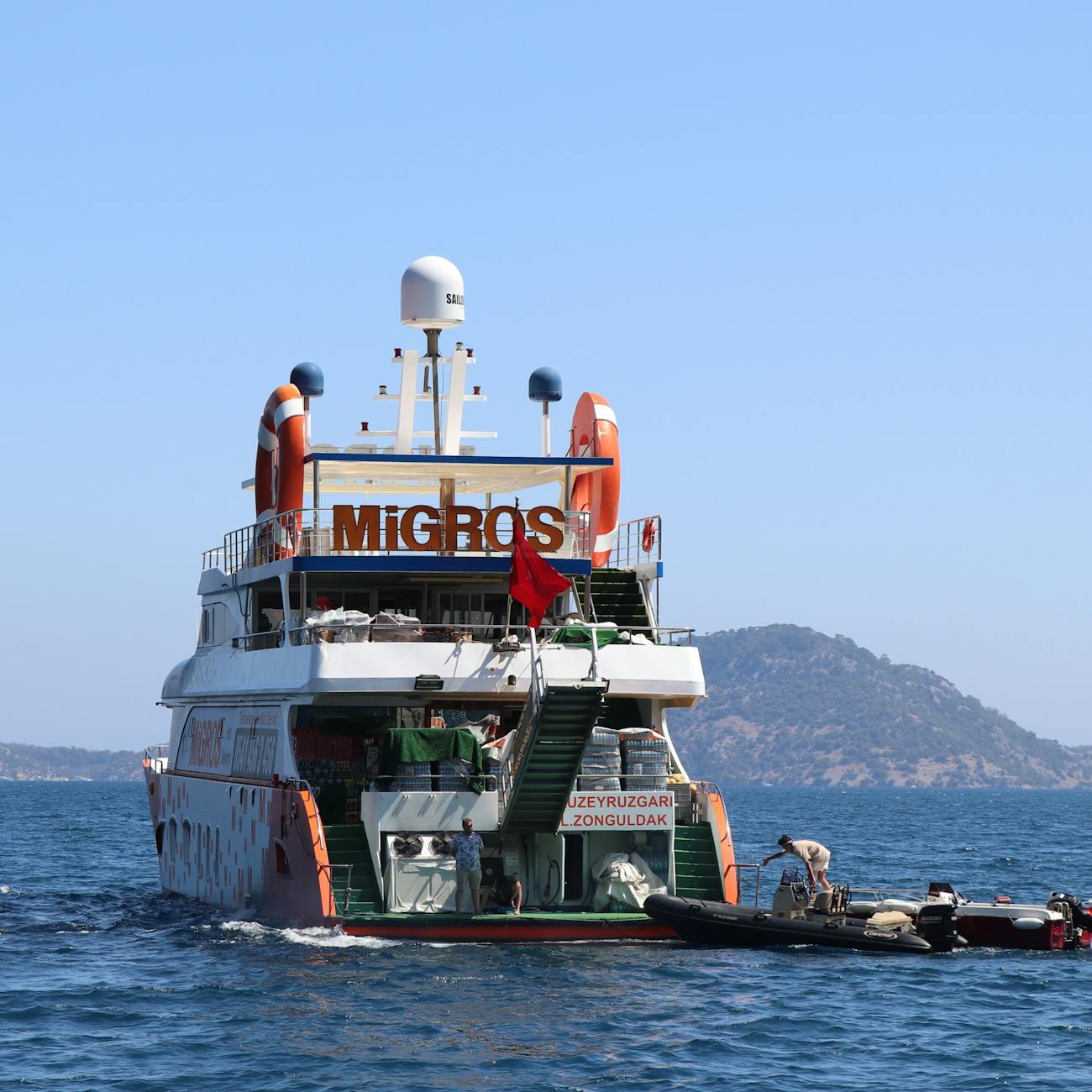
Marine Contract Negotiation: Marine contract negotiation is a critical aspect of marine procurement management. It involves the process of reaching an agreement between parties involved in a marine contract, typically the buyer and the seller. Negotiation plays a crucial role in securing favorable terms, pricing, and conditions for both parties. It requires effective communication, strategic planning, and a deep understanding of the marine industry.
Key Terms and Vocabulary:
1. Marine Procurement Management: Marine procurement management refers to the process of sourcing, purchasing, and managing goods and services in the maritime industry. It involves activities such as supplier selection, contract negotiation, and supply chain management to ensure the efficient operation of marine businesses.
2. Contract: A contract is a legally binding agreement between two or more parties that outlines the terms and conditions of their relationship. In the marine industry, contracts can cover various aspects such as vessel charters, equipment purchases, and service agreements.
3. Negotiation: Negotiation is the process of reaching a mutually acceptable agreement through communication and compromise. In marine contract negotiation, parties discuss terms such as pricing, delivery schedules, warranties, and payment terms to reach a deal that benefits both sides.
4. Terms and Conditions: Terms and conditions are the specific provisions of a contract that outline the rights and obligations of each party. In marine contract negotiation, parties must carefully review and agree on these terms to avoid misunderstandings and disputes.
5. Pricing: Pricing refers to the cost of goods or services in a contract. In marine contract negotiation, parties often haggle over pricing to ensure that it is fair and competitive. Factors such as market conditions, supply chain costs, and demand can influence pricing.
6. Delivery Schedule: The delivery schedule specifies when goods or services will be delivered under a contract. In marine procurement, delivery schedules are crucial to ensure timely operations and avoid disruptions. Parties negotiate delivery schedules based on factors such as vessel availability, port congestion, and weather conditions.
7. Quality Standards: Quality standards define the expected level of quality for goods or services in a contract. In marine procurement, quality standards are essential to ensure that products meet industry regulations and customer expectations. Parties negotiate quality standards to guarantee compliance and customer satisfaction.
8. Payment Terms: Payment terms outline how and when payments will be made under a contract. In marine contract negotiation, parties discuss payment terms such as upfront payments, installment payments, and penalties for late payments. Clear payment terms are crucial to prevent financial disputes and ensure smooth transactions.
9. Force Majeure: Force majeure refers to unforeseeable circumstances that prevent parties from fulfilling their contractual obligations. In marine contracts, force majeure clauses protect parties from liabilities in cases of events such as natural disasters, wars, or labor strikes. Parties negotiate force majeure provisions to mitigate risks and uncertainties.
10. Dispute Resolution: Dispute resolution mechanisms specify how parties will resolve conflicts or disagreements under a contract. In marine contract negotiation, parties may include provisions for mediation, arbitration, or litigation to settle disputes. Effective dispute resolution mechanisms are essential to maintain trust and collaboration between parties.
11. Vessel Charter: A vessel charter is a contract between a shipowner and a charterer for the use of a vessel. In marine procurement, vessel charters are common for transporting goods, passengers, or equipment. Parties negotiate charter terms such as charter hire, duration, and cargo handling to secure efficient and cost-effective transportation.
12. Supplier Evaluation: Supplier evaluation involves assessing the performance and capabilities of potential suppliers before entering into contracts. In marine procurement management, supplier evaluation helps identify reliable and qualified suppliers to meet the organization's needs. Parties negotiate supplier evaluation criteria such as quality, reliability, and pricing to ensure successful partnerships.
13. Risk Management: Risk management involves identifying, assessing, and mitigating risks associated with marine contracts. In negotiation, parties analyze risks such as market fluctuations, regulatory changes, and supply chain disruptions to develop risk management strategies. Effective risk management is crucial to protect parties from financial losses and reputational damage.
14. Compliance: Compliance refers to adherence to laws, regulations, and industry standards in marine procurement. In contract negotiation, parties must ensure that contracts comply with legal requirements and ethical practices. Compliance issues such as environmental regulations, safety standards, and anti-corruption policies are crucial considerations in marine contract negotiation.
15. Inspections and Audits: Inspections and audits involve assessing the quality and performance of goods or services under a contract. In marine procurement, parties may include provisions for inspections and audits to ensure compliance with specifications and standards. Inspections and audits help verify product quality, safety, and regulatory compliance.
16. Performance Monitoring: Performance monitoring involves tracking and evaluating the performance of suppliers and contractors under a contract. In marine procurement management, parties use key performance indicators (KPIs) to measure supplier performance in areas such as quality, delivery, and cost. Performance monitoring helps identify strengths, weaknesses, and areas for improvement in supplier relationships.
17. Amendments and Modifications: Amendments and modifications are changes made to a contract after it has been signed. In marine contract negotiation, parties may need to amend contracts due to changes in circumstances, requirements, or regulations. Parties negotiate amendments and modifications to ensure that contracts remain relevant and effective throughout their duration.
18. Confidentiality: Confidentiality provisions protect sensitive information exchanged between parties during contract negotiation. In marine procurement, parties may include confidentiality clauses to safeguard trade secrets, proprietary data, and competitive advantages. Confidentiality is essential to maintain trust, privacy, and security in contract negotiations.
19. Best Practices: Best practices refer to proven methods and strategies that lead to successful outcomes in marine contract negotiation. In marine procurement management, parties rely on best practices such as transparency, collaboration, and communication to achieve mutually beneficial agreements. Following best practices enhances efficiency, effectiveness, and trust in contract negotiations.
20. Industry Standards: Industry standards are guidelines and norms that govern practices and processes in the marine industry. In contract negotiation, parties must comply with industry standards such as safety regulations, quality certifications, and environmental policies. Industry standards ensure consistency, reliability, and compliance in marine procurement.
Practical Applications:
Marine contract negotiation is a complex and dynamic process that requires careful planning, effective communication, and strategic decision-making. Here are some practical applications of key terms and concepts in marine contract negotiation:
- Pricing Negotiation: A marine procurement manager negotiates pricing with a shipyard for the construction of a new vessel. The manager analyzes market trends, production costs, and competitive offers to secure a competitive price that meets budget constraints and quality standards.
- Delivery Schedule Agreement: A shipping company negotiates a delivery schedule with a logistics provider for the transport of perishable goods. The parties agree on a flexible schedule that accounts for seasonal demand, port congestion, and weather conditions to ensure timely and efficient delivery.
- Quality Standards Compliance: A marine supplier undergoes a quality audit to verify compliance with industry standards and customer requirements. The supplier implements corrective actions, quality control measures, and employee training to meet quality standards and enhance customer satisfaction.
- Risk Management Strategy: A marine contractor assesses risks associated with a long-term charter agreement for a fleet of vessels. The contractor develops a risk management strategy that includes insurance coverage, contingency plans, and performance guarantees to mitigate risks and protect against unforeseen events.
- Dispute Resolution Mechanism: A marine procurement team includes a mediation clause in a service contract with a maintenance provider. The clause stipulates that disputes will be resolved through mediation to facilitate timely and cost-effective resolution of conflicts and maintain a positive business relationship.
- Compliance Review: A marine legal team conducts a compliance review of a contract with a fuel supplier to ensure adherence to environmental regulations and anti-corruption laws. The team identifies compliance risks, updates contract terms, and implements monitoring mechanisms to prevent legal violations and reputational damage.
Challenges:
Marine contract negotiation presents various challenges that require careful consideration and proactive management. Some common challenges in marine contract negotiation include:
- Complex Legal Frameworks: The maritime industry is subject to complex legal frameworks, international regulations, and industry-specific standards that can complicate contract negotiation. Parties must navigate legal requirements, jurisdictional issues, and dispute resolution mechanisms to ensure compliance and mitigate legal risks.
- Uncertain Market Conditions: Fluctuations in global markets, supply chain disruptions, and geopolitical events can create uncertainty and volatility in marine contract negotiation. Parties must monitor market trends, assess risks, and adapt strategies to address changing conditions and protect against financial losses.
- Diverse Stakeholder Interests: Marine contracts often involve multiple stakeholders with diverse interests, priorities, and objectives. Negotiating with stakeholders such as shipowners, charterers, suppliers, and regulatory authorities requires effective communication, consensus-building, and conflict resolution to align interests and reach mutually beneficial agreements.
- Technological Advancements: Advances in technology, digitalization, and automation are transforming the marine industry and impacting contract negotiation. Parties must embrace digital tools, data analytics, and electronic platforms to streamline processes, enhance transparency, and optimize decision-making in contract negotiations.
- Environmental and Sustainability Concerns: Growing awareness of environmental issues, sustainability goals, and climate change impacts are shaping marine procurement practices and contract negotiation. Parties must consider environmental regulations, eco-friendly solutions, and sustainable practices to minimize environmental footprints, reduce carbon emissions, and promote responsible procurement decisions.
In conclusion, marine contract negotiation is a critical skill for professionals in the maritime industry. By understanding key terms, concepts, and practical applications, practitioners can navigate complex contracts, manage risks, and achieve successful outcomes in marine procurement management. Effective negotiation strategies, compliance practices, and stakeholder engagement are essential for building strong partnerships, ensuring operational efficiency, and driving sustainable growth in the marine sector.
Key takeaways
- It involves the process of reaching an agreement between parties involved in a marine contract, typically the buyer and the seller.
- Marine Procurement Management: Marine procurement management refers to the process of sourcing, purchasing, and managing goods and services in the maritime industry.
- Contract: A contract is a legally binding agreement between two or more parties that outlines the terms and conditions of their relationship.
- In marine contract negotiation, parties discuss terms such as pricing, delivery schedules, warranties, and payment terms to reach a deal that benefits both sides.
- Terms and Conditions: Terms and conditions are the specific provisions of a contract that outline the rights and obligations of each party.
- In marine contract negotiation, parties often haggle over pricing to ensure that it is fair and competitive.
- Parties negotiate delivery schedules based on factors such as vessel availability, port congestion, and weather conditions.