
Geological Data Analysis
Geological Data Analysis is a critical aspect of the Professional Certificate in AI Application in Petroleum Geology. This field involves the collection, interpretation, and manipulation of various types of data related to the Earth's struc…
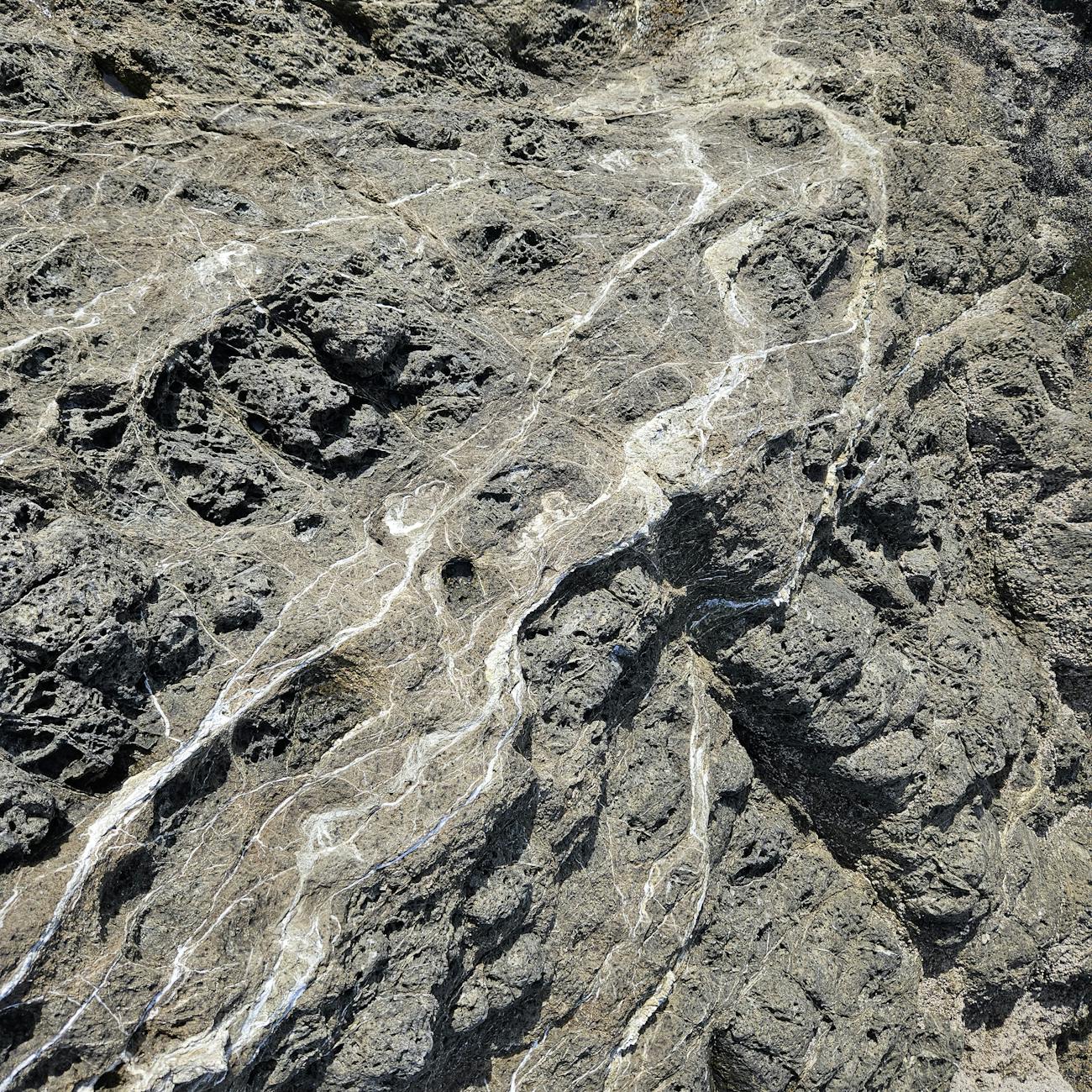
Geological Data Analysis is a critical aspect of the Professional Certificate in AI Application in Petroleum Geology. This field involves the collection, interpretation, and manipulation of various types of data related to the Earth's structure, composition, and processes. Understanding key terms and vocabulary in Geological Data Analysis is essential for effectively utilizing artificial intelligence in petroleum geology applications.
1. **Geological Data**: Geological data refers to any information collected about the Earth's surface, subsurface, and processes. This data can include rock samples, seismic surveys, well logs, and other types of geophysical measurements.
2. **Data Acquisition**: Data acquisition is the process of collecting geological data using various methods such as field surveys, drilling, remote sensing, and geophysical techniques.
3. **Data Processing**: Data processing involves organizing, cleaning, and transforming raw geological data into a format that can be analyzed and interpreted. This step is crucial for ensuring the quality and reliability of the data.
4. **Data Interpretation**: Data interpretation is the process of analyzing geological data to extract meaningful insights and draw conclusions about the Earth's structure, composition, and processes.
5. **Data Visualization**: Data visualization is the graphical representation of geological data to help identify patterns, trends, and relationships. Visualizing data can aid in understanding complex geological phenomena and communicating findings effectively.
6. **Machine Learning**: Machine learning is a subset of artificial intelligence that enables computers to learn from data and make predictions or decisions without being explicitly programmed. In geological data analysis, machine learning algorithms can be used to identify patterns in data, predict geological phenomena, and optimize exploration strategies.
7. **Deep Learning**: Deep learning is a type of machine learning that uses artificial neural networks to learn complex patterns and relationships in data. Deep learning algorithms have been increasingly applied in geological data analysis for tasks such as seismic interpretation, reservoir characterization, and mineral exploration.
8. **Feature Extraction**: Feature extraction is the process of identifying and selecting relevant attributes or properties (features) from geological data that are most informative for analysis. This step is crucial for reducing the dimensionality of data and improving the performance of machine learning models.
9. **Supervised Learning**: Supervised learning is a type of machine learning where the model is trained on labeled data, meaning that the input data is paired with the corresponding output or target variable. Supervised learning algorithms are commonly used in geological data analysis for tasks such as lithology classification and seismic interpretation.
10. **Unsupervised Learning**: Unsupervised learning is a type of machine learning where the model is trained on unlabeled data, meaning that the input data is not paired with any specific output or target variable. Unsupervised learning algorithms are useful for tasks such as clustering geological data to identify patterns and anomalies.
11. **Reinforcement Learning**: Reinforcement learning is a type of machine learning where an agent learns to make decisions by interacting with an environment and receiving rewards or penalties based on its actions. Reinforcement learning algorithms can be applied in geological data analysis for tasks such as optimizing drilling operations and reservoir management.
12. **Geostatistics**: Geostatistics is a branch of statistics that focuses on the analysis and modeling of spatially distributed data. Geostatistical techniques are commonly used in geological data analysis for tasks such as spatial interpolation, uncertainty quantification, and reservoir modeling.
13. **Geological Modeling**: Geological modeling involves creating three-dimensional representations of the Earth's subsurface based on geological data. Geological models are used in petroleum geology for reservoir characterization, resource estimation, and exploration planning.
14. **Seismic Interpretation**: Seismic interpretation is the process of analyzing seismic data to identify subsurface structures, stratigraphy, and hydrocarbon reservoirs. Seismic interpretation plays a crucial role in petroleum exploration and production by providing insights into the Earth's subsurface.
15. **Well Log Analysis**: Well log analysis involves interpreting data collected from boreholes drilled into the Earth's subsurface. Well logs provide information about rock properties, fluid content, and geological structures, which are essential for reservoir characterization and production optimization.
16. **Reservoir Characterization**: Reservoir characterization is the process of describing and quantifying the properties of a hydrocarbon reservoir, such as porosity, permeability, and fluid saturation. Accurate reservoir characterization is essential for estimating reserves, optimizing production strategies, and mitigating risks in oil and gas exploration.
17. **Geological Risk Assessment**: Geological risk assessment involves evaluating the uncertainties and potential hazards associated with geological data in petroleum exploration and production. Risk assessment helps decision-makers in the oil and gas industry to identify and mitigate geological risks that may impact project success.
18. **Data Integration**: Data integration is the process of combining and harmonizing geological data from multiple sources to create a unified dataset for analysis. Integrating data from different sources can provide a more comprehensive understanding of geological phenomena and improve the accuracy of predictions.
19. **Geological Mapping**: Geological mapping involves creating detailed maps of the Earth's surface and subsurface to visualize geological features, structures, and formations. Geological maps are essential for guiding exploration activities, identifying potential drilling locations, and understanding the geology of an area.
20. **Geological Database**: A geological database is a digital repository that stores and manages geological data, such as well logs, seismic surveys, geochemical analyses, and geological maps. Geological databases facilitate data sharing, collaboration, and analysis in petroleum geology projects.
By understanding and applying these key terms and vocabulary in Geological Data Analysis, professionals in the field of petroleum geology can leverage artificial intelligence technologies to enhance exploration, production, and decision-making processes. The integration of advanced data analysis techniques and machine learning algorithms can help unlock valuable insights from geological data, optimize resource recovery, and mitigate risks in the oil and gas industry.
Key takeaways
- Understanding key terms and vocabulary in Geological Data Analysis is essential for effectively utilizing artificial intelligence in petroleum geology applications.
- **Geological Data**: Geological data refers to any information collected about the Earth's surface, subsurface, and processes.
- **Data Acquisition**: Data acquisition is the process of collecting geological data using various methods such as field surveys, drilling, remote sensing, and geophysical techniques.
- **Data Processing**: Data processing involves organizing, cleaning, and transforming raw geological data into a format that can be analyzed and interpreted.
- **Data Interpretation**: Data interpretation is the process of analyzing geological data to extract meaningful insights and draw conclusions about the Earth's structure, composition, and processes.
- **Data Visualization**: Data visualization is the graphical representation of geological data to help identify patterns, trends, and relationships.
- **Machine Learning**: Machine learning is a subset of artificial intelligence that enables computers to learn from data and make predictions or decisions without being explicitly programmed.