
Introduction to Expressive Arts Writing
Expressive Arts Writing is a form of creative expression that combines various art forms, such as writing, visual arts, music, drama, and movement, to explore and communicate emotions, thoughts, and experiences. This interdisciplinary appro…
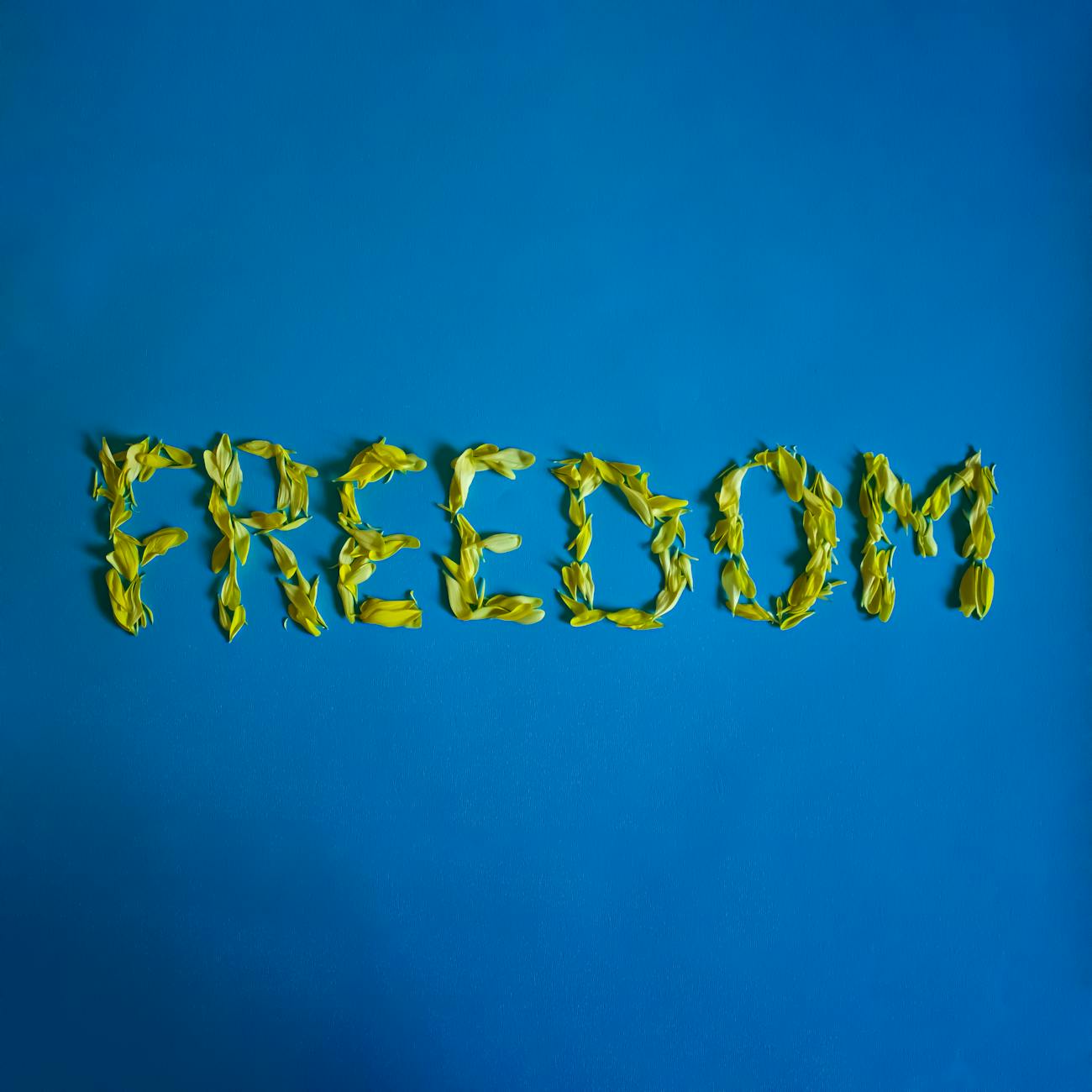
Expressive Arts Writing is a form of creative expression that combines various art forms, such as writing, visual arts, music, drama, and movement, to explore and communicate emotions, thoughts, and experiences. This interdisciplinary approach allows individuals to tap into their creativity and use different mediums to express themselves in a unique and meaningful way.
**Key Terms and Vocabulary**
1. **Expressive Arts**: The use of various art forms to explore and express emotions, thoughts, and experiences.
2. **Writing**: The act of putting thoughts, ideas, and emotions into written words.
3. **Creative Expression**: The process of using art to convey emotions, thoughts, and experiences in a unique and meaningful way.
4. **Interdisciplinary**: Involving multiple disciplines or fields of study.
5. **Creativity**: The ability to generate new ideas, concepts, or solutions through imagination and original thinking.
6. **Emotions**: Feelings or states of mind that can be expressed through art forms.
7. **Art Forms**: Different types of artistic mediums, such as writing, visual arts, music, drama, and movement.
8. **Exploration**: The act of investigating or examining something in depth.
9. **Communication**: The process of sharing or exchanging information, thoughts, or feelings.
10. **Meaning**: The significance or interpretation of something, often conveyed through art.
11. **Personal Growth**: The development and improvement of oneself through self-reflection and exploration.
12. **Self-Expression**: The expression of one's thoughts, feelings, or identity through art forms.
13. **Reflection**: The act of thinking deeply or carefully about something.
14. **Imagination**: The ability to form new ideas, images, or concepts in the mind.
15. **Narrative**: A story or account of events, experiences, or interactions.
16. **Symbolism**: The use of symbols to represent ideas or qualities.
17. **Metaphor**: A figure of speech in which a word or phrase is applied to an object or action to which it is not literally applicable.
18. **Poetry**: Literary work in which special intensity is given to the expression of feelings and ideas by the use of distinctive style and rhythm.
19. **Prose**: Written or spoken language in its ordinary form, without metrical structure.
20. **Character Development**: The process of creating and evolving characters in a story or narrative.
**Examples**
1. Writing a poem about a personal experience to convey emotions and thoughts. 2. Creating a visual art piece to explore a complex idea or concept. 3. Using music to express feelings of joy, sadness, or anger. 4. Writing a short story that incorporates elements of drama and movement.
**Practical Applications**
1. Therapeutic Writing: Writing as a form of therapy to explore emotions, trauma, and personal growth. 2. Creative Writing Workshops: Group sessions focused on exploring creativity, self-expression, and storytelling. 3. Journaling: Keeping a journal to reflect on daily experiences, thoughts, and emotions. 4. Collaborative Projects: Working with other artists to create interdisciplinary art pieces that combine different mediums.
**Challenges**
1. **Self-Doubt**: Feeling insecure or lacking confidence in one's creative abilities. 2. **Creative Block**: Struggling to generate ideas or inspiration for artistic projects. 3. **Criticism**: Dealing with feedback or critique on one's work. 4. **Time Management**: Balancing creative projects with other responsibilities and commitments.
In conclusion, Expressive Arts Writing is a powerful tool for self-expression, exploration, and communication. By combining different art forms, individuals can tap into their creativity, connect with their emotions, and share their stories in a meaningful way. Through the use of key terms and vocabulary, as well as examples, practical applications, and challenges, learners can deepen their understanding of this interdisciplinary approach to creative expression.
Key takeaways
- Expressive Arts Writing is a form of creative expression that combines various art forms, such as writing, visual arts, music, drama, and movement, to explore and communicate emotions, thoughts, and experiences.
- **Expressive Arts**: The use of various art forms to explore and express emotions, thoughts, and experiences.
- **Writing**: The act of putting thoughts, ideas, and emotions into written words.
- **Creative Expression**: The process of using art to convey emotions, thoughts, and experiences in a unique and meaningful way.
- **Interdisciplinary**: Involving multiple disciplines or fields of study.
- **Creativity**: The ability to generate new ideas, concepts, or solutions through imagination and original thinking.
- **Emotions**: Feelings or states of mind that can be expressed through art forms.