
Health and Safety Regulations in the Oil and Gas Industry
Health and Safety Regulations in the Oil and Gas Industry
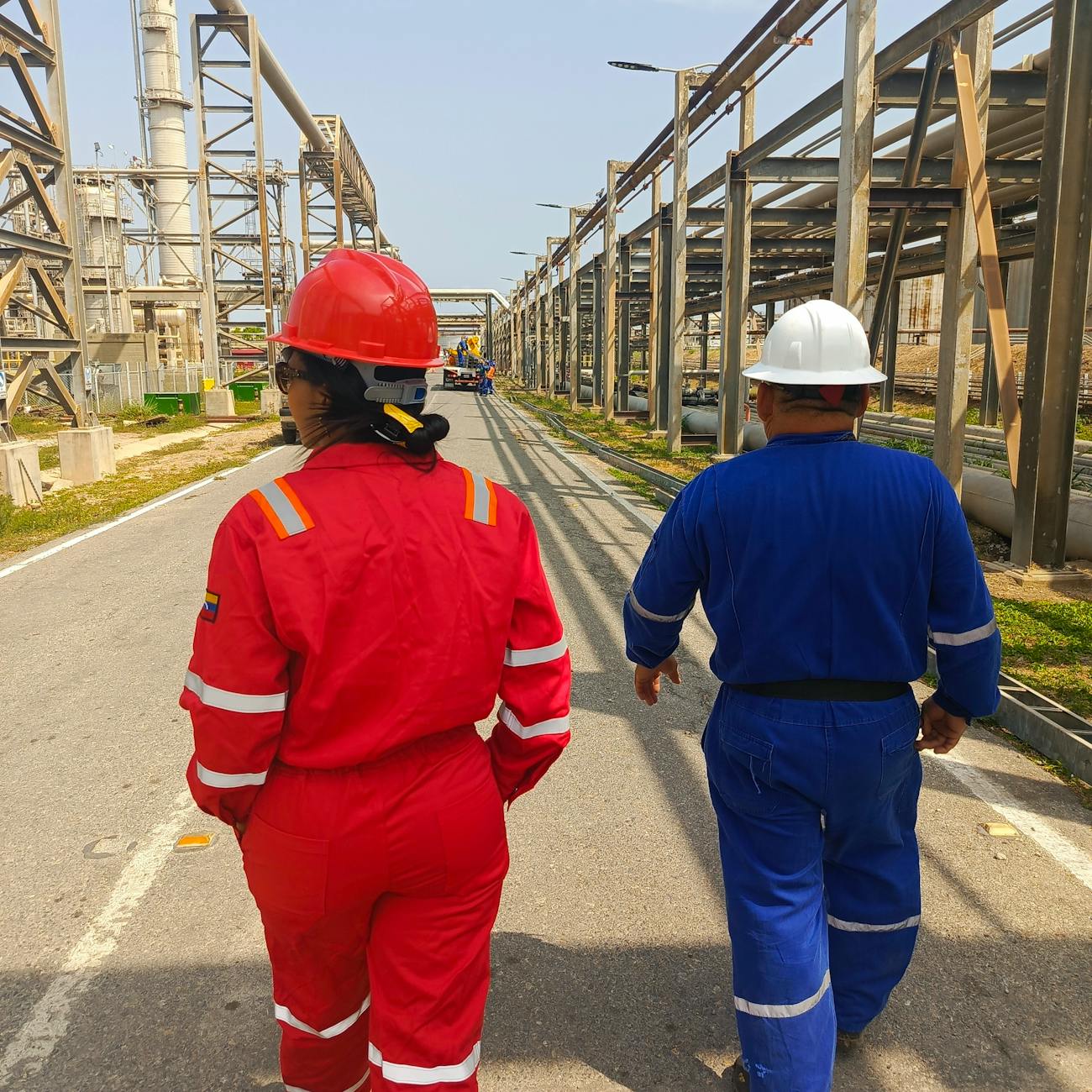
Health and Safety Regulations in the Oil and Gas Industry
Health and safety regulations in the oil and gas industry are vital to protect the well-being of workers, communities, and the environment. These regulations cover a wide range of aspects, from personal protective equipment to emergency response protocols. Understanding and complying with these regulations is essential for all stakeholders in the industry.
Key Terms and Vocabulary
1. Health and Safety Executive (HSE)
The Health and Safety Executive (HSE) is the regulatory body responsible for enforcing health and safety regulations in the UK. It plays a crucial role in ensuring that companies in the oil and gas industry comply with the necessary standards to protect workers and the environment.
2. Personal Protective Equipment (PPE)
Personal Protective Equipment (PPE) refers to clothing, helmets, goggles, or other garments or equipment designed to protect the wearer's body from injury or infection. In the oil and gas industry, PPE is essential to safeguard workers from hazards such as chemical exposure, fire, or falling objects.
3. Risk Assessment
Risk assessment is the process of identifying, evaluating, and controlling risks in the workplace. In the oil and gas industry, risk assessment is crucial to prevent accidents and ensure the safety of workers. Companies must regularly conduct risk assessments to identify potential hazards and implement appropriate control measures.
4. Permit to Work (PTW)
A Permit to Work (PTW) is a formal written system used to control certain types of work that are potentially hazardous. In the oil and gas industry, PTW systems are used to ensure that work is carried out safely and that all necessary precautions are in place to protect workers, equipment, and the environment.
5. Confined Space Entry
Confined space entry refers to working in areas that are enclosed and have limited access or ventilation. In the oil and gas industry, confined space entry poses significant risks, such as exposure to toxic gases or lack of oxygen. Companies must have strict procedures in place for confined space entry to prevent accidents and protect workers.
6. Hazardous Substances
Hazardous substances are chemicals or materials that pose a risk to health, safety, or the environment. In the oil and gas industry, workers may be exposed to hazardous substances such as crude oil, natural gas, or drilling fluids. It is essential for companies to have proper handling, storage, and disposal procedures for hazardous substances to prevent accidents and pollution.
7. Emergency Response Plan
An emergency response plan is a set of procedures designed to respond to emergencies such as fires, explosions, or spills. In the oil and gas industry, having an effective emergency response plan is critical to minimize the impact of accidents and protect workers, communities, and the environment. Companies must regularly review and test their emergency response plans to ensure they are robust and effective.
8. Occupational Health
Occupational health refers to the physical, mental, and social well-being of workers in the workplace. In the oil and gas industry, workers may face various occupational health risks, such as exposure to noise, vibration, or ergonomic hazards. Companies must provide adequate health surveillance, training, and support to protect the health and well-being of their employees.
9. Process Safety Management (PSM)
Process Safety Management (PSM) is a set of regulations and practices aimed at preventing major accidents involving hazardous substances. In the oil and gas industry, PSM focuses on managing the risks associated with the operation of process equipment, such as refineries or chemical plants. Companies must implement PSM programs to identify hazards, assess risks, and implement control measures to prevent catastrophic incidents.
10. Safety Culture
Safety culture refers to the attitudes, beliefs, and behaviors regarding safety in an organization. In the oil and gas industry, fostering a strong safety culture is essential to create a safe working environment and prevent accidents. Companies must promote open communication, training, and accountability to develop a positive safety culture among employees at all levels.
11. Control of Work
Control of work refers to the systems and procedures used to manage and control work activities in the oil and gas industry. This includes planning, scheduling, and executing work tasks in a safe and efficient manner. Companies must have robust control of work processes in place to ensure that all work is carried out safely and in compliance with health and safety regulations.
12. Safety Management System (SMS)
A Safety Management System (SMS) is a comprehensive framework designed to manage health and safety risks in the workplace. In the oil and gas industry, SMS is used to identify hazards, assess risks, and implement control measures to protect workers and the environment. Companies must have effective SMS in place to ensure a proactive approach to health and safety management.
13. Incident Reporting and Investigation
Incident reporting and investigation refers to the process of reporting and investigating accidents, near misses, or other incidents in the workplace. In the oil and gas industry, prompt and thorough incident reporting and investigation are essential to identify the root causes of incidents and prevent future occurrences. Companies must have clear procedures for reporting incidents and conducting investigations to improve safety performance.
14. Competence and Training
Competence and training refer to the knowledge, skills, and experience required for workers to perform their jobs safely and effectively. In the oil and gas industry, companies must ensure that employees receive adequate training and ongoing development to work in hazardous environments. Competence assessments and training programs are essential to build a skilled and safety-conscious workforce.
15. Environmental Management
Environmental management involves the planning, implementation, and monitoring of activities to protect the environment from harm. In the oil and gas industry, environmental management is crucial to minimize the impact of operations on air, water, and land. Companies must comply with environmental regulations, conduct environmental assessments, and implement measures to reduce pollution and protect biodiversity.
16. Health and Safety Committees
Health and safety committees are forums where workers and management can discuss health and safety issues, identify hazards, and develop solutions to improve safety performance. In the oil and gas industry, health and safety committees play a vital role in promoting worker participation, communication, and collaboration to enhance safety culture and prevent accidents.
17. Contractor Management
Contractor management refers to the process of selecting, monitoring, and controlling contractors who work on behalf of an organization. In the oil and gas industry, companies often rely on contractors for specialized services such as drilling, construction, or maintenance. It is essential for companies to have robust contractor management systems in place to ensure that contractors comply with health and safety regulations and work safely on site.
18. Behavioral Safety
Behavioral safety focuses on understanding and influencing the behaviors of workers to improve safety performance. In the oil and gas industry, behavioral safety programs aim to identify unsafe behaviors, provide feedback, and promote positive safety practices among employees. Companies must encourage a safety-conscious attitude and address behavioral risks to prevent accidents and injuries.
19. Worksite Inspections
Worksite inspections involve regular checks of the workplace to identify hazards, assess risks, and ensure compliance with health and safety regulations. In the oil and gas industry, worksite inspections are essential to monitor safety performance, address hazards promptly, and prevent accidents. Companies must conduct worksite inspections regularly and involve workers in the process to improve safety culture and performance.
20. Safety Data Sheets (SDS)
Safety Data Sheets (SDS) provide detailed information about hazardous substances, including their properties, hazards, and safe handling procedures. In the oil and gas industry, SDS are essential for workers to understand the risks associated with chemicals and take appropriate precautions. Companies must provide access to SDS and ensure that workers are trained to use them effectively to protect their health and safety.
21. Hot Work
Hot work refers to activities that involve open flames, sparks, or heat sources that could ignite flammable materials. In the oil and gas industry, hot work poses a significant fire hazard and must be carefully controlled. Companies must have strict procedures for hot work permits, fire prevention, and gas testing to prevent fires and explosions in hazardous environments.
22. Safety Induction
Safety induction is the process of introducing new employees to health and safety policies, procedures, and expectations. In the oil and gas industry, safety induction is essential to familiarize workers with potential hazards, emergency procedures, and safety rules before they start work. Companies must provide comprehensive safety inductions to all employees to ensure they understand their responsibilities and work safely from day one.
23. Process Hazard Analysis (PHA)
Process Hazard Analysis (PHA) is a systematic method used to identify, evaluate, and control hazards associated with process operations. In the oil and gas industry, PHA is essential to prevent major accidents and protect workers, communities, and the environment. Companies must conduct PHA studies regularly and implement recommendations to reduce risks and enhance safety performance.
24. Safety Instrumented Systems (SIS)
Safety Instrumented Systems (SIS) are designed to automatically shut down or control a process in the event of a hazardous situation. In the oil and gas industry, SIS are critical to prevent accidents and mitigate the consequences of equipment failures or human errors. Companies must design, install, and maintain SIS in accordance with international standards to ensure the safety of their operations.
25. Root Cause Analysis
Root cause analysis is a methodical process used to identify the underlying causes of incidents or failures. In the oil and gas industry, root cause analysis is essential to prevent recurring accidents and improve safety performance. Companies must conduct thorough investigations, analyze contributing factors, and implement corrective actions based on root cause analysis to address systemic issues and prevent future incidents.
26. Safety Critical Elements (SCEs)
Safety Critical Elements (SCEs) are components of a system or process that, if they fail, could result in a major accident. In the oil and gas industry, SCEs are identified, monitored, and managed to ensure the integrity and reliability of safety-critical systems. Companies must have procedures in place to maintain and test SCEs regularly to prevent failures and protect workers and the environment.
27. Safety Audit
A safety audit is a systematic examination of an organization's health and safety management system to assess its effectiveness and compliance with regulations. In the oil and gas industry, safety audits are conducted internally or by third parties to identify gaps, weaknesses, and areas for improvement in safety performance. Companies must respond to audit findings, implement corrective actions, and monitor progress to enhance safety management and prevent accidents.
28. Crisis Management
Crisis management involves preparing for, responding to, and recovering from emergencies or disasters that threaten the organization's operations or reputation. In the oil and gas industry, crisis management is essential to handle incidents such as oil spills, explosions, or natural disasters effectively. Companies must have crisis management plans, trained response teams, and communication strategies in place to mitigate risks, protect stakeholders, and maintain business continuity in times of crisis.
29. Safety Leadership
Safety leadership refers to the commitment, behaviors, and actions of leaders to promote a culture of safety in the organization. In the oil and gas industry, safety leadership is critical to set the tone, demonstrate commitment, and engage employees in safety initiatives. Leaders must lead by example, communicate effectively, and empower employees to prioritize safety in all aspects of their work.
30. Compliance Monitoring
Compliance monitoring involves tracking, evaluating, and ensuring that the organization meets legal and regulatory requirements. In the oil and gas industry, compliance monitoring is essential to identify gaps, address deficiencies, and demonstrate a commitment to health and safety. Companies must establish monitoring systems, conduct regular audits, and report on compliance performance to regulators, stakeholders, and the public to maintain trust and credibility.
Challenges and Practical Applications
The oil and gas industry faces numerous challenges in managing health and safety regulations effectively. Some of the key challenges include:
- Complexity: The oil and gas industry operates in complex environments with multiple hazards, regulations, and stakeholders. Managing health and safety in this dynamic industry requires robust systems, competent personnel, and effective communication.
- Compliance: Ensuring compliance with a wide range of health and safety regulations at the local, national, and international levels can be challenging. Companies must stay up to date with changing regulations, conduct regular audits, and implement corrective actions to meet legal requirements.
- Cultural Factors: Differences in attitudes, beliefs, and practices regarding health and safety can impact the effectiveness of safety programs in multinational organizations. Companies must address cultural factors, promote diversity and inclusion, and tailor safety initiatives to the specific needs of different regions and workforce demographics.
- Technology: Rapid technological advancements in the oil and gas industry introduce new risks and opportunities for health and safety management. Companies must leverage technology, such as digital systems, sensors, and data analytics, to improve risk assessment, incident reporting, and emergency response capabilities.
- Human Factors: Human errors, behaviors, and attitudes play a significant role in safety performance in the oil and gas industry. Companies must address human factors through training, supervision, and feedback mechanisms to prevent accidents, enhance safety culture, and promote continuous improvement.
Practical applications of health and safety regulations in the oil and gas industry include:
- Conducting regular risk assessments to identify and control hazards in the workplace. - Implementing permit to work systems for high-risk activities such as confined space entry or hot work. - Providing comprehensive training and competence assessments for employees working in hazardous environments. - Developing and testing emergency response plans to respond to incidents such as fires, spills, or explosions. - Establishing safety committees to promote worker participation, communication, and collaboration on health and safety issues. - Monitoring safety performance through worksite inspections, safety audits, and compliance monitoring activities. - Investing in safety leadership, behavioral safety programs, and safety culture initiatives to create a safe working environment. - Engaging with stakeholders, regulators, and communities to demonstrate a commitment to health and safety and build trust in the industry.
In conclusion, health and safety regulations play a crucial role in ensuring the well-being of workers, communities, and the environment in the oil and gas industry. By understanding key terms and vocabulary, addressing challenges, and applying practical solutions, companies can enhance safety performance, prevent accidents, and promote a culture of safety across the industry. Compliance with health and safety regulations is not only a legal requirement but also a moral and ethical responsibility to protect people and the planet from harm.
Key takeaways
- Health and safety regulations in the oil and gas industry are vital to protect the well-being of workers, communities, and the environment.
- It plays a crucial role in ensuring that companies in the oil and gas industry comply with the necessary standards to protect workers and the environment.
- Personal Protective Equipment (PPE) refers to clothing, helmets, goggles, or other garments or equipment designed to protect the wearer's body from injury or infection.
- Companies must regularly conduct risk assessments to identify potential hazards and implement appropriate control measures.
- In the oil and gas industry, PTW systems are used to ensure that work is carried out safely and that all necessary precautions are in place to protect workers, equipment, and the environment.
- In the oil and gas industry, confined space entry poses significant risks, such as exposure to toxic gases or lack of oxygen.
- It is essential for companies to have proper handling, storage, and disposal procedures for hazardous substances to prevent accidents and pollution.