
Surveillance Systems
Surveillance Systems are crucial components of Physical Security and Risk Assessment. These systems play a vital role in monitoring, detecting, and preventing security threats, providing a sense of safety and security to individuals, organi…
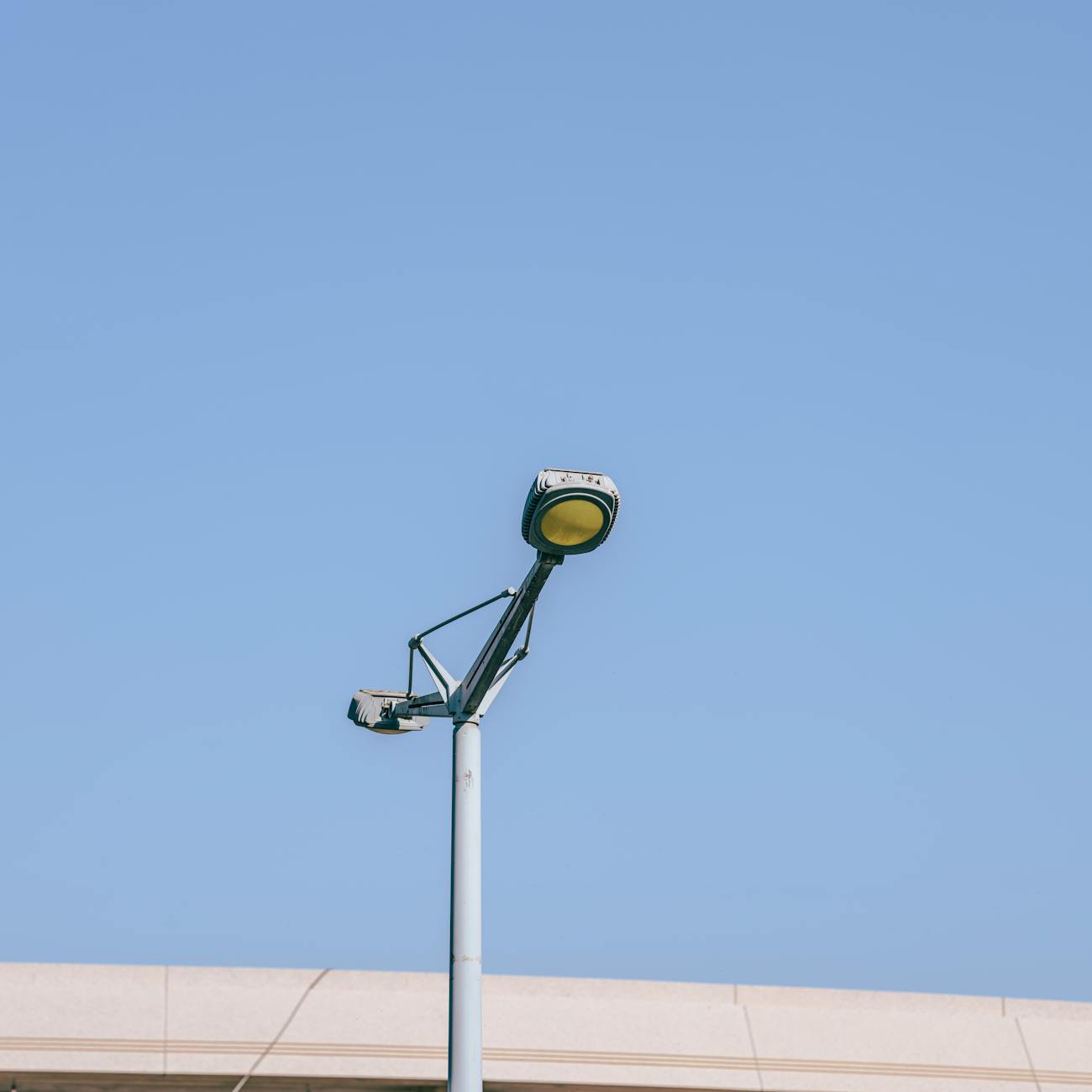
Surveillance Systems are crucial components of Physical Security and Risk Assessment. These systems play a vital role in monitoring, detecting, and preventing security threats, providing a sense of safety and security to individuals, organizations, and communities. Understanding key terms and vocabulary related to Surveillance Systems is essential for professionals working in the field of physical security. Let's explore some of the most important terms and concepts in Surveillance Systems:
1. **Surveillance**: Surveillance refers to the monitoring of activities, behavior, or other changing information for the purpose of influencing, managing, directing, or protecting people. Surveillance Systems are designed to observe and record activities in a given area to ensure safety and security.
2. **Closed-Circuit Television (CCTV)**: CCTV is a system in which video cameras transmit signals to a specific set of monitors for surveillance purposes. CCTV systems are commonly used in various settings, such as retail stores, banks, airports, and government facilities.
3. **Video Management System (VMS)**: A VMS is software that allows users to manage and control video surveillance footage from multiple cameras. VMS systems provide features like live viewing, recording, playback, and video analytics.
4. **Analog Cameras**: Analog cameras capture video in a traditional format and transmit signals through analog cables. These cameras are limited in resolution and functionality compared to digital cameras.
5. **Digital Cameras**: Digital cameras capture video in a digital format, allowing for higher resolution and better image quality. Digital cameras can transmit signals over IP networks, making them more versatile and easier to integrate with other systems.
6. **IP Cameras**: IP cameras, also known as network cameras, are digital cameras that transmit video data over an IP network. IP cameras offer advanced features like remote access, video analytics, and integration with other security systems.
7. **Pan-Tilt-Zoom (PTZ) Cameras**: PTZ cameras are capable of remote directional and zoom control. These cameras can pan (move horizontally), tilt (move vertically), and zoom in on specific areas of interest.
8. **Video Analytics**: Video analytics is the process of automatically analyzing video footage to detect events, objects, or patterns. Video analytics can be used for various purposes, such as motion detection, facial recognition, and object tracking.
9. **Motion Detection**: Motion detection is a feature that allows surveillance systems to detect movement within a monitored area. When motion is detected, the system can trigger alerts, recording, or other actions.
10. **Facial Recognition**: Facial recognition technology analyzes and identifies individuals based on their facial features. This technology is used for access control, tracking suspects, and enhancing security measures.
11. **License Plate Recognition (LPR)**: LPR technology captures and reads license plate information from vehicles. LPR systems are used for parking management, law enforcement, and monitoring vehicle movements.
12. **Intrusion Detection System (IDS)**: An IDS is a security system that detects unauthorized entry or activities in a protected area. IDS can include sensors, alarms, and surveillance cameras to detect intrusions.
13. **Perimeter Security**: Perimeter security refers to the protection of a facility's outer boundary to prevent unauthorized access. Perimeter security measures can include fencing, gates, lighting, and surveillance systems.
14. **Alarm System**: An alarm system is a security device that triggers an alert in response to a specific event, such as an intrusion, fire, or environmental hazard. Alarm systems can be integrated with surveillance systems for enhanced security.
15. **Access Control**: Access control is a security measure that regulates who can enter a specific area or use certain resources. Access control systems can include keypads, card readers, biometric scanners, and surveillance cameras.
16. **Integration**: Integration refers to the process of combining different security systems, such as surveillance, access control, and alarms, to work together seamlessly. Integration allows for centralized monitoring and control of security measures.
17. **Video Storage**: Video storage is the capacity to store recorded video footage from surveillance cameras. Video storage solutions can include on-site servers, cloud storage, or network-attached storage (NAS) devices.
18. **Remote Monitoring**: Remote monitoring allows users to access live or recorded video footage from surveillance cameras over a network or the internet. Remote monitoring enables real-time surveillance and response to security events.
19. **Privacy Concerns**: Privacy concerns arise when surveillance systems collect and monitor personal information without consent. Balancing security needs with privacy rights is a significant challenge in implementing surveillance systems.
20. **Compliance**: Compliance refers to adhering to laws, regulations, and industry standards related to surveillance systems. Compliance requirements may vary based on the type of organization, location, and data being collected.
21. **Cybersecurity**: Cybersecurity involves protecting surveillance systems from cyber threats, such as hacking, malware, and data breaches. Securing surveillance systems is essential to prevent unauthorized access and protect sensitive information.
22. **Risk Assessment**: Risk assessment is the process of identifying, analyzing, and evaluating potential security risks and vulnerabilities. Conducting a risk assessment helps organizations determine the most effective security measures for their surveillance systems.
23. **Incident Response**: Incident response is the process of reacting to security incidents detected by surveillance systems. Having a well-defined incident response plan is critical to minimizing the impact of security breaches.
24. **Training and Education**: Training and educating users on how to operate surveillance systems effectively is crucial for maximizing their security benefits. Proper training helps users understand system features, protocols, and best practices.
25. **Maintenance and Upkeep**: Regular maintenance and upkeep of surveillance systems are essential to ensure their reliability and effectiveness. Routine inspections, software updates, and equipment checks help prevent system failures and downtime.
In conclusion, understanding key terms and concepts related to Surveillance Systems is vital for professionals in the field of physical security. By familiarizing themselves with these terms, security professionals can effectively design, implement, and manage surveillance systems to protect people, assets, and information from security threats.
Key takeaways
- These systems play a vital role in monitoring, detecting, and preventing security threats, providing a sense of safety and security to individuals, organizations, and communities.
- **Surveillance**: Surveillance refers to the monitoring of activities, behavior, or other changing information for the purpose of influencing, managing, directing, or protecting people.
- **Closed-Circuit Television (CCTV)**: CCTV is a system in which video cameras transmit signals to a specific set of monitors for surveillance purposes.
- **Video Management System (VMS)**: A VMS is software that allows users to manage and control video surveillance footage from multiple cameras.
- **Analog Cameras**: Analog cameras capture video in a traditional format and transmit signals through analog cables.
- **Digital Cameras**: Digital cameras capture video in a digital format, allowing for higher resolution and better image quality.
- **IP Cameras**: IP cameras, also known as network cameras, are digital cameras that transmit video data over an IP network.