
Environmental Impact Assessment
Environmental Impact Assessment (EIA)
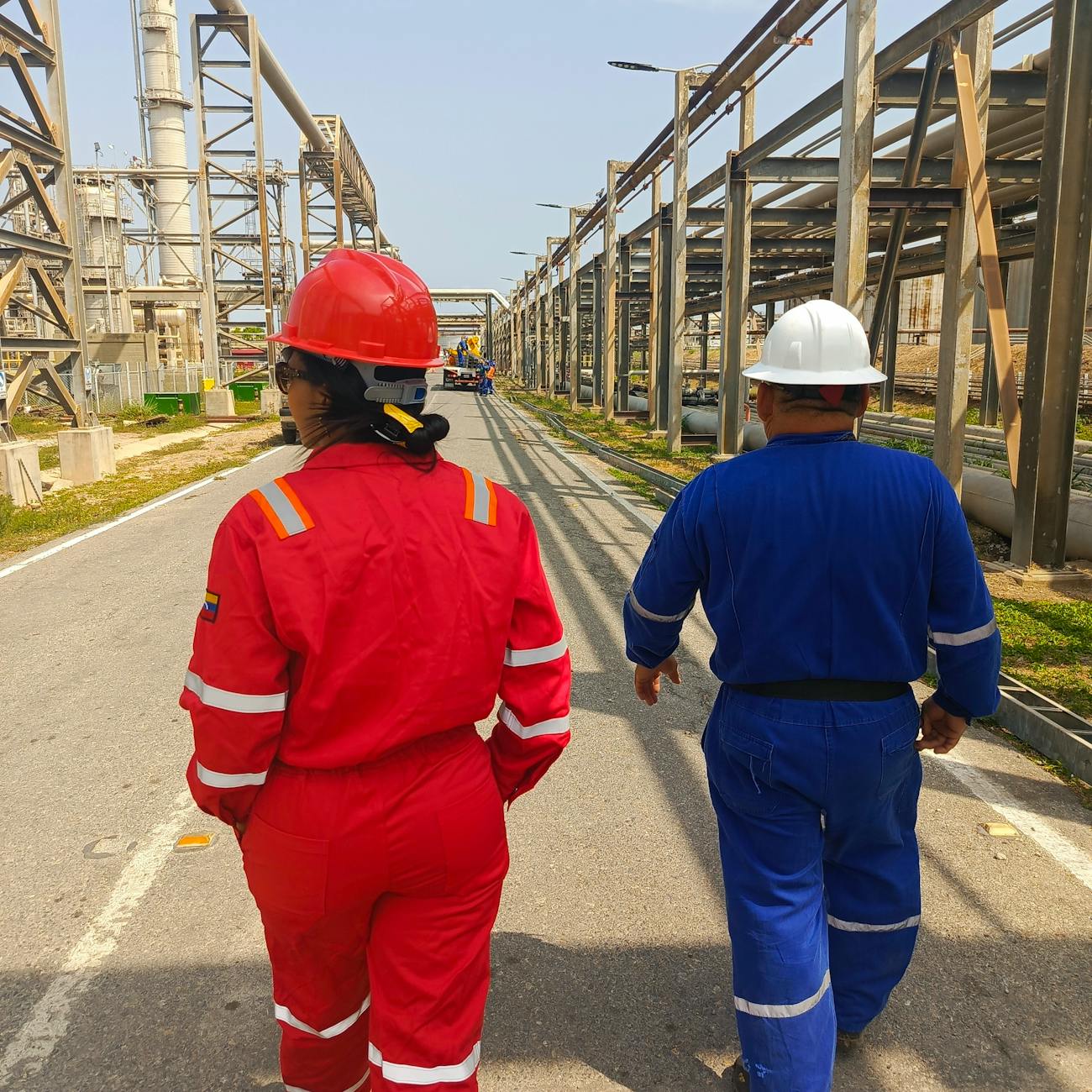
Environmental Impact Assessment (EIA)
Environmental Impact Assessment (EIA) is a process used to evaluate the environmental consequences of proposed projects or developments. It is a tool that helps decision-makers identify potential environmental impacts of a project and assess whether these impacts can be mitigated or eliminated. EIA involves a systematic process of identifying, predicting, evaluating, and mitigating the environmental effects of a proposed project.
EIA is a critical process in ensuring sustainable development and promoting environmental protection. It helps to ensure that development projects are carried out in an environmentally responsible manner and that the potential impacts on the environment are adequately considered and mitigated.
Key Terms and Concepts in Environmental Impact Assessment
1. Baseline Study: A baseline study is conducted before the start of a project to establish the existing environmental conditions in the project area. It provides a reference point against which the impacts of the project can be assessed.
2. Scoping: Scoping is the process of determining the environmental factors that should be considered in an EIA. It helps to define the boundaries of the assessment and identify the key issues that need to be addressed.
3. Impact Assessment: Impact assessment involves identifying and evaluating the potential environmental impacts of a project. This includes assessing the significance of the impacts and identifying measures to mitigate or eliminate them.
4. Alternatives Assessment: Alternatives assessment involves evaluating different options for carrying out a project to identify the most environmentally sustainable option. It helps decision-makers choose the option that minimizes environmental impacts.
5. Environmental Management Plan (EMP): An Environmental Management Plan is a document that outlines the measures and actions that will be taken to mitigate and manage the environmental impacts of a project. It includes monitoring, mitigation, and contingency measures.
6. Stakeholder Engagement: Stakeholder engagement involves involving relevant stakeholders in the EIA process. This includes local communities, government agencies, non-governmental organizations, and other interested parties. Stakeholder engagement helps to ensure that the concerns and perspectives of all stakeholders are considered in the decision-making process.
7. Public Participation: Public participation is the involvement of the public in the EIA process. It provides an opportunity for the public to express their views and concerns about a proposed project and helps to ensure transparency and accountability in decision-making.
8. Cumulative Impact Assessment: Cumulative impact assessment involves assessing the combined effects of multiple projects or activities on the environment. It considers the cumulative impacts of existing and future projects in the area.
9. Environmental Monitoring: Environmental monitoring involves tracking and assessing the environmental impacts of a project during and after its implementation. It helps to ensure that the project is complying with environmental regulations and that mitigation measures are effective.
10. Environmental Audit: An environmental audit is a comprehensive evaluation of a project's compliance with environmental regulations and requirements. It helps to identify areas where improvements can be made to minimize environmental impacts.
Practical Applications of Environmental Impact Assessment
1. Urban Development: EIA is commonly used in urban development projects such as infrastructure development, construction of buildings, and transportation projects. It helps to assess the potential impacts of these projects on air quality, water resources, biodiversity, and other environmental factors.
2. Energy Projects: EIA is essential for energy projects such as power plants, renewable energy projects, and oil and gas exploration. It helps to evaluate the environmental impacts of energy projects on ecosystems, water resources, and climate change.
3. Transportation Projects: EIA is used to assess the environmental impacts of transportation projects such as roads, highways, railways, and airports. It helps to identify measures to minimize air pollution, noise pollution, and habitat fragmentation.
4. Industrial Projects: EIA is critical for industrial projects such as factories, manufacturing plants, and mining operations. It helps to evaluate the potential impacts of industrial activities on water quality, soil contamination, and biodiversity.
5. Tourism Development: EIA is important for tourism development projects such as resorts, hotels, and tourist attractions. It helps to assess the impacts of tourism activities on local communities, cultural heritage, and natural resources.
Challenges in Environmental Impact Assessment
1. Lack of Data: One of the significant challenges in EIA is the lack of reliable and up-to-date data for assessing environmental impacts. This can lead to inaccuracies in impact assessments and mitigation measures.
2. Complexity of Assessments: EIA can be a complex and time-consuming process, especially for large-scale projects with multiple environmental factors to consider. It requires expertise in various disciplines and coordination among stakeholders.
3. Uncertainty in Predictions: Predicting the environmental impacts of a project with certainty can be challenging due to uncertainties in data, modeling, and future conditions. This can make it difficult to assess and mitigate potential impacts accurately.
4. Political and Economic Pressures: Political and economic pressures can influence the decision-making process in EIA. Stakeholders with vested interests may try to influence the assessment process to favor a particular project or outcome.
5. Public Opposition: Public opposition to a project can pose challenges in the EIA process. Concerns raised by local communities, environmental groups, and other stakeholders must be addressed transparently to ensure the credibility of the assessment.
Conclusion
Environmental Impact Assessment is a crucial tool for evaluating the environmental consequences of proposed projects and ensuring sustainable development. It helps decision-makers identify and mitigate potential environmental impacts, engage stakeholders, and promote transparency in decision-making. Despite its challenges, EIA plays a vital role in protecting the environment and promoting responsible development.
Key takeaways
- It is a tool that helps decision-makers identify potential environmental impacts of a project and assess whether these impacts can be mitigated or eliminated.
- It helps to ensure that development projects are carried out in an environmentally responsible manner and that the potential impacts on the environment are adequately considered and mitigated.
- Baseline Study: A baseline study is conducted before the start of a project to establish the existing environmental conditions in the project area.
- Scoping: Scoping is the process of determining the environmental factors that should be considered in an EIA.
- Impact Assessment: Impact assessment involves identifying and evaluating the potential environmental impacts of a project.
- Alternatives Assessment: Alternatives assessment involves evaluating different options for carrying out a project to identify the most environmentally sustainable option.
- Environmental Management Plan (EMP): An Environmental Management Plan is a document that outlines the measures and actions that will be taken to mitigate and manage the environmental impacts of a project.