
Paediatric Minor Illness and Injury Care
Paediatric Minor Illness and Injury Care
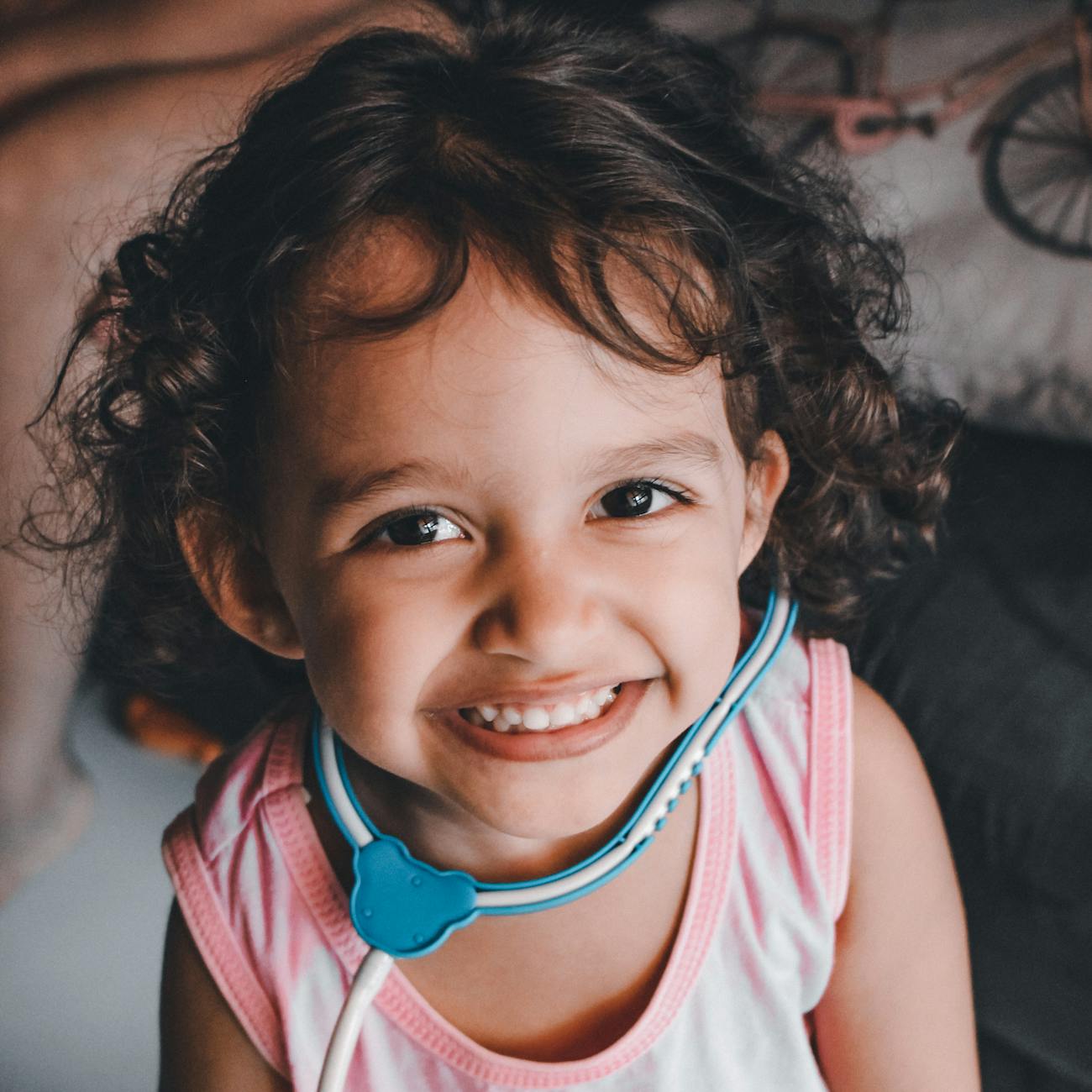
Paediatric Minor Illness and Injury Care
Caring for pediatric patients with minor illnesses and injuries requires a specialized skill set and knowledge base. In this course, learners will develop the necessary competencies to assess, diagnose, and treat common minor health issues affecting children. This includes understanding the unique physiological and psychological aspects of pediatric patients, as well as the appropriate interventions for a variety of conditions.
Key Terms and Concepts:
1. Paediatric Assessment: Pediatric assessment is a systematic process of gathering information about a child's health status to identify any potential issues or concerns. This includes obtaining a detailed medical history, performing a physical examination, and assessing vital signs. It is essential to tailor the assessment to the child's age, developmental stage, and communication abilities.
2. Growth and Development: Understanding normal growth and development milestones is crucial for assessing pediatric patients. This includes knowledge of age-appropriate physical, cognitive, and social-emotional milestones. Deviations from expected growth patterns can indicate underlying health issues that require further evaluation and intervention.
3. Common Pediatric Illnesses: Learners will explore a range of common minor illnesses affecting children, such as upper respiratory infections, gastroenteritis, otitis media, and skin rashes. Understanding the signs and symptoms of these conditions, as well as appropriate treatment options, is essential for providing effective care to pediatric patients.
4. Minor Pediatric Injuries: In addition to illnesses, learners will also learn about common minor injuries in pediatric patients, including cuts, bruises, sprains, and burns. Proper assessment and management of these injuries are essential to prevent complications and promote healing.
5. Pharmacology in Pediatrics: Pharmacological management of pediatric patients requires special considerations due to differences in drug metabolism, dosing, and potential side effects compared to adults. Learners will explore common medications used in pediatric care and learn how to calculate appropriate dosages based on a child's weight and age.
6. Communication and Family-Centered Care: Effective communication with pediatric patients and their families is crucial for providing quality care. Learners will develop skills in age-appropriate communication techniques, as well as strategies for engaging families in the care process and addressing their concerns and preferences.
7. Emergency Preparedness: While the focus of this course is on minor illnesses and injuries, learners will also gain knowledge about recognizing and managing pediatric emergencies. This includes understanding when to escalate care, performing basic life support interventions, and coordinating care with emergency services.
8. Cultural Competence: Cultural competence is essential when caring for pediatric patients from diverse backgrounds. Learners will explore how cultural beliefs, practices, and values can impact health outcomes and learn strategies for providing culturally sensitive care to children and their families.
9. Legal and Ethical Considerations: Understanding the legal and ethical aspects of pediatric care is essential for healthcare professionals. Learners will explore issues such as consent, confidentiality, and mandatory reporting requirements when caring for pediatric patients with minor illnesses and injuries.
Challenges and Practical Applications:
Challenges: One of the key challenges in pediatric minor illness and injury care is the variability in presentation and severity of conditions in children. Pediatric patients may not always be able to communicate their symptoms clearly, requiring healthcare providers to rely on observation and assessment skills. Additionally, managing pediatric patients often involves addressing the emotional needs of both the child and their family, which can be challenging in a busy clinical setting.
Practical Applications: The knowledge and skills gained in this course are directly applicable to a variety of healthcare settings, including primary care clinics, urgent care centers, and emergency departments. By mastering pediatric assessment techniques, treatment protocols, and communication strategies, learners will be well-equipped to provide high-quality care to pediatric patients with minor illnesses and injuries. Additionally, the emphasis on cultural competence and family-centered care ensures that healthcare providers can deliver patient-centered care that respects the unique needs and preferences of each child and family.
In conclusion, the Professional Certificate in Minor Injuries and Illness with a focus on Paediatric Minor Illness and Injury Care equips learners with the essential knowledge and skills to provide quality care to pediatric patients with common minor health issues. By mastering pediatric assessment, understanding growth and development, and addressing cultural and ethical considerations, healthcare providers can deliver effective and compassionate care to children and their families.
Key takeaways
- This includes understanding the unique physiological and psychological aspects of pediatric patients, as well as the appropriate interventions for a variety of conditions.
- Paediatric Assessment: Pediatric assessment is a systematic process of gathering information about a child's health status to identify any potential issues or concerns.
- Deviations from expected growth patterns can indicate underlying health issues that require further evaluation and intervention.
- Common Pediatric Illnesses: Learners will explore a range of common minor illnesses affecting children, such as upper respiratory infections, gastroenteritis, otitis media, and skin rashes.
- Minor Pediatric Injuries: In addition to illnesses, learners will also learn about common minor injuries in pediatric patients, including cuts, bruises, sprains, and burns.
- Pharmacology in Pediatrics: Pharmacological management of pediatric patients requires special considerations due to differences in drug metabolism, dosing, and potential side effects compared to adults.
- Learners will develop skills in age-appropriate communication techniques, as well as strategies for engaging families in the care process and addressing their concerns and preferences.