
Energy Law and Regulation
Energy Law and Regulation are critical components of the energy sector, ensuring the efficient, sustainable, and safe operation of energy systems. This field encompasses a wide range of legal frameworks, regulatory mechanisms, and policies …
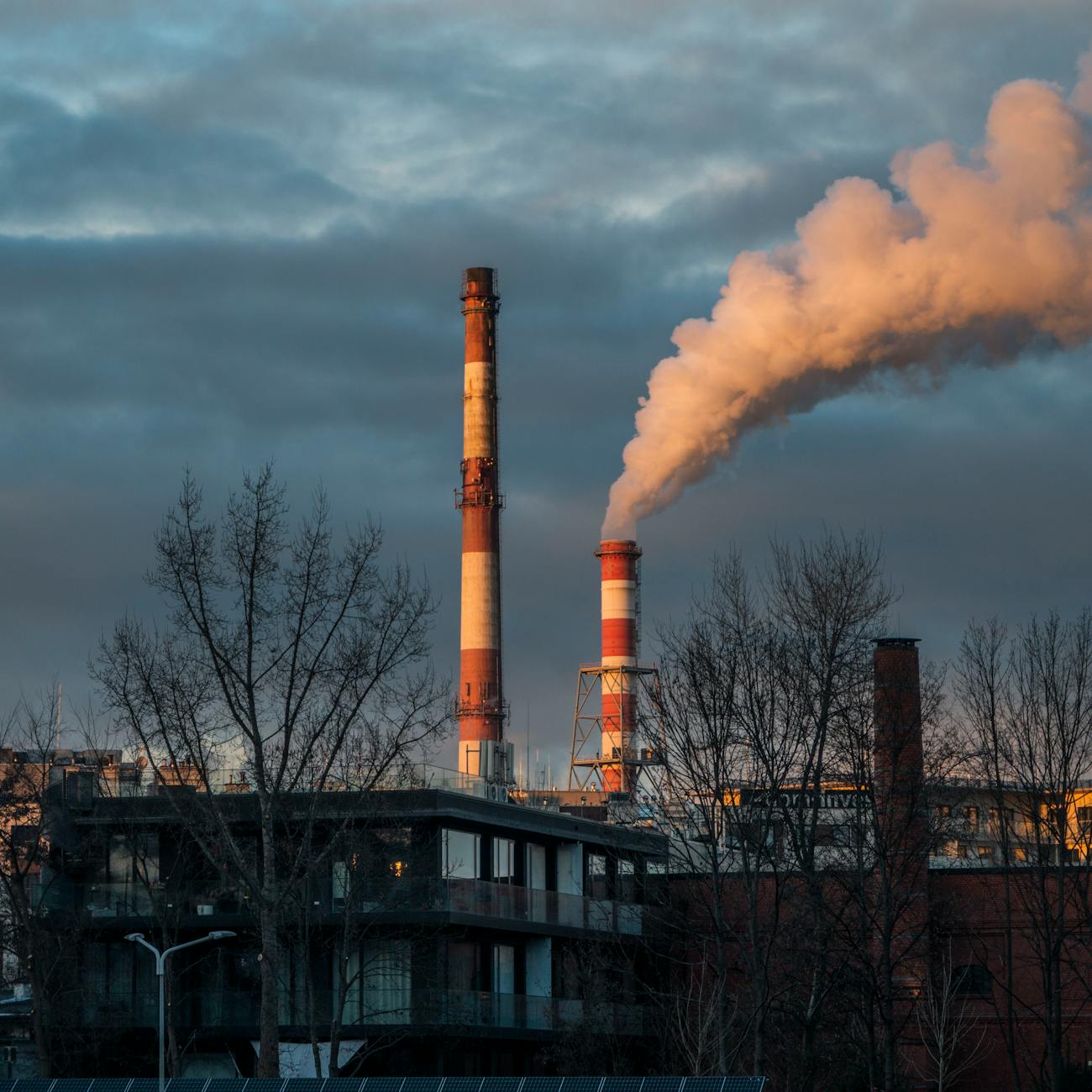
Energy Law and Regulation are critical components of the energy sector, ensuring the efficient, sustainable, and safe operation of energy systems. This field encompasses a wide range of legal frameworks, regulatory mechanisms, and policies that govern the production, distribution, and consumption of energy resources. Understanding key terms and concepts in Energy Law and Regulation is essential for energy professionals, policymakers, and stakeholders to navigate the complex landscape of the energy industry. Below is a comprehensive explanation of key terms and vocabulary in Energy Law and Regulation:
1. **Energy Sector**: The energy sector refers to the industry involved in the production, distribution, and consumption of energy resources. This sector includes various subsectors, such as oil and gas, electricity, renewable energy, and nuclear power.
2. **Energy Law**: Energy Law is a specialized area of law that governs the production, distribution, and consumption of energy resources. It encompasses a wide range of legal principles, regulations, and policies that aim to ensure the efficient and sustainable operation of energy systems.
3. **Regulation**: Regulation refers to the rules, policies, and procedures established by government authorities to oversee and control various aspects of the energy sector. Regulations are designed to promote competition, protect consumers, ensure safety, and achieve policy objectives.
4. **Energy Policy**: Energy policy is a set of government decisions and actions that shape the development, deployment, and use of energy resources. Energy policies aim to achieve specific goals, such as energy security, environmental sustainability, and economic efficiency.
5. **Energy Security**: Energy security refers to the reliable and affordable supply of energy resources to meet the needs of society. Ensuring energy security is a critical objective for policymakers to mitigate risks associated with energy supply disruptions.
6. **Renewable Energy**: Renewable energy refers to energy derived from sources that are naturally replenished, such as sunlight, wind, and biomass. Renewable energy technologies play a crucial role in reducing greenhouse gas emissions and promoting energy sustainability.
7. **Fossil Fuels**: Fossil fuels are non-renewable energy resources derived from organic matter, such as coal, oil, and natural gas. Fossil fuels are a major source of energy globally but contribute significantly to greenhouse gas emissions and environmental pollution.
8. **Electricity Market**: The electricity market is a marketplace where electricity is bought and sold between producers, consumers, and other market participants. Electricity markets can be regulated or deregulated, depending on the jurisdiction.
9. **Grid Integration**: Grid integration refers to the process of incorporating renewable energy sources into the electricity grid. This involves balancing supply and demand, managing fluctuations in renewable generation, and ensuring grid stability.
10. **Energy Efficiency**: Energy efficiency refers to the use of energy in a way that maximizes output while minimizing waste. Energy efficiency measures can reduce energy consumption, lower costs, and mitigate environmental impacts.
11. **Smart Grid**: A smart grid is an advanced electricity grid that utilizes digital technologies to optimize the generation, distribution, and consumption of electricity. Smart grids enable real-time monitoring, control, and automation of energy systems.
12. **Energy Transition**: Energy transition refers to the shift from traditional fossil fuels to renewable energy sources and low-carbon technologies. The energy transition is driven by climate change concerns, energy security, and technological advancements.
13. **Carbon Pricing**: Carbon pricing is a policy mechanism that assigns a cost to carbon emissions to incentivize the reduction of greenhouse gas emissions. Carbon pricing can take the form of carbon taxes or cap-and-trade systems.
14. **Energy Diplomacy**: Energy diplomacy involves the use of diplomatic tools and strategies to promote energy cooperation, resolve energy-related disputes, and advance energy security objectives. Energy diplomacy plays a crucial role in international energy relations.
15. **Energy Infrastructure**: Energy infrastructure includes the physical assets and systems that support the production, transportation, and distribution of energy resources. Energy infrastructure can include pipelines, power plants, transmission lines, and storage facilities.
16. **Energy Governance**: Energy governance refers to the structures, processes, and institutions that govern energy systems at the national, regional, and global levels. Effective energy governance is essential for ensuring transparent, accountable, and inclusive energy policies.
17. **Energy Market Regulation**: Energy market regulation involves the oversight of energy markets to ensure fair competition, consumer protection, and market efficiency. Regulators set rules and standards to promote a level playing field and prevent market abuse.
18. **Energy Security**: Energy security is a key priority for governments and energy stakeholders to ensure a reliable and affordable energy supply. Energy security encompasses measures to mitigate risks, such as supply disruptions, price volatility, and geopolitical tensions.
19. **Energy Transition**: The energy transition refers to the shift from fossil fuels to renewable energy sources and low-carbon technologies. The energy transition is driven by environmental concerns, technological advancements, and policy objectives to reduce greenhouse gas emissions.
20. **Energy Efficiency**: Energy efficiency involves using energy resources in a way that maximizes output while minimizing waste. Energy efficiency measures can reduce energy consumption, lower costs, and decrease environmental impacts.
21. **Energy Markets**: Energy markets are platforms where energy resources, such as electricity, natural gas, and oil, are bought and sold. Energy markets can be regulated or deregulated, depending on the jurisdiction and market structure.
22. **Renewable Energy**: Renewable energy comes from sources that are naturally replenished, such as sunlight, wind, and water. Renewable energy technologies, such as solar panels and wind turbines, play a crucial role in reducing greenhouse gas emissions and promoting sustainability.
23. **Carbon Pricing**: Carbon pricing is a policy tool that assigns a cost to carbon emissions to incentivize the reduction of greenhouse gas emissions. Carbon pricing mechanisms include carbon taxes, cap-and-trade systems, and carbon markets.
24. **Energy Diplomacy**: Energy diplomacy involves the use of diplomatic tools and strategies to advance energy cooperation, resolve energy disputes, and address energy security challenges. Energy diplomacy plays a critical role in shaping international energy relations.
25. **Energy Infrastructure**: Energy infrastructure includes the physical assets and systems that support the production, transportation, and distribution of energy resources. Energy infrastructure can include pipelines, power plants, transmission lines, and storage facilities.
26. **Energy Governance**: Energy governance refers to the structures, processes, and institutions that govern energy systems at the national, regional, and global levels. Effective energy governance is essential for ensuring transparent, accountable, and sustainable energy policies.
27. **Energy Market Regulation**: Energy market regulation involves the oversight of energy markets to ensure fair competition, consumer protection, and market efficiency. Regulators set rules and standards to promote a level playing field and prevent market abuse.
28. **Energy Security**: Energy security is a critical objective for governments and energy stakeholders to ensure a reliable and affordable energy supply. Energy security measures aim to mitigate risks, such as supply disruptions, price volatility, and geopolitical tensions.
29. **Energy Transition**: The energy transition refers to the shift from fossil fuels to renewable energy sources and low-carbon technologies. The energy transition is driven by environmental concerns, technological advancements, and policy objectives to reduce greenhouse gas emissions.
30. **Energy Efficiency**: Energy efficiency involves using energy resources in a way that maximizes output while minimizing waste. Energy efficiency measures can reduce energy consumption, lower costs, and decrease environmental impacts.
31. **Energy Markets**: Energy markets are platforms where energy resources, such as electricity, natural gas, and oil, are bought and sold. Energy markets can be regulated or deregulated, depending on the jurisdiction and market structure.
32. **Renewable Energy**: Renewable energy comes from sources that are naturally replenished, such as sunlight, wind, and water. Renewable energy technologies, such as solar panels and wind turbines, play a crucial role in reducing greenhouse gas emissions and promoting sustainability.
33. **Carbon Pricing**: Carbon pricing is a policy tool that assigns a cost to carbon emissions to incentivize the reduction of greenhouse gas emissions. Carbon pricing mechanisms include carbon taxes, cap-and-trade systems, and carbon markets.
34. **Energy Diplomacy**: Energy diplomacy involves the use of diplomatic tools and strategies to advance energy cooperation, resolve energy disputes, and address energy security challenges. Energy diplomacy plays a critical role in shaping international energy relations.
35. **Energy Infrastructure**: Energy infrastructure includes the physical assets and systems that support the production, transportation, and distribution of energy resources. Energy infrastructure can include pipelines, power plants, transmission lines, and storage facilities.
36. **Energy Governance**: Energy governance refers to the structures, processes, and institutions that govern energy systems at the national, regional, and global levels. Effective energy governance is essential for ensuring transparent, accountable, and sustainable energy policies.
37. **Energy Market Regulation**: Energy market regulation involves the oversight of energy markets to ensure fair competition, consumer protection, and market efficiency. Regulators set rules and standards to promote a level playing field and prevent market abuse.
38. **Energy Security**: Energy security is a critical objective for governments and energy stakeholders to ensure a reliable and affordable energy supply. Energy security measures aim to mitigate risks, such as supply disruptions, price volatility, and geopolitical tensions.
39. **Energy Transition**: The energy transition refers to the shift from fossil fuels to renewable energy sources and low-carbon technologies. The energy transition is driven by environmental concerns, technological advancements, and policy objectives to reduce greenhouse gas emissions.
40. **Energy Efficiency**: Energy efficiency involves using energy resources in a way that maximizes output while minimizing waste. Energy efficiency measures can reduce energy consumption, lower costs, and decrease environmental impacts.
41. **Energy Markets**: Energy markets are platforms where energy resources, such as electricity, natural gas, and oil, are bought and sold. Energy markets can be regulated or deregulated, depending on the jurisdiction and market structure.
42. **Renewable Energy**: Renewable energy comes from sources that are naturally replenished, such as sunlight, wind, and water. Renewable energy technologies, such as solar panels and wind turbines, play a crucial role in reducing greenhouse gas emissions and promoting sustainability.
43. **Carbon Pricing**: Carbon pricing is a policy tool that assigns a cost to carbon emissions to incentivize the reduction of greenhouse gas emissions. Carbon pricing mechanisms include carbon taxes, cap-and-trade systems, and carbon markets.
44. **Energy Diplomacy**: Energy diplomacy involves the use of diplomatic tools and strategies to advance energy cooperation, resolve energy disputes, and address energy security challenges. Energy diplomacy plays a critical role in shaping international energy relations.
45. **Energy Infrastructure**: Energy infrastructure includes the physical assets and systems that support the production, transportation, and distribution of energy resources. Energy infrastructure can include pipelines, power plants, transmission lines, and storage facilities.
46. **Energy Governance**: Energy governance refers to the structures, processes, and institutions that govern energy systems at the national, regional, and global levels. Effective energy governance is essential for ensuring transparent, accountable, and sustainable energy policies.
47. **Energy Market Regulation**: Energy market regulation involves the oversight of energy markets to ensure fair competition, consumer protection, and market efficiency. Regulators set rules and standards to promote a level playing field and prevent market abuse.
48. **Energy Security**: Energy security is a critical objective for governments and energy stakeholders to ensure a reliable and affordable energy supply. Energy security measures aim to mitigate risks, such as supply disruptions, price volatility, and geopolitical tensions.
49. **Energy Transition**: The energy transition refers to the shift from fossil fuels to renewable energy sources and low-carbon technologies. The energy transition is driven by environmental concerns, technological advancements, and policy objectives to reduce greenhouse gas emissions.
50. **Energy Efficiency**: Energy efficiency involves using energy resources in a way that maximizes output while minimizing waste. Energy efficiency measures can reduce energy consumption, lower costs, and decrease environmental impacts.
51. **Energy Markets**: Energy markets are platforms where energy resources, such as electricity, natural gas, and oil, are bought and sold. Energy markets can be regulated or deregulated, depending on the jurisdiction and market structure.
52. **Renewable Energy**: Renewable energy comes from sources that are naturally replenished, such as sunlight, wind, and water. Renewable energy technologies, such as solar panels and wind turbines, play a crucial role in reducing greenhouse gas emissions and promoting sustainability.
53. **Carbon Pricing**: Carbon pricing is a policy tool that assigns a cost to carbon emissions to incentivize the reduction of greenhouse gas emissions. Carbon pricing mechanisms include carbon taxes, cap-and-trade systems, and carbon markets.
54. **Energy Diplomacy**: Energy diplomacy involves the use of diplomatic tools and strategies to advance energy cooperation, resolve energy disputes, and address energy security challenges. Energy diplomacy plays a critical role in shaping international energy relations.
55. **Energy Infrastructure**: Energy infrastructure includes the physical assets and systems that support the production, transportation, and distribution of energy resources. Energy infrastructure can include pipelines, power plants, transmission lines, and storage facilities.
56. **Energy Governance**: Energy governance refers to the structures, processes, and institutions that govern energy systems at the national, regional, and global levels. Effective energy governance is essential for ensuring transparent, accountable, and sustainable energy policies.
57. **Energy Market Regulation**: Energy market regulation involves the oversight of energy markets to ensure fair competition, consumer protection, and market efficiency. Regulators set rules and standards to promote a level playing field and prevent market abuse.
58. **Energy Security**: Energy security is a critical objective for governments and energy stakeholders to ensure a reliable and affordable energy supply. Energy security measures aim to mitigate risks, such as supply disruptions, price volatility, and geopolitical tensions.
59. **Energy Transition**: The energy transition refers to the shift from fossil fuels to renewable energy sources and low-carbon technologies. The energy transition is driven by environmental concerns, technological advancements, and policy objectives to reduce greenhouse gas emissions.
60. **Energy Efficiency**: Energy efficiency involves using energy resources in a way that maximizes output while minimizing waste. Energy efficiency measures can reduce energy consumption, lower costs, and decrease environmental impacts.
61. **Energy Markets**: Energy markets are platforms where energy resources, such as electricity, natural gas, and oil, are bought and sold. Energy markets can be regulated or deregulated, depending on the jurisdiction and market structure.
62. **Renewable Energy**: Renewable energy comes from sources that are naturally replenished, such as sunlight, wind, and water. Renewable energy technologies, such as solar panels and wind turbines, play a crucial role in reducing greenhouse gas emissions and promoting sustainability.
63. **Carbon Pricing**: Carbon pricing is a policy tool that assigns a cost to carbon emissions to incentivize the reduction of greenhouse gas emissions. Carbon pricing mechanisms include carbon taxes, cap-and-trade systems, and carbon markets.
64. **Energy Diplomacy**: Energy diplomacy involves the use of diplomatic tools and strategies to advance energy cooperation, resolve energy disputes, and address energy security challenges. Energy diplomacy plays a critical role in shaping international energy relations.
65. **Energy Infrastructure**: Energy infrastructure includes the physical assets and systems that support the production, transportation, and distribution of energy resources. Energy infrastructure can include pipelines, power plants, transmission lines, and storage facilities.
66. **Energy Governance**: Energy governance refers to the structures, processes, and institutions that govern energy systems at the national, regional, and global levels. Effective energy governance is essential for ensuring transparent, accountable, and sustainable energy policies.
67. **Energy Market Regulation**: Energy market regulation involves the oversight of energy markets to ensure fair competition, consumer protection, and market efficiency. Regulators set rules and standards to promote a level playing field and prevent market abuse.
68. **Energy Security**: Energy security is a critical objective for governments and energy stakeholders to ensure a reliable and affordable energy supply. Energy security measures aim to mitigate risks, such as supply disruptions, price volatility, and geopolitical tensions.
69. **Energy Transition**: The energy transition refers to the shift from fossil fuels to renewable energy sources and low-carbon technologies. The energy transition is driven by environmental concerns, technological advancements, and policy objectives to reduce greenhouse gas emissions.
70. **Energy Efficiency**: Energy efficiency involves using energy resources in a way that maximizes output while minimizing waste. Energy efficiency measures can reduce energy consumption, lower costs, and decrease environmental impacts.
71. **Energy Markets**: Energy markets are platforms where energy resources, such as electricity, natural gas, and oil, are bought and sold. Energy markets can be regulated or deregulated, depending on the jurisdiction and market structure.
72. **Renewable Energy**: Renewable energy comes from sources that are naturally replenished, such as sunlight, wind, and water. Renewable energy technologies, such as solar panels and wind turbines, play a crucial role in reducing greenhouse gas emissions and promoting sustainability.
73. **Carbon Pricing**: Carbon pricing is a policy tool that assigns a cost to carbon emissions to incentivize the reduction of greenhouse gas emissions. Carbon pricing mechanisms include carbon taxes, cap-and-trade systems, and carbon markets.
74. **Energy Diplomacy**: Energy diplomacy involves the use of diplomatic tools and strategies to advance energy cooperation, resolve energy disputes, and address energy security challenges. Energy diplomacy plays a critical role in shaping international energy relations.
75. **Energy Infrastructure**: Energy infrastructure includes the physical assets and systems that support the production, transportation, and distribution of energy resources. Energy infrastructure can include pipelines, power plants, transmission lines, and storage facilities.
76. **Energy Governance**: Energy governance refers to the structures, processes, and institutions that govern energy systems at the national, regional, and global levels. Effective energy governance is essential for ensuring transparent, accountable, and sustainable energy policies.
77. **Energy Market Regulation**: Energy market regulation involves the oversight of energy markets to ensure fair competition, consumer protection, and market efficiency. Regulators set rules and standards to promote a level playing field and prevent market abuse.
78. **Energy Security**: Energy security is a critical objective for governments and energy stakeholders to ensure a reliable and affordable energy supply. Energy security measures aim to mitigate risks, such as supply disruptions, price volatility, and geopolitical tensions.
79. **Energy Transition**: The energy transition refers to the shift from fossil fuels to renewable energy sources and low-carbon technologies. The energy transition is driven by environmental concerns, technological advancements, and policy objectives to reduce greenhouse gas emissions.
80. **Energy Efficiency**: Energy efficiency involves using energy resources in a way that maximizes output while minimizing waste. Energy efficiency measures can reduce energy consumption, lower costs, and decrease environmental impacts.
81. **Energy Markets**: Energy markets are platforms where energy resources, such as electricity, natural gas, and oil, are bought and sold. Energy markets can be regulated or deregulated, depending on the jurisdiction and market structure.
82. **Renewable Energy**: Renewable energy comes from sources that are naturally replenished, such as sunlight, wind, and water. Renewable energy technologies, such as solar panels and wind turbines, play a crucial role in reducing greenhouse gas emissions and promoting sustainability.
83. **Carbon Pricing**: Carbon pricing is a policy tool that assigns a cost to carbon emissions to incentivize the reduction of greenhouse gas emissions. Carbon pricing mechanisms include carbon taxes, cap-and-trade systems, and carbon markets.
84. **Energy Diplomacy**: Energy diplomacy involves the use of diplomatic tools and strategies to advance energy cooperation, resolve energy disputes, and address energy security challenges. Energy diplomacy plays a critical role in shaping international energy relations.
85. **Energy Infrastructure**: Energy infrastructure includes the physical assets and systems that support the production, transportation, and distribution of energy resources. Energy infrastructure can include pipelines, power plants, transmission lines, and storage facilities.
86. **Energy Governance**: Energy governance refers to the structures, processes, and institutions that
Key takeaways
- Understanding key terms and concepts in Energy Law and Regulation is essential for energy professionals, policymakers, and stakeholders to navigate the complex landscape of the energy industry.
- **Energy Sector**: The energy sector refers to the industry involved in the production, distribution, and consumption of energy resources.
- It encompasses a wide range of legal principles, regulations, and policies that aim to ensure the efficient and sustainable operation of energy systems.
- **Regulation**: Regulation refers to the rules, policies, and procedures established by government authorities to oversee and control various aspects of the energy sector.
- **Energy Policy**: Energy policy is a set of government decisions and actions that shape the development, deployment, and use of energy resources.
- **Energy Security**: Energy security refers to the reliable and affordable supply of energy resources to meet the needs of society.
- **Renewable Energy**: Renewable energy refers to energy derived from sources that are naturally replenished, such as sunlight, wind, and biomass.