
Surgical Procedures
Surgical Procedures
Surgical Procedures
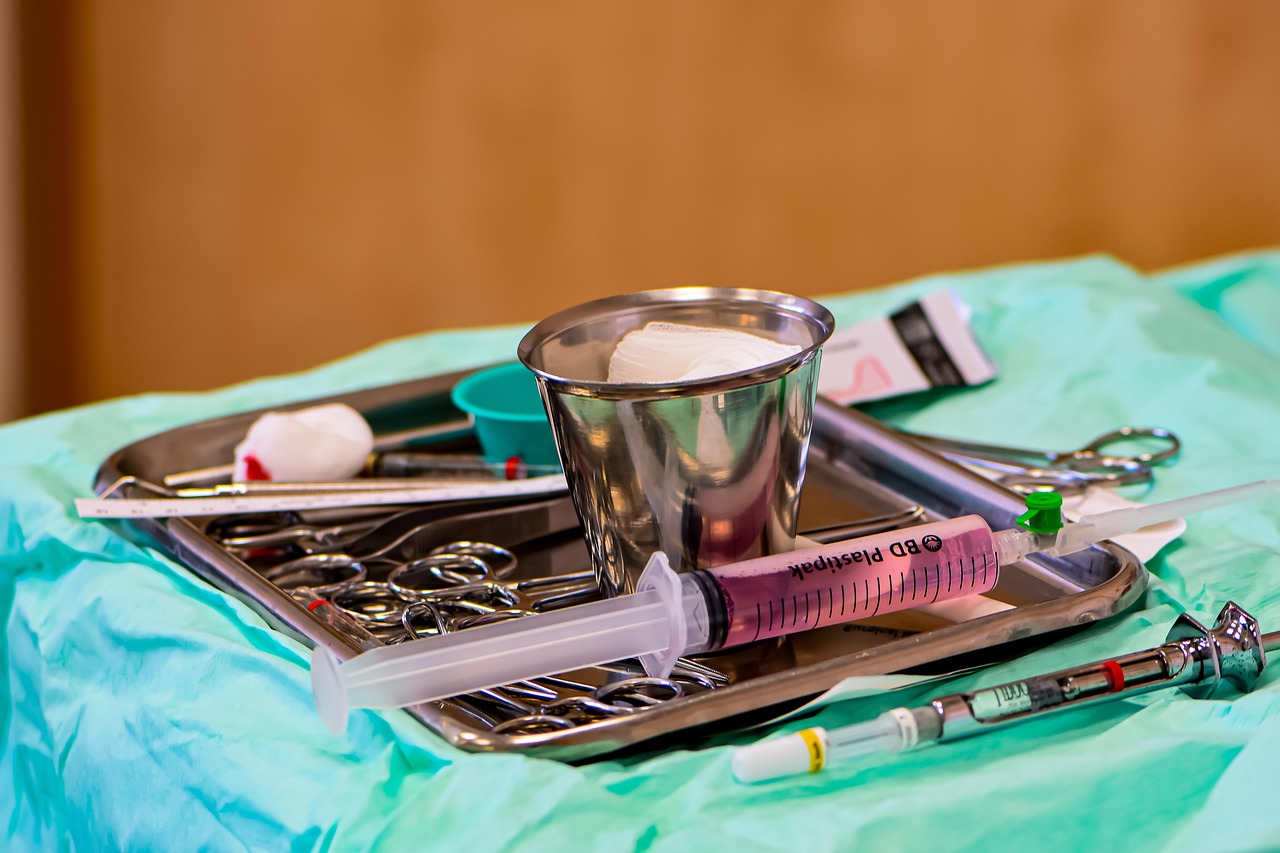
Surgical procedures are medical interventions that involve physical manipulation of a patient's body tissues to diagnose, treat, or cure a condition or disease. These procedures are typically performed by trained professionals, such as surgeons or surgical technologists, in a controlled environment like an operating room. Surgical procedures can range from minimally invasive techniques like arthroscopy to complex open surgeries like a heart transplant.
Surgical Technology
Surgical technology is a specialized field within healthcare that focuses on assisting surgeons during surgical procedures. Surgical technologists are responsible for preparing the operating room, sterilizing equipment, and ensuring that all instruments are ready for use. They also assist during surgeries by passing instruments to the surgeon, maintaining a sterile field, and providing other support as needed.
Anesthesia
Anesthesia is a medical treatment that prevents patients from feeling pain during surgical procedures. There are three main types of anesthesia: general anesthesia, regional anesthesia, and local anesthesia. General anesthesia puts the patient into a deep sleep, regional anesthesia numbs a specific area of the body, and local anesthesia numbs a small area.
Preoperative
The preoperative phase of surgery includes all activities that occur before the actual surgical procedure. This phase involves preparing the patient for surgery, obtaining informed consent, completing a preoperative assessment, and ensuring that all necessary equipment and supplies are available.
Intraoperative
The intraoperative phase of surgery encompasses the time during which the surgical procedure is actually performed. This phase involves setting up the operating room, assisting the surgeon during the procedure, and monitoring the patient's vital signs.
Postoperative
The postoperative phase of surgery occurs after the surgical procedure has been completed. During this phase, the patient is moved to a recovery area, monitored for any signs of complications, and provided with appropriate postoperative care instructions.
Surgical Instruments
Surgical instruments are tools designed for specific tasks during surgical procedures. These instruments can range from scalpels and forceps to retractors and scissors. Each instrument serves a unique purpose and must be used correctly to ensure the safety and success of the surgery.
Suture Materials
Suture materials are used to close surgical incisions and wounds. There are various types of sutures available, including absorbable and non-absorbable sutures. Absorbable sutures dissolve over time, while non-absorbable sutures must be removed manually.
Anatomy
Anatomy is the study of the structure of the human body and its various parts. Understanding anatomy is crucial for surgical technologists as it helps them navigate the body's tissues and organs during surgical procedures.
Physiology
Physiology is the study of how the human body functions. Knowledge of physiology is essential for surgical technologists as it allows them to anticipate how the body will respond to surgical interventions.
Surgical Scrub
A surgical scrub is the process of thoroughly cleaning and disinfecting the hands and forearms before entering the operating room. This is done to reduce the risk of introducing harmful bacteria or other pathogens into the sterile surgical field.
Surgical Asepsis
Surgical asepsis refers to the practice of maintaining a sterile environment during surgical procedures to prevent infections. This involves using sterile equipment, wearing sterile attire, and following strict protocols to minimize the risk of contamination.
Surgical Site Infection
A surgical site infection is an infection that occurs at the site of a surgical incision. These infections can range from mild to severe and may require additional treatment, such as antibiotics or surgical debridement.
Minimally Invasive Surgery
Minimally invasive surgery is a surgical technique that uses small incisions and specialized instruments to perform procedures with less trauma to the body. This approach typically results in faster recovery times and reduced scarring compared to traditional open surgeries.
Laparoscopic Surgery
Laparoscopic surgery is a type of minimally invasive surgery that uses a thin, lighted tube with a camera (laparoscope) and small instruments to perform procedures inside the abdomen or pelvis. This technique allows surgeons to visualize the internal organs without the need for large incisions.
Robotic Surgery
Robotic surgery is a type of minimally invasive surgery that uses robotic arms controlled by a surgeon to perform precise movements during procedures. This technology offers increased dexterity and precision, allowing for complex surgeries to be performed with smaller incisions.
Open Surgery
Open surgery is a traditional surgical approach that involves making a large incision to access the surgical site. This technique is used for complex procedures that require direct visualization and manual manipulation of tissues.
Elective Surgery
Elective surgery is a planned surgical procedure that is not considered urgent or life-threatening. Examples of elective surgeries include cosmetic procedures, joint replacements, and hernia repairs.
Emergency Surgery
Emergency surgery is a surgical procedure that must be performed immediately to save a patient's life or prevent serious complications. Examples of emergency surgeries include appendectomies, trauma surgeries, and cardiac bypass surgeries.
Scrub Nurse
A scrub nurse is a registered nurse who assists the surgical team by preparing the operating room, sterilizing instruments, and passing instruments to the surgeon during procedures. Scrub nurses play a crucial role in maintaining a sterile environment and ensuring the safety of the patient.
Circulating Nurse
A circulating nurse is a registered nurse who manages the non-sterile aspects of the operating room, such as coordinating equipment and supplies, documenting the procedure, and advocating for the patient's safety. Circulating nurses are responsible for ensuring that the surgical team has everything they need to perform the procedure.
Surgeon
The surgeon is a medical doctor who is trained to perform surgical procedures. Surgeons are responsible for diagnosing conditions, determining the appropriate treatment plan, and performing surgeries to address the patient's medical needs.
Incision
An incision is a cut made in the skin during a surgical procedure to access the underlying tissues or organs. The size and location of the incision depend on the type of surgery being performed and the surgeon's preferences.
Hemostasis
Hemostasis is the process of stopping bleeding during a surgical procedure. This can be achieved using various techniques, such as cauterization, suturing, or applying pressure to the bleeding vessel.
Anesthesiologist
An anesthesiologist is a medical doctor who specializes in administering anesthesia and managing the patient's vital signs during surgery. Anesthesiologists work closely with the surgical team to ensure the patient's safety and comfort throughout the procedure.
Instrument Table
The instrument table is a sterile surface in the operating room where surgical instruments and supplies are placed for easy access during procedures. Maintaining an organized instrument table is essential for efficiency and safety during surgery.
Retractor
A retractor is a surgical instrument used to hold back tissues or organs to provide better visibility and access to the surgical site. Retractors come in various shapes and sizes to accommodate different anatomical structures.
Sterile Field
The sterile field is the area in the operating room that is considered free of microorganisms and contaminants. Maintaining a sterile field is essential to prevent surgical site infections and ensure the success of the procedure.
Autoclave
An autoclave is a device used to sterilize surgical instruments and supplies by subjecting them to high-pressure steam. This process effectively kills bacteria, viruses, and other pathogens to ensure that the instruments are safe for use in surgery.
Blood Loss
Blood loss refers to the amount of blood that a patient loses during a surgical procedure. Excessive blood loss can lead to complications such as hypovolemic shock and may require transfusion of blood products to restore the patient's blood volume.
Wound Closure
Wound closure is the process of sealing a surgical incision after the procedure is completed. This can be done using sutures, staples, adhesive strips, or other closure techniques to promote healing and minimize scarring.
Postoperative Care
Postoperative care involves monitoring the patient's recovery after surgery and providing appropriate interventions to promote healing and prevent complications. This may include pain management, wound care, and physical therapy as needed.
Complications
Complications are unexpected events or outcomes that can occur during or after a surgical procedure. Common complications include infection, bleeding, anesthesia reactions, and organ damage. Prompt recognition and management of complications are essential for ensuring the patient's safety.
Recovery Room
The recovery room, also known as the post-anesthesia care unit (PACU), is where patients are taken immediately after surgery to recover from the effects of anesthesia. Patients are monitored closely in the recovery room until they are stable and ready to be transferred to a regular hospital room or discharged home.
Informed Consent
Informed consent is the process by which patients are informed about the risks, benefits, and alternatives of a proposed treatment or procedure before giving their permission to proceed. It is essential for ensuring that patients understand the implications of their medical decisions.
Discharge Instructions
Discharge instructions are written or verbal guidelines provided to patients upon leaving the hospital after surgery. These instructions typically include information on wound care, medication management, activity restrictions, and follow-up appointments to promote a smooth recovery process.
Operating Room Team
The operating room team consists of various healthcare professionals who work together to ensure the safe and efficient performance of surgical procedures. This team typically includes surgeons, surgical technologists, nurses, anesthesiologists, and other support staff.
Emergency Response
In the event of a medical emergency during surgery, the operating room team must be prepared to respond quickly and effectively to stabilize the patient. This may involve initiating life-saving measures, such as cardiopulmonary resuscitation (CPR) or administering emergency medications.
Instrument Sterilization
Instrument sterilization is the process of eliminating all forms of microbial life from surgical instruments to prevent infections. This is typically done using heat, chemicals, or radiation to ensure that the instruments are safe for use in surgery.
Hand Hygiene
Hand hygiene is the practice of keeping hands clean to prevent the spread of infections in healthcare settings. Surgical technologists must follow strict hand hygiene protocols, including washing hands with soap and water or using hand sanitizer before and after each patient encounter.
Team Communication
Effective communication among members of the operating room team is essential for ensuring the safety and success of surgical procedures. Clear and concise communication helps prevent errors, improve teamwork, and promote positive patient outcomes.
Patient Positioning
Proper patient positioning is crucial for ensuring optimal exposure of the surgical site and preventing injury during surgery. Surgical technologists must assist with positioning the patient correctly on the operating table to facilitate the surgeon's access to the area of interest.
Emergency Equipment
Emergency equipment, such as defibrillators, emergency medications, and airway management devices, must be readily available in the operating room to respond to medical emergencies quickly. Familiarity with the location and proper use of emergency equipment is essential for the operating room team.
Instrument Care
Proper care and maintenance of surgical instruments are essential for ensuring their longevity and effectiveness. Surgical technologists must follow manufacturer guidelines for cleaning, sterilizing, and storing instruments to prevent damage and contamination.
Quality Assurance
Quality assurance in surgical technology involves implementing processes and protocols to ensure that surgical procedures are performed safely and efficiently. This may include regular audits, performance reviews, and ongoing training to maintain high standards of care.
Professional Development
Continuous professional development is essential for surgical technologists to stay current with advancements in surgical techniques, equipment, and practices. Engaging in ongoing education, training, and certification helps ensure competence and career growth in the field.
Patient Advocacy
Patient advocacy involves advocating for the patient's rights, preferences, and well-being throughout the surgical process. Surgical technologists play a vital role in ensuring that patients receive safe, compassionate, and respectful care during their surgical experience.
Ethical Considerations
Ethical considerations in surgical technology involve upholding ethical principles, such as respect for patient autonomy, confidentiality, and informed consent. Surgical technologists must adhere to ethical standards and professional codes of conduct to maintain trust and integrity in their practice.
Key takeaways
- These procedures are typically performed by trained professionals, such as surgeons or surgical technologists, in a controlled environment like an operating room.
- Surgical technologists are responsible for preparing the operating room, sterilizing equipment, and ensuring that all instruments are ready for use.
- General anesthesia puts the patient into a deep sleep, regional anesthesia numbs a specific area of the body, and local anesthesia numbs a small area.
- This phase involves preparing the patient for surgery, obtaining informed consent, completing a preoperative assessment, and ensuring that all necessary equipment and supplies are available.
- This phase involves setting up the operating room, assisting the surgeon during the procedure, and monitoring the patient's vital signs.
- During this phase, the patient is moved to a recovery area, monitored for any signs of complications, and provided with appropriate postoperative care instructions.
- Each instrument serves a unique purpose and must be used correctly to ensure the safety and success of the surgery.