
Environmental Impact of Pharmaceutical Waste Disposal
Environmental Impact of Pharmaceutical Waste Disposal
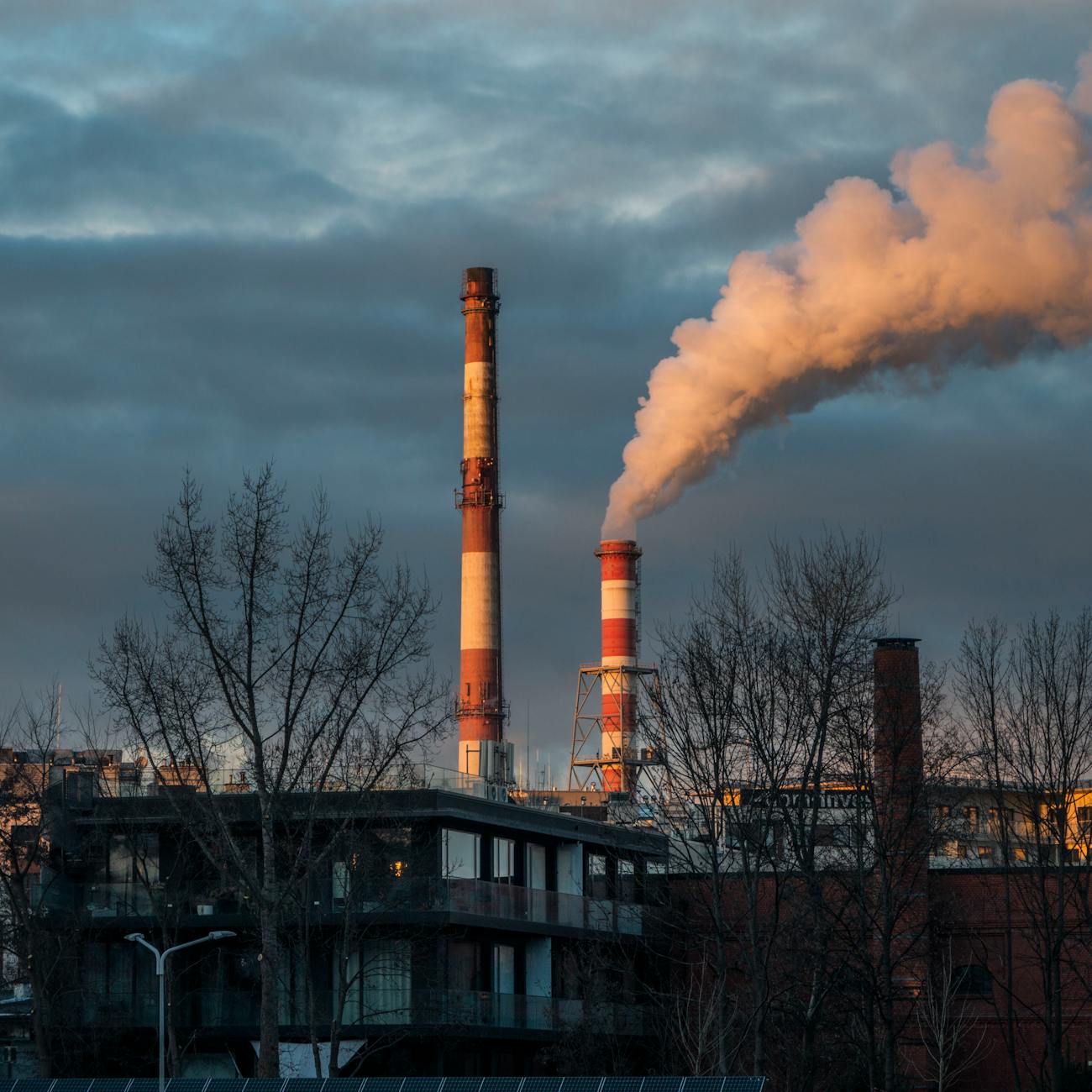
Environmental Impact of Pharmaceutical Waste Disposal
Pharmaceutical waste disposal is a critical issue that can have significant environmental impacts if not managed properly. The disposal of pharmaceutical waste, such as expired drugs, unused medications, and other pharmaceutical products, can lead to contamination of water sources, soil, and air, posing risks to human health and the ecosystem. Understanding the environmental impact of pharmaceutical waste disposal is essential for developing strategies to mitigate these risks and protect the environment.
Pharmaceutical Waste
Pharmaceutical waste refers to any unused, expired, or contaminated medications, as well as other materials used in the production, distribution, and administration of pharmaceutical products. This waste can include drugs that are no longer needed, expired medications, empty drug containers, packaging materials, and other items used in healthcare settings. Pharmaceutical waste can be generated at various stages of the pharmaceutical supply chain, including manufacturing, distribution, retail, and healthcare facilities.
Environmental Impact
The improper disposal of pharmaceutical waste can have a range of environmental impacts, including contamination of water sources, soil, and air. When pharmaceuticals are disposed of inappropriately, either by being flushed down the toilet or thrown in the trash, they can enter the environment and pose risks to human health and the ecosystem. These contaminants can accumulate in the environment over time, leading to long-term environmental damage.
Water Contamination
One of the most significant environmental impacts of pharmaceutical waste disposal is water contamination. When pharmaceuticals are flushed down the toilet or disposed of in landfills, they can leach into groundwater or surface water sources. This can lead to the contamination of drinking water supplies and aquatic ecosystems. Even low concentrations of pharmaceuticals in water can have harmful effects on aquatic life and human health.
For example, antibiotics and hormones can disrupt the natural balance of ecosystems and harm aquatic organisms. Additionally, some pharmaceuticals can persist in the environment for long periods, leading to bioaccumulation in the food chain. This can ultimately result in human exposure to pharmaceutical residues through the consumption of contaminated fish or water.
Soil Contamination
Pharmaceutical waste disposal can also result in soil contamination. When pharmaceuticals are disposed of in landfills or applied to agricultural fields, they can leach into the soil and accumulate over time. This can impact soil quality and fertility, as well as pose risks to plants, animals, and humans.
For example, the presence of antibiotics in soil can lead to the development of antibiotic-resistant bacteria, which can pose a threat to human health. Additionally, pharmaceutical residues in soil can affect the growth of plants and disrupt soil microbial communities, leading to long-term environmental damage.
Air Pollution
In addition to water and soil contamination, pharmaceutical waste disposal can also contribute to air pollution. When pharmaceuticals are incinerated or disposed of in ways that release volatile compounds, they can contribute to the formation of air pollutants. These pollutants can have harmful effects on human health and the environment, contributing to respiratory problems and climate change.
For example, the incineration of pharmaceutical waste can release toxic gases and particulate matter into the atmosphere, leading to air quality issues and health concerns for nearby communities. It is essential to consider the potential air pollution impacts of pharmaceutical waste disposal methods and implement strategies to minimize these risks.
Regulatory Framework
To address the environmental impact of pharmaceutical waste disposal, regulatory frameworks have been established at the international, national, and local levels. These regulations aim to ensure the safe and proper management of pharmaceutical waste to protect the environment and human health. Compliance with these regulations is essential for pharmaceutical companies, healthcare facilities, and waste management organizations to minimize their environmental impact.
For example, the United States Environmental Protection Agency (EPA) regulates the disposal of pharmaceutical waste under the Resource Conservation and Recovery Act (RCRA). This legislation sets out requirements for the proper handling, storage, transportation, and disposal of hazardous waste, including pharmaceuticals. Companies and facilities that generate pharmaceutical waste must comply with these regulations to avoid fines and penalties.
Best Practices
To reduce the environmental impact of pharmaceutical waste disposal, it is essential to adopt best practices for waste management. These practices aim to minimize the generation of pharmaceutical waste, promote recycling and reuse, and ensure the safe disposal of hazardous materials. By following best practices, companies and facilities can reduce their environmental footprint and protect the environment.
One best practice for pharmaceutical waste management is source reduction, which involves reducing the amount of waste generated at the source. This can be achieved through inventory management, purchasing practices, and employee training to minimize waste generation. By reducing the amount of pharmaceutical waste produced, companies can lower their environmental impact and save on disposal costs.
Another best practice is recycling and reuse, which involves collecting and processing pharmaceutical waste for reuse or recycling. This can include returning unused medications to pharmacies for proper disposal, recycling empty drug containers, and repurposing packaging materials. By recycling and reusing pharmaceutical waste, companies can reduce their environmental impact and conserve resources.
Proper disposal is another critical best practice for pharmaceutical waste management. This involves ensuring that pharmaceutical waste is disposed of in a way that minimizes its impact on the environment and human health. This can include following regulations for hazardous waste disposal, using designated disposal facilities, and implementing waste segregation practices to prevent contamination.
Challenges
Despite efforts to mitigate the environmental impact of pharmaceutical waste disposal, there are several challenges that companies and facilities face in managing their waste effectively. These challenges can include regulatory complexity, lack of awareness, limited resources, and technological barriers. Overcoming these challenges is essential for improving waste management practices and protecting the environment.
One of the main challenges in pharmaceutical waste disposal is regulatory complexity. The regulations governing the disposal of pharmaceutical waste can be complex and vary depending on the type of waste, location, and jurisdiction. Companies and facilities must navigate these regulations to ensure compliance and avoid legal consequences. This can be challenging for organizations with limited resources or expertise in waste management.
Another challenge is the lack of awareness about proper waste management practices. Many companies and individuals may not be aware of the environmental impact of pharmaceutical waste disposal or the best practices for managing their waste. This can lead to improper disposal methods, such as flushing medications down the toilet or throwing them in the trash, which can result in environmental contamination.
Limited resources can also pose a challenge for pharmaceutical waste disposal. Companies and facilities may lack the necessary infrastructure, equipment, or personnel to manage their waste effectively. This can result in inadequate storage, handling, and disposal of pharmaceutical waste, increasing the risk of environmental contamination. Investing in waste management resources is essential for improving practices and reducing environmental impacts.
Technological barriers can also hinder effective pharmaceutical waste disposal. Some pharmaceutical waste, such as certain medications or packaging materials, may be difficult to recycle or dispose of safely. Developing innovative technologies for waste treatment and disposal can help overcome these barriers and improve waste management practices. Collaboration with waste management experts and research institutions can help companies identify and implement technological solutions.
Conclusion
In conclusion, the environmental impact of pharmaceutical waste disposal is a significant issue that requires attention and action from companies, facilities, and regulators. By understanding the impacts of pharmaceutical waste on the environment, implementing best practices for waste management, and addressing challenges in waste disposal, organizations can minimize their environmental footprint and protect the ecosystem. Compliance with regulations, adoption of best practices, and investment in waste management resources are essential steps towards sustainable pharmaceutical waste disposal. By working together to address these issues, we can protect the environment and promote a healthier future for all.
Key takeaways
- The disposal of pharmaceutical waste, such as expired drugs, unused medications, and other pharmaceutical products, can lead to contamination of water sources, soil, and air, posing risks to human health and the ecosystem.
- Pharmaceutical waste refers to any unused, expired, or contaminated medications, as well as other materials used in the production, distribution, and administration of pharmaceutical products.
- When pharmaceuticals are disposed of inappropriately, either by being flushed down the toilet or thrown in the trash, they can enter the environment and pose risks to human health and the ecosystem.
- When pharmaceuticals are flushed down the toilet or disposed of in landfills, they can leach into groundwater or surface water sources.
- Additionally, some pharmaceuticals can persist in the environment for long periods, leading to bioaccumulation in the food chain.
- When pharmaceuticals are disposed of in landfills or applied to agricultural fields, they can leach into the soil and accumulate over time.
- Additionally, pharmaceutical residues in soil can affect the growth of plants and disrupt soil microbial communities, leading to long-term environmental damage.