
Supporting Children and Families
Supporting Children and Families in Safeguarding
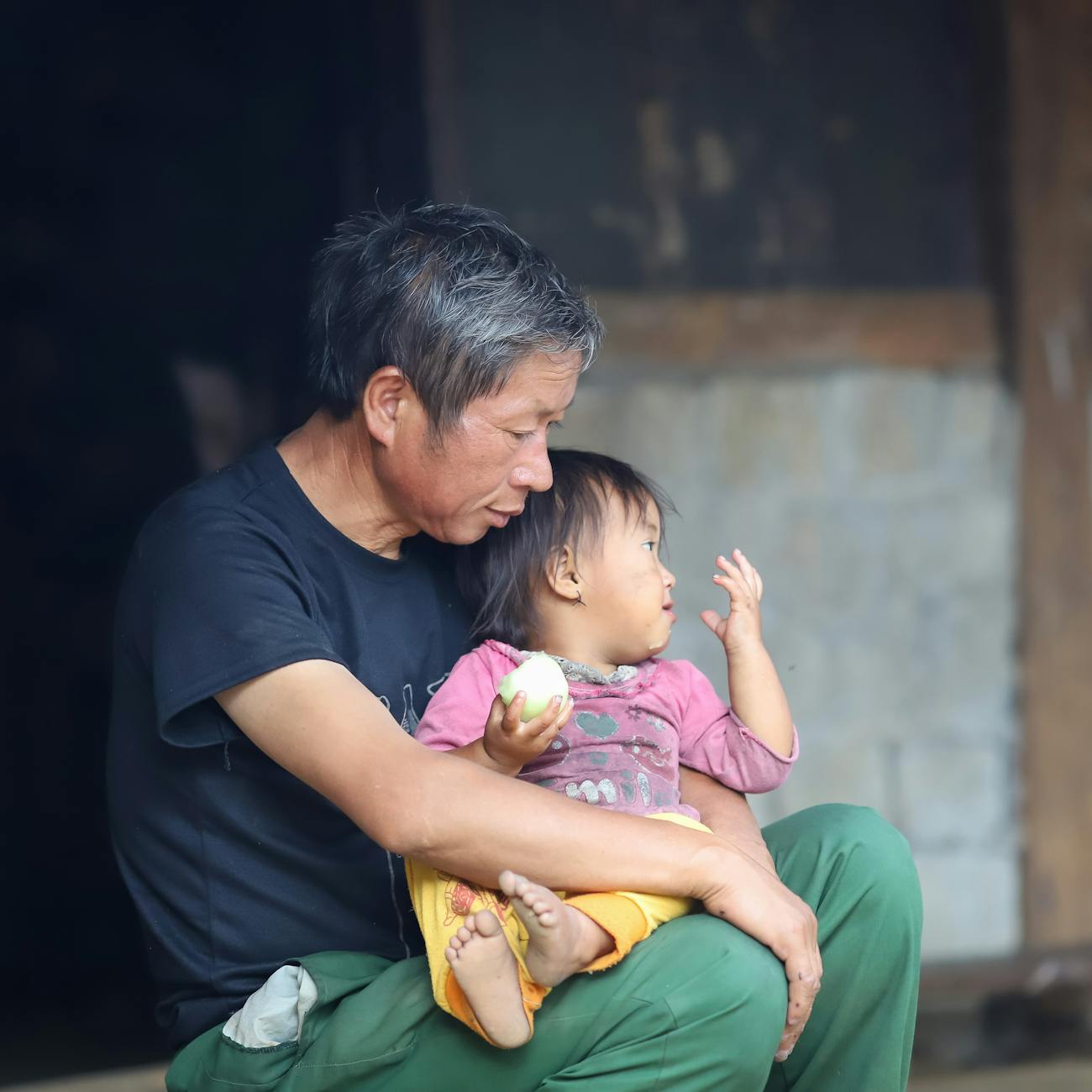
Supporting Children and Families in Safeguarding
Children and families are at the heart of any safeguarding efforts. It is crucial to understand the various key terms and vocabulary associated with supporting children and families in safeguarding to ensure their well-being and protection. Let's delve into some of the essential terms in the Certified Specialist Programme in Safeguarding for School Nurses.
Safeguarding is a term that encompasses all measures taken to protect children and vulnerable adults from harm, abuse, or neglect. It involves promoting their welfare and ensuring they are kept safe from harm.
Child Protection refers to the actions taken to protect children who are suffering or are at risk of suffering significant harm. It involves identifying and responding to child abuse or neglect.
Child Abuse is any form of physical, emotional, sexual, or psychological mistreatment or neglect of a child. It can have long-lasting effects on a child's well-being and development.
Significant Harm is the threshold that must be met for child protection services to intervene. It refers to the level of harm that is so serious it requires immediate action to protect the child.
Multi-Agency Working involves professionals from different agencies working together to support children and families. It ensures a coordinated approach to safeguarding and promoting the welfare of children.
Early Help is the support provided to children and families at the first signs of difficulties to prevent problems from escalating. It aims to address issues before they become more serious.
Child in Need refers to a child who requires additional support to achieve or maintain a reasonable standard of health or development. They may be in need of services to prevent harm or neglect.
Child Looked After is a child who is in the care of the local authority. This could be in foster care, residential care, or other arrangements. These children have experienced significant disruption in their lives.
Child Protection Plan
Designated Safeguarding Lead (DSL) is a person within an organization who has specific responsibilities for safeguarding children. They are the first point of contact for staff, parents, and outside agencies on safeguarding matters.
Child Sexual Exploitation (CSE) refers to a form of child abuse where individuals exploit children for sexual purposes. It can involve grooming, manipulation, and coercion.
Domestic Abuse
Emotional Abuse
Forced Marriage
Female Genital Mutilation (FGM) refers to the practice of partially or totally removing the external female genitalia for non-medical reasons. It is a harmful practice that can have serious physical and emotional consequences.
Prevent Duty
Online Safety
Parental Mental Health
Parental Substance Misuse
Child Poverty
Attachment
Resilience
Advocacy
Confidentiality
Consent
Barriers to Communication
Effective Communication
Reflective Practice
Professional Boundaries
Team Around the Child
Information Sharing
Risk Assessment
Mandatory Reporting
Professional Supervision
Understanding the key terms and vocabulary related to supporting children and families in safeguarding is essential for school nurses and other professionals working with children. It enables them to effectively identify, respond to, and prevent child abuse and neglect, ensuring the well-being and protection of the most vulnerable members of society. By staying informed and knowledgeable about these terms, professionals can enhance their practice and make a positive impact on the lives of children and families.
Key takeaways
- It is crucial to understand the various key terms and vocabulary associated with supporting children and families in safeguarding to ensure their well-being and protection.
- Safeguarding is a term that encompasses all measures taken to protect children and vulnerable adults from harm, abuse, or neglect.
- Child Protection refers to the actions taken to protect children who are suffering or are at risk of suffering significant harm.
- Child Abuse is any form of physical, emotional, sexual, or psychological mistreatment or neglect of a child.
- Significant Harm is the threshold that must be met for child protection services to intervene.
- Multi-Agency Working involves professionals from different agencies working together to support children and families.
- Early Help is the support provided to children and families at the first signs of difficulties to prevent problems from escalating.