
Sustainable Materials and Techniques
Sustainable Materials and Techniques
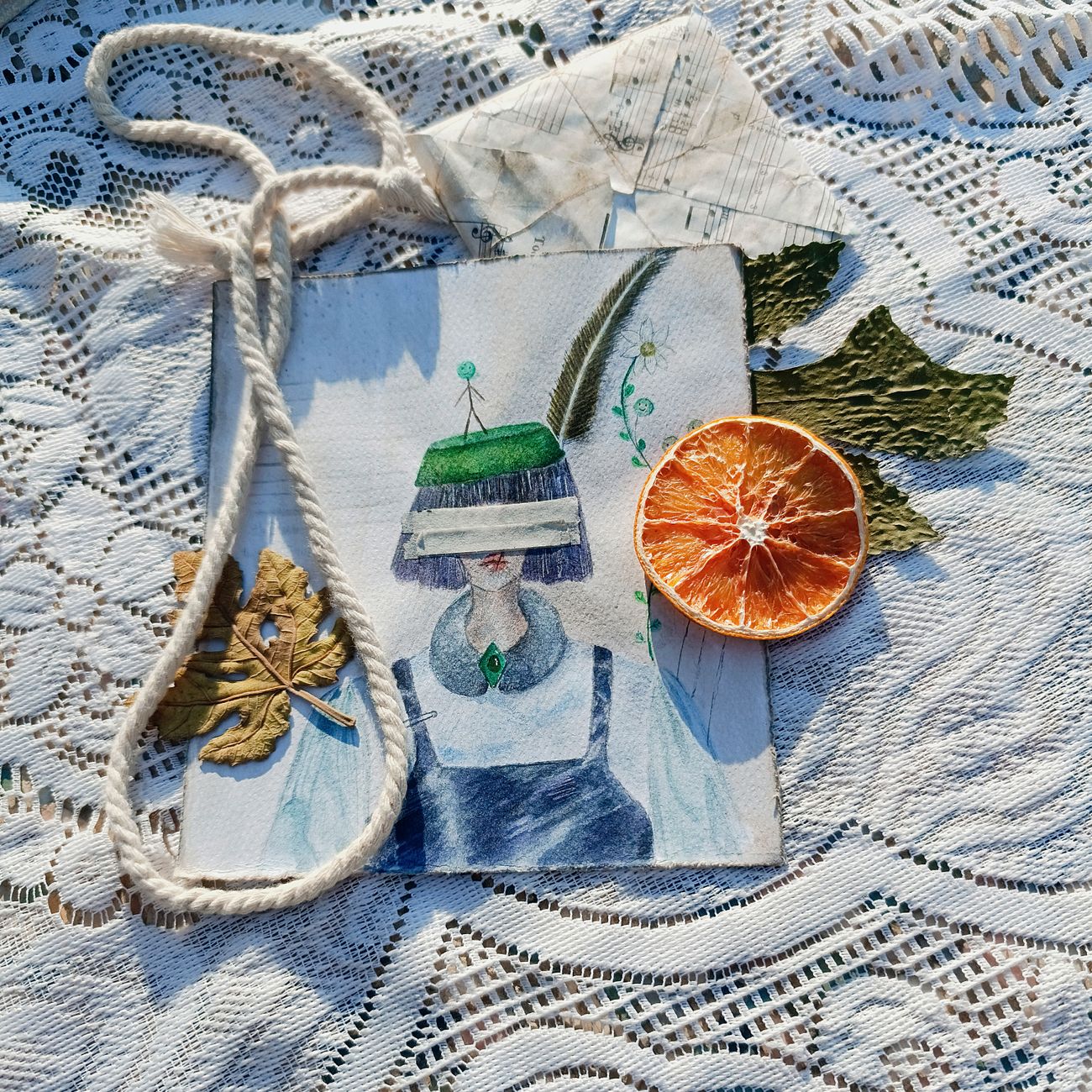
Sustainable Materials and Techniques
Certificate in Creative Upcycling Art
Sustainable Materials: Sustainable materials are those that are environmentally friendly, socially responsible, and economically viable throughout their lifecycle. These materials are sourced, manufactured, used, and disposed of in a way that minimizes negative impacts on the environment and human health. Examples of sustainable materials include recycled paper, bamboo, cork, organic cotton, and reclaimed wood.
Techniques: Techniques refer to the methods, processes, and skills used to create art or products. In the context of upcycling art, techniques involve transforming waste materials into new and valuable items through creative and innovative means. These techniques can include cutting, sewing, painting, weaving, and sculpting, among others. By using a variety of techniques, artists can breathe new life into discarded materials and reduce waste.
Creative Upcycling: Creative upcycling is the practice of repurposing waste materials into new and unique products of higher value. Unlike recycling, which breaks down materials to create new products, upcycling involves transforming materials without degrading their quality. This process allows artists to showcase their creativity and craftsmanship while promoting sustainability and reducing environmental impact.
Art: Art is a form of creative expression that encompasses a wide range of mediums, styles, and techniques. In the context of upcycling art, artists use discarded materials as their canvas to create visually appealing and thought-provoking pieces. Upcycling art challenges traditional notions of beauty and value by showcasing the potential of overlooked materials and promoting sustainable practices.
Reuse: Reuse is the act of using a product or material multiple times for its original purpose or a different purpose before its end of life. In upcycling art, artists often repurpose items that would otherwise be discarded or sent to a landfill. By reusing materials creatively, artists can reduce waste, conserve resources, and inspire others to adopt sustainable practices.
Recycling: Recycling is the process of converting waste materials into new products to prevent waste of potentially useful materials. While recycling is an important part of the waste management hierarchy, upcycling takes this concept a step further by giving new life to materials in their current form. Upcycling art adds value to discarded materials without the need for energy-intensive processes involved in traditional recycling.
Upcycling: Upcycling is the practice of repurposing waste materials into products of higher value without degrading their quality. Unlike recycling, which involves breaking down materials to create new products, upcycling focuses on creatively transforming materials into new and unique items. Upcycling art encourages artists to think outside the box and find innovative ways to use discarded materials in their work.
Environmental Impact: Environmental impact refers to the effect that human activities have on the natural environment. When traditional art materials are used, such as plastics or metals, the production and disposal processes can have a negative impact on ecosystems and human health. By using sustainable materials and upcycling techniques, artists can reduce their environmental impact and contribute to a healthier planet.
Social Responsibility: Social responsibility is the ethical framework that guides individuals and organizations to act in ways that benefit society at large. In the context of upcycling art, social responsibility involves considering the social, economic, and cultural implications of artistic practices. Artists who prioritize social responsibility seek to create art that promotes positive change, raises awareness of environmental issues, and engages with local communities.
Economic Viability: Economic viability refers to the ability of a product or process to generate profit and be financially sustainable. While upcycling art is often associated with sustainability and creativity, it is also important for artists to consider the economic aspects of their work. By using sustainable materials and techniques efficiently, artists can create products that are not only environmentally friendly but also economically viable.
Life Cycle Assessment: Life cycle assessment (LCA) is a methodology used to evaluate the environmental impacts of a product or process throughout its entire life cycle. This includes the extraction of raw materials, production, distribution, use, and disposal. By conducting a life cycle assessment, artists can identify areas where they can reduce environmental impact and make informed decisions about materials and techniques used in their work.
Carbon Footprint: A carbon footprint is the total amount of greenhouse gases, specifically carbon dioxide, emitted by an individual, organization, event, or product. By using sustainable materials and upcycling techniques, artists can reduce their carbon footprint and minimize their contribution to climate change. Upcycling art offers a creative way for artists to lower their environmental impact and promote sustainable practices.
Circular Economy: A circular economy is an economic model that aims to minimize waste and make the most of resources by keeping them in use for as long as possible. In the context of upcycling art, artists contribute to a circular economy by repurposing materials that would otherwise be discarded. By creating new products from existing materials, artists help to close the loop on resource consumption and promote a more sustainable way of producing and consuming goods.
Environmental Justice: Environmental justice is the fair treatment and meaningful involvement of all people, regardless of race, color, national origin, or income, in environmental decision-making. In the context of upcycling art, environmental justice involves considering the social and environmental impacts of artistic practices on marginalized communities. Artists who prioritize environmental justice seek to create art that is inclusive, equitable, and environmentally sustainable.
Biodegradable: Biodegradable materials are substances that can be broken down by microorganisms, such as bacteria or fungi, into natural elements like water, carbon dioxide, and organic matter. Using biodegradable materials in upcycling art can help reduce waste and minimize environmental impact. By incorporating biodegradable materials into their work, artists can create art that is not only visually appealing but also environmentally friendly.
Zero Waste: Zero waste is a philosophy that promotes the redesign of resource life cycles so that all products are reused or recycled, with no waste sent to landfills or incinerators. In upcycling art, artists strive to create products that generate minimal waste and maximize the use of materials. By adopting a zero waste approach, artists can reduce their environmental impact and promote sustainable practices in their work.
Local Sourcing: Local sourcing involves obtaining materials or resources from nearby sources to reduce the environmental impact of transportation and support local economies. In upcycling art, artists can practice local sourcing by using materials that are readily available in their community or region. By sourcing materials locally, artists can reduce their carbon footprint and build connections with local suppliers and artisans.
Repurposing: Repurposing is the act of taking an item or material and using it for a different purpose than originally intended. In upcycling art, repurposing involves creatively transforming waste materials into new and useful products. Artists can repurpose a wide range of materials, from old clothing and furniture to industrial scraps and electronic waste. Through repurposing, artists can give new life to discarded materials and showcase their creativity and resourcefulness.
Collaboration: Collaboration is the act of working together with others to achieve a common goal. In upcycling art, collaboration can involve partnering with other artists, designers, or community organizations to create innovative and impactful projects. By collaborating with others, artists can combine their skills, resources, and perspectives to address complex environmental and social challenges through art.
Community Engagement: Community engagement involves involving and empowering individuals and groups within a community to address issues that affect them. In upcycling art, community engagement can take many forms, such as organizing workshops, exhibitions, or public art projects that raise awareness of environmental issues and promote sustainable practices. By engaging with their community, artists can inspire others to take action and make a positive impact on the world around them.
Innovation: Innovation is the process of introducing new ideas, methods, or products that bring about positive change. In upcycling art, innovation plays a crucial role in finding creative solutions to environmental challenges and transforming waste materials into valuable products. Artists who embrace innovation push the boundaries of traditional art practices and inspire others to think differently about sustainability and creativity.
Challenges: While upcycling art offers many benefits, it also presents unique challenges that artists must navigate. One of the main challenges is sourcing high-quality and diverse materials for their projects. Artists may also face technical challenges related to the manipulation and transformation of materials, as well as logistical challenges such as storage and transportation of materials. Additionally, artists may encounter challenges in communicating the value and impact of their work to a wider audience and securing funding or support for their projects.
Practical Applications: Upcycling art has a wide range of practical applications in various fields, including fashion, design, and interior decoration. In the fashion industry, upcycling artists can create unique clothing and accessories from discarded textiles and garments, reducing waste and promoting sustainable fashion. In interior design, artists can repurpose furniture and home decor items to create stylish and eco-friendly living spaces. By applying upcycling techniques to different areas, artists can showcase the versatility and creativity of sustainable materials in art and design.
Benefits: The practice of upcycling art offers a multitude of benefits for artists, communities, and the environment. By using sustainable materials and techniques, artists can reduce their environmental impact, promote resource conservation, and raise awareness of environmental issues. Upcycling art also provides opportunities for creative expression, skill development, and community engagement. Through their work, artists can inspire others to rethink their consumption habits, embrace sustainable practices, and contribute to a more sustainable and equitable world.
Conclusion: In conclusion, sustainable materials and techniques play a crucial role in upcycling art, promoting environmental sustainability, social responsibility, and economic viability. By using sustainable materials and techniques creatively, artists can transform waste materials into valuable products, reduce their environmental impact, and inspire others to adopt sustainable practices. Upcycling art offers a unique opportunity for artists to showcase their creativity, craftsmanship, and commitment to sustainability while making a positive impact on the world around them.
Key takeaways
- Sustainable Materials: Sustainable materials are those that are environmentally friendly, socially responsible, and economically viable throughout their lifecycle.
- In the context of upcycling art, techniques involve transforming waste materials into new and valuable items through creative and innovative means.
- Unlike recycling, which breaks down materials to create new products, upcycling involves transforming materials without degrading their quality.
- Upcycling art challenges traditional notions of beauty and value by showcasing the potential of overlooked materials and promoting sustainable practices.
- Reuse: Reuse is the act of using a product or material multiple times for its original purpose or a different purpose before its end of life.
- While recycling is an important part of the waste management hierarchy, upcycling takes this concept a step further by giving new life to materials in their current form.
- Unlike recycling, which involves breaking down materials to create new products, upcycling focuses on creatively transforming materials into new and unique items.