
Energy Contract Management
Energy Contract Management is a crucial aspect of energy procurement that involves the negotiation, implementation, and ongoing monitoring of contracts between energy buyers and sellers. It plays a significant role in ensuring that organiza…
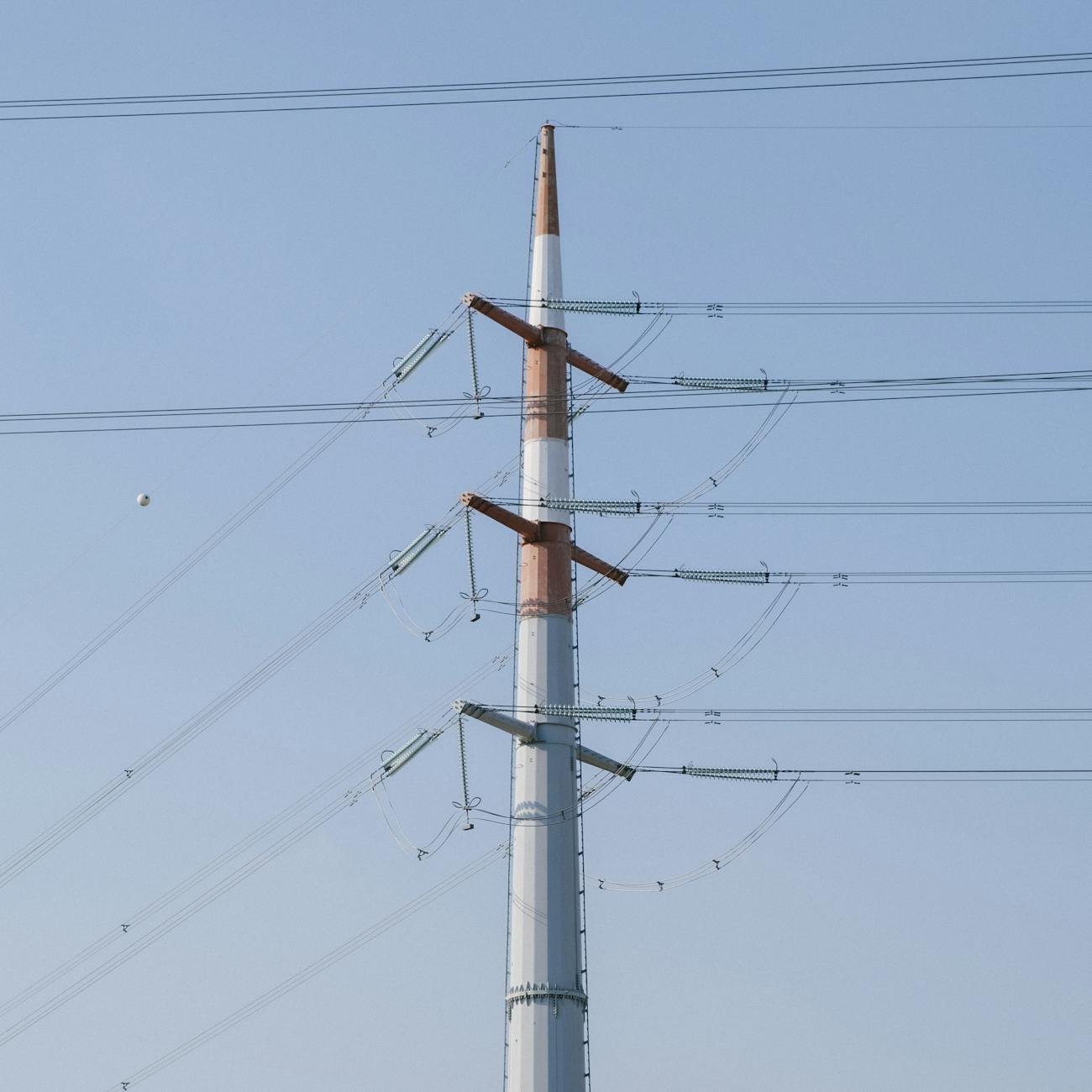
Energy Contract Management is a crucial aspect of energy procurement that involves the negotiation, implementation, and ongoing monitoring of contracts between energy buyers and sellers. It plays a significant role in ensuring that organizations obtain the best possible energy deals while managing risks and minimizing costs. In the Professional Certificate in Energy Procurement Management course, participants will learn about various key terms and vocabulary related to Energy Contract Management to help them excel in their roles. Let's delve into the essential terms and concepts covered in the course:
1. **Energy Procurement**: Energy procurement refers to the process of sourcing, negotiating, and purchasing energy commodities such as electricity, natural gas, or renewable energy. It involves analyzing market trends, evaluating suppliers, and selecting the most cost-effective energy contracts to meet an organization's needs.
2. **Energy Contract**: An energy contract is a legally binding agreement between an energy buyer (consumer) and an energy seller (supplier) that outlines the terms and conditions of energy supply, pricing, delivery, and other relevant details. Energy contracts can vary in duration, pricing structures, and risk management strategies.
3. **Contract Management**: Contract management involves the administration and oversight of contracts throughout their lifecycle, from negotiation to execution and performance monitoring. It includes ensuring compliance with contractual terms, managing risks, and resolving disputes to optimize contract value.
4. **Risk Management**: Risk management in energy contract management refers to the identification, assessment, and mitigation of risks associated with energy procurement, such as price volatility, supply disruptions, regulatory changes, and force majeure events. Effective risk management strategies help protect organizations from financial losses and operational disruptions.
5. **Price Hedging**: Price hedging is a risk management strategy used to protect against price volatility in energy markets. It involves entering into financial contracts, such as futures, options, or swaps, to lock in prices for future energy purchases. Price hedging helps organizations stabilize their energy costs and budget effectively.
6. **Renewable Energy Certificates (RECs)**: Renewable Energy Certificates (RECs) represent the environmental attributes of renewable energy generation and are used to track and trade renewable energy attributes separately from physical electricity. Organizations can purchase RECs to support renewable energy projects and meet sustainability goals.
7. **Demand Response**: Demand response programs enable energy consumers to adjust their electricity usage in response to signals from grid operators during periods of high demand or supply constraints. By participating in demand response, organizations can reduce their energy costs, earn incentives, and support grid reliability.
8. **Power Purchase Agreement (PPA)**: A Power Purchase Agreement (PPA) is a long-term contract between an electricity generator and a buyer, typically a large energy user or utility. PPAs allow organizations to procure renewable energy directly from a generator at a fixed or variable price over a specified term, promoting renewable energy deployment.
9. **Capacity Market**: A capacity market is a mechanism used in electricity markets to ensure resource adequacy and reliability by compensating generators for their ability to provide capacity (i.e., the ability to generate electricity) when needed. Capacity markets help incentivize investments in generation capacity and maintain grid stability.
10. **Energy Efficiency**: Energy efficiency refers to the practice of using less energy to perform the same tasks or achieve the same level of output. Energy efficiency measures can include upgrading equipment, improving building insulation, optimizing processes, and adopting energy-saving technologies to reduce energy consumption and costs.
11. **Load Forecasting**: Load forecasting is the process of predicting future electricity demand based on historical data, weather patterns, economic indicators, and other factors. Accurate load forecasting helps energy buyers optimize their procurement strategies, plan resources efficiently, and avoid costly imbalances between supply and demand.
12. **Tariff Analysis**: Tariff analysis involves evaluating and comparing the pricing structures, terms, and conditions of utility tariffs or energy supply contracts to determine the most cost-effective options for an organization. Tariff analysis helps energy buyers identify savings opportunities, understand rate structures, and make informed procurement decisions.
13. **Commodity Markets**: Commodity markets facilitate the trading of physical or financial commodities, including energy products such as electricity, natural gas, coal, and oil. Energy buyers and sellers can participate in commodity markets to hedge risks, discover prices, and manage their exposure to market fluctuations.
14. **Regulatory Compliance**: Regulatory compliance in energy procurement refers to adhering to laws, regulations, and industry standards that govern energy markets, contracts, and environmental requirements. Ensuring regulatory compliance is essential for avoiding penalties, maintaining business integrity, and upholding ethical practices.
15. **Supplier Relationship Management**: Supplier relationship management involves building and maintaining positive and collaborative partnerships with energy suppliers to foster mutual trust, transparency, and value creation. Effective supplier relationship management enhances contract performance, promotes innovation, and mitigates risks in energy procurement.
16. **Negotiation Skills**: Negotiation skills are essential for energy professionals involved in contract management to secure favorable terms, resolve conflicts, and achieve mutually beneficial agreements with suppliers. Strong negotiation skills enable energy buyers to optimize contract value, mitigate risks, and achieve cost savings.
17. **Data Analytics**: Data analytics involves collecting, analyzing, and interpreting data to extract valuable insights, trends, and patterns that can inform strategic decision-making in energy procurement. Leveraging data analytics tools and techniques helps energy professionals optimize their procurement strategies, forecast demand accurately, and identify cost-saving opportunities.
18. **Sustainability Reporting**: Sustainability reporting is the process of disclosing an organization's environmental, social, and governance (ESG) performance to stakeholders, investors, and the public. Energy professionals can use sustainability reporting to communicate their efforts in energy efficiency, renewable energy adoption, and carbon emissions reduction.
19. **Energy Market Dynamics**: Energy market dynamics refer to the complex interactions between supply and demand, pricing mechanisms, regulatory policies, technology advancements, and geopolitical factors that influence energy markets. Understanding energy market dynamics is crucial for energy professionals to navigate market uncertainties, anticipate trends, and make informed decisions.
20. **Contract Performance Metrics**: Contract performance metrics are key performance indicators (KPIs) used to evaluate the effectiveness, efficiency, and compliance of energy contracts. Monitoring contract performance metrics helps energy buyers assess supplier performance, track cost savings, and identify areas for improvement in contract management.
In the Professional Certificate in Energy Procurement Management course, participants will gain a comprehensive understanding of these key terms and vocabulary related to Energy Contract Management, equipping them with the knowledge and skills to excel in energy procurement roles. By mastering these concepts, energy professionals can effectively manage energy contracts, optimize procurement strategies, and drive value for their organizations in a dynamic and competitive energy market landscape.
Key takeaways
- In the Professional Certificate in Energy Procurement Management course, participants will learn about various key terms and vocabulary related to Energy Contract Management to help them excel in their roles.
- **Energy Procurement**: Energy procurement refers to the process of sourcing, negotiating, and purchasing energy commodities such as electricity, natural gas, or renewable energy.
- Energy contracts can vary in duration, pricing structures, and risk management strategies.
- **Contract Management**: Contract management involves the administration and oversight of contracts throughout their lifecycle, from negotiation to execution and performance monitoring.
- Effective risk management strategies help protect organizations from financial losses and operational disruptions.
- It involves entering into financial contracts, such as futures, options, or swaps, to lock in prices for future energy purchases.
- Organizations can purchase RECs to support renewable energy projects and meet sustainability goals.