
Introduction to Telemedicine Nursing
Telemedicine Nursing: Telemedicine nursing is a specialized field of nursing that involves providing healthcare services remotely using telecommunications technology. Telemedicine nurses collaborate with healthcare providers to deliver care…
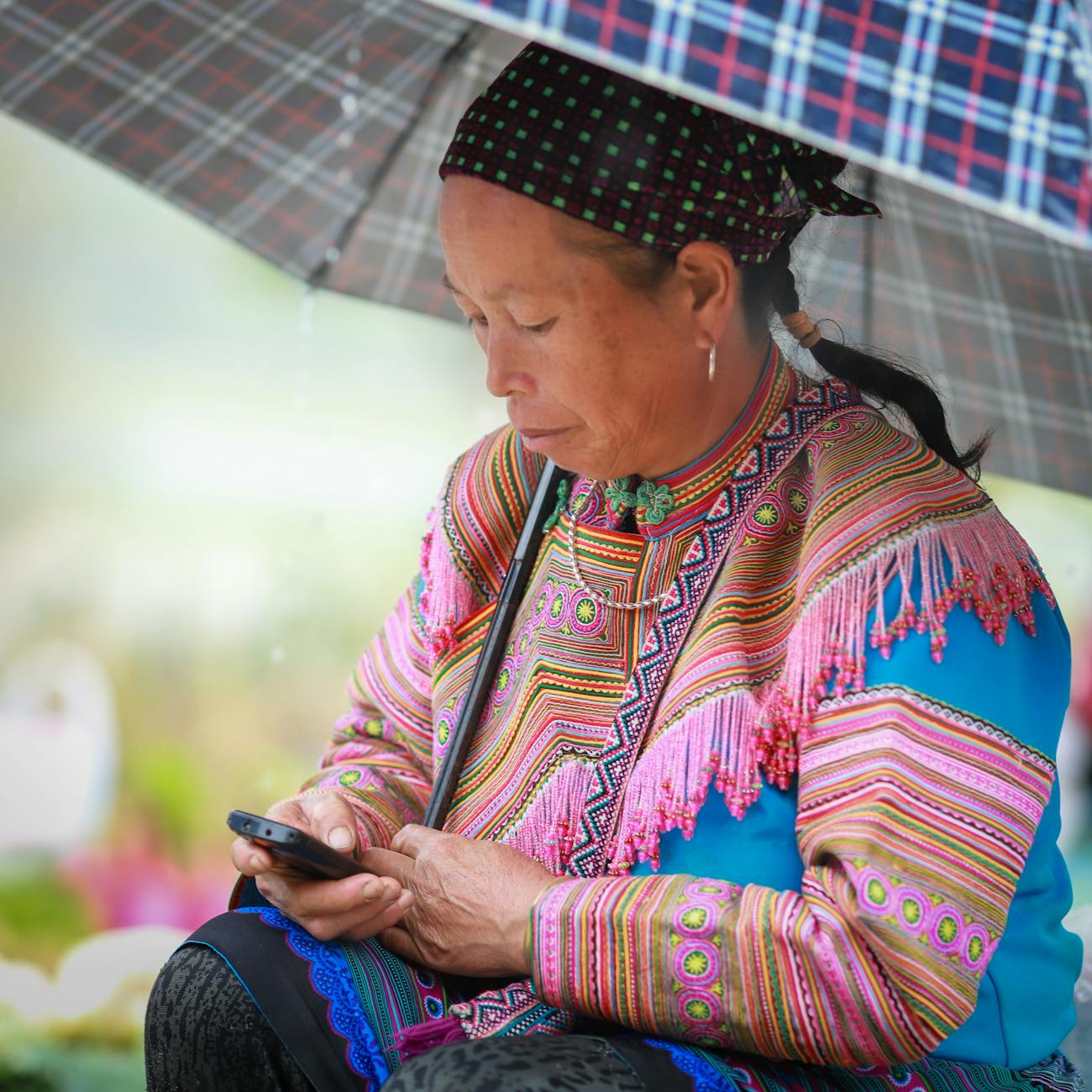
Telemedicine Nursing: Telemedicine nursing is a specialized field of nursing that involves providing healthcare services remotely using telecommunications technology. Telemedicine nurses collaborate with healthcare providers to deliver care to patients in various settings, such as clinics, hospitals, or even their own homes.
Global Certificate Course in Telemedicine Nursing: The Global Certificate Course in Telemedicine Nursing is a comprehensive training program designed to equip nurses with the knowledge and skills needed to excel in the field of telemedicine nursing. This course covers a wide range of topics, including telehealth technologies, virtual patient assessment, remote monitoring, and ethical considerations in telemedicine.
Telemedicine: Telemedicine is the use of telecommunications technology to provide healthcare services remotely. It allows healthcare providers to evaluate, diagnose, and treat patients without the need for an in-person visit. Telemedicine can be conducted through video conferencing, phone calls, or secure messaging platforms.
Nursing Informatics: Nursing informatics is a specialty within nursing that focuses on the integration of healthcare information technology to improve patient care outcomes. Nurses in this field use data, information, and technology to support clinical decision-making and enhance the delivery of healthcare services.
Virtual Consultation: A virtual consultation is a healthcare appointment that takes place remotely, typically through video conferencing or phone calls. During a virtual consultation, healthcare providers can assess patients, discuss symptoms, provide medical advice, and prescribe treatments.
Remote Monitoring: Remote monitoring involves the use of technology to track patients' health status and vital signs from a distance. This allows healthcare providers to monitor patients with chronic conditions or those recovering from surgery without the need for frequent in-person visits.
Telehealth Technologies: Telehealth technologies refer to the tools and devices used to deliver healthcare services remotely. These technologies include video conferencing platforms, mobile health apps, wearable devices, and remote monitoring systems.
Teletriage: Teletriage is the process of assessing patients' symptoms and determining the urgency of their healthcare needs remotely. Teletriage nurses use standardized protocols to guide their decision-making and ensure that patients receive appropriate care in a timely manner.
Telepresence: Telepresence refers to the sense of being present in a remote location through the use of telecommunications technology. In telemedicine nursing, telepresence allows healthcare providers to interact with patients and colleagues as if they were physically present in the same room.
Teleconsultation: A teleconsultation is a virtual meeting between healthcare providers to discuss patient cases, share expertise, and collaborate on treatment plans. Teleconsultations can help improve clinical decision-making and ensure that patients receive the best possible care.
Store-and-Forward: Store-and-forward is a telemedicine technology that involves capturing medical images, videos, or other data and transmitting them to a healthcare provider for review at a later time. This asynchronous communication method allows for more flexible scheduling and can improve access to specialty care.
Telemonitoring: Telemonitoring involves the continuous remote monitoring of patients' health status and vital signs using wearable devices or sensors. Telemonitoring can help detect changes in a patient's condition early and facilitate timely interventions to prevent complications.
Telepsychiatry: Telepsychiatry is a subfield of telemedicine that focuses on providing mental health services remotely. Telepsychiatry allows psychiatrists and mental health professionals to assess, diagnose, and treat patients with mental health disorders through virtual consultations.
Telestroke: Telestroke is a telemedicine program that enables neurologists to evaluate and treat stroke patients remotely. Through telestroke technology, healthcare providers can quickly assess stroke symptoms, administer clot-busting medications, and coordinate care with local hospitals.
Tele-ICU: Tele-ICU is a telemedicine service that connects intensive care unit (ICU) patients with critical care specialists through video conferencing and remote monitoring. Tele-ICU programs can improve patient outcomes, reduce complications, and enhance communication among healthcare teams.
mHealth: mHealth, or mobile health, refers to the use of mobile devices, such as smartphones and tablets, to support healthcare delivery and patient engagement. mHealth apps can help individuals manage chronic conditions, track their health data, and access telemedicine services from anywhere.
Telepharmacy: Telepharmacy is a telemedicine service that allows pharmacists to remotely review medication orders, provide drug counseling, and monitor patients' medication adherence. Telepharmacy can improve medication safety, reduce medication errors, and enhance access to pharmacy services in underserved areas.
Ethical Considerations in Telemedicine: Ethical considerations in telemedicine refer to the principles and guidelines that govern the practice of telemedicine nursing. Nurses must uphold ethical standards, such as patient confidentiality, informed consent, and professional boundaries, to ensure safe and effective care delivery.
Legal Regulations in Telemedicine: Legal regulations in telemedicine encompass the laws and policies that govern the practice of telemedicine nursing. Nurses must comply with state licensing requirements, privacy regulations (e.g., HIPAA), and telemedicine practice guidelines to avoid legal issues and ensure quality care.
Cultural Competence in Telemedicine: Cultural competence in telemedicine involves understanding and respecting the cultural beliefs, values, and practices of diverse patient populations. Nurses must adapt their communication style, care practices, and treatment approaches to meet the cultural needs of patients from different backgrounds.
Challenges in Telemedicine Nursing: Telemedicine nursing faces several challenges, such as technology limitations, regulatory barriers, reimbursement issues, and resistance to change. Nurses must overcome these challenges through ongoing training, collaboration with interdisciplinary teams, and advocacy for telemedicine advancement.
Benefits of Telemedicine Nursing: Telemedicine nursing offers numerous benefits, including improved access to healthcare services, reduced healthcare costs, increased patient convenience, and enhanced care coordination. Telemedicine can also help address healthcare disparities, expand healthcare access in rural areas, and support population health management.
Future Trends in Telemedicine Nursing: The future of telemedicine nursing is expected to involve advancements in telehealth technologies, increased integration of artificial intelligence (AI) and machine learning, expansion of telemedicine services to new specialties, and greater acceptance of telemedicine as a standard practice in healthcare delivery.
Key takeaways
- Telemedicine Nursing: Telemedicine nursing is a specialized field of nursing that involves providing healthcare services remotely using telecommunications technology.
- This course covers a wide range of topics, including telehealth technologies, virtual patient assessment, remote monitoring, and ethical considerations in telemedicine.
- Telemedicine: Telemedicine is the use of telecommunications technology to provide healthcare services remotely.
- Nursing Informatics: Nursing informatics is a specialty within nursing that focuses on the integration of healthcare information technology to improve patient care outcomes.
- Virtual Consultation: A virtual consultation is a healthcare appointment that takes place remotely, typically through video conferencing or phone calls.
- This allows healthcare providers to monitor patients with chronic conditions or those recovering from surgery without the need for frequent in-person visits.
- Telehealth Technologies: Telehealth technologies refer to the tools and devices used to deliver healthcare services remotely.