
Psychological Factors in Military Decision Making
Military decision making is a complex process that involves a variety of psychological factors. Understanding these factors is crucial for military psychologists who work with service members and leaders to optimize decision-making processe…
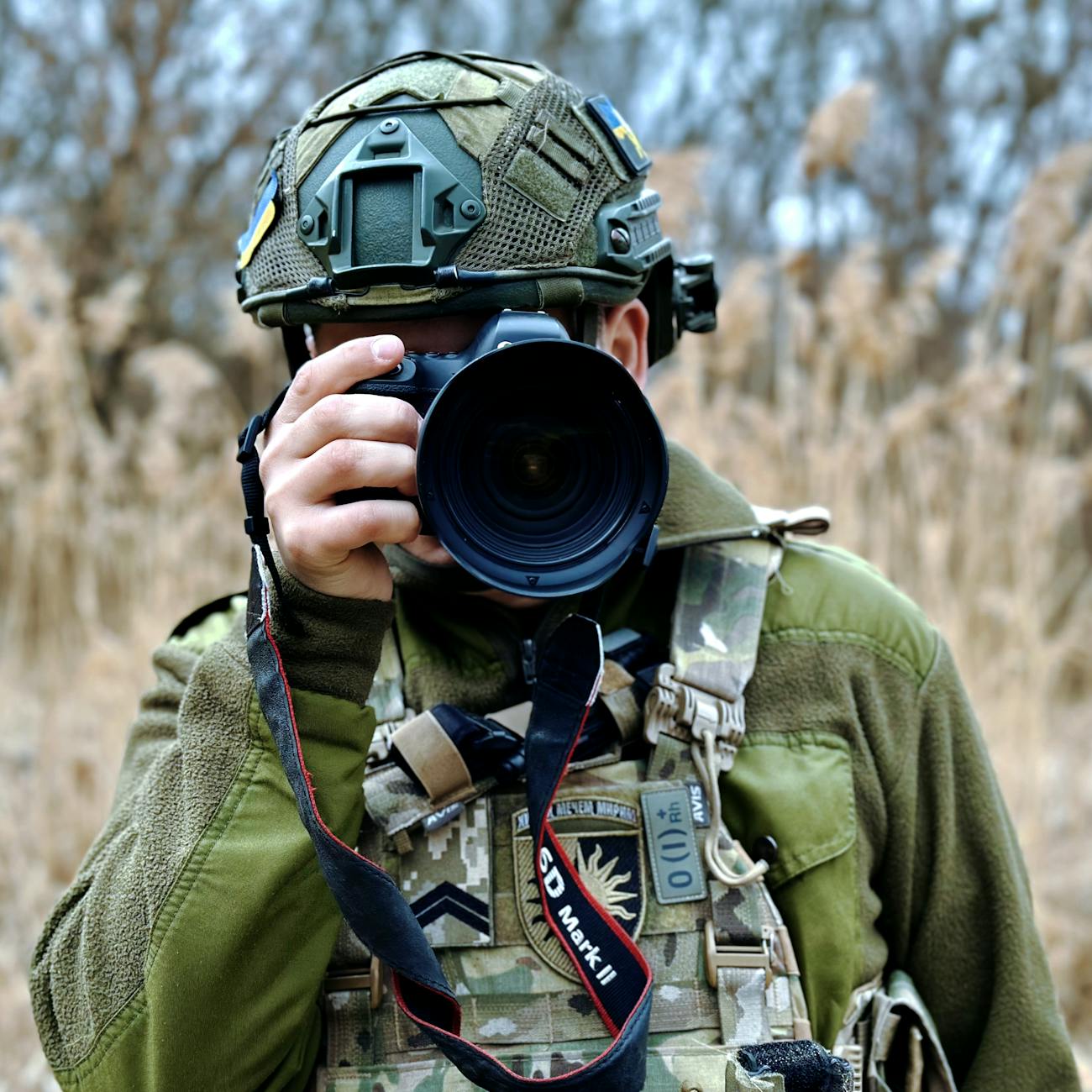
Military decision making is a complex process that involves a variety of psychological factors. Understanding these factors is crucial for military psychologists who work with service members and leaders to optimize decision-making processes in high-stress, high-stakes situations. In this course, we will explore key terms and vocabulary related to psychological factors in military decision making.
1. **Cognitive Bias**: Cognitive biases are systematic patterns of deviation from norm or rationality in judgment, whereby inferences about other people and situations may be drawn in an illogical fashion. These biases can affect decision making in military contexts, leading to errors in judgment and decision-making processes. For example, confirmation bias occurs when individuals seek out information that supports their pre-existing beliefs or assumptions, while ignoring contradictory evidence.
2. **Heuristics**: Heuristics are mental shortcuts or rules of thumb that individuals use to make decisions quickly and efficiently. While heuristics can be helpful in certain situations, they can also lead to errors in judgment and decision making. For example, the availability heuristic occurs when individuals make decisions based on information that is readily available in their memory, rather than considering all relevant information.
3. **Anchoring and Adjustment**: Anchoring and adjustment is a cognitive bias where individuals rely too heavily on the first piece of information they receive (the "anchor") when making decisions, and fail to adjust sufficiently from that anchor. In military decision making, anchoring and adjustment can lead to suboptimal decisions based on initial, potentially biased information.
4. **Decision Fatigue**: Decision fatigue refers to the deteriorating quality of decisions made by an individual after a long session of decision making. In military contexts, decision fatigue can impact leaders and service members who are required to make numerous decisions in high-stress situations. This can lead to errors in judgment and decision-making processes.
5. **Groupthink**: Groupthink is a psychological phenomenon that occurs within a group of people in which the desire for harmony or conformity in the group results in an irrational or dysfunctional decision-making outcome. In military decision making, groupthink can lead to a lack of critical thinking and consideration of alternative viewpoints, resulting in suboptimal decisions.
6. **Situation Awareness**: Situation awareness is the perception of the elements in the environment within a volume of time and space, the comprehension of their meaning, and the projection of their status in the near future. In military decision making, situation awareness is crucial for understanding the context in which decisions are made and for anticipating potential threats or opportunities.
7. **Stress Inoculation Training**: Stress inoculation training is a type of psychological intervention designed to help individuals cope with and adapt to stressors in high-stress environments. In military contexts, stress inoculation training can help service members and leaders develop resilience and effective coping strategies for managing stress during decision-making processes.
8. **Commander's Intent**: Commander's intent is a concise expression of the purpose of the operation and the desired end state that supports mission command, provides focus to the staff, and helps subordinate and supporting commanders act to achieve the commander's desired results without further orders. In military decision making, understanding the commander's intent is crucial for aligning decisions with the overall mission objectives.
9. **Risk Perception**: Risk perception refers to how individuals perceive and evaluate risks in decision-making processes. In military contexts, risk perception can vary depending on individual differences, experience, and situational factors. Understanding how risk is perceived can help military leaders make informed decisions and mitigate potential risks.
10. **Emotional Intelligence**: Emotional intelligence refers to the ability to perceive, understand, manage, and regulate emotions in oneself and others. In military decision making, emotional intelligence is important for managing stress, building relationships, and making decisions that consider the emotional impact on others. Service members and leaders with high emotional intelligence are better equipped to navigate complex decision-making processes.
11. **Decision Support Systems**: Decision support systems are computer-based tools that help individuals make decisions by providing relevant information and analysis. In military decision making, decision support systems can assist leaders and staff in processing complex data, evaluating options, and making informed decisions in high-stress situations.
12. **Situational Leadership**: Situational leadership is a leadership style that adapts to the needs of the situation and the capabilities of the team members. In military decision making, situational leadership involves assessing the situation, understanding the strengths and weaknesses of team members, and adjusting leadership approaches accordingly to achieve mission objectives.
13. **Ethical Decision Making**: Ethical decision making involves considering moral principles, values, and ethical standards when making decisions. In military contexts, ethical decision making is essential for upholding integrity, trust, and professionalism. Service members and leaders must navigate ethical dilemmas and make decisions that align with military values and principles.
14. **Resilience**: Resilience is the ability to bounce back from adversity, adapt to challenges, and thrive in the face of stress and uncertainty. In military decision making, resilience is crucial for coping with setbacks, managing stress, and maintaining focus during high-stress situations. Service members and leaders with high levels of resilience are better equipped to make effective decisions under pressure.
15. **Training and Simulation**: Training and simulation are tools used to prepare service members and leaders for decision-making in realistic and high-stress environments. By providing opportunities to practice decision-making skills, receive feedback, and refine strategies, training and simulation can enhance readiness and performance in military decision-making processes.
16. **Mental Models**: Mental models are cognitive frameworks or structures that individuals use to interpret information, make decisions, and solve problems. In military decision making, mental models influence how individuals perceive situations, evaluate options, and make choices. Understanding and challenging mental models can improve decision-making processes and outcomes.
17. **Strategic Thinking**: Strategic thinking is the ability to analyze complex situations, anticipate future trends, and develop innovative strategies to achieve long-term goals. In military decision making, strategic thinking is essential for planning operations, anticipating threats, and adapting to changing environments. Service members and leaders with strong strategic thinking skills are better prepared to make informed decisions in dynamic and uncertain contexts.
18. **Critical Thinking**: Critical thinking is the ability to analyze, evaluate, and synthesize information to make reasoned judgments and decisions. In military decision making, critical thinking is crucial for identifying assumptions, evaluating evidence, and considering alternative perspectives. Service members and leaders who demonstrate strong critical thinking skills are better equipped to make sound decisions in complex and ambiguous situations.
19. **Cyber Security**: Cyber security refers to the practice of protecting systems, networks, and data from cyber threats. In military decision making, cyber security is essential for safeguarding sensitive information, maintaining operational security, and preventing cyber attacks that could compromise mission objectives. Service members and leaders must be aware of cyber security risks and take steps to mitigate potential threats in decision-making processes.
20. **Human Factors**: Human factors refer to the psychological, social, and organizational aspects that influence human performance and behavior in complex systems. In military decision making, human factors play a critical role in shaping how individuals interact with technology, collaborate with team members, and respond to stressors. Understanding human factors can help optimize decision-making processes and enhance overall performance in military contexts.
In conclusion, psychological factors play a significant role in military decision making, influencing how individuals perceive information, evaluate options, and make choices in high-stress situations. By understanding key terms and vocabulary related to psychological factors in military decision making, military psychologists can support service members and leaders in optimizing decision-making processes, enhancing readiness, and achieving mission objectives in dynamic and challenging environments.
Key takeaways
- Understanding these factors is crucial for military psychologists who work with service members and leaders to optimize decision-making processes in high-stress, high-stakes situations.
- **Cognitive Bias**: Cognitive biases are systematic patterns of deviation from norm or rationality in judgment, whereby inferences about other people and situations may be drawn in an illogical fashion.
- For example, the availability heuristic occurs when individuals make decisions based on information that is readily available in their memory, rather than considering all relevant information.
- In military decision making, anchoring and adjustment can lead to suboptimal decisions based on initial, potentially biased information.
- **Decision Fatigue**: Decision fatigue refers to the deteriorating quality of decisions made by an individual after a long session of decision making.
- **Groupthink**: Groupthink is a psychological phenomenon that occurs within a group of people in which the desire for harmony or conformity in the group results in an irrational or dysfunctional decision-making outcome.
- **Situation Awareness**: Situation awareness is the perception of the elements in the environment within a volume of time and space, the comprehension of their meaning, and the projection of their status in the near future.