
Risk Management for OEMs
Risk Management for Original Equipment Manufacturers (OEMs) involves the identification, assessment, and prioritization of risks followed by coordinated and economical application of resources to minimize, monitor, and control the probabili…
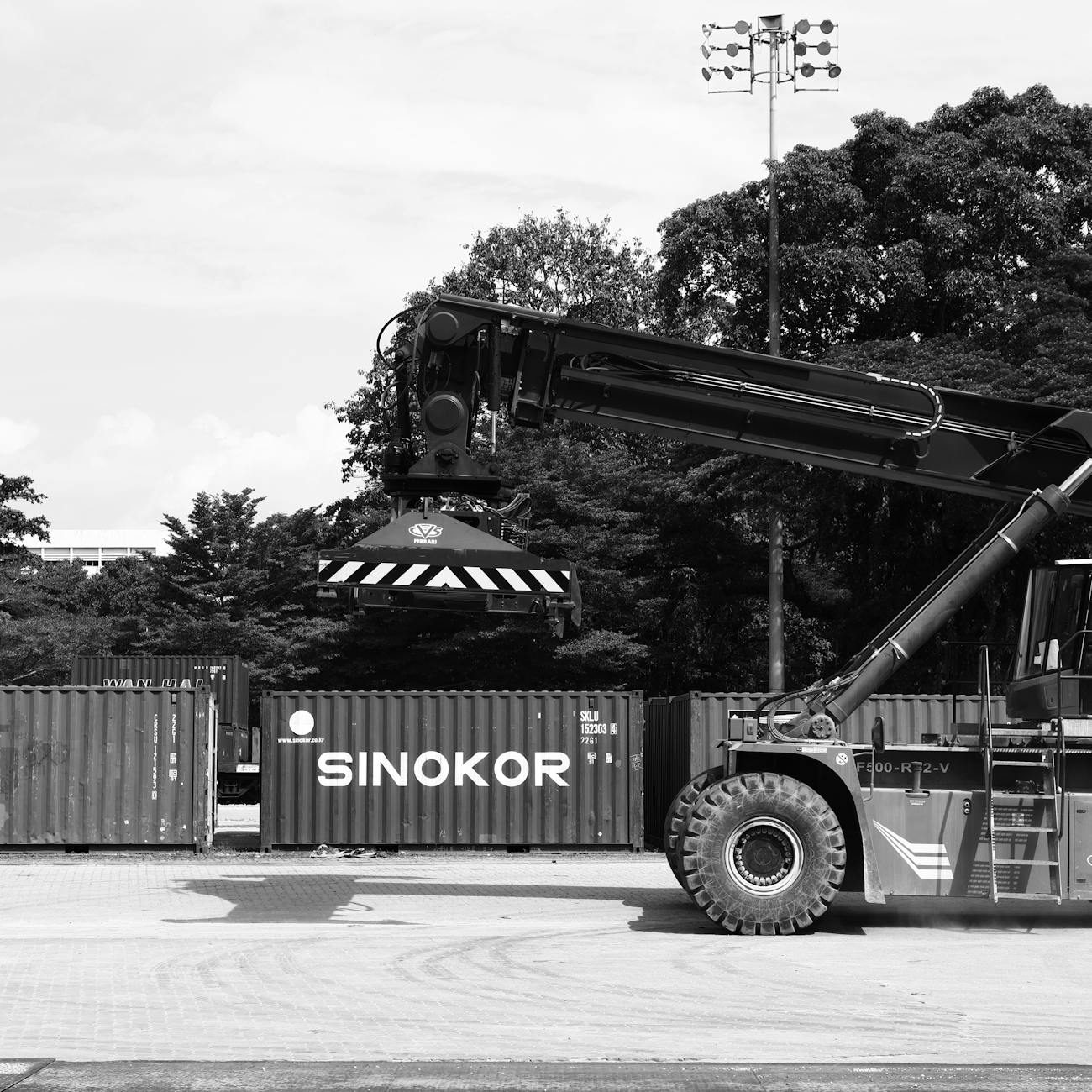
Risk Management for Original Equipment Manufacturers (OEMs) involves the identification, assessment, and prioritization of risks followed by coordinated and economical application of resources to minimize, monitor, and control the probability or impact of unfortunate events or to maximize the realization of opportunities. This process is crucial for OEMs as it helps them protect their operations, assets, and reputation while ensuring they meet their strategic objectives.
**Key Terms and Vocabulary**
1. **Risk**: The potential for an event to occur that may have an impact on achieving objectives. Risks can be internal or external, known or unknown, and can have positive or negative effects.
2. **Risk Management**: The systematic process of identifying, analyzing, evaluating, treating, and monitoring risks to minimize their impact on an organization.
3. **Original Equipment Manufacturer (OEM)**: A company that designs and produces components or products that are purchased by another company and integrated into its own final product.
4. **Enterprise Risk Management (ERM)**: A holistic approach to managing all types of risks across an organization, including strategic, financial, operational, and regulatory risks.
5. **Risk Assessment**: The process of evaluating the likelihood and impact of risks to determine their significance and prioritize them for further action.
6. **Risk Mitigation**: The implementation of strategies to reduce the likelihood or impact of identified risks.
7. **Risk Monitoring**: The ongoing tracking and review of risks to ensure that the effectiveness of risk management strategies is maintained.
8. **Key Risk Indicators (KRIs)**: Quantitative or qualitative metrics used to monitor the likelihood or impact of key risks.
9. **Risk Appetite**: The amount and type of risk that an organization is willing to take in pursuit of its objectives.
10. **Residual Risk**: The risk that remains after risk treatment measures have been implemented.
11. **Risk Register**: A document that records identified risks, their potential impact, and the planned responses to address them.
12. **Risk Response Strategy**: The approach taken to manage a particular risk, including avoiding, transferring, mitigating, or accepting the risk.
13. **Risk Tolerance**: The level of risk that an organization is willing to accept before taking action to mitigate it.
14. **Contingency Planning**: The process of developing alternative courses of action to be implemented if an identified risk event occurs.
15. **Supply Chain Risk Management**: The process of identifying, assessing, and controlling risks within a supply chain to ensure continuity of operations and minimize disruptions.
16. **Business Continuity Planning (BCP)**: The process of developing strategies to ensure that essential business functions can continue in the event of a disruption.
17. **Crisis Management**: The process of responding to and managing a crisis situation to minimize its impact on an organization.
18. **Third-Party Risk Management**: The process of identifying and managing risks associated with vendors, suppliers, and other external parties.
19. **Regulatory Compliance**: Ensuring that an organization complies with relevant laws, regulations, and industry standards to avoid legal and financial penalties.
20. **Risk Communication**: The process of sharing information about risks with stakeholders to ensure transparency and enable informed decision-making.
**Practical Applications**
- An OEM that sources components from multiple suppliers may face the risk of supply chain disruptions. To mitigate this risk, the OEM can diversify its supplier base, maintain buffer inventory, and develop contingency plans to address potential disruptions.
- A regulatory change in the industry can pose a significant risk to an OEM's operations. To manage this risk, the OEM can stay informed about regulatory developments, conduct impact assessments, and implement necessary changes to ensure compliance.
- In the event of a natural disaster affecting a key manufacturing facility, an OEM can activate its business continuity plan to relocate production to alternative sites and minimize the impact on customer orders.
- Effective risk communication is essential for an OEM to build trust with stakeholders and demonstrate its commitment to managing risks. Clear and timely communication about potential risks and mitigation strategies can help stakeholders make informed decisions.
**Challenges**
- Balancing risk and reward: OEMs must carefully weigh the potential benefits of taking risks against the potential costs of adverse outcomes. Finding the right balance is crucial for achieving strategic objectives.
- Uncertainty and complexity: The business environment is constantly evolving, making it challenging for OEMs to predict and manage risks effectively. Uncertainty and complexity can complicate risk assessment and decision-making processes.
- Resource constraints: Limited resources, such as budget and expertise, can hinder an OEM's ability to implement comprehensive risk management strategies. Prioritizing risks and allocating resources effectively is essential for success.
- Interconnected risks: Risks in one area of the business can have ripple effects throughout the organization. OEMs must consider the interconnected nature of risks and develop holistic risk management approaches.
- Compliance requirements: Meeting regulatory requirements and industry standards adds another layer of complexity to risk management for OEMs. Ensuring compliance while managing other operational risks can be a significant challenge.
In conclusion, Risk Management is a critical function for OEMs to protect their business, enhance resilience, and achieve long-term success. By understanding key terms and vocabulary related to risk management, applying practical strategies, and addressing challenges effectively, OEMs can proactively manage risks and capitalize on opportunities in a dynamic business environment.
Risk Management for OEMs is a critical aspect of ensuring the success and sustainability of Original Equipment Manufacturers in today's competitive and dynamic business environment. This course provides a comprehensive understanding of the key terms and vocabulary essential for effective risk management in the OEM industry.
**Risk Management**: Risk management is the process of identifying, assessing, and prioritizing risks followed by coordinated and economical application of resources to minimize, monitor, and control the probability and impact of unfortunate events or to maximize the realization of opportunities.
**OEM (Original Equipment Manufacturer)**: An OEM is a company that produces components or products that are purchased by a company and retailed under that purchasing company's brand name. OEMs often specialize in a specific product or component and manufacture it to be sold to another company for further integration or resale.
**Supply Chain**: The sequence of processes involved in the production and distribution of a commodity. It encompasses everything from the extraction of raw materials to the final delivery of the product to the end consumer.
**Supply Chain Risk Management**: The process of identifying, assessing, and prioritizing risks in the supply chain and implementing strategies to mitigate or manage these risks effectively.
**Compliance**: Adhering to laws, regulations, standards, and specifications relevant to the industry in which a company operates. Non-compliance can result in legal penalties, fines, and reputational damage.
**Due Diligence**: The investigation or exercise of care that a reasonable business or person is expected to take before entering into an agreement or contract with another party or an act with a certain standard of care.
**Economic Risk**: The risk that an investment's returns could suffer as a result of unexpected changes in economic conditions, such as exchange rates, interest rates, inflation, or political instability.
**Operational Risk**: The risk of loss resulting from inadequate or failed internal processes, systems, people, or external events. It includes risks related to fraud, human error, technology failures, and supply chain disruptions.
**Quality Control**: The process of ensuring that products or services meet the established quality standards and requirements. It involves monitoring and inspecting the production process to detect and correct any defects or deviations.
**Risk Assessment**: The process of evaluating potential risks and their impact on a project, process, or organization. It involves identifying risks, analyzing their likelihood and severity, and determining the best course of action to manage them.
**Risk Mitigation**: The process of reducing the likelihood or impact of risks through proactive measures. It involves implementing strategies to prevent or minimize the negative effects of potential risks.
**Risk Monitoring**: The ongoing process of tracking, evaluating, and reviewing risks to ensure that risk management strategies are effective and responsive to changes in the business environment.
**Risk Response**: The actions taken in response to identified risks, including avoidance, mitigation, transfer, or acceptance of risks. It involves developing a plan to address potential risks and their impact on the organization.
**Risk Transfer**: The process of shifting the financial consequences of a risk to another party, such as an insurance company or a contractual partner. It involves transferring the responsibility for managing a risk to a third party.
**Risk Tolerance**: The level of risk that an organization is willing to accept or take on in pursuit of its objectives. It is influenced by factors such as the organization's risk appetite, financial capacity, and strategic goals.
**Strategic Risk**: The risk associated with the potential impact of internal and external factors on an organization's ability to achieve its strategic objectives. It includes risks related to market changes, competitive pressures, and technological advancements.
**Vendor Risk Management**: The process of assessing and managing risks associated with third-party vendors, suppliers, or service providers. It involves evaluating the potential impact of vendor relationships on the organization's operations and implementing controls to mitigate identified risks.
**Business Continuity Planning**: The process of developing a plan to ensure that critical business functions can continue to operate in the event of a disruption or disaster. It involves identifying potential risks, developing response strategies, and testing the plan to ensure its effectiveness.
**Cybersecurity Risk**: The risk of unauthorized access, use, disclosure, disruption, or destruction of information or information systems. It includes risks related to data breaches, cyber-attacks, malware, and phishing scams.
**Environmental Risk**: The risk of adverse environmental impacts resulting from an organization's activities, products, or services. It includes risks related to pollution, waste management, resource depletion, and climate change.
**Financial Risk**: The risk of loss resulting from fluctuations in financial markets, interest rates, exchange rates, or credit conditions. It includes risks related to investment decisions, funding sources, and cash flow management.
**Legal Risk**: The risk of financial or reputational loss resulting from non-compliance with laws, regulations, or contractual obligations. It includes risks related to lawsuits, regulatory fines, intellectual property disputes, and contract disputes.
**Market Risk**: The risk of loss resulting from changes in market conditions, such as interest rates, exchange rates, commodity prices, or consumer preferences. It includes risks related to demand fluctuations, competition, and pricing pressures.
**Political Risk**: The risk of loss resulting from political events, such as changes in government policies, regulations, or geopolitical tensions. It includes risks related to trade barriers, sanctions, nationalization, and expropriation.
**Reputational Risk**: The risk of damage to an organization's reputation or brand value resulting from negative publicity, public perception, or stakeholder trust. It includes risks related to ethical misconduct, product recalls, or social media backlash.
**Scenario Analysis**: A technique used to assess the potential impact of different scenarios or events on an organization's operations, financial performance, or strategic objectives. It involves developing and analyzing hypothetical scenarios to understand their implications and develop response strategies.
**Stakeholder**: An individual, group, or organization that has an interest or concern in the activities, decisions, or performance of an organization. Stakeholders can include customers, employees, investors, regulators, suppliers, and the community.
**Sustainability**: The ability to meet the needs of the present without compromising the ability of future generations to meet their own needs. It involves balancing economic, social, and environmental considerations to ensure long-term viability and prosperity.
**Technology Risk**: The risk of loss resulting from the use of technology, such as software, hardware, or digital systems. It includes risks related to cybersecurity, data privacy, system failures, and technology obsolescence.
In conclusion, understanding the key terms and vocabulary related to risk management for OEMs is essential for developing effective risk management strategies, identifying potential risks, and implementing controls to mitigate or manage these risks. By applying the concepts and principles discussed in this course, OEMs can enhance their resilience, protect their assets, and achieve their strategic objectives in an increasingly complex and uncertain business environment.
Key takeaways
- This process is crucial for OEMs as it helps them protect their operations, assets, and reputation while ensuring they meet their strategic objectives.
- Risks can be internal or external, known or unknown, and can have positive or negative effects.
- **Risk Management**: The systematic process of identifying, analyzing, evaluating, treating, and monitoring risks to minimize their impact on an organization.
- **Original Equipment Manufacturer (OEM)**: A company that designs and produces components or products that are purchased by another company and integrated into its own final product.
- **Enterprise Risk Management (ERM)**: A holistic approach to managing all types of risks across an organization, including strategic, financial, operational, and regulatory risks.
- **Risk Assessment**: The process of evaluating the likelihood and impact of risks to determine their significance and prioritize them for further action.
- **Risk Mitigation**: The implementation of strategies to reduce the likelihood or impact of identified risks.