
Renewable Energy Integration in Supply Chains
Renewable Energy Integration in Supply Chains: Renewable energy integration in supply chains refers to the process of incorporating sustainable energy sources into the production, distribution, and transportation of goods and services. This…
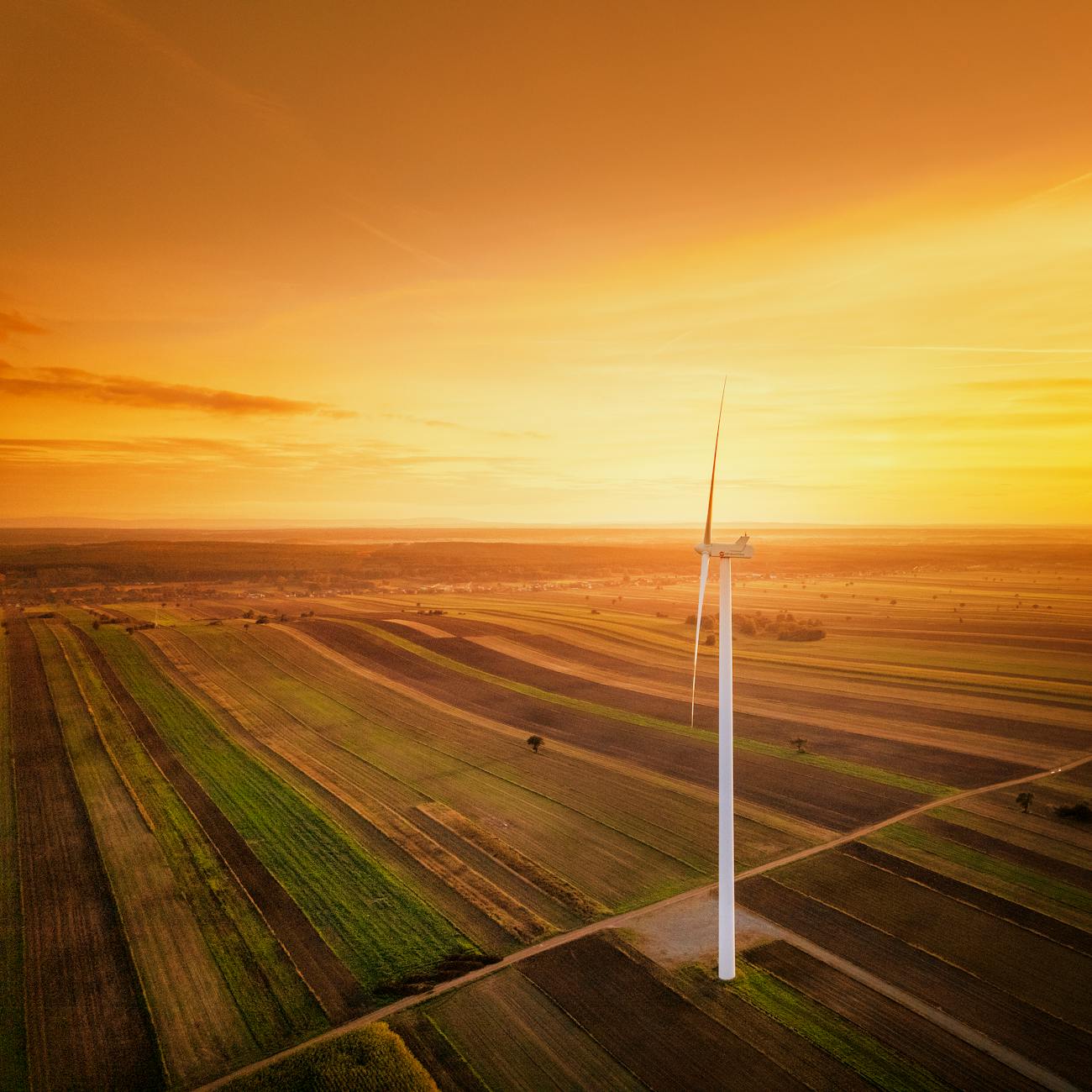
Renewable Energy Integration in Supply Chains: Renewable energy integration in supply chains refers to the process of incorporating sustainable energy sources into the production, distribution, and transportation of goods and services. This integration aims to reduce the carbon footprint of supply chain operations by replacing traditional fossil fuel-based energy sources with renewable alternatives such as solar, wind, hydroelectric, biomass, and geothermal energy.
Key Terms and Vocabulary:
1. Carbon Footprint: The total amount of greenhouse gases, specifically carbon dioxide, emitted directly or indirectly by human activities. In the context of supply chains, reducing carbon footprint is essential to mitigate climate change and achieve sustainability goals.
2. Renewable Energy: Energy derived from natural resources that are constantly replenished, such as sunlight, wind, rain, tides, waves, and geothermal heat. Renewable energy sources are environmentally friendly and help reduce reliance on non-renewable fossil fuels.
3. Sustainability: The ability to meet the needs of the present without compromising the ability of future generations to meet their own needs. Sustainable supply chain practices focus on economic, environmental, and social aspects to ensure long-term viability.
4. Supply Chain: The sequence of processes involved in the production and distribution of goods and services, from raw material extraction to final consumption. Supply chains can be complex and interconnected, making it crucial to consider the environmental impact of each stage.
5. Energy Efficiency: The ratio of useful energy output to the total energy input in a system. Improving energy efficiency in supply chains can help reduce energy consumption, lower costs, and minimize environmental impact.
6. Greenhouse Gas Emissions: Gases that trap heat in the Earth's atmosphere, contributing to global warming and climate change. Common greenhouse gases include carbon dioxide (CO2), methane (CH4), nitrous oxide (N2O), and fluorinated gases.
7. Renewable Energy Certificates (RECs): Tradable certificates that represent the environmental attributes of electricity generated from renewable sources. RECs allow organizations to support renewable energy projects and claim the environmental benefits associated with clean energy production.
8. Carbon Offsetting: Compensating for carbon emissions by investing in projects that reduce or sequester an equivalent amount of greenhouse gases. Carbon offsetting can help balance unavoidable emissions and support sustainable development initiatives.
9. Life Cycle Assessment (LCA): A systematic analysis of the environmental impacts of a product or process throughout its entire life cycle, from raw material extraction to end-of-life disposal. LCA helps identify opportunities for improvement and optimize sustainability performance.
10. Decarbonization: The process of reducing or eliminating carbon emissions from energy generation, transportation, industry, and other sectors. Decarbonization efforts are essential to transition to a low-carbon economy and combat climate change.
11. Energy Storage: The capture and retention of energy for later use, enabling renewable sources such as solar and wind to provide continuous power even when conditions are not optimal. Energy storage technologies include batteries, pumped hydro, compressed air, and thermal storage.
12. Smart Grid: An advanced electrical grid system that integrates renewable energy generation, energy storage, and digital communication technologies to optimize energy flow, enhance reliability, and support sustainable energy management practices.
13. Demand Response: A strategy that incentivizes energy consumers to adjust their electricity usage in response to supply conditions or price signals. Demand response programs help balance grid demand, reduce peak loads, and support renewable energy integration.
14. Microgrid: A localized energy system that can operate independently or in conjunction with the main grid, incorporating renewable energy sources, energy storage, and demand management strategies. Microgrids enhance energy resilience and support community-scale sustainability initiatives.
15. Power Purchase Agreement (PPA): A contract between a renewable energy provider and a buyer, typically a large energy user or corporation, to purchase electricity at an agreed-upon price and volume over a specified term. PPAs support renewable energy deployment and enable organizations to achieve sustainability targets.
16. Carbon Neutrality: The state in which an entity's net carbon emissions are balanced by carbon removal or offsetting activities, resulting in zero net greenhouse gas emissions. Achieving carbon neutrality is a key goal for organizations committed to environmental stewardship.
17. Circular Economy: An economic model that aims to minimize waste and maximize resource efficiency by designing products for reuse, recycling, and remanufacturing. Circular economy principles align with sustainable supply chain practices and support renewable energy integration.
18. Green Supply Chain Management: The integration of environmental considerations into supply chain operations to reduce environmental impact, enhance sustainability performance, and meet stakeholder expectations. Green supply chain management encompasses renewable energy integration, waste reduction, and supplier engagement.
19. Triple Bottom Line: A framework that evaluates organizational performance based on three dimensions: economic prosperity, environmental stewardship, and social responsibility. Triple bottom line reporting helps companies measure their impact beyond financial metrics and assess sustainability performance.
20. Resilient Supply Chain: A supply chain that can adapt to disruptions, such as natural disasters, geopolitical events, or market shifts, while maintaining operational continuity and meeting customer demand. Resilient supply chains leverage renewable energy integration to enhance sustainability and mitigate risks.
Practical Applications: The integration of renewable energy in supply chains offers numerous benefits and opportunities for organizations looking to reduce their carbon footprint and enhance sustainability performance. Some practical applications include:
- Installing solar panels or wind turbines at manufacturing facilities or distribution centers to generate clean energy and reduce reliance on grid electricity. - Partnering with renewable energy providers to source green power through power purchase agreements or renewable energy certificates. - Implementing energy-efficient technologies and practices, such as LED lighting, energy management systems, and electric vehicle fleets, to optimize energy consumption. - Incorporating energy storage solutions, such as batteries or thermal storage, to store excess renewable energy for use during peak demand periods. - Collaborating with suppliers to improve energy efficiency, reduce emissions, and promote sustainable sourcing practices throughout the supply chain. - Engaging customers and stakeholders in sustainability initiatives, such as carbon offsetting programs, renewable energy awareness campaigns, and eco-friendly product offerings.
Challenges: While renewable energy integration in supply chains offers significant advantages, organizations may encounter various challenges and barriers to implementation. Some common challenges include:
- High upfront costs and investment requirements for renewable energy infrastructure, equipment, and technology upgrades. - Regulatory and policy uncertainties that may impact renewable energy incentives, subsidies, and market conditions. - Limited availability of renewable energy sources in certain regions or industries, requiring innovative solutions for energy generation and distribution. - Grid constraints and infrastructure limitations that may restrict the integration of renewable energy resources and hinder grid stability. - Technological complexities and interoperability issues associated with energy storage, demand response, and smart grid systems. - Supply chain complexity and global logistics challenges that require coordination and collaboration among multiple stakeholders. - Resistance to change and organizational inertia that may impede the adoption of renewable energy practices and sustainability initiatives. - Measurement and reporting difficulties in tracking and quantifying the environmental impact of renewable energy integration and carbon reduction efforts.
Conclusion: In conclusion, renewable energy integration in supply chains is a critical strategy for reducing carbon footprint, enhancing sustainability performance, and achieving long-term environmental goals. By leveraging renewable energy sources, improving energy efficiency, and adopting innovative technologies and practices, organizations can transform their supply chains into more resilient, efficient, and sustainable systems. Despite challenges and barriers, the benefits of renewable energy integration, such as cost savings, environmental stewardship, and stakeholder engagement, outweigh the risks and uncertainties. As organizations continue to prioritize sustainability and decarbonization, renewable energy integration will play a key role in shaping the future of supply chain management and driving positive environmental impact across industries.
Key takeaways
- This integration aims to reduce the carbon footprint of supply chain operations by replacing traditional fossil fuel-based energy sources with renewable alternatives such as solar, wind, hydroelectric, biomass, and geothermal energy.
- Carbon Footprint: The total amount of greenhouse gases, specifically carbon dioxide, emitted directly or indirectly by human activities.
- Renewable Energy: Energy derived from natural resources that are constantly replenished, such as sunlight, wind, rain, tides, waves, and geothermal heat.
- Sustainability: The ability to meet the needs of the present without compromising the ability of future generations to meet their own needs.
- Supply Chain: The sequence of processes involved in the production and distribution of goods and services, from raw material extraction to final consumption.
- Improving energy efficiency in supply chains can help reduce energy consumption, lower costs, and minimize environmental impact.
- Greenhouse Gas Emissions: Gases that trap heat in the Earth's atmosphere, contributing to global warming and climate change.