
Stress Management Techniques
Stress Management Techniques: Stress management techniques are strategies or tools that individuals can use to cope with and reduce stress in their lives. These techniques are essential for maintaining good mental and physical health and ca…
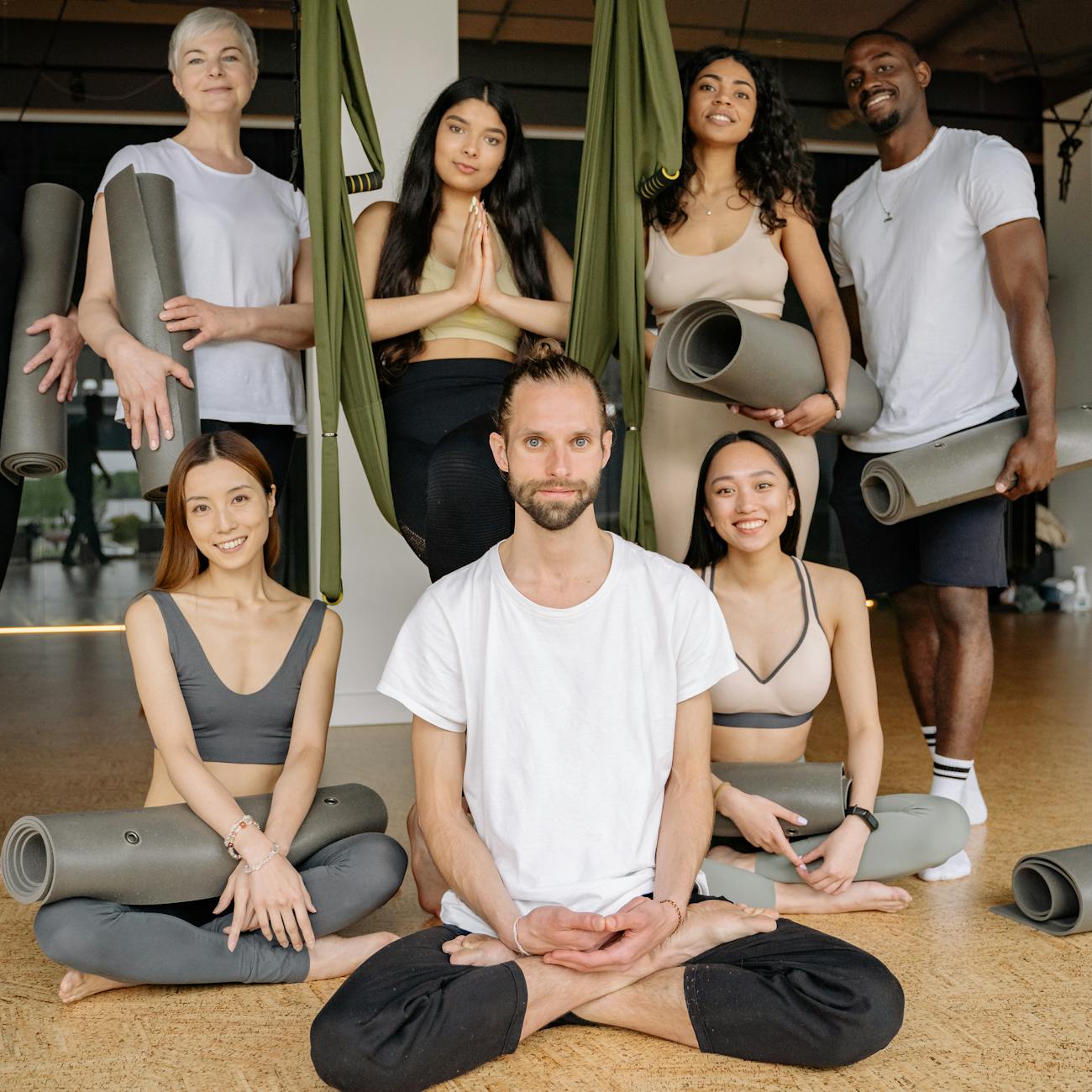
Stress Management Techniques: Stress management techniques are strategies or tools that individuals can use to cope with and reduce stress in their lives. These techniques are essential for maintaining good mental and physical health and can help individuals improve their overall well-being. In the Professional Certificate in Mind-Body Wellness Coaching, stress management techniques are a key focus as they play a crucial role in helping clients achieve a balanced and healthy lifestyle.
Key Terms and Vocabulary:
1. Stress: Stress is the body's response to any demand or challenge. It can be caused by both positive and negative events and can manifest in physical, emotional, or mental symptoms. Understanding stress is key to managing it effectively.
2. Mind-Body Connection: The mind-body connection refers to the relationship between a person's thoughts, emotions, and physical health. This connection is essential in understanding how stress affects the body and how managing stress can improve overall well-being.
3. Wellness: Wellness refers to the state of being in good health, both physically and mentally. It encompasses various aspects of a person's life, including physical fitness, emotional well-being, social relationships, and spiritual well-being.
4. Coping Strategies: Coping strategies are techniques that individuals use to deal with stress and difficult situations. These strategies can be healthy or unhealthy and play a significant role in how well a person manages stress.
5. Resilience: Resilience is the ability to bounce back from adversity or challenges. Building resilience is crucial for managing stress effectively and maintaining good mental health.
6. Mindfulness: Mindfulness is the practice of being present in the moment and paying attention to one's thoughts, feelings, and surroundings without judgment. This practice can help individuals reduce stress and improve their overall well-being.
7. Relaxation Techniques: Relaxation techniques are activities or practices that help individuals relax their mind and body. These techniques can include deep breathing, meditation, progressive muscle relaxation, and guided imagery.
8. Self-Care: Self-care refers to the practice of taking care of oneself to maintain good physical, emotional, and mental health. Self-care activities can include exercise, healthy eating, getting enough sleep, and engaging in activities that bring joy and relaxation.
9. Time Management: Time management is the practice of organizing and prioritizing tasks to make the most of one's time. Effective time management can help individuals reduce stress and improve productivity.
10. Social Support: Social support refers to the network of friends, family, and other individuals who provide emotional and practical support. Having a strong social support system can help individuals cope with stress and improve their overall well-being.
11. Cognitive Behavioral Therapy (CBT): Cognitive-behavioral therapy is a type of psychotherapy that focuses on changing negative thought patterns and behaviors to improve mental health. CBT can be an effective tool for managing stress and improving coping skills.
12. Gratitude Practice: A gratitude practice involves expressing gratitude for the positive aspects of one's life. This practice can help individuals shift their focus from negative thoughts to positive ones, reducing stress and improving well-being.
13. Physical Activity: Physical activity is any movement that engages the body's muscles and burns energy. Regular physical activity can help reduce stress, improve mood, and enhance overall health.
14. Progressive Muscle Relaxation: Progressive muscle relaxation is a technique that involves tensing and relaxing different muscle groups in the body to reduce tension and promote relaxation. This practice can help individuals release physical stress and unwind.
15. Guided Imagery: Guided imagery is a relaxation technique that involves imagining peaceful and calming scenes to promote relaxation and reduce stress. This practice can help individuals escape from stressful situations mentally and find a sense of peace.
16. Biofeedback: Biofeedback is a technique that uses sensors to monitor physiological responses, such as heart rate and muscle tension, to help individuals learn to control their body's stress response. This technique can be effective in managing stress and promoting relaxation.
17. Journaling: Journaling involves writing down thoughts, feelings, and experiences in a journal or diary. This practice can help individuals process emotions, gain insight into their stressors, and find ways to cope effectively.
18. Assertiveness Training: Assertiveness training is a type of therapy that helps individuals communicate their needs and boundaries effectively. Learning to be assertive can help individuals reduce stress and improve relationships with others.
19. Mind-Body Wellness Coaching: Mind-body wellness coaching is a holistic approach to health and well-being that focuses on the interconnectedness of the mind and body. Coaches help clients identify stressors, develop coping strategies, and achieve balance in their lives.
20. Emotional Intelligence: Emotional intelligence refers to the ability to recognize, understand, and manage one's emotions effectively. Developing emotional intelligence can help individuals navigate stressful situations and build resilience.
21. Positive Psychology: Positive psychology is a branch of psychology that focuses on promoting happiness, well-being, and resilience. Practicing positive psychology techniques can help individuals cultivate a positive mindset and reduce stress.
22. Mind-Body Interventions: Mind-body interventions are practices that focus on the connection between the mind and body to promote health and well-being. These interventions can include mindfulness, yoga, tai chi, and meditation.
23. Holistic Health: Holistic health is an approach to health and wellness that considers the whole person, including physical, emotional, mental, and spiritual aspects. This approach emphasizes the interconnectedness of these aspects in promoting well-being.
24. Breathing Techniques: Breathing techniques are practices that focus on controlling the breath to promote relaxation and reduce stress. Deep breathing, diaphragmatic breathing, and alternate nostril breathing are examples of breathing techniques that can help individuals manage stress.
25. Graded Exposure: Graded exposure is a technique used in cognitive-behavioral therapy to help individuals confront their fears or stressors gradually. This technique can help individuals build resilience and reduce anxiety over time.
26. Acceptance and Commitment Therapy (ACT): Acceptance and commitment therapy is a type of psychotherapy that focuses on accepting one's thoughts and feelings while committing to actions aligned with one's values. ACT can help individuals manage stress and live a more meaningful life.
27. Grounding Techniques: Grounding techniques are practices that help individuals stay present and connected to the here and now. These techniques can include focusing on the senses, engaging in physical activities, or using objects to anchor oneself in reality.
28. Nutrition and Stress: Nutrition plays a significant role in managing stress and promoting overall well-being. Eating a balanced diet rich in nutrients can help regulate mood, energy levels, and stress response.
29. Sleep Hygiene: Sleep hygiene refers to the practices and habits that promote good quality sleep. Establishing a bedtime routine, creating a comfortable sleep environment, and avoiding stimulants before bed are essential for managing stress and improving sleep.
30. Mind-Body Exercises: Mind-body exercises are physical activities that combine movement with mindfulness and breath awareness. Examples include yoga, tai chi, qigong, and Pilates, which can help individuals reduce stress and improve mind-body connection.
31. Laughter Therapy: Laughter therapy involves using humor and laughter to promote relaxation and reduce stress. Laughter has been shown to have physical and mental health benefits, including reducing stress hormones and improving mood.
32. Guided Meditation: Guided meditation is a practice that involves following verbal instructions to relax the mind and body. This practice can help individuals reduce stress, improve focus, and cultivate mindfulness.
33. Aromatherapy: Aromatherapy is the use of essential oils and fragrances to promote relaxation, reduce stress, and improve mood. Certain scents, such as lavender and chamomile, have been shown to have calming effects on the mind and body.
34. Nature Therapy: Nature therapy, also known as ecotherapy or forest bathing, involves spending time in nature to promote relaxation and reduce stress. Connecting with the natural world can help individuals feel grounded and rejuvenated.
35. Art Therapy: Art therapy is a form of therapy that uses creative expression, such as drawing, painting, or sculpting, to promote emotional healing and reduce stress. Engaging in art activities can help individuals process emotions and find relaxation.
36. Visualization Techniques: Visualization techniques involve imagining positive outcomes or scenarios to promote relaxation and reduce stress. Visualization can help individuals create a mental image of a stress-free environment or situation to calm the mind.
37. Energy Healing: Energy healing is a holistic practice that aims to balance the body's energy systems to promote health and well-being. Techniques such as Reiki, acupuncture, and acupressure can help individuals reduce stress and improve energy flow.
38. Stress Reduction Programs: Stress reduction programs are structured programs or courses that focus on teaching individuals how to manage stress effectively. These programs can include workshops, seminars, or online courses that provide practical tools and strategies for stress management.
39. Wellness Retreats: Wellness retreats are immersive experiences that focus on promoting health and well-being through various activities, such as yoga, meditation, spa treatments, and healthy eating. Attending a wellness retreat can help individuals relax, recharge, and learn new stress management techniques.
40. Resilience Training: Resilience training is a structured program that helps individuals build resilience skills to cope with adversity and stress. These programs can include workshops, coaching sessions, and exercises designed to enhance coping strategies and promote mental well-being.
41. Stress Hormones: Stress hormones, such as cortisol and adrenaline, are chemicals released by the body in response to stress. These hormones can have a significant impact on the body's stress response and can contribute to various physical and mental health issues if not managed effectively.
42. Stress Management Apps: Stress management apps are mobile applications that offer tools, resources, and guided practices to help individuals reduce stress and improve well-being. These apps can include features such as meditation exercises, relaxation techniques, and stress tracking tools.
43. Workplace Stress: Workplace stress refers to stress that is caused by factors in the work environment, such as high workload, tight deadlines, or conflicts with colleagues. Managing workplace stress is essential for maintaining good mental health and job satisfaction.
44. Burnout: Burnout is a state of emotional, physical, and mental exhaustion caused by prolonged stress or overwork. Recognizing the signs of burnout and taking steps to address it is crucial for preventing long-term negative effects on health and well-being.
45. Mindfulness-Based Stress Reduction (MBSR): Mindfulness-based stress reduction is a program developed by Jon Kabat-Zinn that combines mindfulness meditation and yoga to help individuals reduce stress and improve overall well-being. MBSR has been shown to be effective in managing stress-related conditions.
46. Stress Management Techniques for Students: Stress management techniques for students are strategies that help young adults cope with academic pressure, exams, and social challenges. These techniques can include time management skills, relaxation practices, and seeking support from peers or counselors.
47. Stress Management Techniques for Parents: Stress management techniques for parents are strategies that help caregivers cope with the demands of parenting, work, and personal responsibilities. These techniques can include self-care practices, setting boundaries, and seeking help when needed.
48. Stress Management Techniques for Seniors: Stress management techniques for seniors are strategies that help older adults cope with the challenges of aging, health issues, and life transitions. These techniques can include staying active, maintaining social connections, and engaging in activities that bring joy and fulfillment.
49. Stress Management Techniques for Healthcare Professionals: Stress management techniques for healthcare professionals are strategies that help doctors, nurses, and other medical staff cope with the demands of their work, including long hours, high-pressure situations, and emotional stress. These techniques can include self-care practices, mindfulness exercises, and seeking support from colleagues.
50. Stress Management Techniques for Athletes: Stress management techniques for athletes are strategies that help sports professionals cope with the pressures of competition, performance expectations, and injuries. These techniques can include mental training, visualization exercises, and relaxation practices to enhance performance and well-being.
51. Stress Management Techniques for Entrepreneurs: Stress management techniques for entrepreneurs are strategies that help business owners and start-up founders cope with the challenges of running a business, financial pressures, and work-life balance. These techniques can include time management skills, delegation, and setting realistic goals to reduce stress and improve productivity.
52. Stress Management Techniques for Remote Workers: Stress management techniques for remote workers are strategies that help individuals who work from home or in virtual settings cope with isolation, blurred boundaries between work and personal life, and technology-related stress. These techniques can include setting boundaries, creating a designated workspace, and taking breaks to recharge.
53. Stress Management Techniques for Caregivers: Stress management techniques for caregivers are strategies that help individuals who care for family members or loved ones cope with the emotional, physical, and financial challenges of caregiving. These techniques can include seeking respite care, setting realistic expectations, and practicing self-care to prevent burnout.
54. Stress Management Techniques for Couples: Stress management techniques for couples are strategies that help partners navigate relationship stress, communication challenges, and conflicts effectively. These techniques can include active listening, setting boundaries, and practicing empathy to strengthen the relationship and reduce tension.
55. Stress Management Techniques for Teens: Stress management techniques for teens are strategies that help adolescents cope with academic pressure, social media stress, and peer relationships. These techniques can include time management skills, relaxation practices, and seeking support from parents or school counselors to build resilience and manage stress effectively.
56. Stress Management Techniques for Chronic Illness: Stress management techniques for chronic illness are strategies that help individuals living with long-term health conditions cope with physical symptoms, emotional challenges, and lifestyle changes. These techniques can include mindfulness practices, support groups, and self-care activities to improve quality of life and well-being.
57. Stress Management Techniques for PTSD: Stress management techniques for post-traumatic stress disorder (PTSD) are strategies that help individuals who have experienced trauma cope with flashbacks, nightmares, and anxiety. These techniques can include exposure therapy, cognitive-behavioral techniques, and relaxation practices to reduce symptoms and improve quality of life.
58. Stress Management Techniques for Anxiety: Stress management techniques for anxiety are strategies that help individuals cope with excessive worry, fear, and panic attacks. These techniques can include cognitive-behavioral therapy, relaxation exercises, and mindfulness practices to reduce anxiety symptoms and improve mental well-being.
59. Stress Management Techniques for Depression: Stress management techniques for depression are strategies that help individuals cope with feelings of sadness, hopelessness, and low energy. These techniques can include therapy, medication, exercise, and self-care activities to improve mood and overall well-being.
60. Stress Management Techniques for Insomnia: Stress management techniques for insomnia are strategies that help individuals improve sleep quality and quantity. These techniques can include creating a bedtime routine, practicing relaxation exercises, and addressing underlying stressors to promote restful sleep and overall health.
61. Stress Management Techniques for Anger: Stress management techniques for anger are strategies that help individuals cope with intense emotions and outbursts. These techniques can include anger management classes, cognitive-behavioral therapy, and relaxation practices to regulate emotions and improve communication.
62. Stress Management Techniques for Trauma: Stress management techniques for trauma are strategies that help individuals recover from past traumatic experiences and reduce symptoms of post-traumatic stress. These techniques can include therapy, mindfulness practices, and support groups to process emotions and build resilience.
63. Stress Management Techniques for Grief: Stress management techniques for grief are strategies that help individuals cope with the loss of a loved one and navigate the grieving process. These techniques can include therapy, support groups, and self-care activities to honor the memory of the deceased and find comfort in difficult times.
64. Stress Management Techniques for Addiction: Stress management techniques for addiction are strategies that help individuals recover from substance abuse or behavioral addictions. These techniques can include therapy, support groups, and healthy coping mechanisms to address underlying stressors and prevent relapse.
65. Stress Management Techniques for Weight Management: Stress management techniques for weight management are strategies that help individuals maintain a healthy weight and lifestyle. These techniques can include mindful eating, regular exercise, stress reduction practices, and seeking support from health professionals to achieve long-term success.
66. Stress Management Techniques for Financial Stress: Stress management techniques for financial stress are strategies that help individuals cope with money-related worries and challenges. These techniques can include budgeting, financial planning, seeking professional advice, and practicing self-care to reduce stress and improve financial well-being.
67. Stress Management Techniques for Time Management: Stress management techniques for time management are strategies that help individuals prioritize tasks, set goals, and make the most of their time. These techniques can include creating to-do lists, using time tracking tools, setting boundaries, and practicing mindfulness to reduce stress and improve productivity.
68. Stress Management Techniques for Work-Life Balance: Stress management techniques for work-life balance are strategies that help individuals juggle career demands, personal responsibilities, and self-care. These techniques can include setting boundaries, delegating tasks, scheduling downtime, and practicing self-care to prevent burnout and improve overall well-being.
69. Stress Management Techniques for Emotional Regulation: Stress management techniques for emotional regulation are strategies that help individuals identify and manage their emotions effectively. These techniques can include mindfulness practices, cognitive-behavioral therapy, and relaxation exercises to regulate emotions, reduce stress, and improve mental well-being.
70. Stress Management Techniques for Relationship Conflict: Stress management techniques for relationship conflict are strategies that help individuals navigate disagreements, communication challenges, and conflicts with others. These techniques can include active listening, setting boundaries, practicing empathy, and seeking professional help to improve communication and resolve issues.
71. Stress Management Techniques for Public Speaking: Stress management techniques for public speaking are strategies that help individuals overcome anxiety, nervousness, and stage fright when speaking in front of an audience. These techniques can include visualization exercises, deep breathing, rehearsal, and positive self-talk to build confidence and deliver a successful presentation.
72. Stress Management Techniques for Test Anxiety: Stress management techniques for test anxiety are strategies that help individuals reduce stress and improve performance during exams or assessments.
Key takeaways
- In the Professional Certificate in Mind-Body Wellness Coaching, stress management techniques are a key focus as they play a crucial role in helping clients achieve a balanced and healthy lifestyle.
- It can be caused by both positive and negative events and can manifest in physical, emotional, or mental symptoms.
- Mind-Body Connection: The mind-body connection refers to the relationship between a person's thoughts, emotions, and physical health.
- It encompasses various aspects of a person's life, including physical fitness, emotional well-being, social relationships, and spiritual well-being.
- Coping Strategies: Coping strategies are techniques that individuals use to deal with stress and difficult situations.
- Building resilience is crucial for managing stress effectively and maintaining good mental health.
- Mindfulness: Mindfulness is the practice of being present in the moment and paying attention to one's thoughts, feelings, and surroundings without judgment.