
Advanced Techniques in Food Presentation
Advanced Techniques in Food Presentation
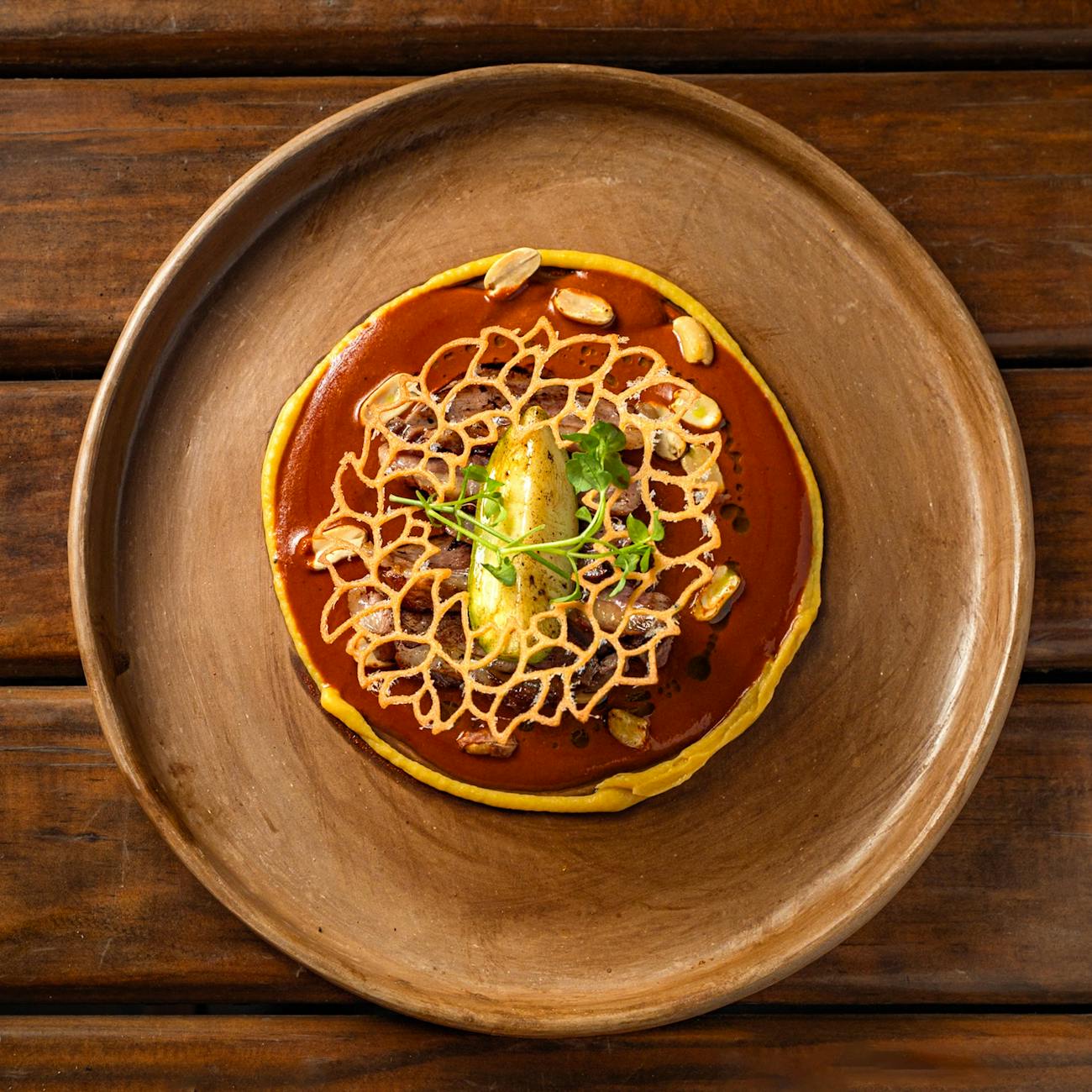
Advanced Techniques in Food Presentation
Food Presentation: Food presentation refers to the art of arranging, decorating, and serving food in an aesthetically pleasing manner. It involves using various techniques to enhance the visual appeal of a dish, making it more attractive and appetizing to the diner.
Urban Food Styling: Urban food styling is a specialized form of food presentation that focuses on creating visually stunning dishes using modern and innovative techniques. It often incorporates elements of urban culture and design to create unique and eye-catching food displays.
Plating: Plating is the process of arranging food on a plate or platter in an artistic and visually appealing way. It involves carefully placing each component of the dish to create a balanced and harmonious presentation.
Garnish: A garnish is a decorative element added to a dish to enhance its visual appeal. Garnishes can be edible or non-edible and are used to add color, texture, and flavor to a dish.
Balance: In food presentation, balance refers to the distribution of visual elements on a plate to create a harmonious composition. A well-balanced dish will have a mix of colors, textures, shapes, and sizes that work together to create an appealing presentation.
Color: Color plays a crucial role in food presentation, as it can evoke emotions, stimulate appetite, and enhance the overall dining experience. Using a variety of colors in a dish can make it more visually appealing and appetizing.
Texture: Texture refers to the surface quality of food, which can range from smooth and creamy to crunchy and crispy. Incorporating a mix of textures in a dish can add interest and complexity to its presentation.
Height: Creating height in a dish can add drama and visual impact to its presentation. This can be achieved by stacking or layering ingredients, using vertical elements, or arranging components in a pyramid or cone shape.
Negative Space: Negative space, also known as white space, refers to the empty or blank areas on a plate that are not filled with food. Using negative space effectively can help highlight the main components of a dish and create a clean and sophisticated presentation.
Contrast: Contrast involves using differences in color, texture, shape, and size to create visual interest in a dish. Contrasting elements can help draw the eye to specific areas of the plate and make the presentation more dynamic.
Composition: Composition refers to the arrangement of visual elements on a plate to create a cohesive and balanced presentation. It involves considering the placement of each component, the use of color and texture, and the overall flow of the dish.
Plating Tools: Plating tools are specialized utensils and equipment used to help chefs and food stylists create intricate and precise food presentations. Some common plating tools include tweezers, offset spatulas, ring molds, and squeeze bottles.
Edible Flowers: Edible flowers are flowers that can be safely consumed and are often used as a decorative garnish in food presentations. They add color, texture, and a touch of elegance to dishes, making them visually appealing.
Microgreens: Microgreens are young, edible greens that are harvested when they are only a few inches tall. They are often used as a garnish in food presentations due to their vibrant colors, delicate textures, and intense flavors.
Sauces and Drizzles: Sauces and drizzles are liquid or semi-liquid condiments that are used to add flavor, moisture, and visual interest to a dish. They can be drizzled, swirled, or piped onto a plate to create patterns and enhance the overall presentation.
Culinary Foam: Culinary foam is a light and airy foam made from ingredients such as egg whites, gelatin, or cream. It is often used as a garnish in food presentations to add texture, height, and visual appeal to a dish.
Smoking and Charring: Smoking and charring are techniques used to add depth of flavor and visual interest to a dish. This can be achieved by smoking ingredients with wood chips, charring vegetables on a grill, or using a smoking gun to infuse dishes with smoky aromas.
Deconstruction: Deconstruction is a plating technique that involves breaking down a traditional dish into its individual components and presenting them in a modern and innovative way. This can create a visually striking presentation that challenges diners' expectations.
Layering: Layering is a plating technique that involves stacking or arranging different components of a dish on top of each other to create a visually appealing presentation. This can add depth, texture, and complexity to a dish's overall appearance.
Geometric Shapes: Geometric shapes can be used to create visually striking and modern food presentations. By cutting ingredients into squares, circles, triangles, or other shapes, chefs can add structure and symmetry to a dish.
Minimalism: Minimalism is a design philosophy that emphasizes simplicity, restraint, and elegance. In food presentation, minimalism involves using a limited number of ingredients, clean lines, and negative space to create a refined and sophisticated dish.
Seasonality: Seasonality refers to the practice of using ingredients that are in season and at their peak freshness. By incorporating seasonal produce into dishes, chefs can create vibrant and flavorful presentations that celebrate the best of each season.
Local Sourcing: Local sourcing involves sourcing ingredients from local producers and suppliers to support the local economy and reduce the carbon footprint of a dish. Using locally sourced ingredients can also add a sense of place and authenticity to a food presentation.
Global Flavors: Global flavors refer to the diverse range of culinary traditions and ingredients from around the world. Incorporating global flavors into food presentations can add depth, complexity, and excitement to dishes, creating a multicultural dining experience.
Storytelling: Storytelling in food presentation involves using visual cues, narrative elements, and cultural references to create a story or evoke a specific mood or memory. By telling a story through food, chefs can engage diners on a deeper level and create a more memorable dining experience.
Challenges in Food Presentation: While food presentation offers endless creative possibilities, it also presents a number of challenges for chefs and food stylists. Some common challenges include balancing flavors and textures, creating visually appealing compositions, and working with perishable ingredients.
Practical Applications: The techniques and concepts of food presentation are used in a variety of culinary settings, including restaurants, catering events, food photography, and cooking competitions. By mastering the art of food presentation, chefs and food stylists can create dishes that not only taste delicious but also look stunning.
Food Photography: Food presentation is closely linked to food photography, as beautifully plated dishes are more likely to be visually appealing in photographs. Food stylists often work with photographers to create eye-catching images that showcase the artistry of their food presentations.
Food Trends: Food presentation trends are constantly evolving, influenced by cultural shifts, social media, and consumer preferences. Some current trends in food presentation include natural and rustic styles, plant-based and vegan dishes, and interactive dining experiences.
Food Waste: Food waste is a significant issue in the culinary industry, with a large amount of food being discarded due to overproduction, spoilage, and improper handling. Chefs and food stylists can help reduce food waste by carefully planning and portioning dishes, using leftovers creatively, and incorporating root-to-stem cooking techniques.
Sustainability: Sustainability in food presentation involves using eco-friendly practices, such as composting food scraps, reducing plastic waste, and sourcing ingredients from sustainable and ethical suppliers. By adopting sustainable practices, chefs and food stylists can minimize their environmental impact and promote a more sustainable food system.
Community Engagement: Food presentation can be a powerful tool for community engagement, bringing people together through shared culinary experiences. Chefs and food stylists can use their skills to support local initiatives, host cooking workshops, and promote food education in their communities.
Conclusion: Advanced techniques in food presentation play a vital role in the culinary industry, allowing chefs and food stylists to showcase their creativity, skill, and passion for food. By mastering the art of food presentation, professionals can create dishes that not only taste delicious but also look visually stunning and memorable.
Advanced Techniques in Food Presentation: Food presentation is a crucial aspect of the culinary arts that involves arranging and decorating food to enhance its appeal to the eyes. In the course Advanced Skill Certificate in Urban Food Styling, students will learn advanced techniques in food presentation to create visually stunning dishes that not only taste delicious but also look exquisite.
Key Terms and Vocabulary:
1. Plating: Plating refers to the arrangement of food on a plate or serving dish. It involves the placement of food items in an aesthetically pleasing manner to create a visually appealing presentation.
2. Garnish: A garnish is a decorative item or embellishment added to a dish to enhance its visual appeal. Garnishes can be edible or non-edible and are used to add color, texture, and flavor to the dish.
3. Composition: Composition in food presentation refers to the overall arrangement and layout of the elements on the plate. It involves balancing colors, shapes, textures, and heights to create a harmonious and visually pleasing dish.
4. Balance: Balance is an important principle in food presentation that refers to the distribution of visual weight on a plate. Achieving balance involves arranging food items in a way that creates harmony and symmetry.
5. Color Theory: Color theory in food presentation involves understanding how different colors interact and complement each other. By using a combination of contrasting and complementary colors, chefs can create visually striking dishes.
6. Texture: Texture refers to the surface quality of food items and plays a significant role in food presentation. Combining a variety of textures, such as crunchy, creamy, and smooth, can add interest and depth to a dish.
7. Height: Height is a key element in food presentation that adds dimension and visual interest to a dish. By stacking or layering food items, chefs can create a sense of depth and drama on the plate.
8. Plating Techniques: Plating techniques are the methods used to arrange and decorate food on a plate. Common techniques include stacking, layering, drizzling, and piping.
9. Edible Flowers: Edible flowers are flowers that are safe to eat and are often used as garnishes in food presentation. They add a pop of color and a delicate floral flavor to dishes.
10. Microgreens: Microgreens are young, tender greens that are harvested when they are just a few inches tall. They are often used as a garnish in food presentation to add a fresh and vibrant touch to dishes.
11. Sauce Drizzles: Sauce drizzles are thin streams of sauce that are artfully poured over a dish to add flavor and visual interest. Chefs use different techniques, such as zigzags or swirls, to create decorative drizzles.
12. Creative Plating: Creative plating involves thinking outside the box and experimenting with unconventional ways to present food. Chefs can use unique props, unconventional placements, and artistic techniques to create visually stunning dishes.
13. Negative Space: Negative space, also known as white space, refers to the empty or blank areas on a plate. By incorporating negative space into a dish, chefs can create a sense of balance and focus on the main elements of the presentation.
14. Food Styling: Food styling is the art of arranging and presenting food in a way that is visually appealing. It involves using props, lighting, and composition techniques to create stunning food photographs.
15. Plating Tools: Plating tools are utensils and equipment used to create intricate and detailed presentations. Common plating tools include offset spatulas, tweezers, squeeze bottles, and ring molds.
16. Seasonality: Seasonality refers to the availability of fresh, locally grown ingredients during a particular season. Chefs often incorporate seasonal produce into their dishes to showcase the best flavors and colors of each season.
17. Storytelling: Storytelling in food presentation involves creating a narrative or theme that ties together the elements on a plate. By telling a story through food, chefs can engage diners and create memorable dining experiences.
18. Minimalism: Minimalism is a design philosophy that emphasizes simplicity and restraint. In food presentation, minimalism involves using a minimalist approach to plating, focusing on clean lines, simple arrangements, and negative space.
19. Proportion: Proportion refers to the relationship between the size and scale of different elements on a plate. By considering proportion, chefs can create visually balanced and harmonious presentations.
20. Culinary Arts: Culinary arts refer to the art and science of preparing and presenting food. It encompasses a wide range of skills, techniques, and disciplines related to cooking, baking, and food presentation.
Practical Applications: The key terms and vocabulary introduced in this course are essential for mastering advanced techniques in food presentation. By understanding these concepts and principles, students will be able to create visually stunning dishes that not only taste delicious but also look exquisite. Here are some practical applications of these key terms:
1. When plating a dish, consider the balance of colors, textures, and heights to create a visually appealing presentation. 2. Experiment with different plating techniques, such as stacking, layering, and drizzling, to add interest and creativity to your dishes. 3. Incorporate seasonal ingredients and edible flowers to enhance the flavor and visual appeal of your dishes. 4. Use negative space and proportion to create a sense of balance and harmony on the plate. 5. Tell a story through your food presentation by creating a theme or narrative that ties together the elements on the plate.
Challenges: While mastering advanced techniques in food presentation can be rewarding, it also comes with its own set of challenges. Some common challenges students may face include:
1. Achieving consistency in plating: Consistency is key in food presentation, and maintaining a consistent style and quality across different dishes can be challenging. 2. Balancing creativity and practicality: Finding the right balance between creative expression and practicality can be difficult when experimenting with new plating techniques and styles. 3. Time management: Plating intricate and detailed dishes can be time-consuming, and managing time effectively in a fast-paced kitchen environment is essential. 4. Working with perishable ingredients: Seasonal produce and delicate garnishes can wilt or spoil quickly, making it challenging to create long-lasting and visually appealing presentations. 5. Overcoming creative blocks: Creativity is a key component of food presentation, and overcoming creative blocks or lack of inspiration can be a challenge for students.
Conclusion: In conclusion, mastering advanced techniques in food presentation is essential for chefs and food stylists looking to create visually stunning dishes that are as beautiful as they are delicious. By understanding key terms and concepts such as plating, garnishing, composition, and balance, students in the Advanced Skill Certificate in Urban Food Styling course will be equipped with the knowledge and skills needed to elevate their food presentation to the next level. Through practical applications, challenges, and hands-on experience, students will have the opportunity to hone their craft and create memorable dining experiences for their guests.
Key takeaways
- Food Presentation: Food presentation refers to the art of arranging, decorating, and serving food in an aesthetically pleasing manner.
- Urban Food Styling: Urban food styling is a specialized form of food presentation that focuses on creating visually stunning dishes using modern and innovative techniques.
- Plating: Plating is the process of arranging food on a plate or platter in an artistic and visually appealing way.
- Garnish: A garnish is a decorative element added to a dish to enhance its visual appeal.
- Balance: In food presentation, balance refers to the distribution of visual elements on a plate to create a harmonious composition.
- Color: Color plays a crucial role in food presentation, as it can evoke emotions, stimulate appetite, and enhance the overall dining experience.
- Texture: Texture refers to the surface quality of food, which can range from smooth and creamy to crunchy and crispy.